Habitat Type and Global Context
Mangrove forests are salt-tolerant coastal forest communities dominated by mangrove trees: a convergent group of tree species from multiple families that have independently evolved adaptations for life in the intertidal zone. They occur in tropical and subtropical coastal zones globally, concentrated between 25 degrees North and 25 degrees South latitude. Globally, mangrove forests cover approximately 137,000 to 152,000 square kilometers and are among the most carbon-dense and biologically productive ecosystems on Earth.
The defining physical features of mangrove forests are their root architecture and their position at the land-sea interface. Mangrove roots hold the tree in soft, oxygen-poor sediment while providing complex three-dimensional habitat structure for invertebrates, juvenile fish, crabs, and climbing animals. The soil beneath a mangrove forest is typically anaerobic at depth, organic-rich, and capable of producing hydrogen sulfide during decomposition: a natural chemical signature of mangrove substrate.
Mangrove forests are the terrestrial side of a broader coastal productivity machine: they receive tidal inputs, export leaf litter and particulate matter into the adjacent water, and support a largely terrestrial food web of insects, crabs, spiders, scorpions, and birds that is quite different from the marine food web immediately adjacent to them.
Florida and Regional Relevance
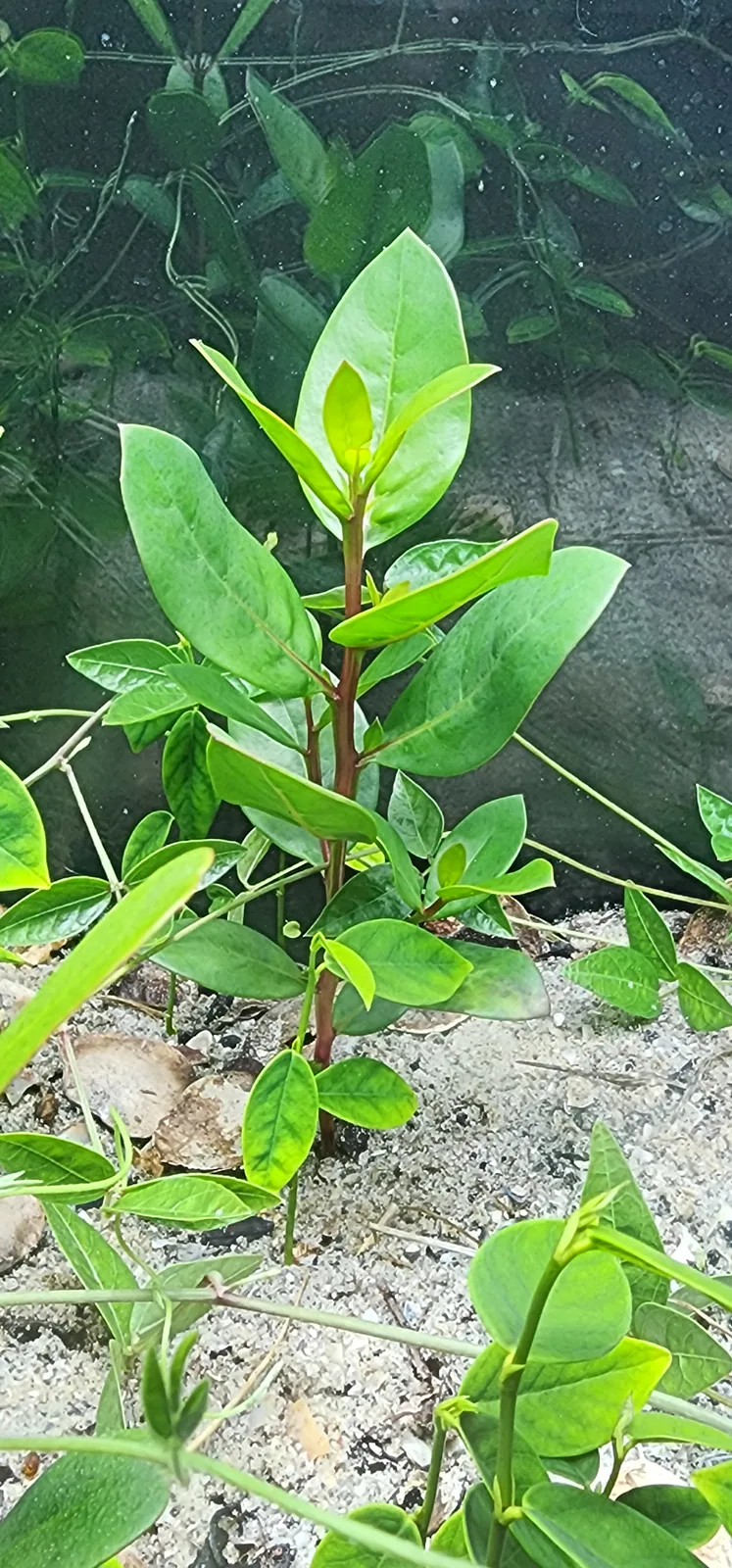
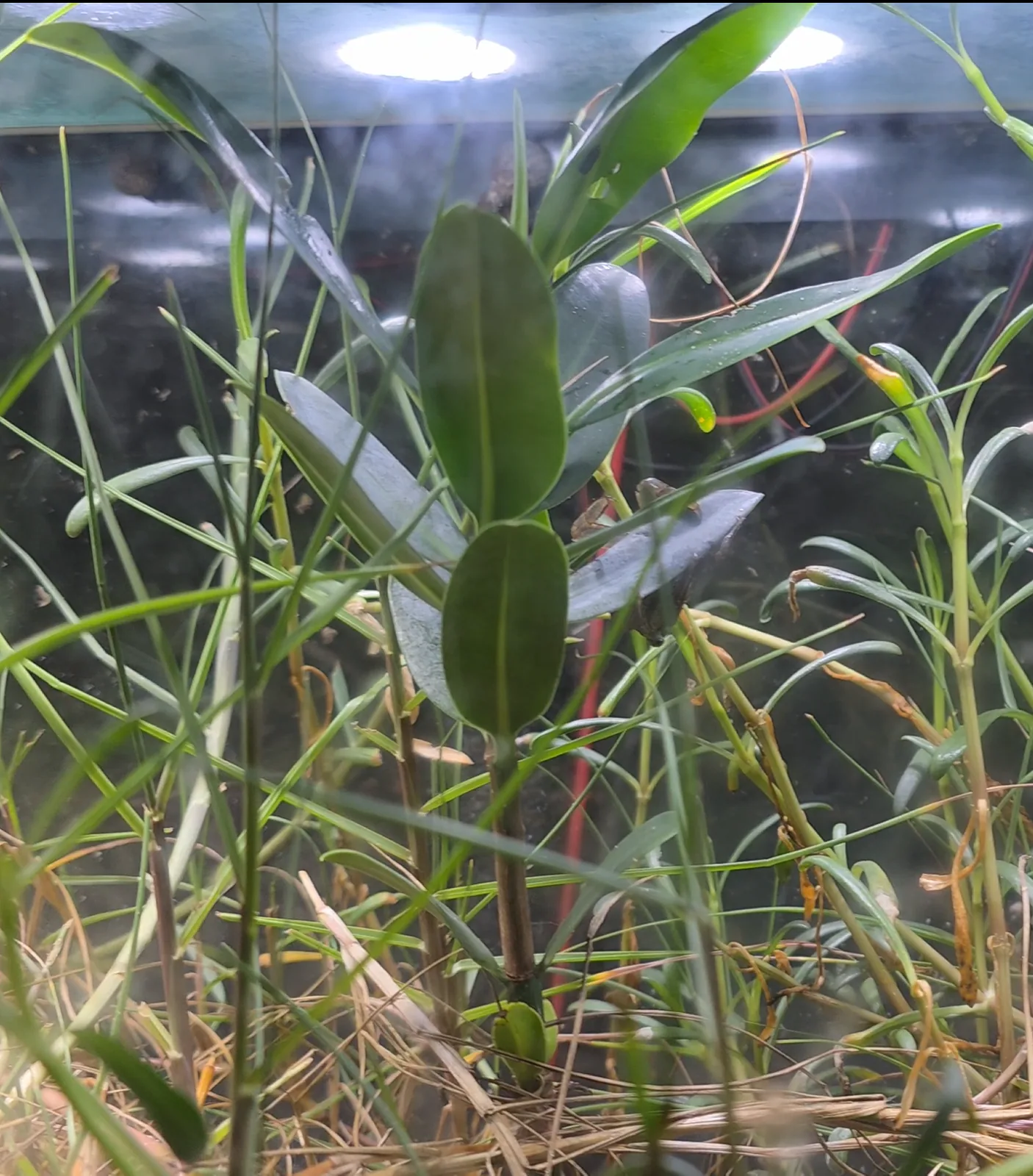
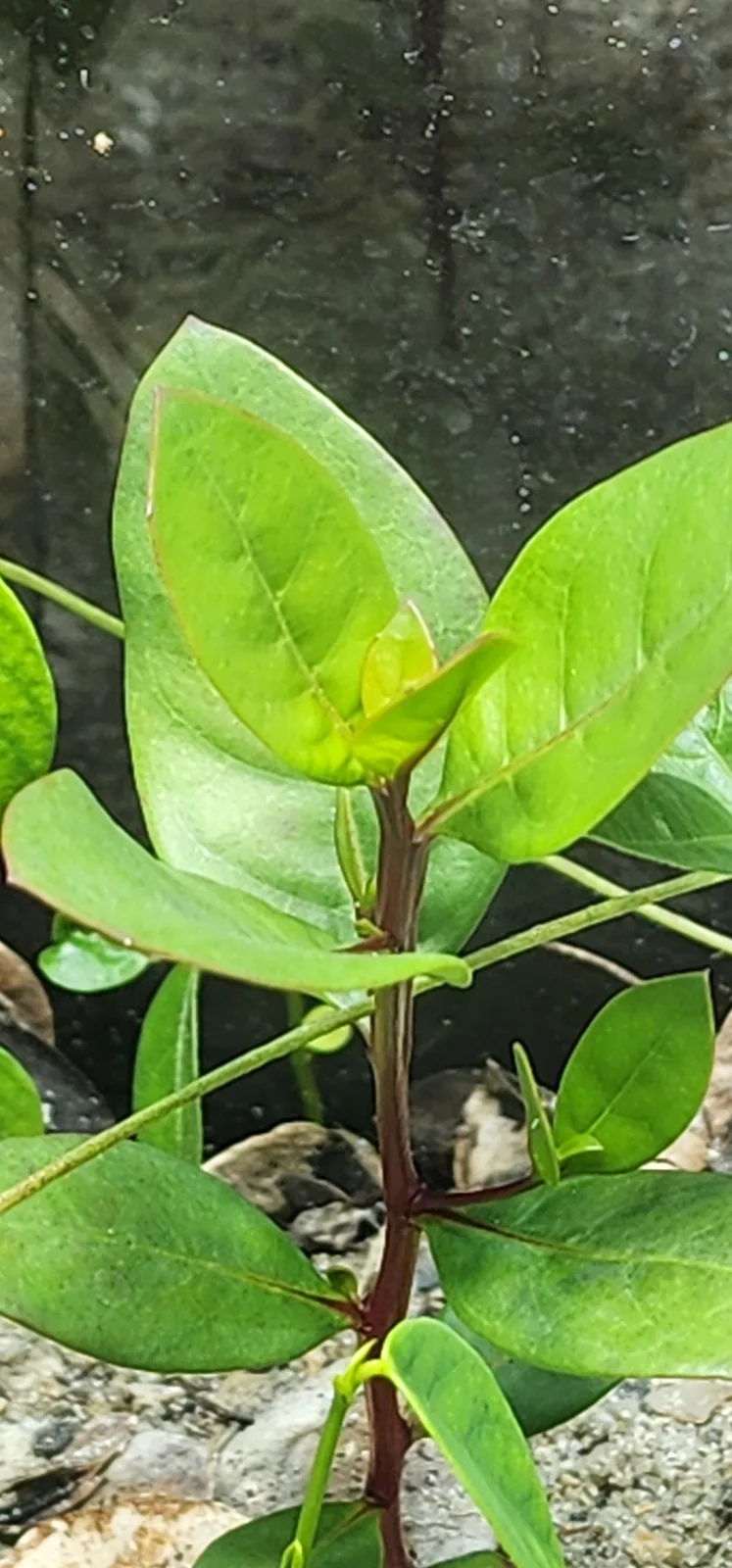
Florida has the largest extent of mangrove forest in the continental United States, with approximately 469,000 acres concentrated along the Gulf Coast, the southern tip of the peninsula, the Florida Keys, and the Atlantic coast south of Cape Canaveral. Three species dominate Florida's mangrove forests, and all three are present in miniBIOTA's Mangrove Forest:
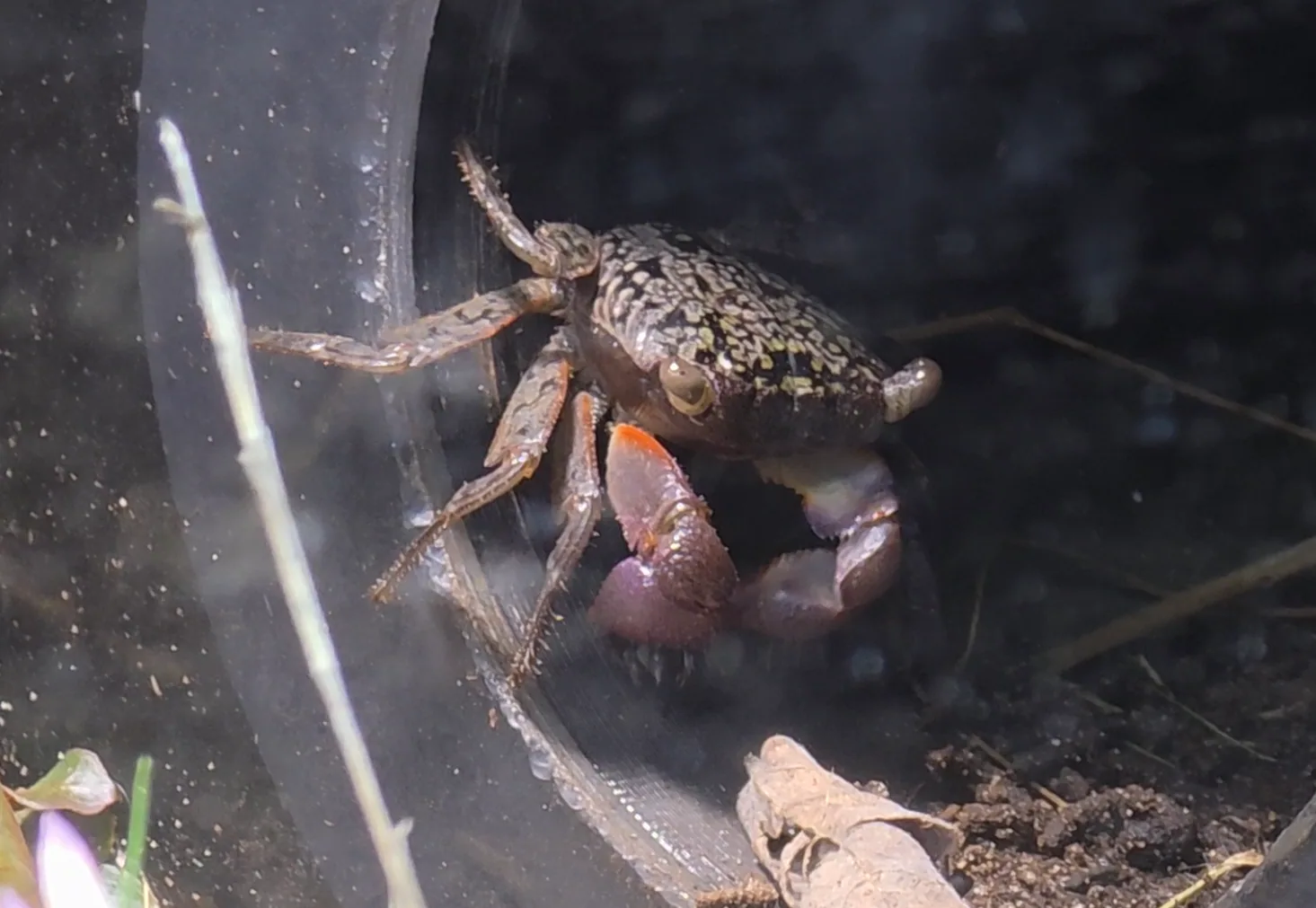
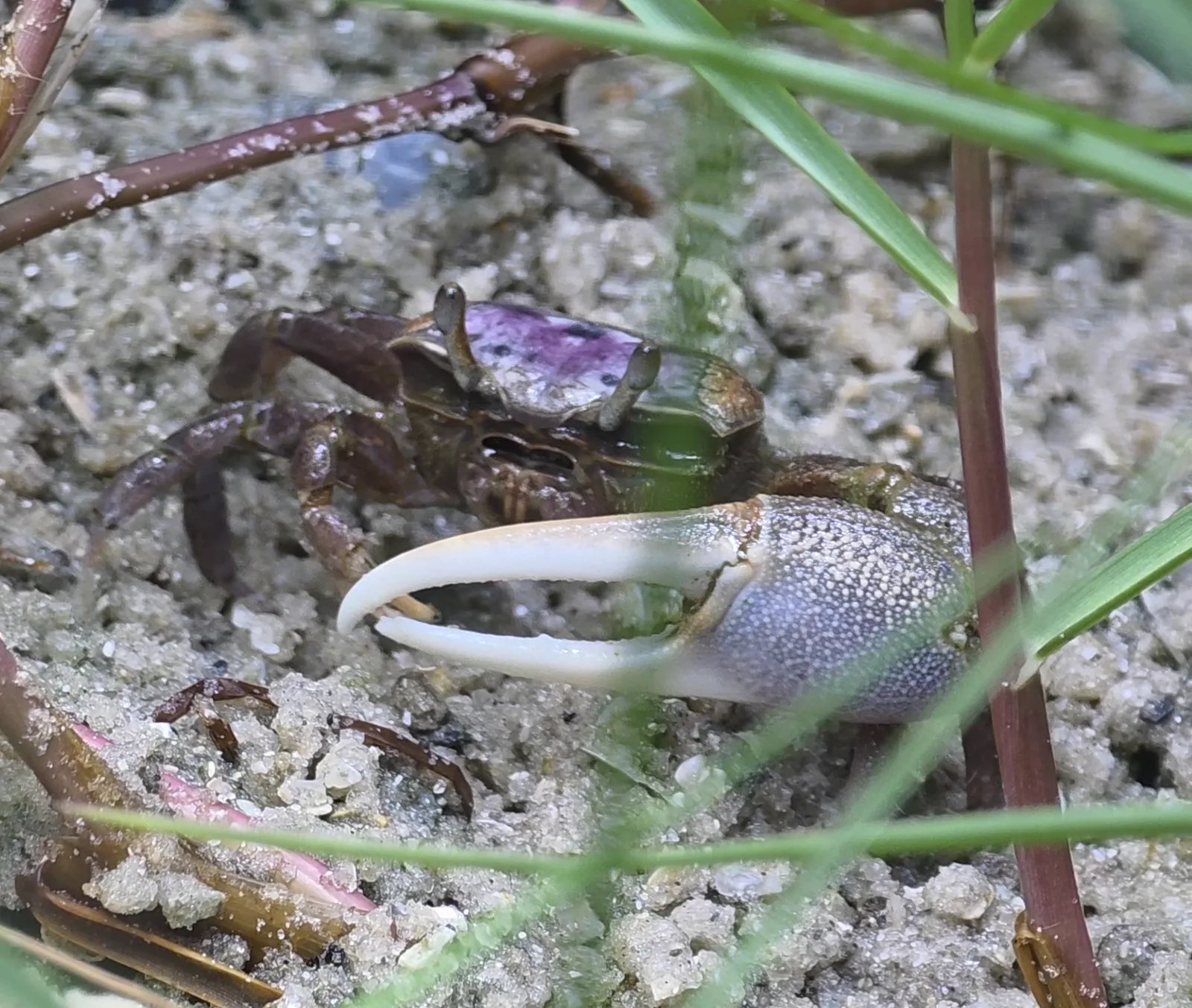
- Red Mangrove (Rhizophora mangle): occupies the outermost, most water-adjacent zone; recognizable by arching prop roots that elevate the trunk above the water and sediment; drops pre-germinated propagules directly into the water; provides the most complex root habitat; primary perch and food source for the Mangrove Tree Crab
- Black Mangrove (Avicennia germinans): occupies the mid-intertidal zone; produces pencil-like pneumatophores (vertical breathing roots) projecting upward from the sediment surface; highly salt-tolerant; leaves often coated in salt crystals excreted through leaf pores
- White Mangrove (Laguncularia racemosa): occupies the highest, most landward zone; least salt-tolerant of the three; lacks visible prop roots or pneumatophores; tends to grow at the upper edge of the mangrove community
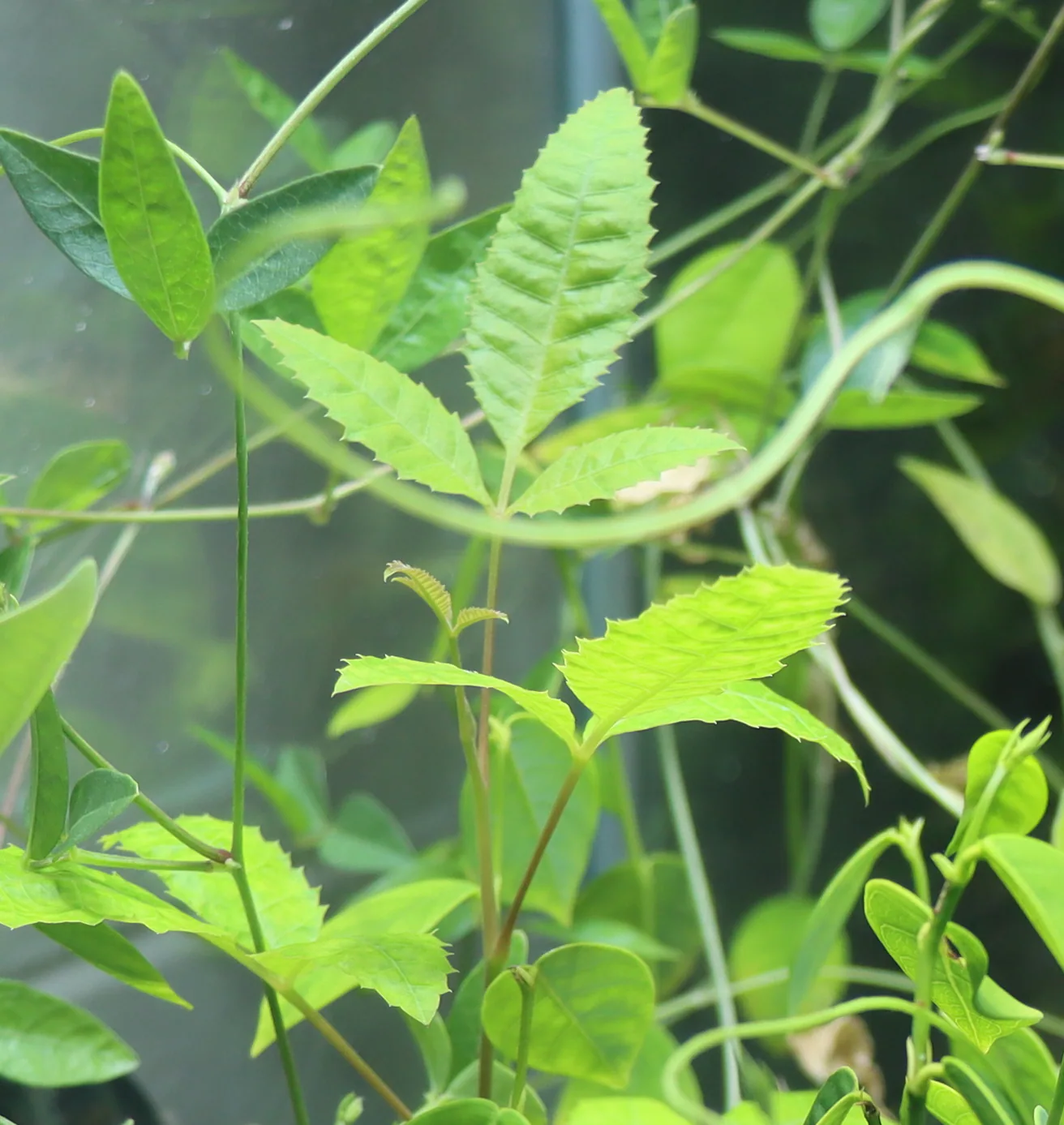
Florida mangroves are protected under state law and are important for coastal erosion control, hurricane buffering, carbon sequestration, and juvenile marine species habitat. Their coexistence with salt-tolerant invasive plants: particularly Brazilian Pepper (Schinus terebinthifolia), which is present in miniBIOTA's Mangrove Forest: is an active management concern across Florida.
Key Ecological Processes
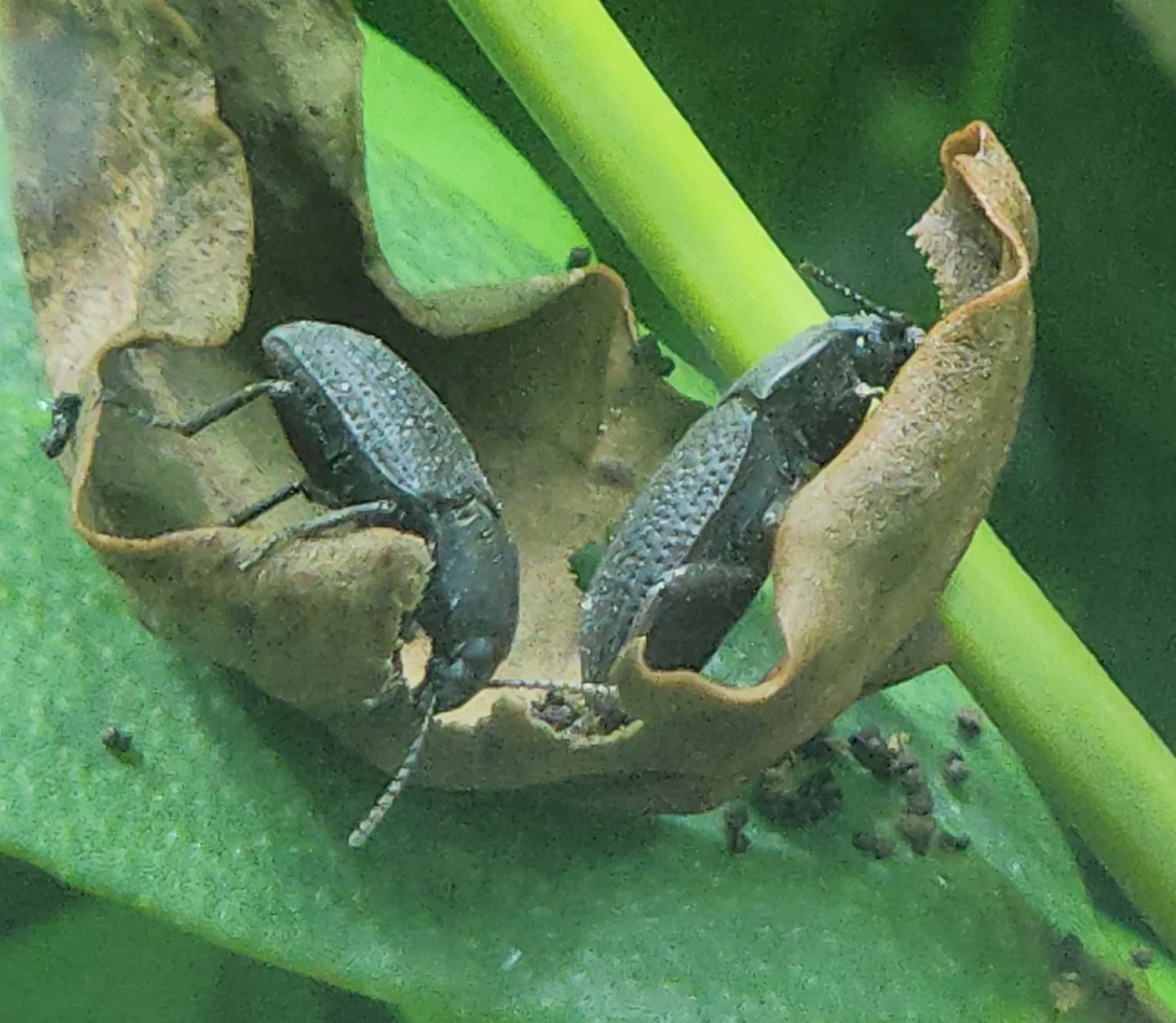
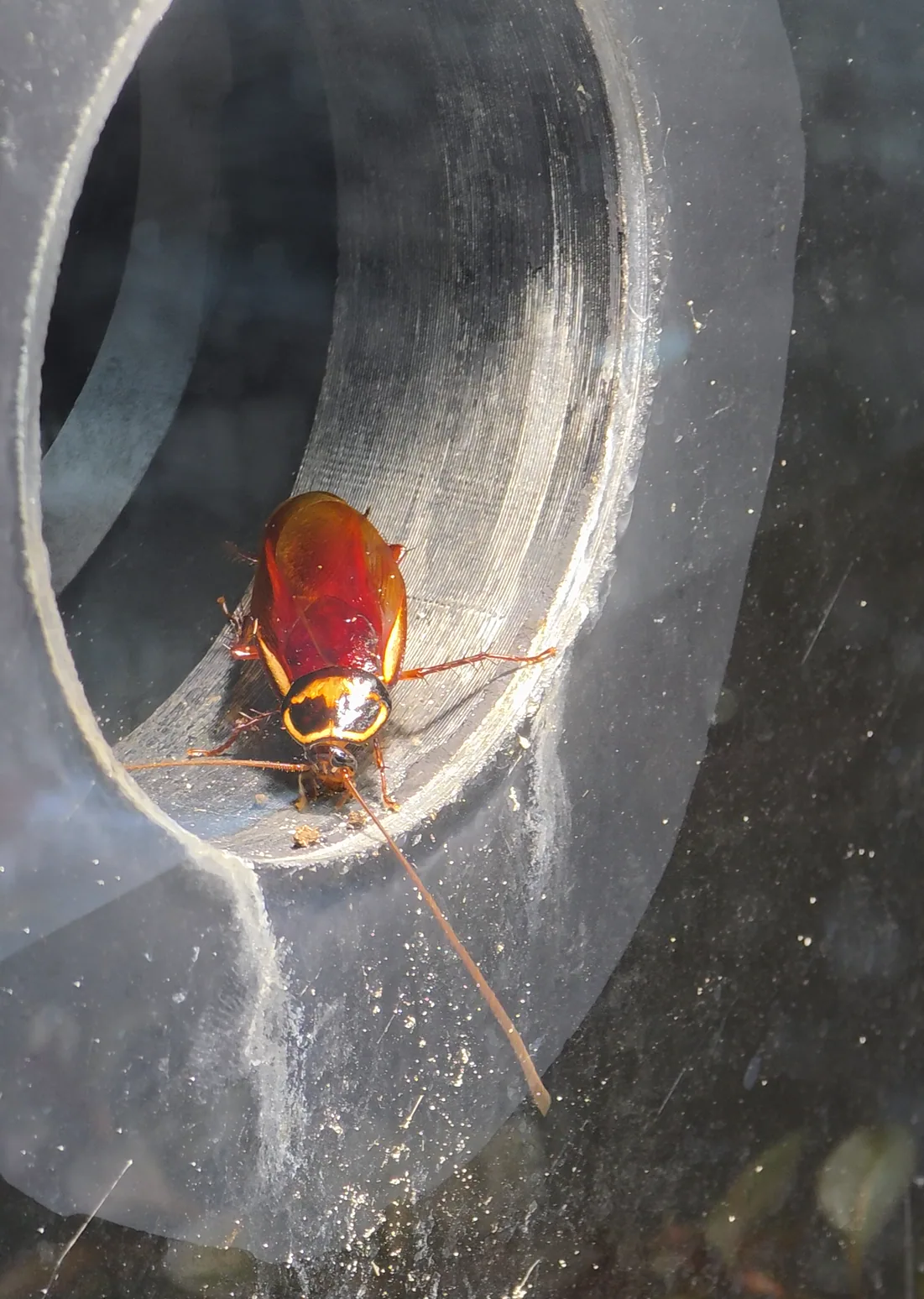
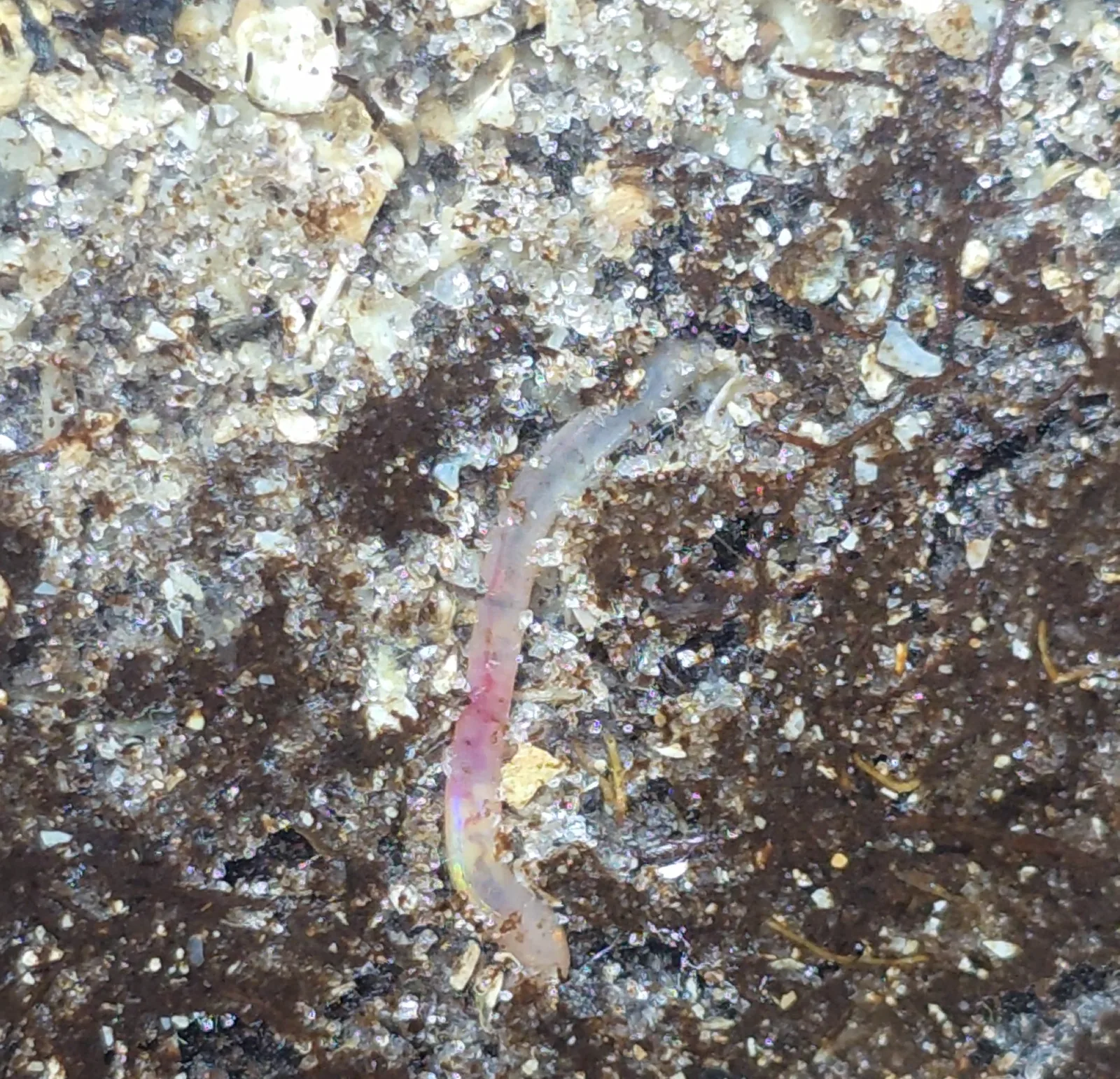
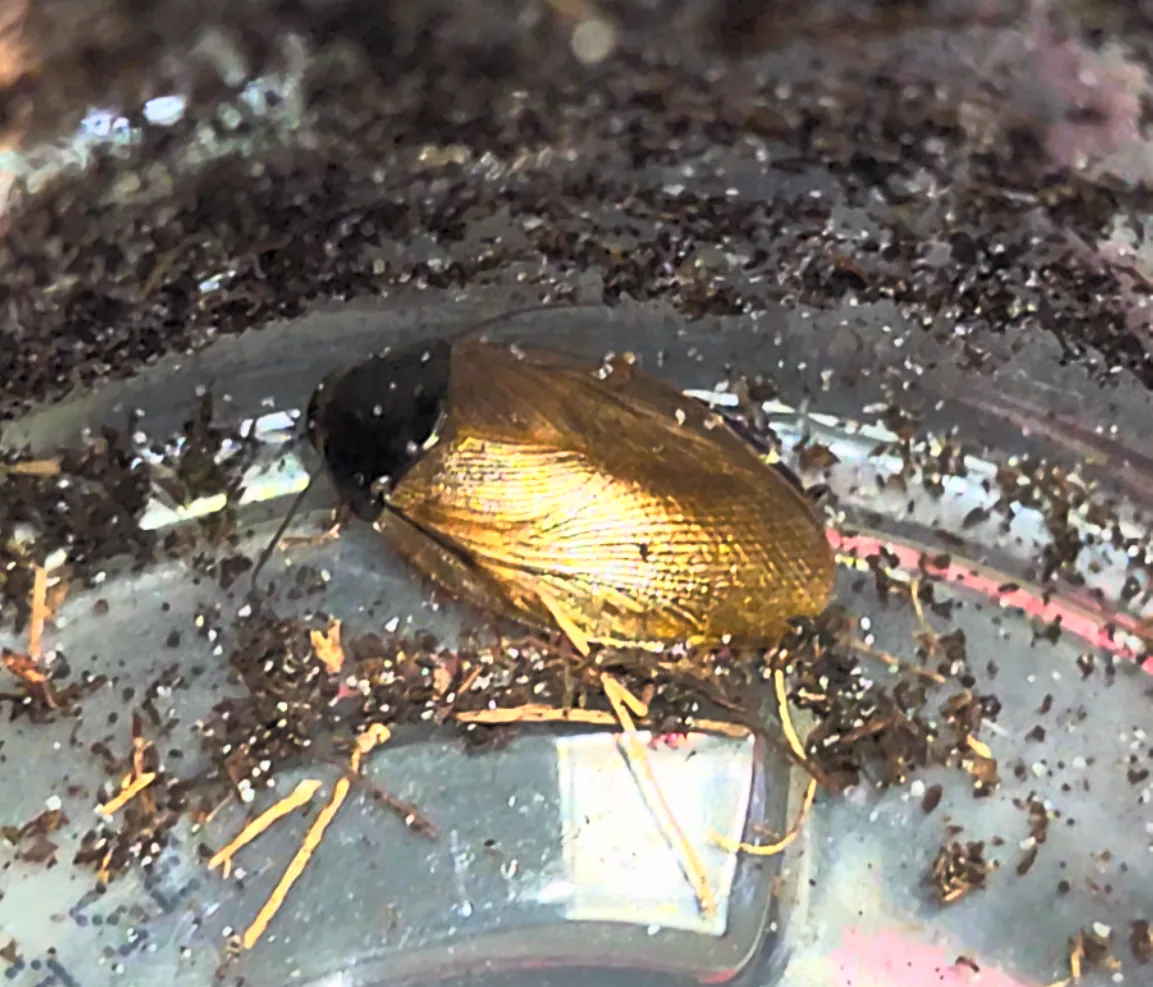
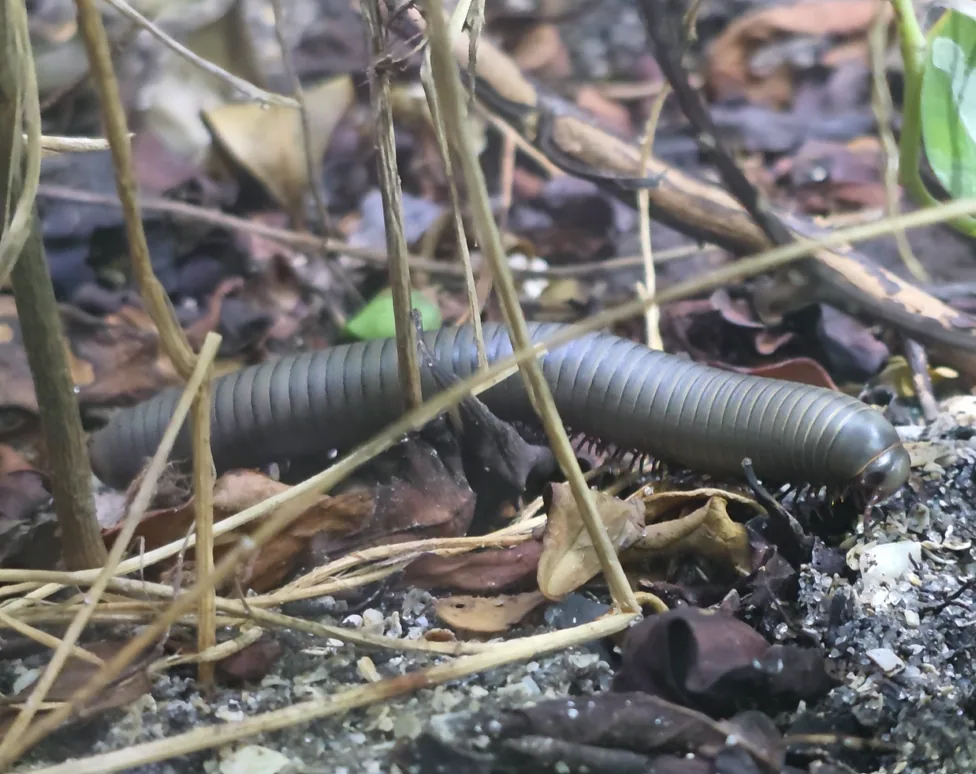
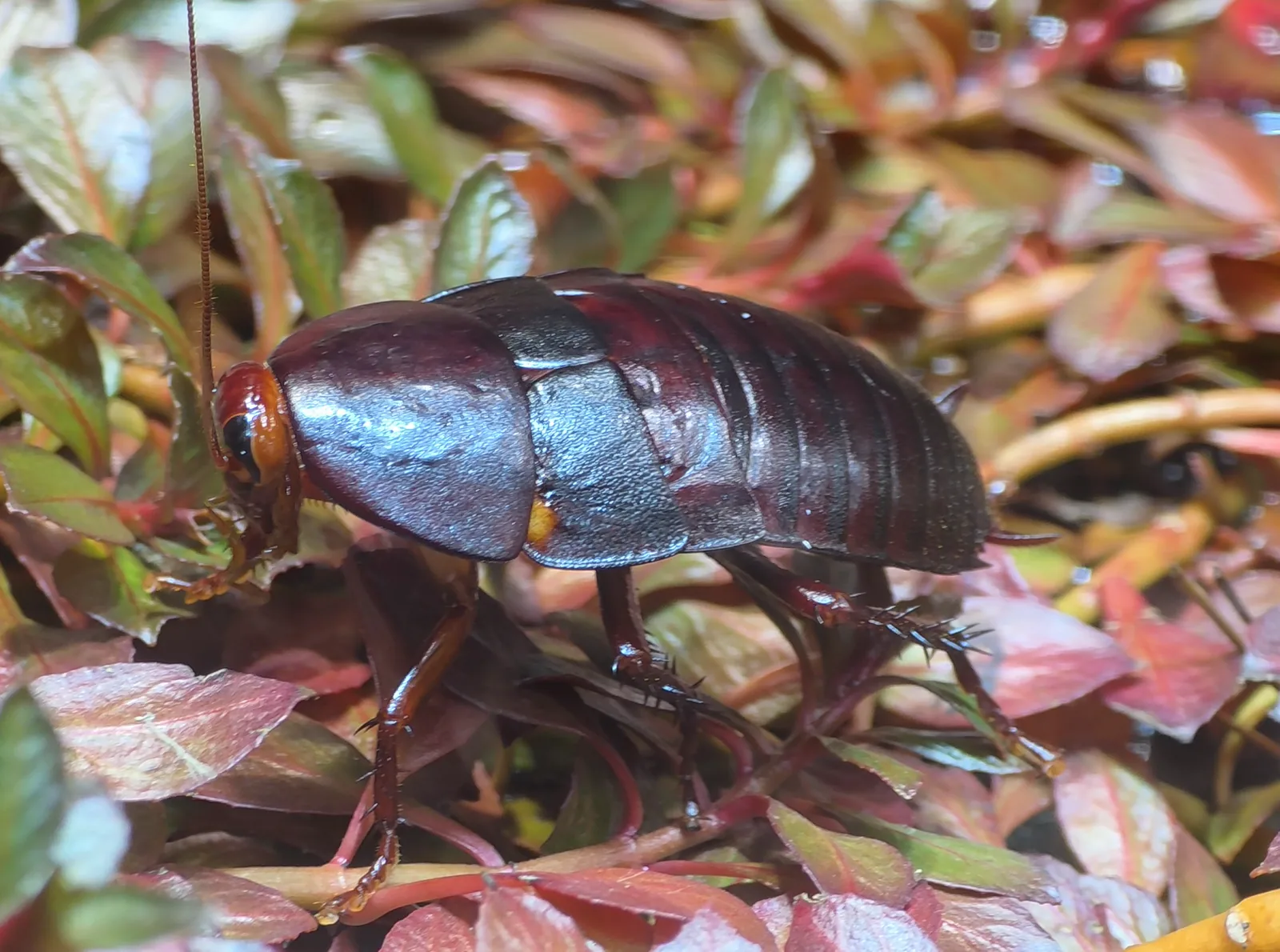
Leaf litter production and detrital pathway: Mangroves produce large volumes of leaf litter: thick, waxy leaves that fall continuously and accumulate on the substrate. This leaf litter is the primary energy input for the Mangrove Forest food web and a key resource for detritivores. In Florida, mangrove leaf litter production in natural stands is estimated at 4 to 12 metric tons per hectare per year. In miniBIOTA, fallen leaf litter is fed upon by Mangrove Tree Crabs, cockroaches, isopods, and other detritivores.
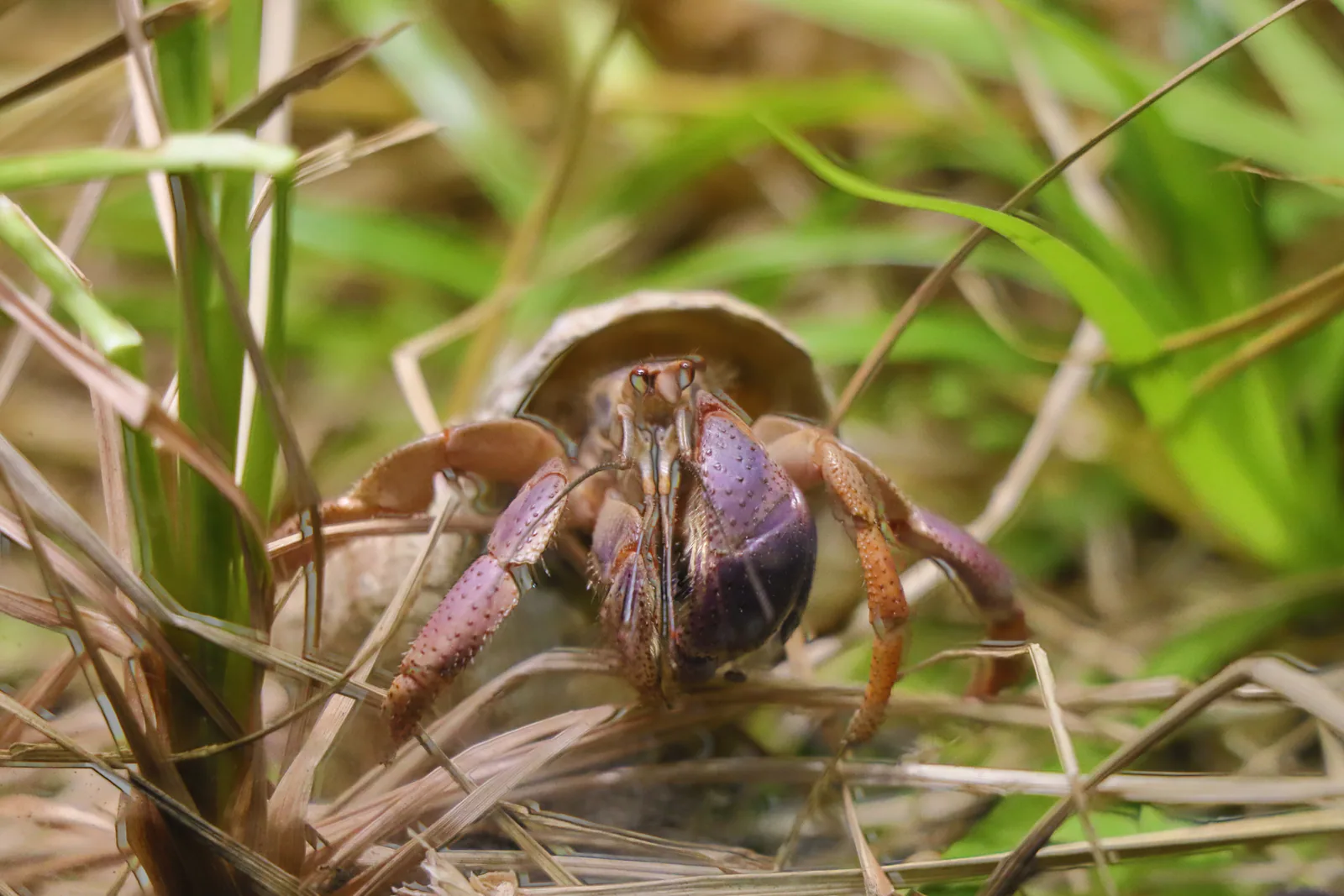
Root structure habitat: Mangrove prop roots (Red Mangrove) and pneumatophores (Black Mangrove) create complex three-dimensional habitat that shelters climbing crabs, resting invertebrates, and small predators. In miniBIOTA, the root and branch structure is actively used by Mangrove Tree Crabs, spiders, and scorpions.
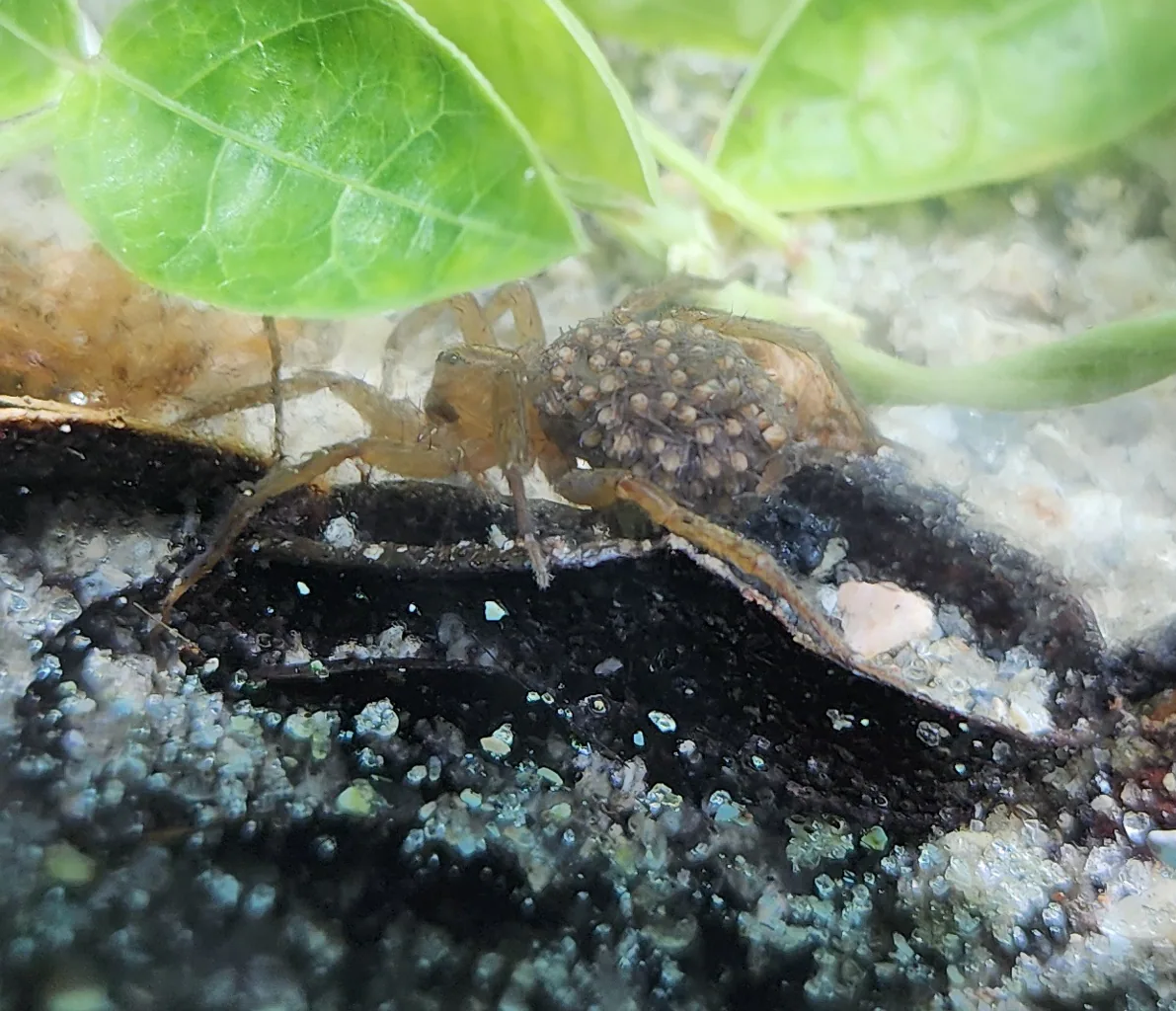
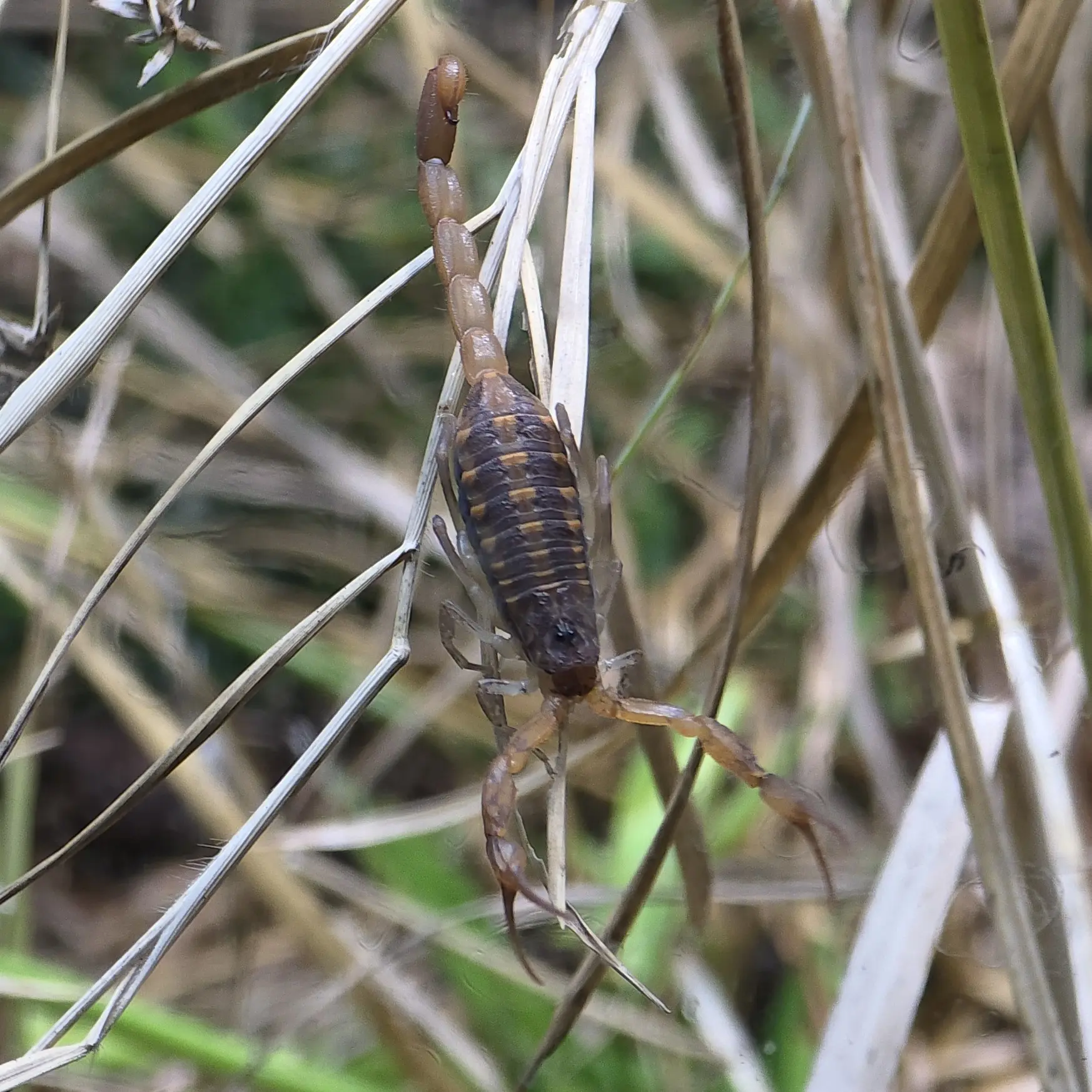
Terrestrial predator web: Unlike the marine biomes, the Mangrove Forest supports a terrestrial predator community: Hentz Striped Scorpion, Red House Spider, wolf spiders, Southern Black Widow, and ants all occupy the forest, preying on cockroaches, isopods, and other detritivores. This web is documented through juvenile and reproduction signals but has not been confirmed as a stable, balanced system.
Soil building: Organic accumulation from leaf litter, root material, and trapped sediment slowly builds the Mangrove Forest floor over time. The shell-rich substrate in miniBIOTA represents early-stage organic accumulation on a quartz and shell base.
Chemical boundary function: In natural settings, mangrove forests create a chemical gradient between freshwater and marine environments. The organic-rich, anaerobic substrate can produce hydrogen sulfide during decomposition, and water movement through the mangrove zone may carry chemical signals into adjacent habitats. In miniBIOTA, water movement from the Mangrove Forest toward the marine side has been noted as a potential H2S risk context; this has not been measured.
Physical Structure
The Mangrove Forest is defined by its vertical layering: a canopy of mangrove leaves and branches, a mid-level zone of roots, stems, and climbing vines, and a substrate of quartz sand mixed with crushed shell and accumulating organic material. The shell-rich substrate is less developed than the peat-rich soils of natural Florida mangrove forests, reflecting the relatively recent establishment of the biome. The forest is positioned between the Marine Shore (below, saltwater-adjacent) and the Prairie and Lakeshore (above and lateral, freshwater-adjacent), giving it a genuine spatial boundary role in the miniBIOTA layout.
Hydrologically, the Mangrove Forest sits on the marine side of the system and is the upper member of the marine-side subsurface hydraulic network (Mangrove Forest, Marine Shore, Seagrass Meadow). It receives direct rain from the atmosphere tank above it, and that rain drains downhill through the Marine Shore toward the Seagrass Meadow, not toward the freshwater Lakeshore and Lake. Within the marine network the lower connections are passive and bidirectional and equalize water level across the three biomes; the normal connected level sits roughly 7 inches below the terrestrial substrate. The Mangrove Forest sits at the same elevation as the Prairie and is joined to it by air and by a normally-dry emergent surface corridor, but is deliberately not joined to it below the substrate. That missing subsurface link is what isolates the marine and freshwater water networks and keeps the marine-side connected water level from propagating into the freshwater side. The Mangrove Forest is a spatial boundary between the two sides, not a hydraulic link.