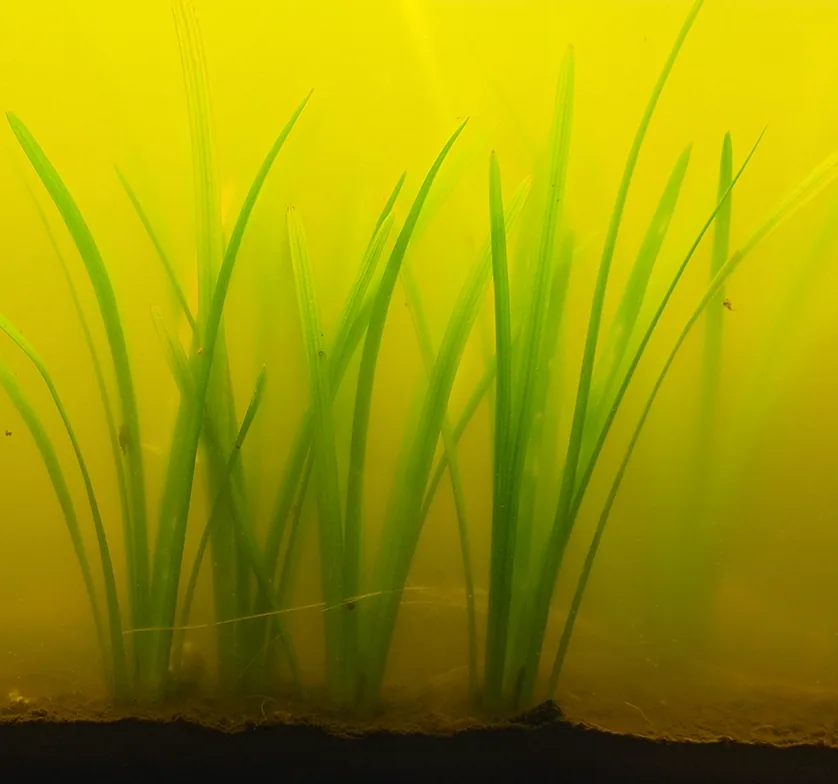
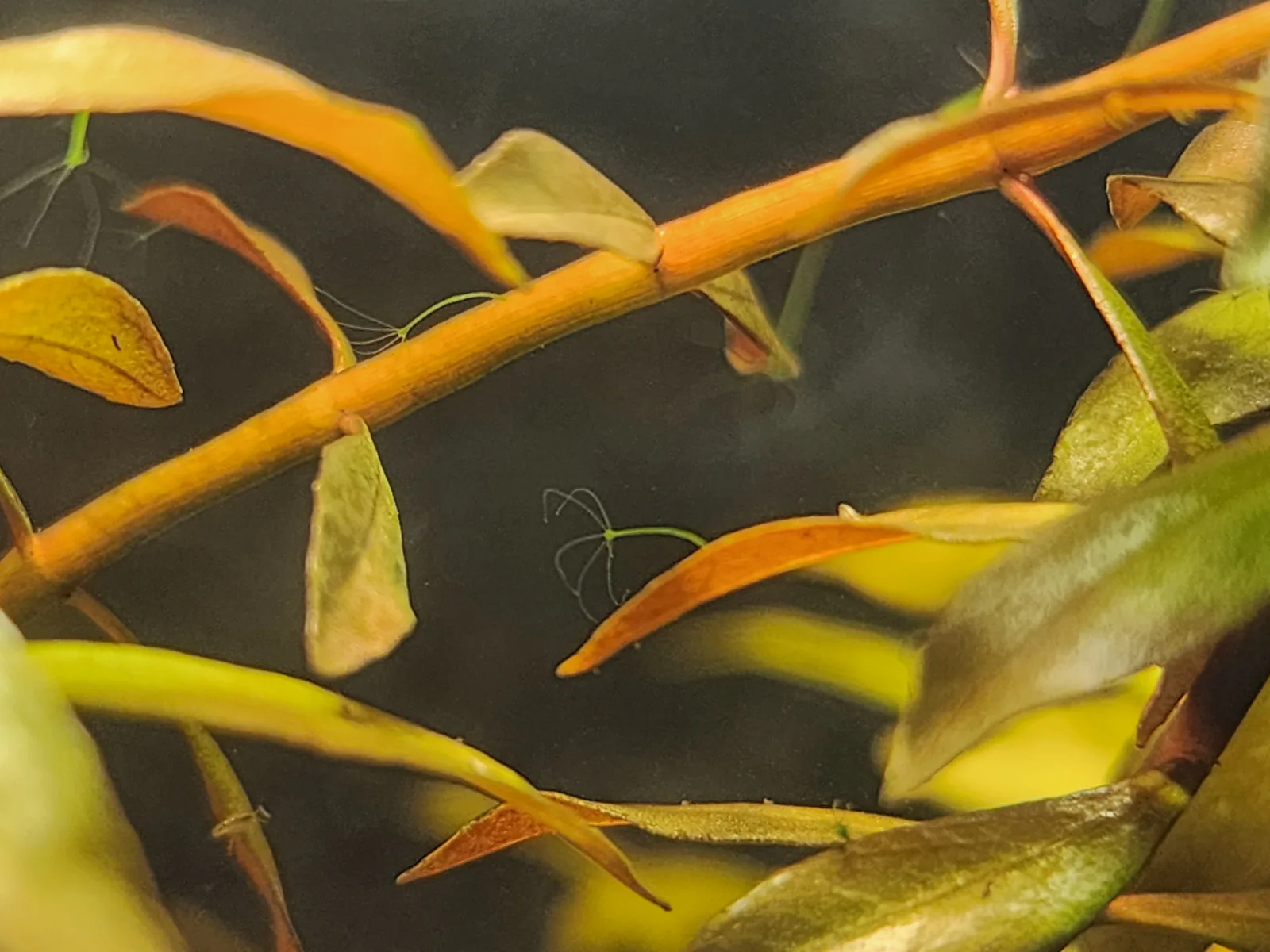
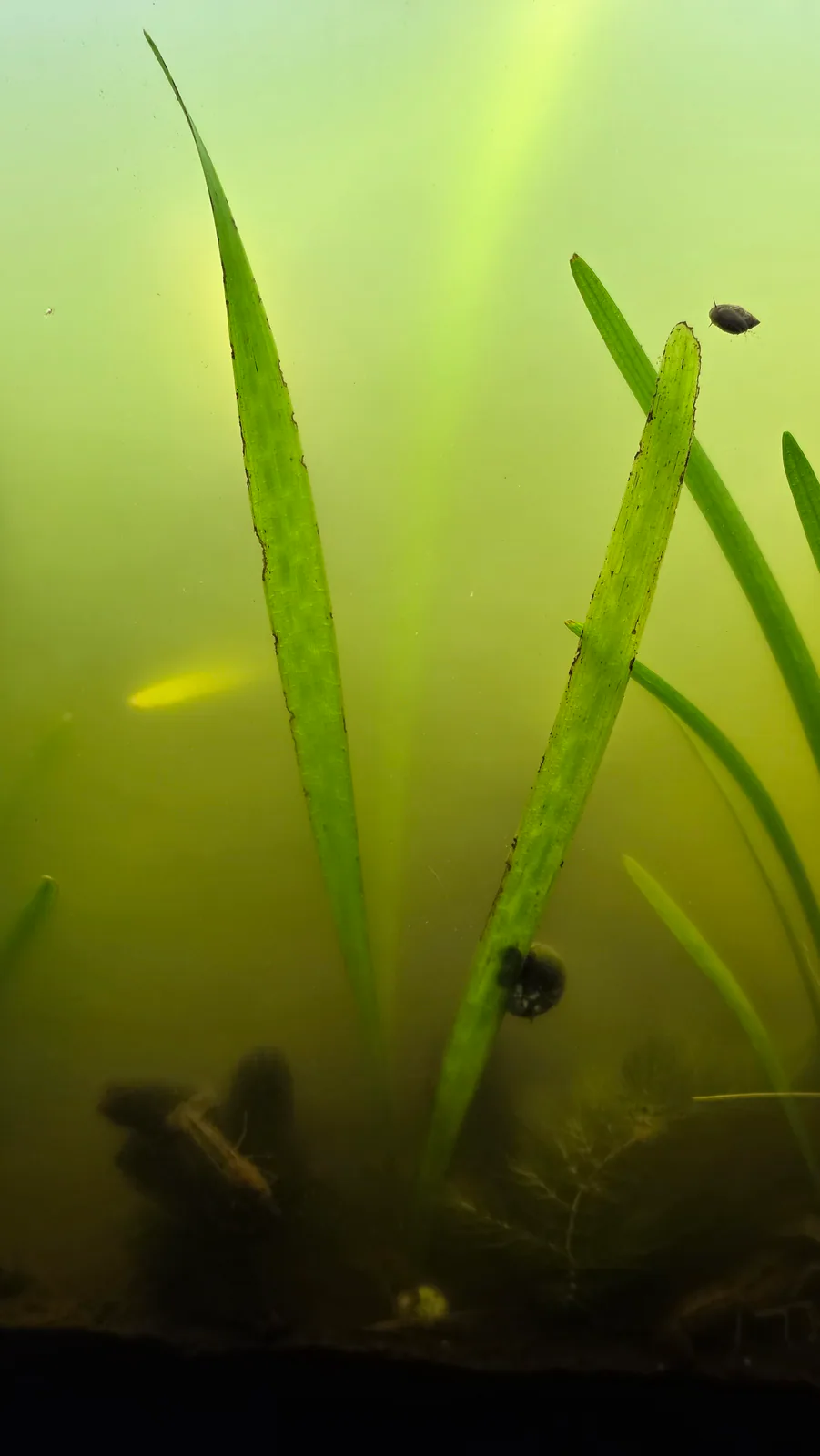
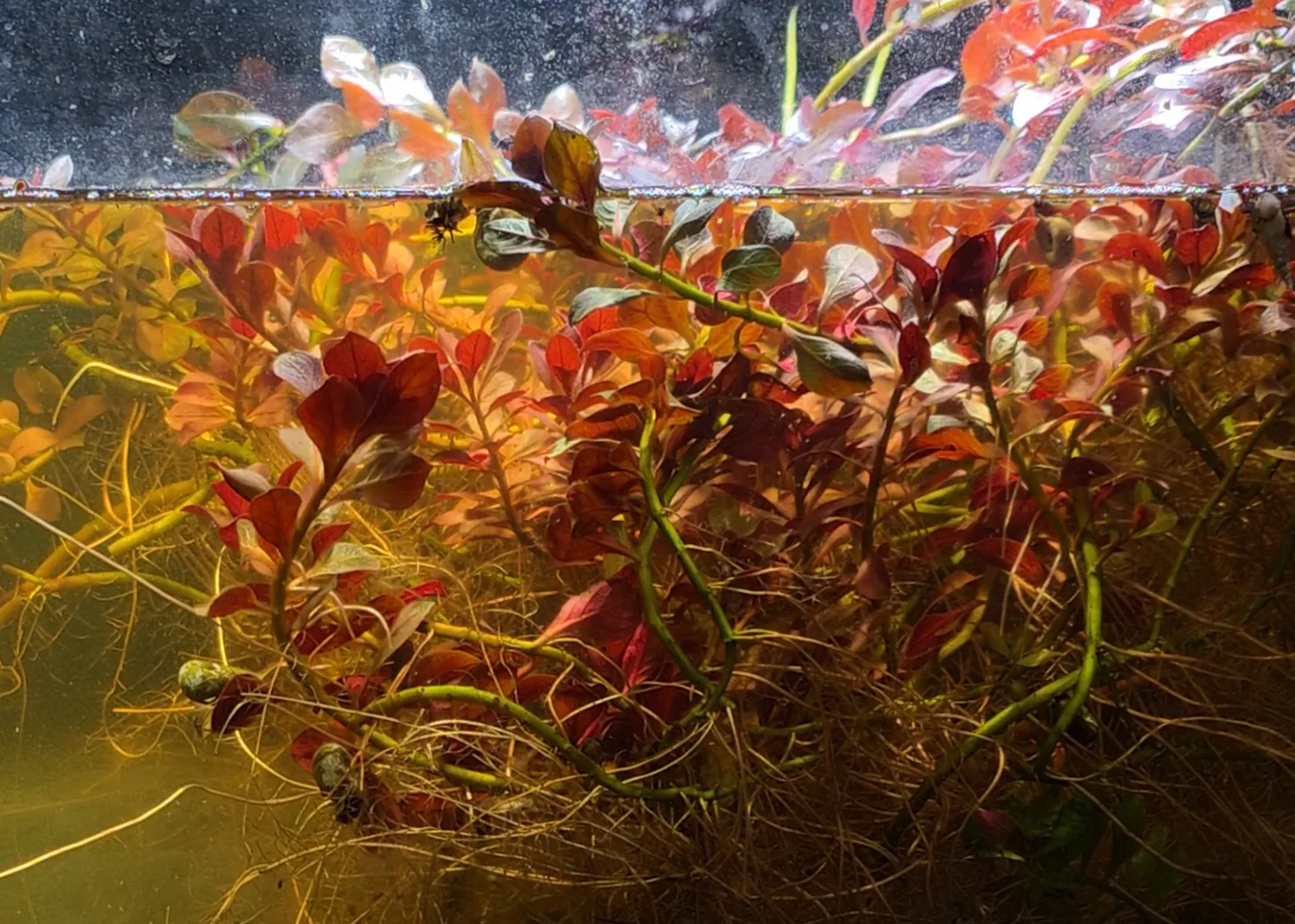
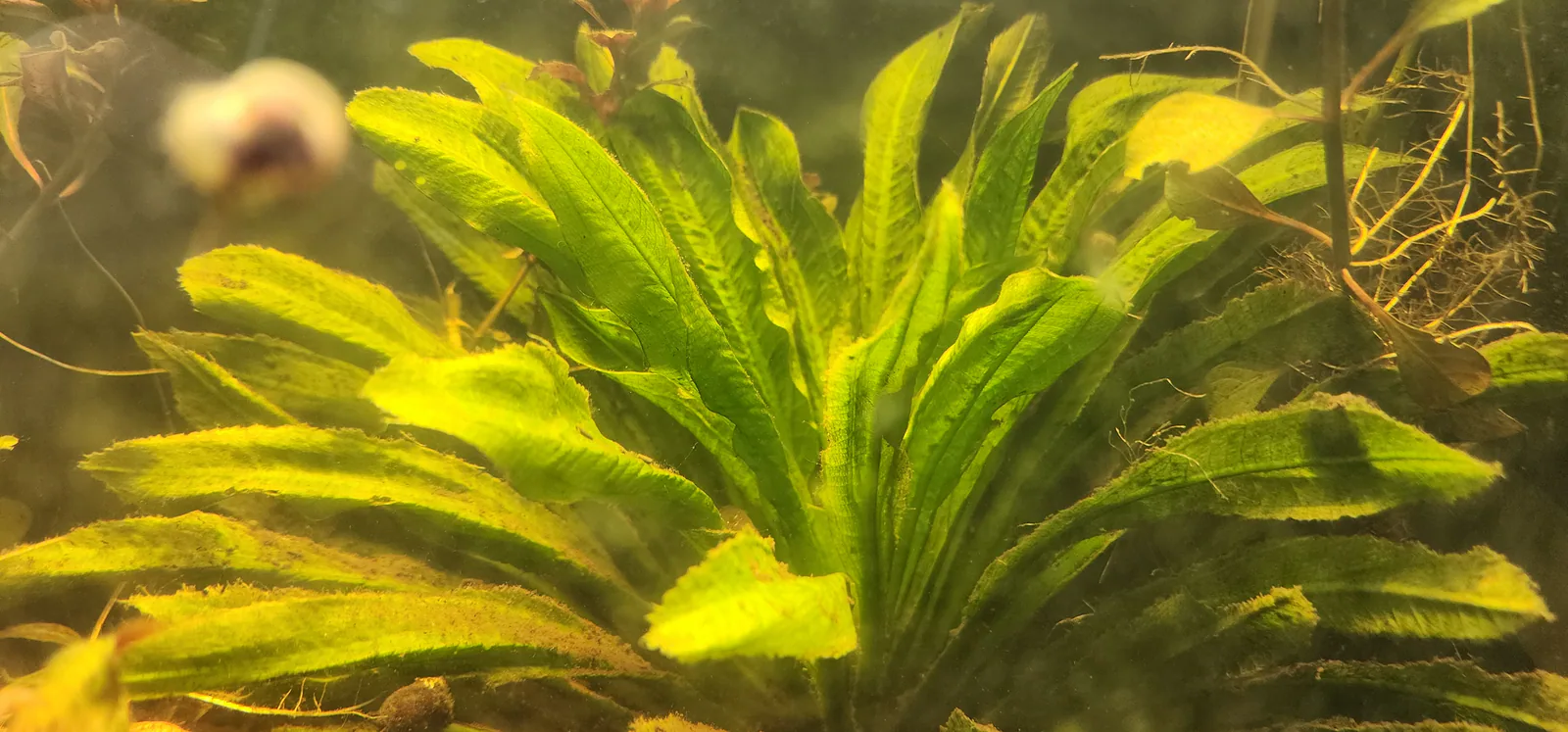
Amazon Sword possible extirpation (new as of June 28, 2026): Twelve detached Amazon Sword leaves were found floating at the Freshwater Lake surface on June 28, 2026. The volume of detached leaves suggests the remaining plant may have collapsed. Water opacity prevented direct inspection of the plant base. If extirpated, Amazon Sword is lost as a structural macrophyte alongside Tapegrass and Sagittaria, reducing the lake's submerged canopy and biofilm-colonized surface area for snails, amphipods, and small invertebrates. Confirmation requires improved water clarity or direct observation of the plant base.
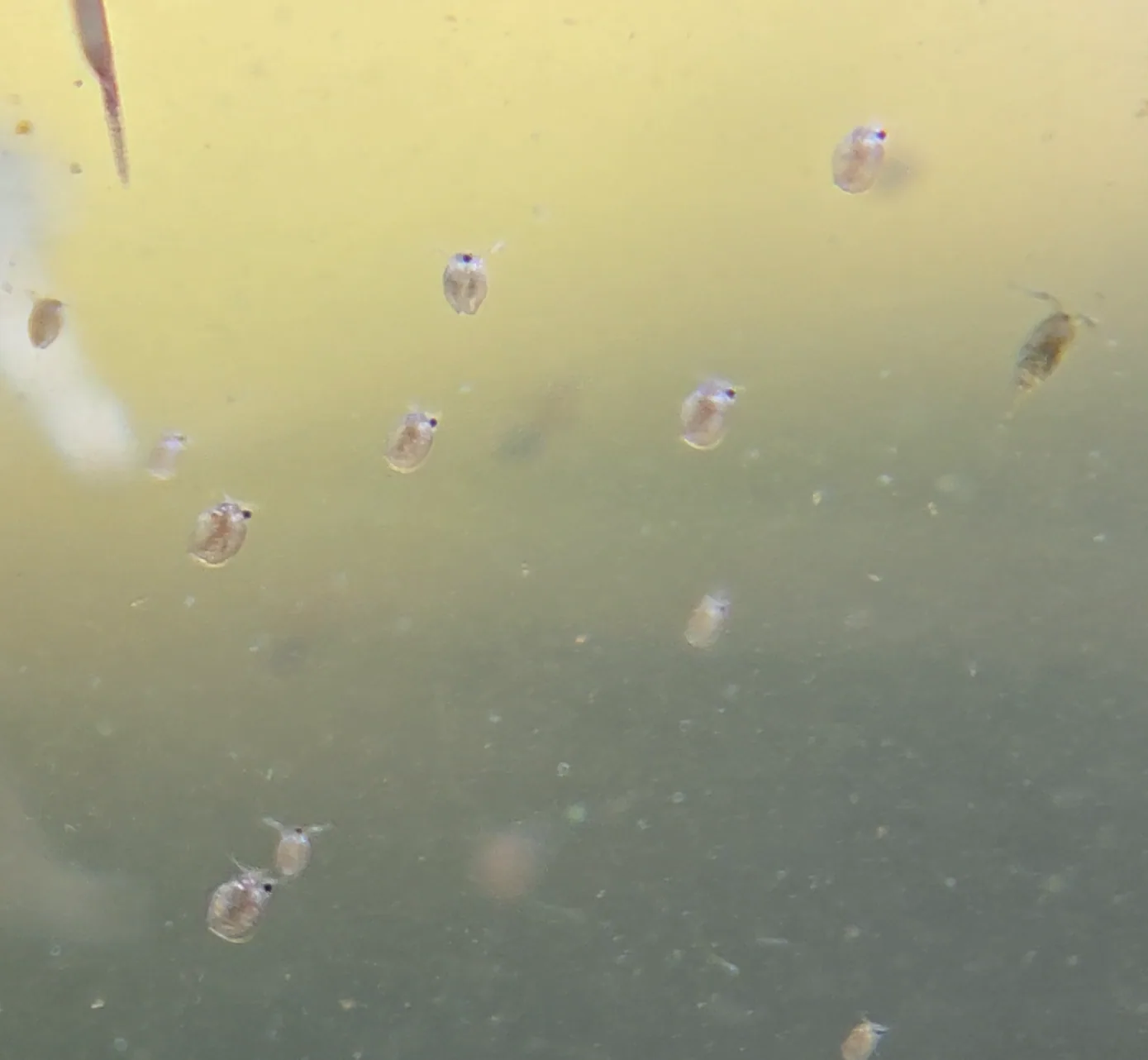
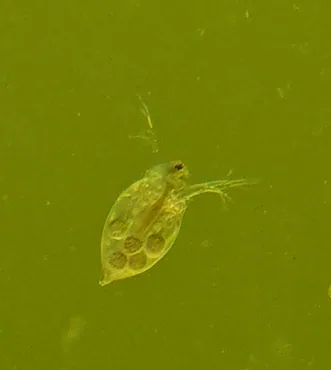
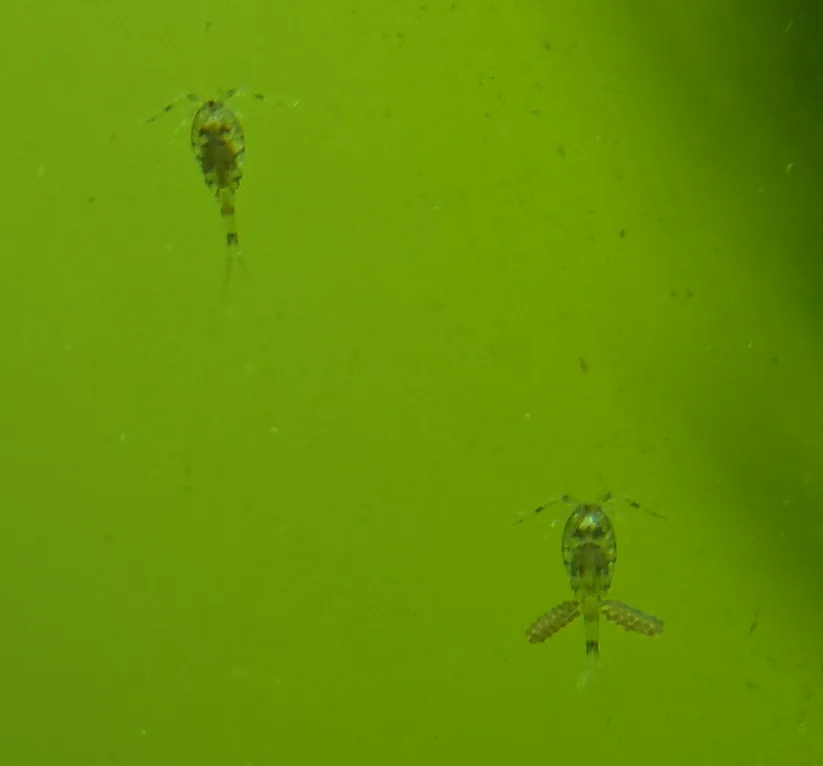
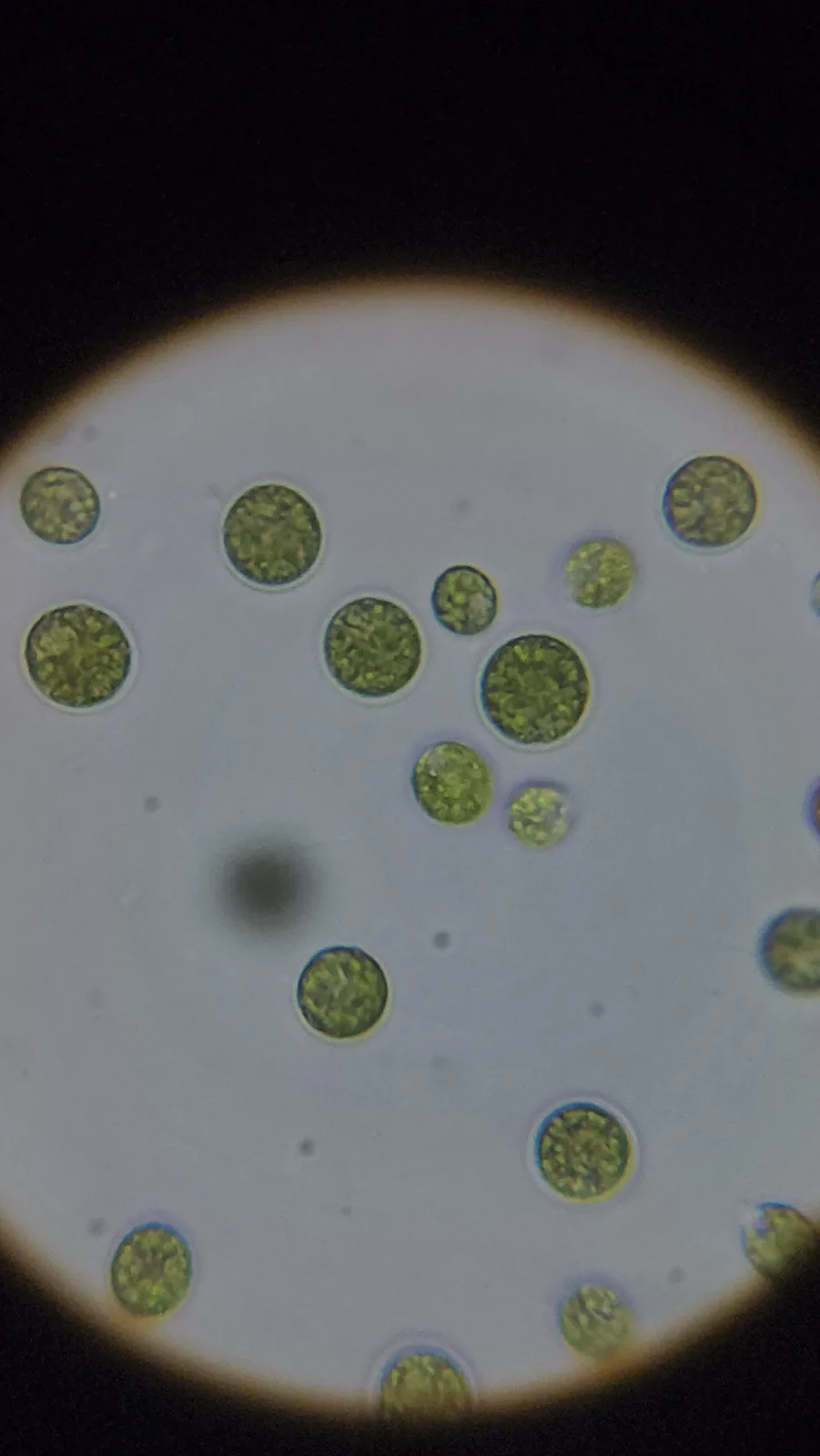
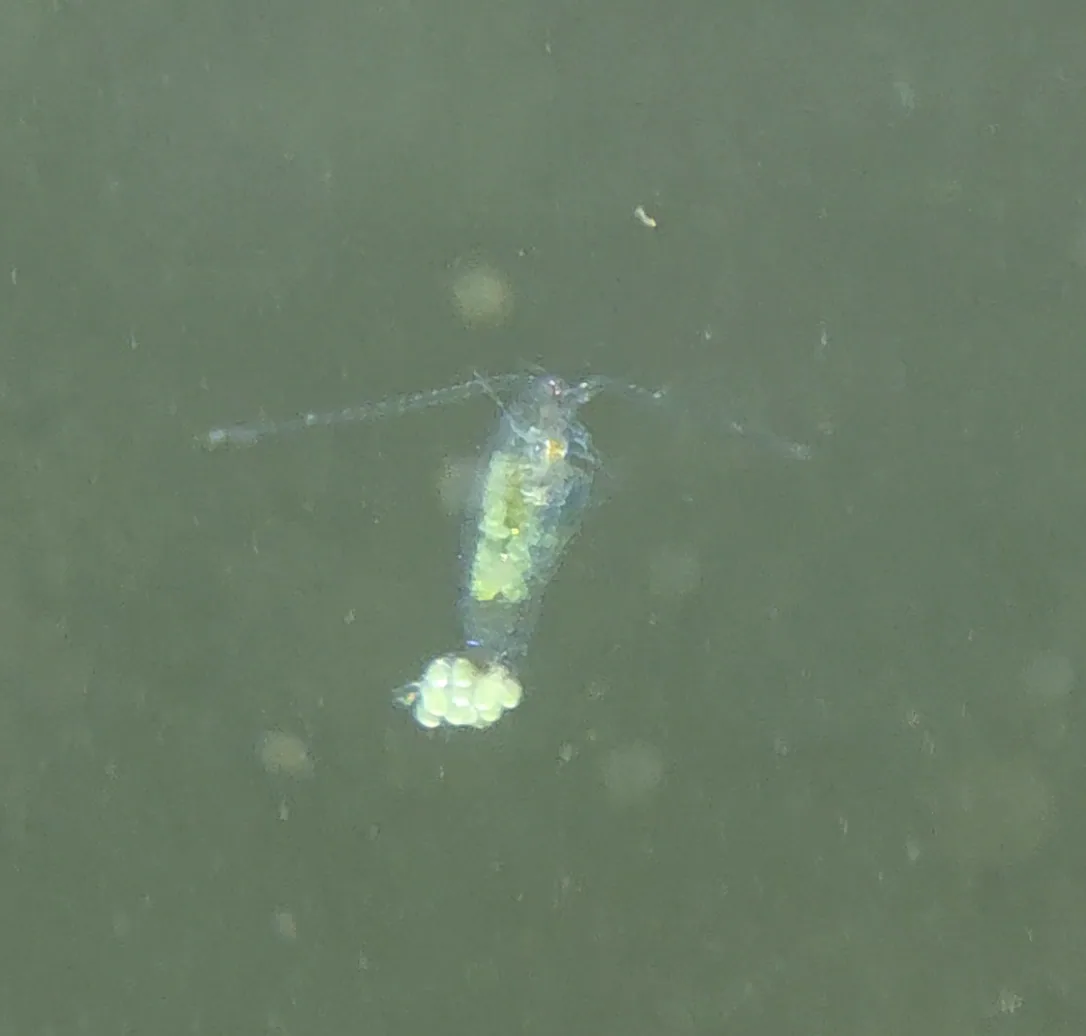
Microcrustacean persistence confirmed; cascade still not clearing algae (updated August 7, 2026): Moina confirmed in dense vegetation as of June 25, 2026, part of a population present in the Freshwater Lake and Lakeshore since approximately September 2025, well before the April 8, 2026 Daphnia sp. introduction. That Daphnia sp. batch is now believed not to have survived past April 13, 2026; the lower-water-column daphniid presence confirmed June 25, 2026 and the ongoing sightings through July 15, 2026 are now understood to most likely reflect Moina and/or Ceriodaphnia dubia rather than the April introduction. Green algae remains abundant and persistent despite the Moina/Ceriodaphnia dubia layer's presence. Elevated water temperature is proposed as the limiting factor, preventing that layer from growing fast enough to keep pace with algae growth rate. A heat exchanger was flagged as the priority intervention; physical preparation is now underway, the rear glass background was fully removed July 10, 2026 to expose the mounting surface, though the exchanger itself is not yet fabricated or installed. What is limiting microcrustacean expansion from a grazing standpoint, whether it is temperature, Mesostoma predation, system capacity, or a combination, remains unresolved.
Mesostoma predation (unresolved risk): Mesostoma are documented microcrustacean predators capable of suppressing Daphnia, Moina, and copepod populations in enclosed freshwater systems. Their presence and activity in miniBIOTA have been noted but not resolved. If Mesostoma are active, they represent a major constraint on microcrustacean recovery regardless of fish removal.
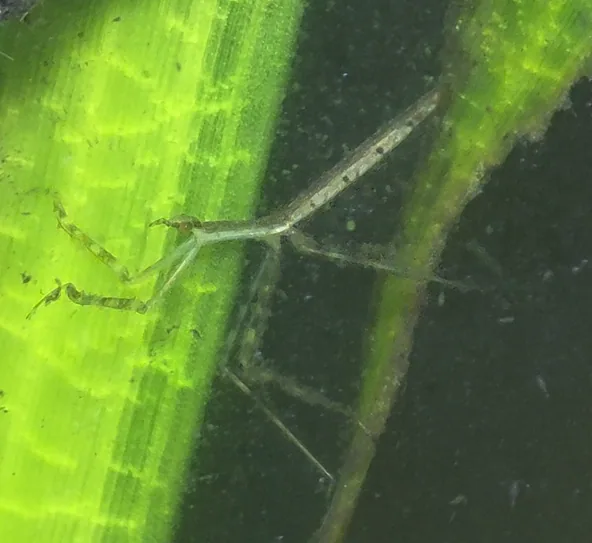
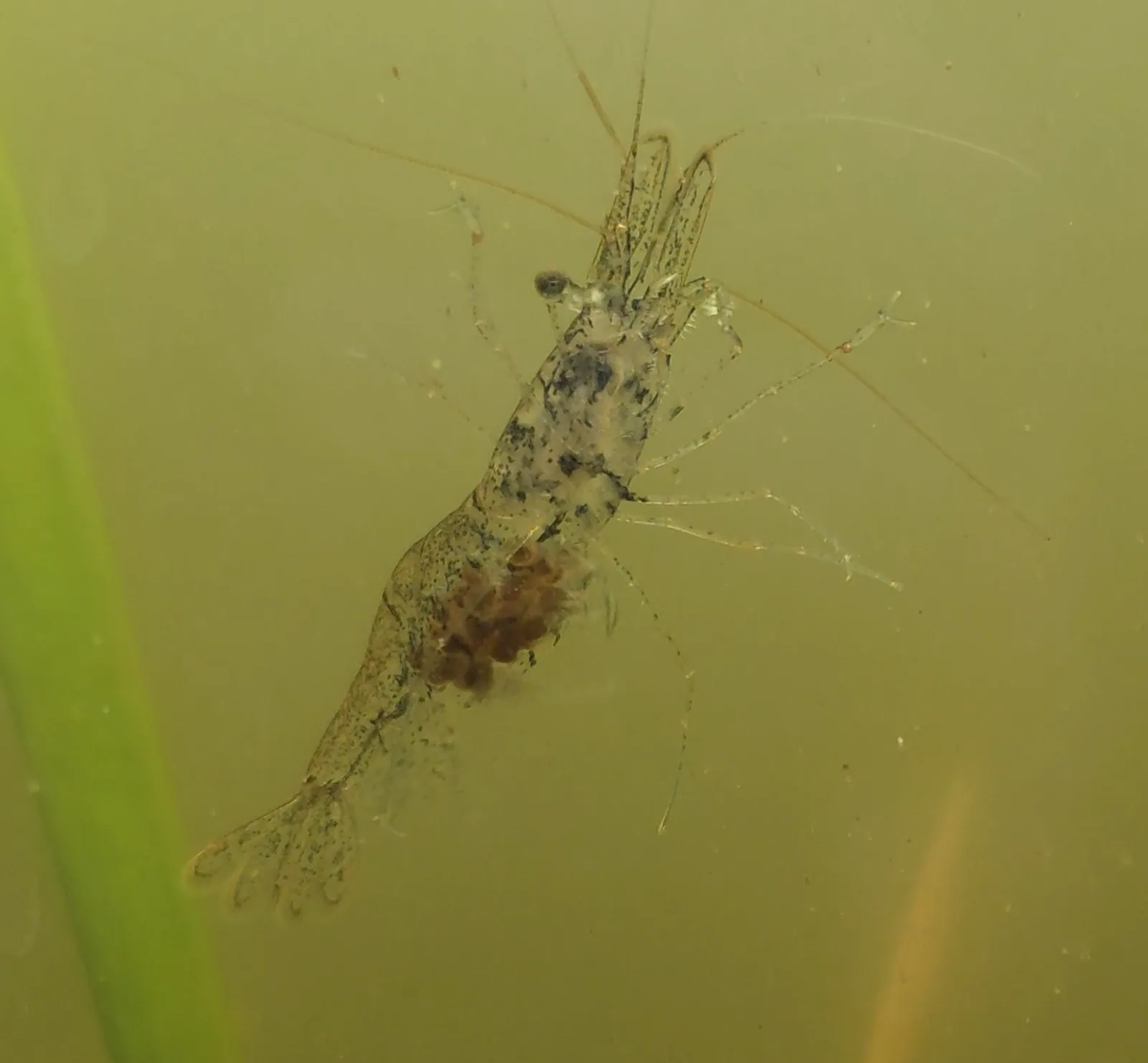
Ghost Shrimp recruitment (unresolved): Ghost Shrimp zoea have been observed but juvenile shrimp recruitment has not been confirmed. Whether the Ghost Shrimp population is self-sustaining or depends on adult introductions remains unresolved.
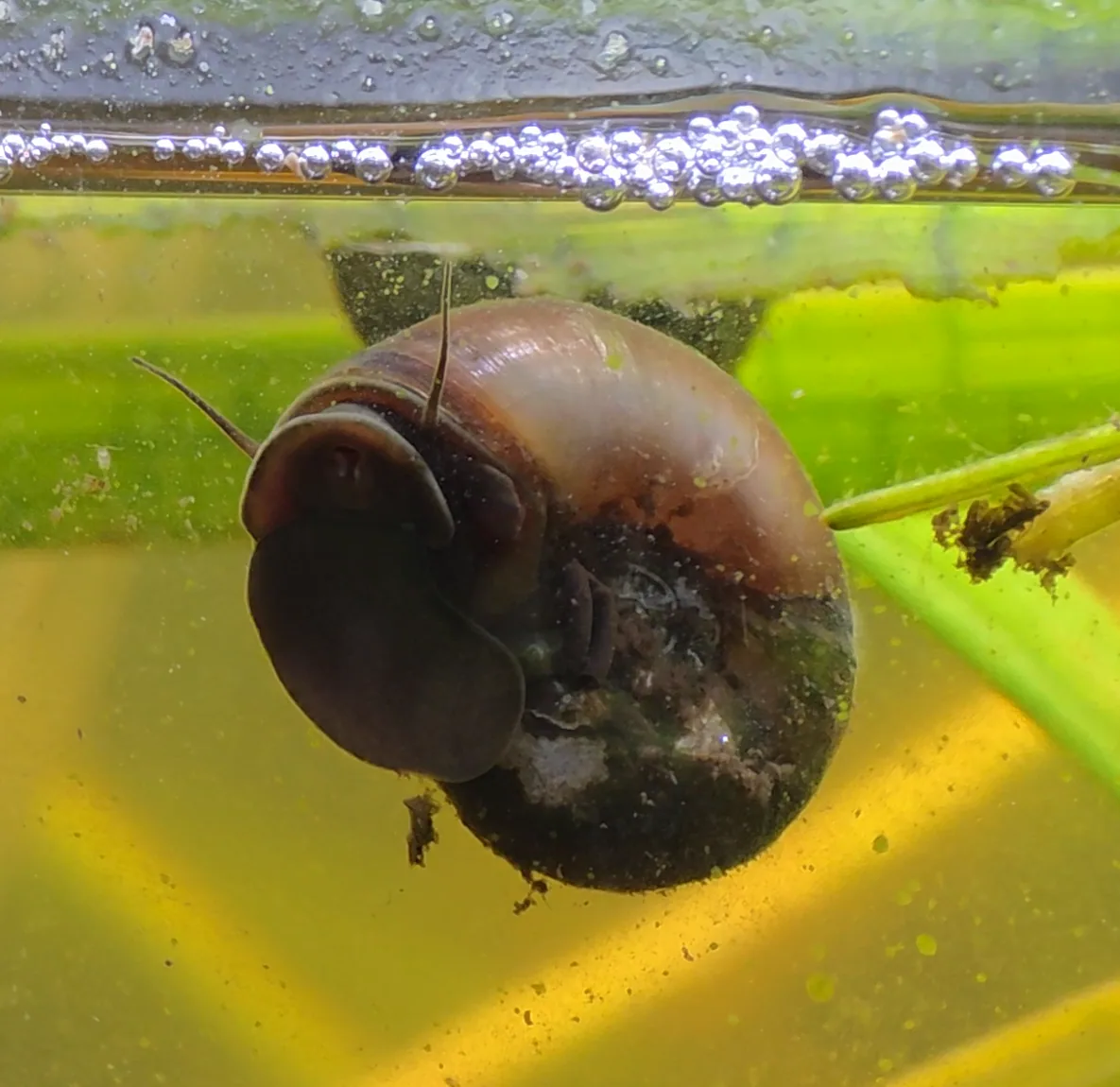
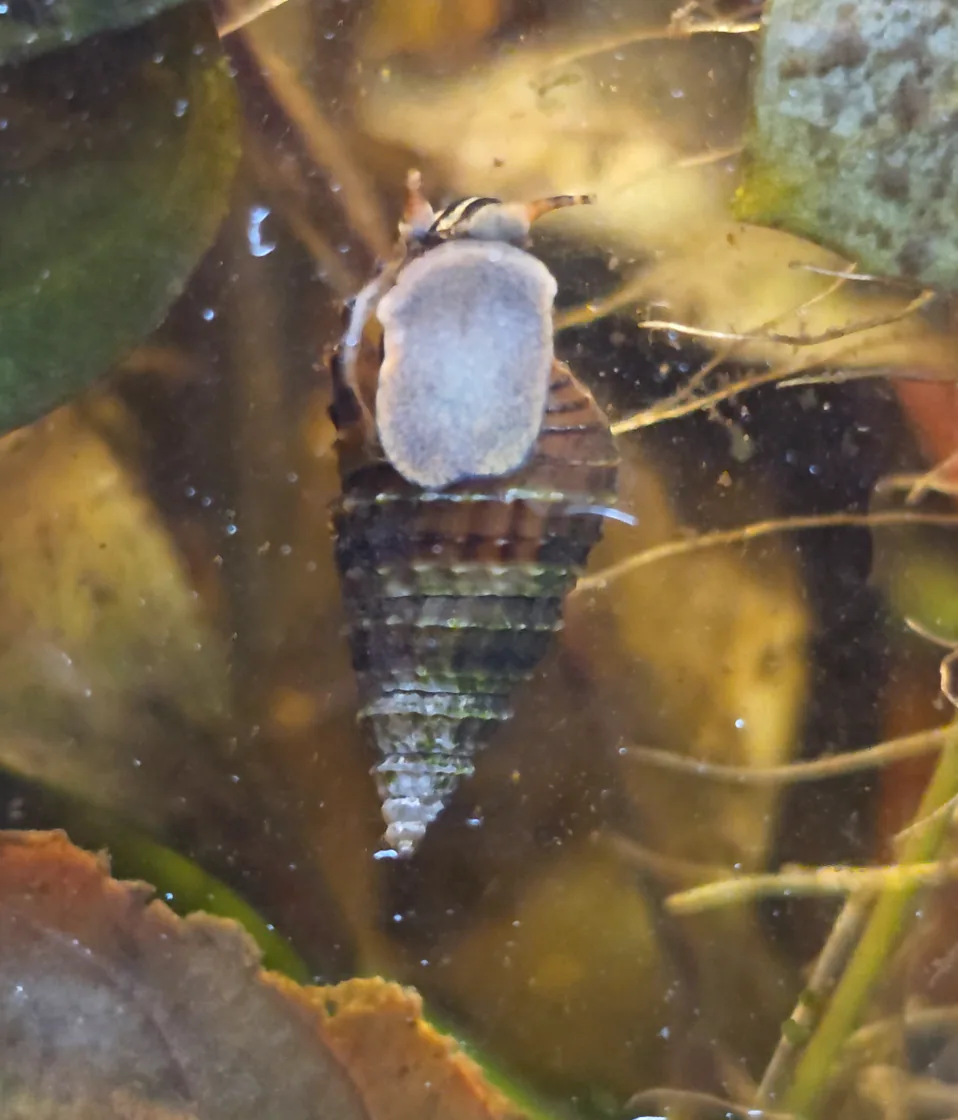
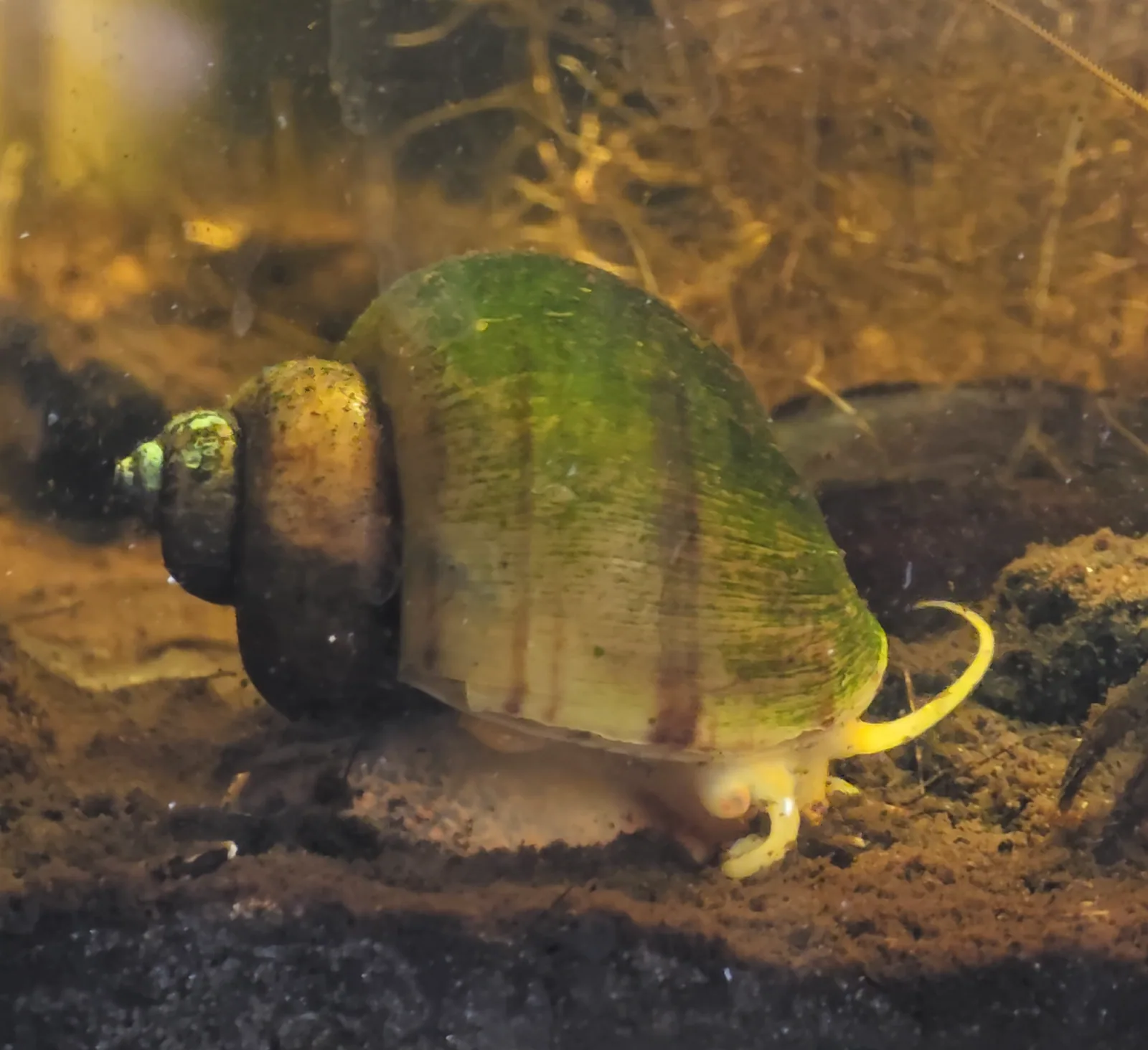
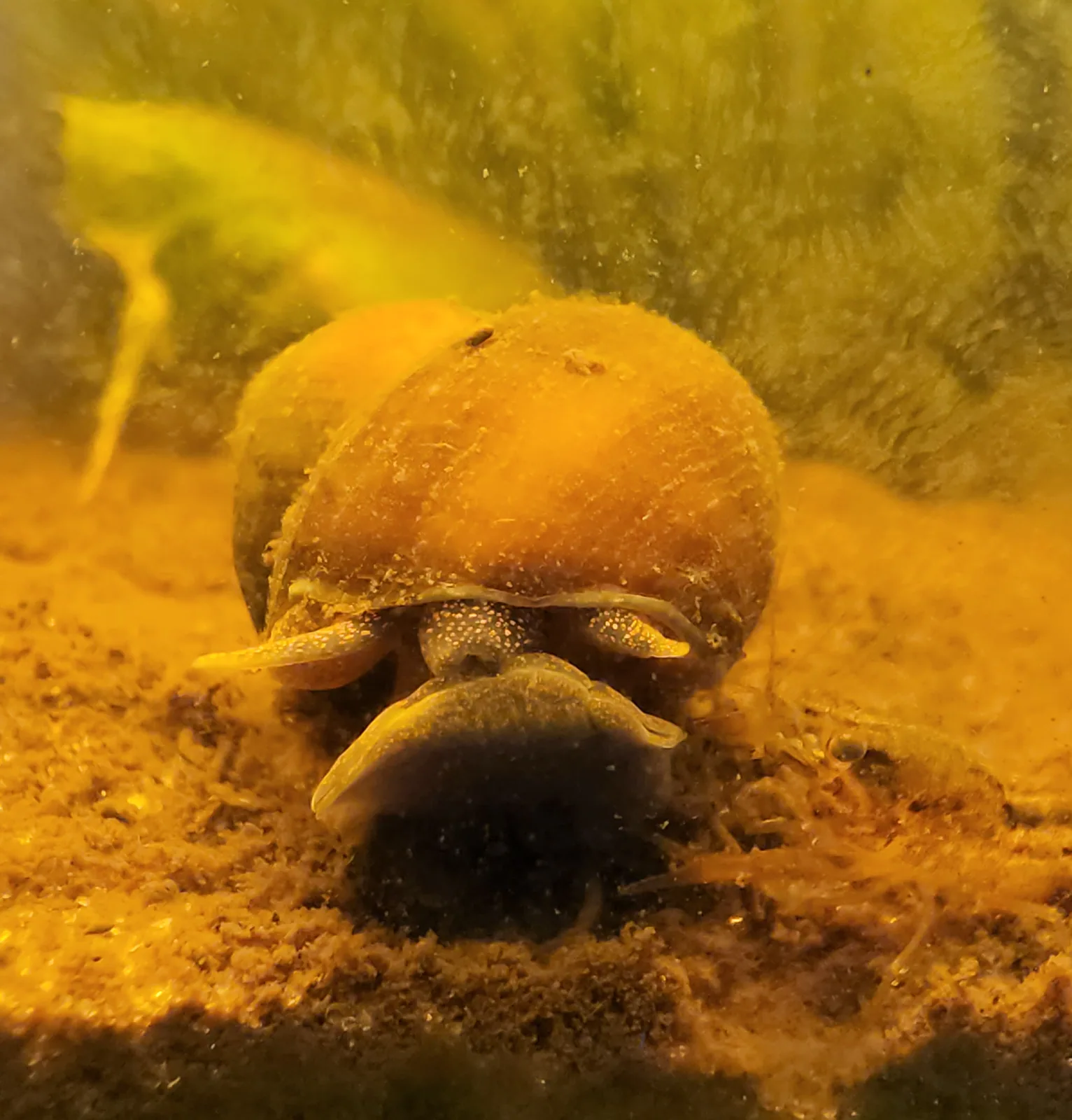
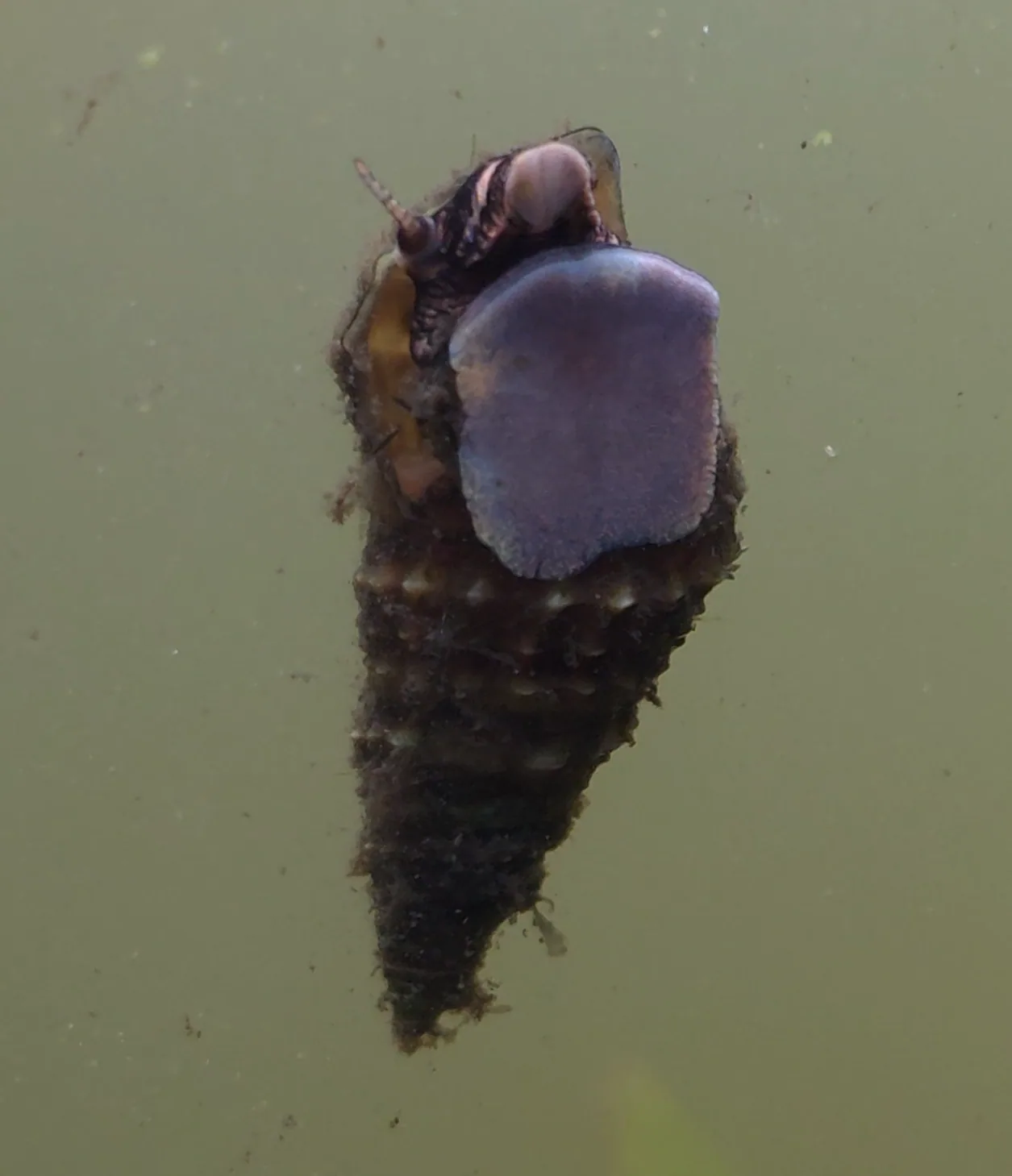
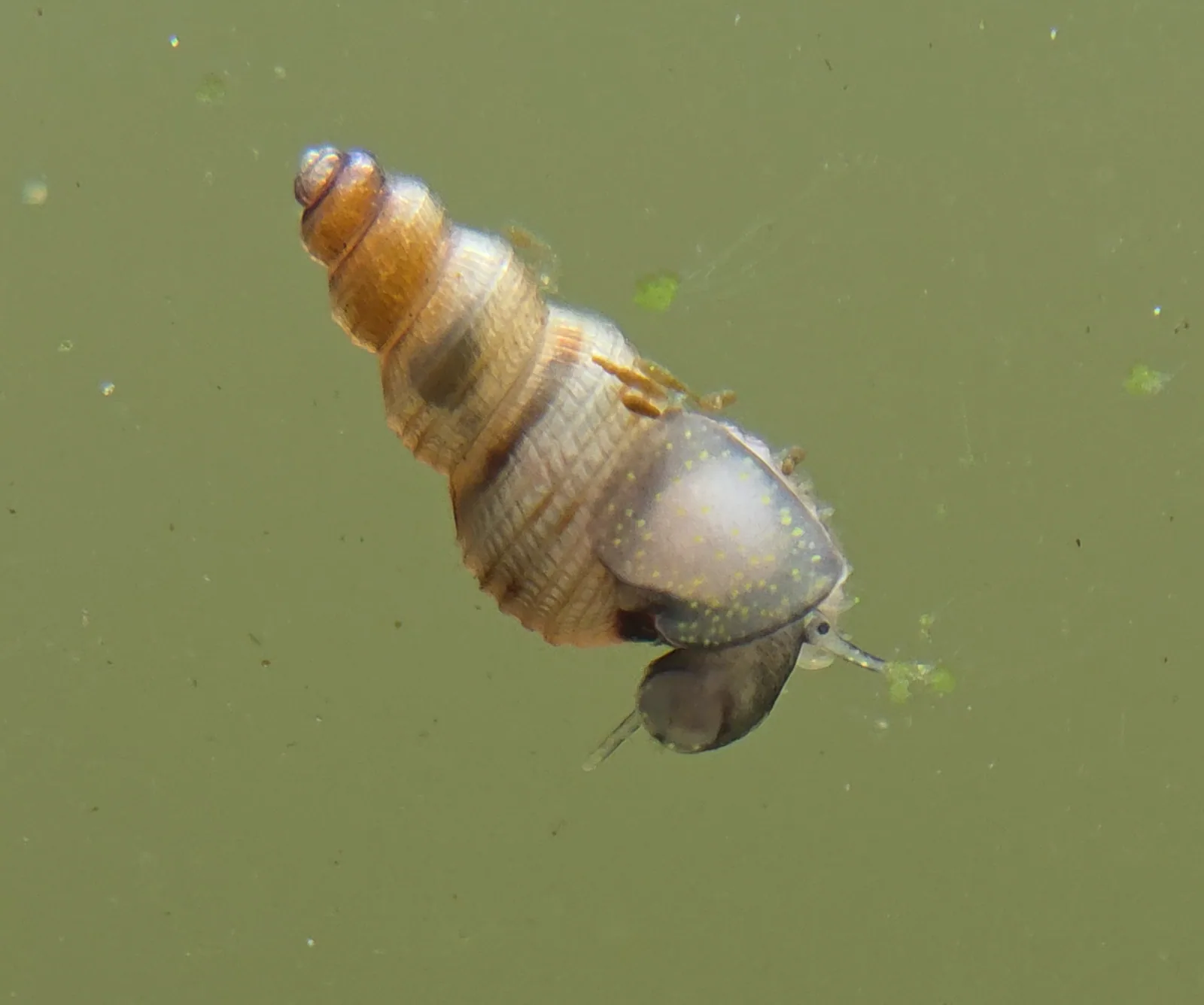
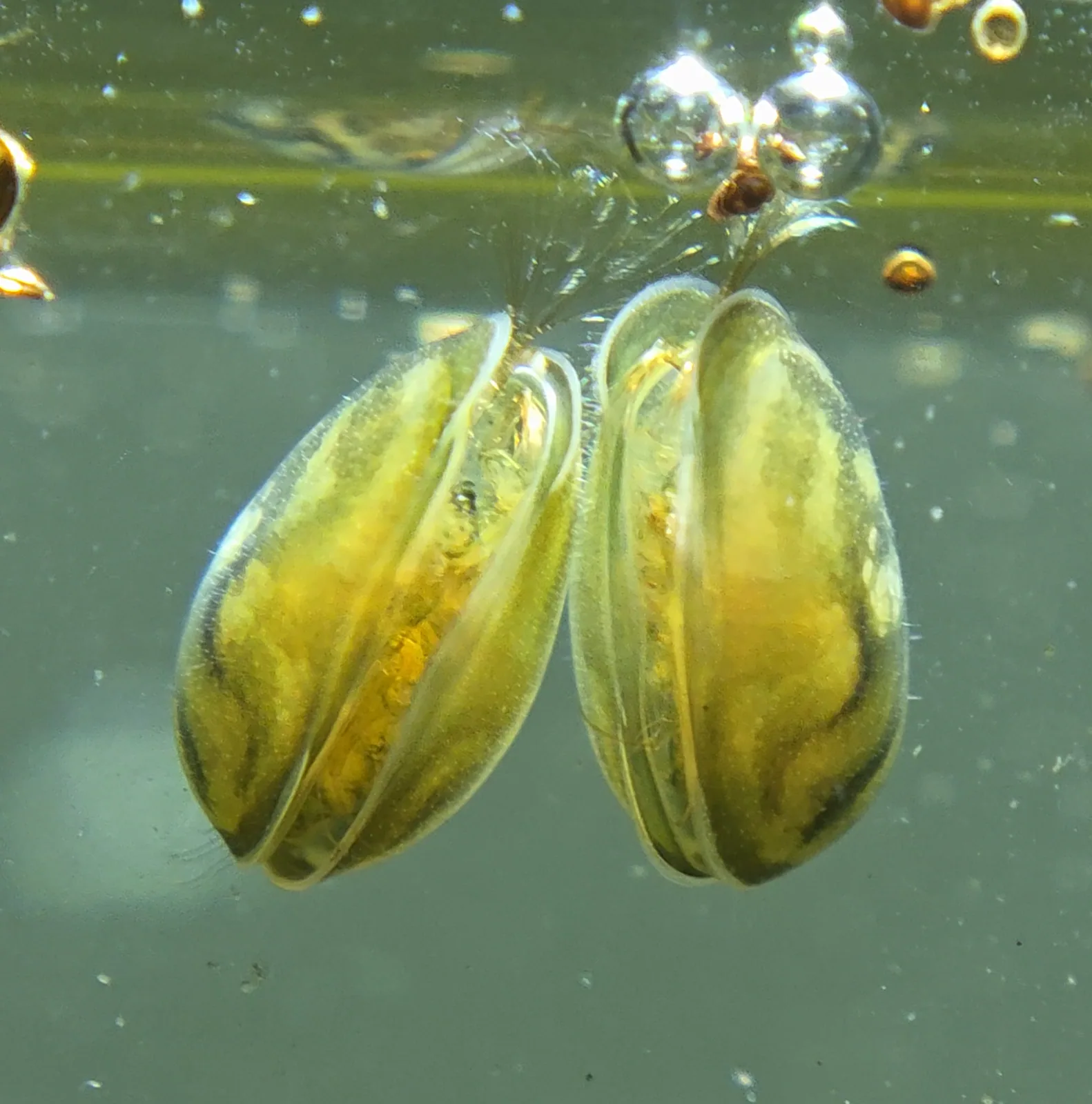
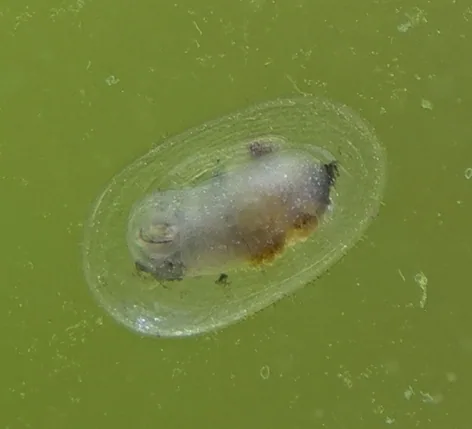
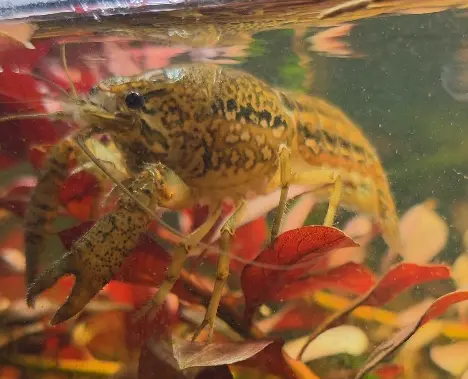
Slough Crayfish confirmed predator of Bladder Snail (new August 7, 2026): A Slough Crayfish was directly observed fully consuming a Bladder Snail, the first closely observed full predation sequence between the two species. After initial attempts through the shell opening made little progress, the crayfish repeatedly repositioned the shell and probed for other access points before breaching the shell at its narrow terminal tip and extracting the snail through that rear opening. This predation pressure is proposed as a contributing factor in the Bladder Snail's modest population size in the Freshwater Lake, but the population has continued to persist despite it; the relationship is described so far as relatively balanced, with dense structural refuge (thick plant growth, hornwort) potentially offering some protection. Whether this predation mechanism is a regular behavior or an occasional one, and whether it extends to other snail species in the lake, is unresolved.
Crayfish and tapegrass grazing balance (watch): Slough Crayfish were observed feeding on tapegrass tissue after a period of little visible grazing. If grazing resumes at the intensity it had during prior high-pressure periods, tapegrass may be reduced. The balance between crayfish population size, tapegrass growth rate, and snail grazing will determine plant cover trajectory.
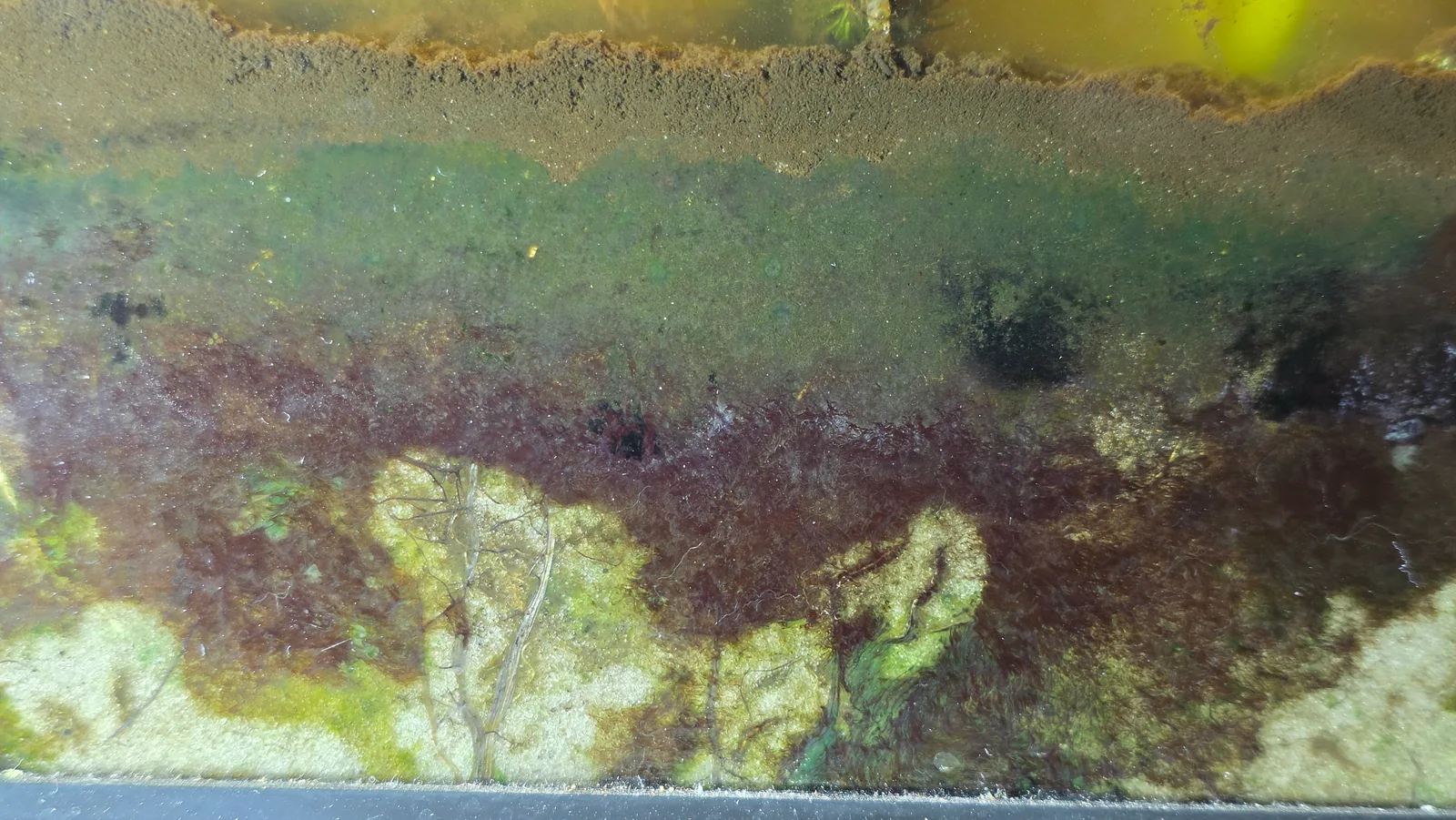
Dissolved oxygen risk in substrate (unmeasured): Organic detritus accumulation in the substrate creates conditions for anaerobic decomposition and potential hydrogen sulfide production at depth. Dissolved oxygen in the substrate and near-substrate water column has not been measured. This is a documented measurement gap with potential consequences for benthic invertebrates.
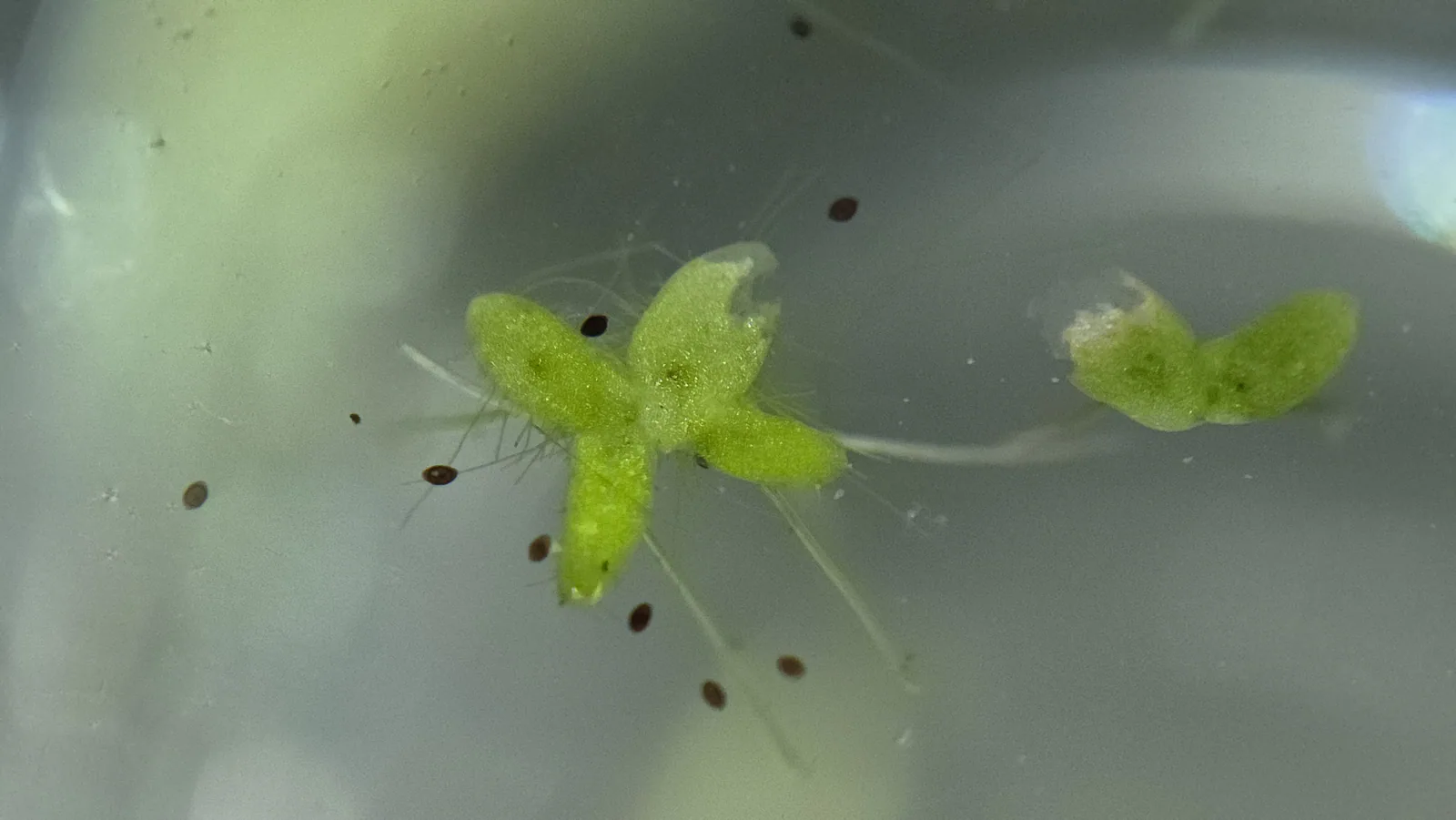
Rapid crayfish exploitation of the June 30, 2026 floating plant introduction (elimination confirmed July 30, 2026): One day after four floating plant species, hornwort, and filamentous algae were introduced, Slough Crayfish were observed climbing to the surface and feeding on all of them from below, concentrating heavily on hornwort and filamentous algae. The observer predicted the introduced plants may again be eliminated before establishing, consistent with the June 30, 2026 hypothesis that floating and fast-growing plants cannot persist in the lake under current crayfish pressure. By July 30, 2026, the four-species floating plant trial had been reduced to approximately 98% cover loss, effectively confirming that prediction; predation (consistent with the confirmed crayfish exploitation), excessive light intensity, and possible low surface airflow are all proposed as contributing factors, none ranked or confirmed. Hornwort itself, by contrast, has continued growing under the same grazing pressure across repeated additions (June 30, July 4, July 11, 2026), the key difference being its much larger standing biomass relative to the four floating plant species. As of August 3, 2026, the trial is further reduced to a tiny duckweed fragment (species undistinguished) and a couple of Water Spangles individuals, both positioned out of crayfish reach on the glass; this specific detail favors grazing access as a meaningful factor in the decline, alongside light intensity and airflow.
Possible dissolved oxygen decline linked to floating plant surface coverage (new July 1, 2026, hypothesis): The highest number of Malaysian Trumpet Snails yet observed on the Freshwater Lake glass at one time, mostly juveniles climbing upward, raised a working hypothesis that floating plant surface coverage introduced June 30, 2026 may be reducing atmospheric gas exchange and shading submerged vegetation, potentially compounding a decline in dissolved oxygen. No dissolved oxygen measurement has been taken to confirm this. If oxygen stress is developing, it could affect the broader invertebrate community beyond Malaysian Trumpet Snails. Supporting context (external secondary literature, not a direct observation): a published Frontiers study of Minnesota ponds found duckweed coverage above roughly 85% associated with significantly lower surface dissolved oxygen and larger anoxic zones, with light/moderate coverage generally neutral or beneficial; the mechanism cited is shading of submerged photosynthesis plus reduced surface gas exchange, the same two mechanisms proposed here. As of the July 6, 2026 video shoot, the Freshwater Lake's floating cover had visible gaps rather than full coverage, so this literature supports the hypothesis's plausibility without confirming that the lake has crossed a high-risk coverage threshold. With the four-species floating plant trial reduced to approximately 98% cover loss by July 30, 2026, the specific surface-coverage mechanism this hypothesis proposed is now largely moot for that trial, though it could resurface if any future floating plant introduction achieves denser coverage.
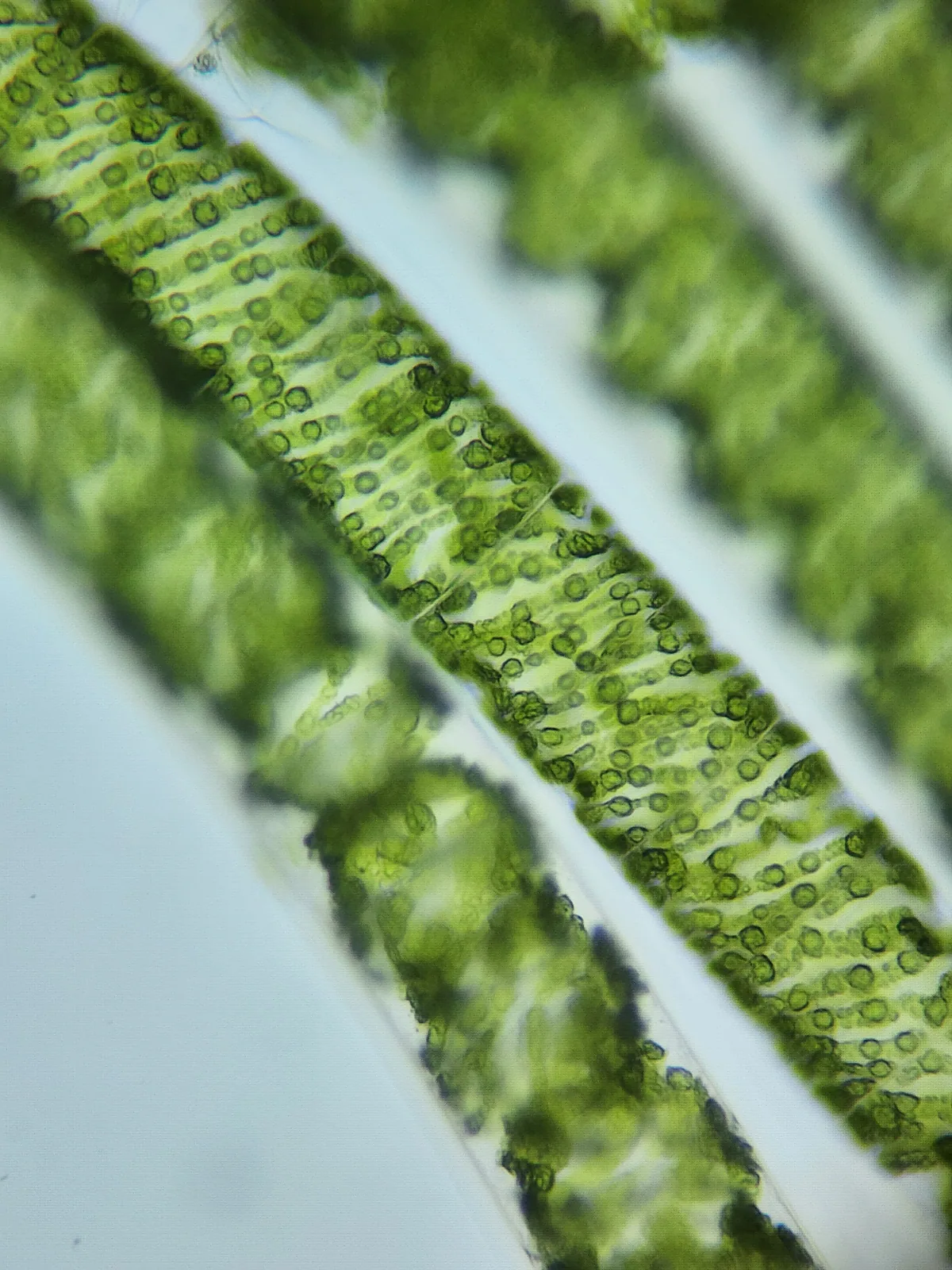
Hornwort nutrient uptake and floating plant recession, a possible mechanism shift (updated September 5, 2026): Several days after the July 4, 2026 large hornwort addition, a subjective, unmeasured water-clarity improvement was reported, attributed to hornwort's direct water-column nutrient uptake rather than the surface-shading mechanism of the floating plants. Separately, the June 30, 2026 floating plant trial receded to near total loss by late July. By September 5, 2026, the hornwort nutrient-uptake strategy itself stalled: the lake water appeared significantly greener, and hornwort biomass in the water column declined further as Slough Crayfish grazing consumption outpaced plant regeneration despite substantial additions. Hornwort is now assessed as unlikely to function sustainably as a recurring food source or nutrient-absorbing competitor against suspended green algae under current grazing pressure, prompting research into alternative aquatic plant candidates.
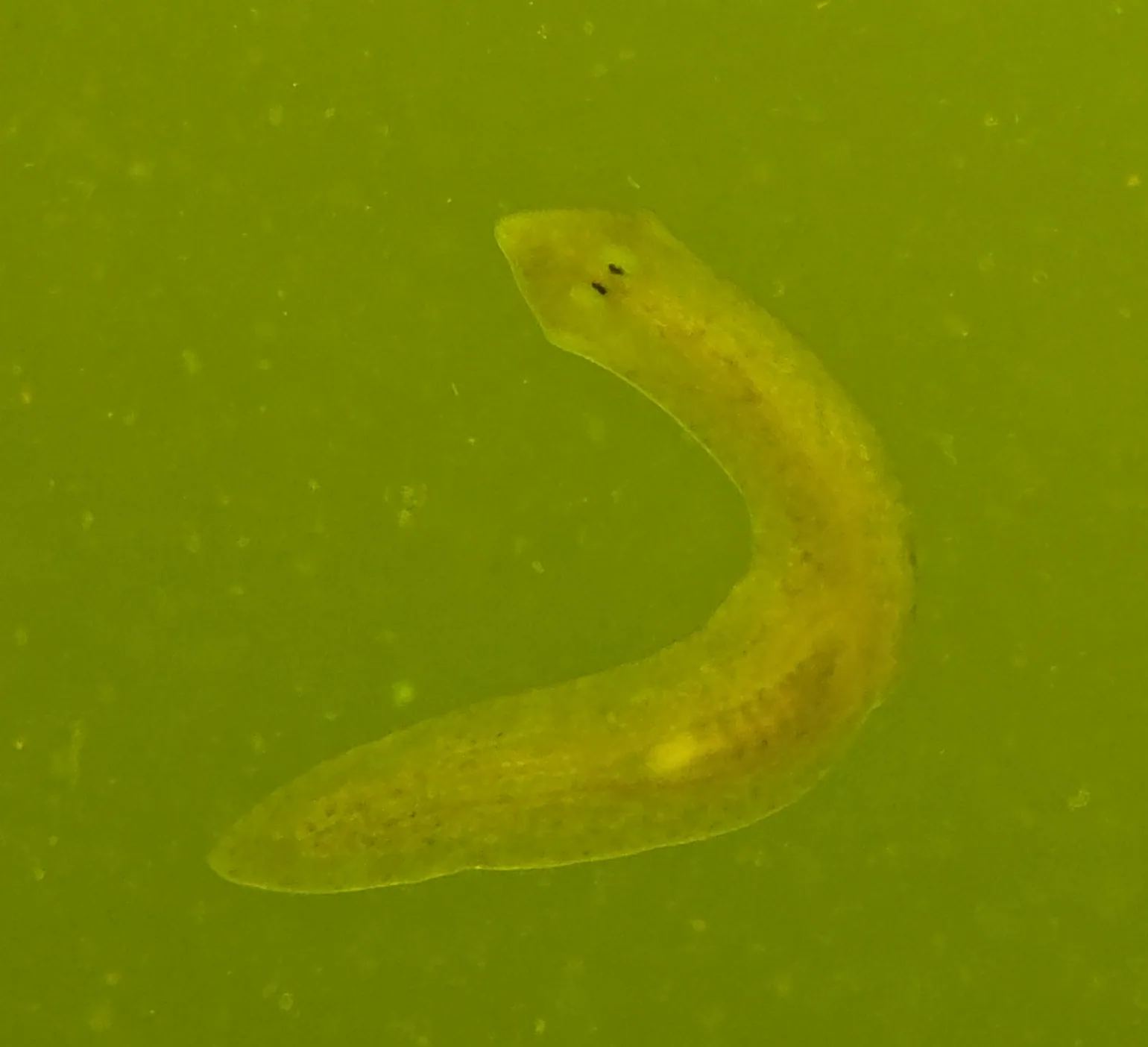
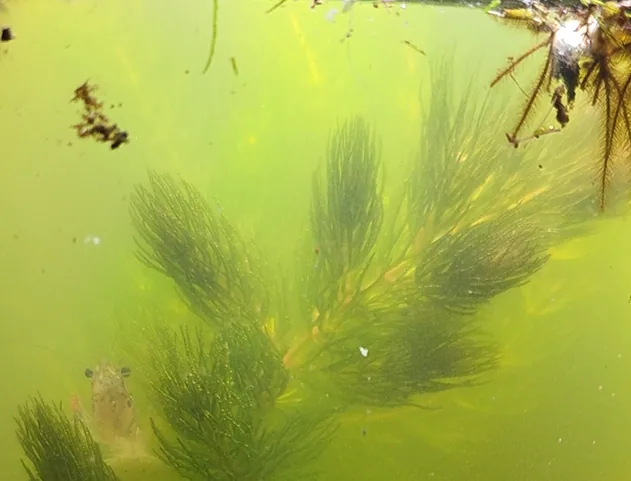
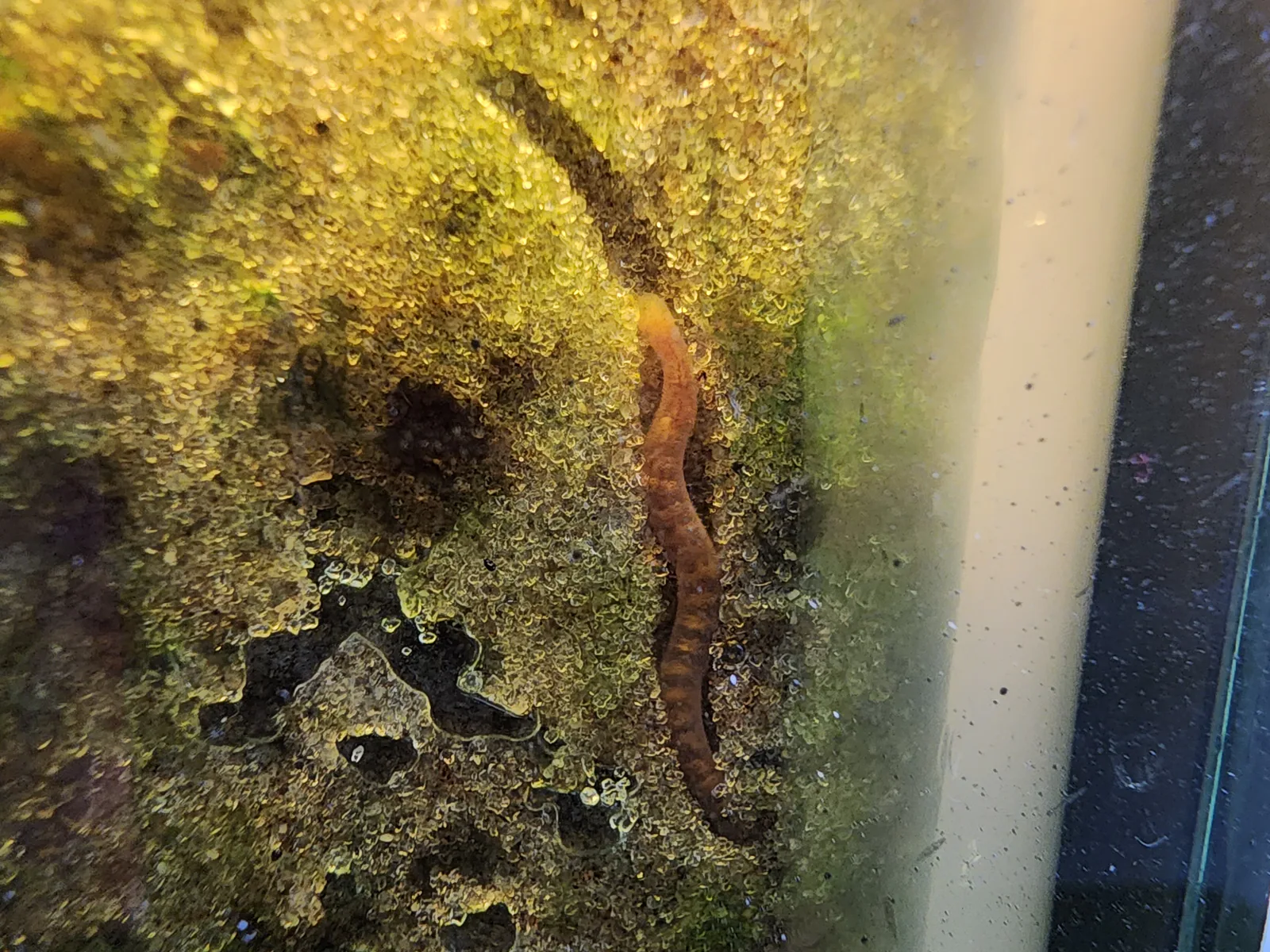
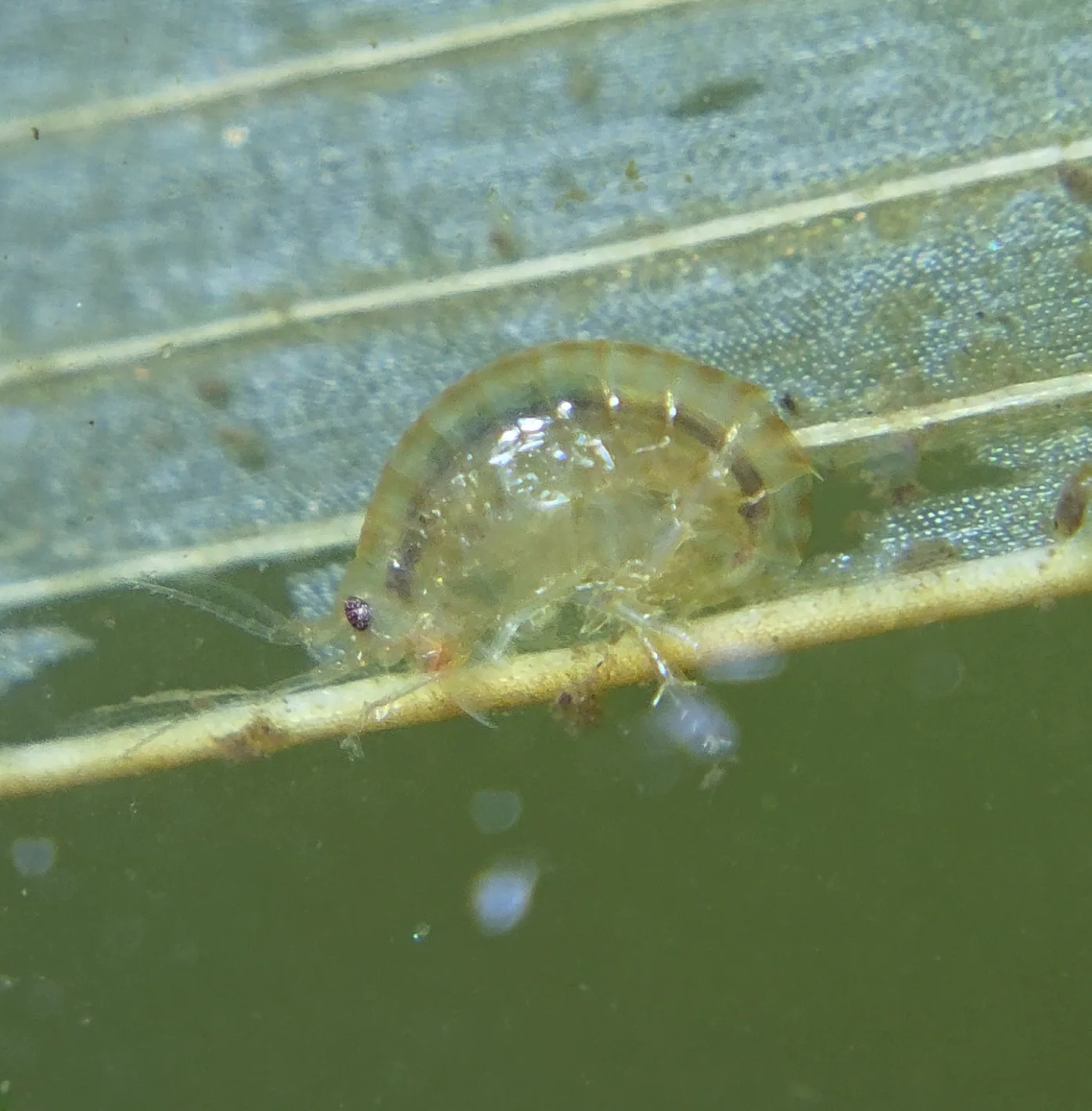
Hornwort as a habitat-complexity refuge for Moina, amphipods, and snails (updated August 7, 2026): Following the July 4 and July 11, 2026 hornwort additions, video documented a sharp, visible increase in large daphniids (at the time attributed to Daphnia, now understood as most likely Moina per the August 7, 2026 correction) and amphipods moving through the hornwort growth within the Freshwater Lake itself, a zone these organisms had previously used far less than the dense vegetation of the adjacent Lakeshore. This is interpreted as evidence that habitat complexity, not food availability, was the limiting factor on visible in-lake abundance: the hornwort's dense three-dimensional structure now supplies refuge comparable to what Lakeshore vegetation and floating-plant roots already provided. This is offered as a complementary interpretation, not a replacement for the standing June 25, 2026 hypothesis that elevated water temperature limits population growth relative to algae. Whether this reflects an actual population increase versus a redistribution of the existing population into a newly available refuge is unresolved. The same July 11, 2026 hornwort batch also carried a noticeably higher number of planarians than prior additions, raising a separate, unconfirmed hypothesis that increased vegetation density may finally allow that species to establish.
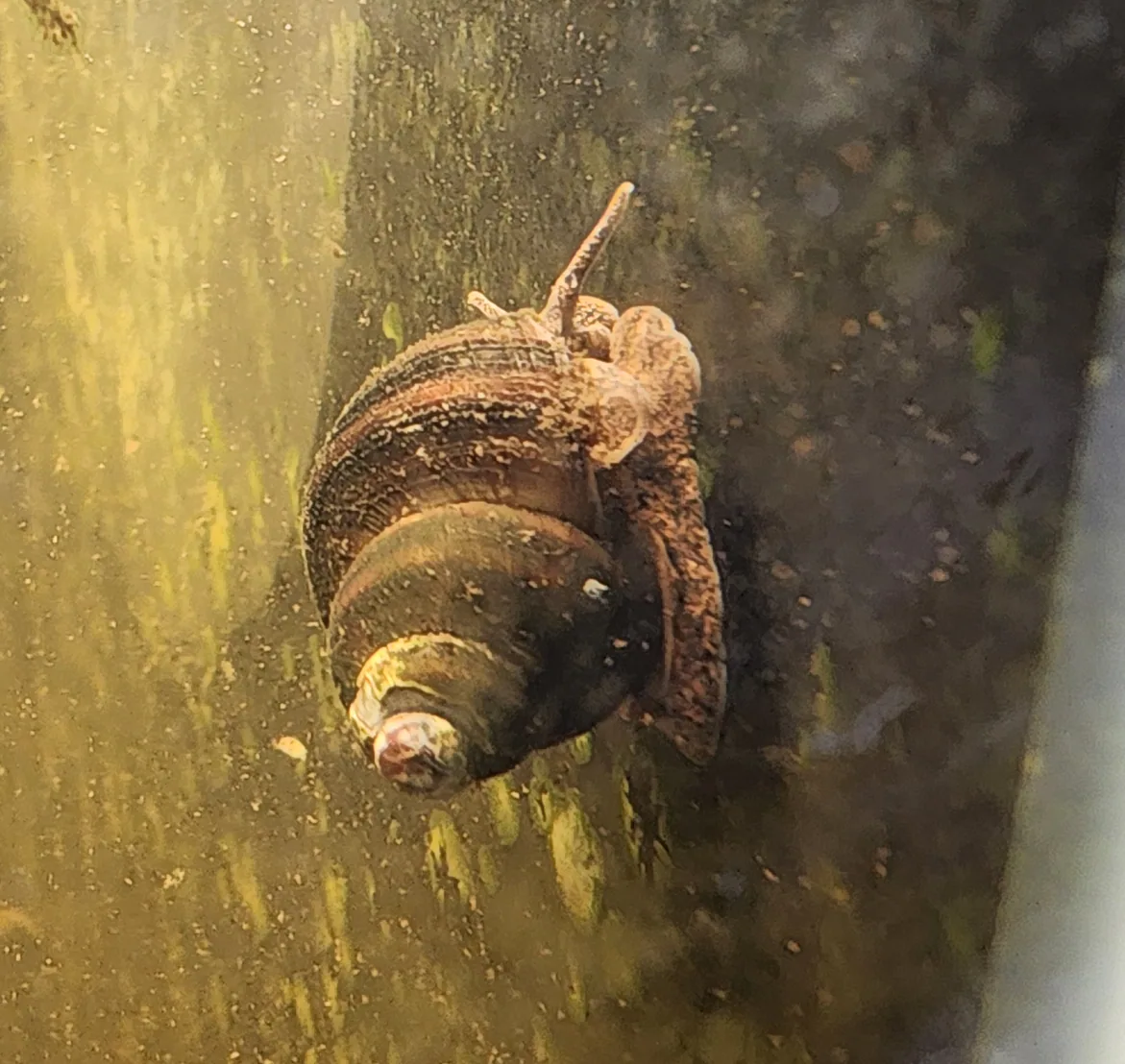
On July 18, 2026, video documented Bladder Snails moving through hornwort growth in the open lake, the earliest video-backed instance of this shift; Josue's proposed, unconfirmed mechanism is that hornwort's dense structure gives Bladder Snail tight-space refuge access that Ram's Horn Snail and Malaysian Trumpet Snail, both longstanding competitive pressures on Bladder Snail in the Lakeshore, cannot exploit as effectively, a more specific mechanism than the general habitat-complexity interpretation applied to Daphnia and amphipods. On July 30, 2026, the same timing pattern extended to snails generally, without video: young Seminole Ramshorn Snails were observed after a long gap since juveniles were frequently seen, and Bladder Snails and Freshwater Limpets were both observed more frequently in the open lake, with Bladder Snail's shift notable because it has historically favored the Lakeshore's dense vegetation over the open Freshwater Lake. If the habitat-complexity mechanism extends beyond Daphnia and amphipods to snails, it would be a broader effect than previously documented; this remains a timing correlation, not a confirmed mechanism, and green algae in the open water column is unchanged regardless.
Moina population reassessment (updated August 7, 2026): A night observation in the adjacent Lakeshore biome on July 2, 2026 found the majority of the daphniid population (at the time attributed to Daphnia, now understood as most likely Moina) concentrated in dense Lakeshore vegetation rather than the open Freshwater Lake water column, with daytime concealment there proposed to explain prior underestimation of abundance. A July 10, 2026 lights-on observation added two further findings: a coordinated downward migration of that population to the substrate (with amphipods retreating into cover at the same moment), and a separate portion refuging in the roots of the floating plants introduced June 30, 2026. The population is now understood to span at least three zones (Lakeshore vegetation, Freshwater Lake substrate, floating-plant roots) rather than concentrating in the open water column. Green algae remains persistent in the open Freshwater Lake water column regardless. Whether this broader distribution changes the expected effect of Moina/Ceriodaphnia dubia grazing on the Freshwater Lake's algae bloom is unresolved.