The Biosphere Biomes Species Engineering About

Palaemon paludosus

Ghost Shrimp

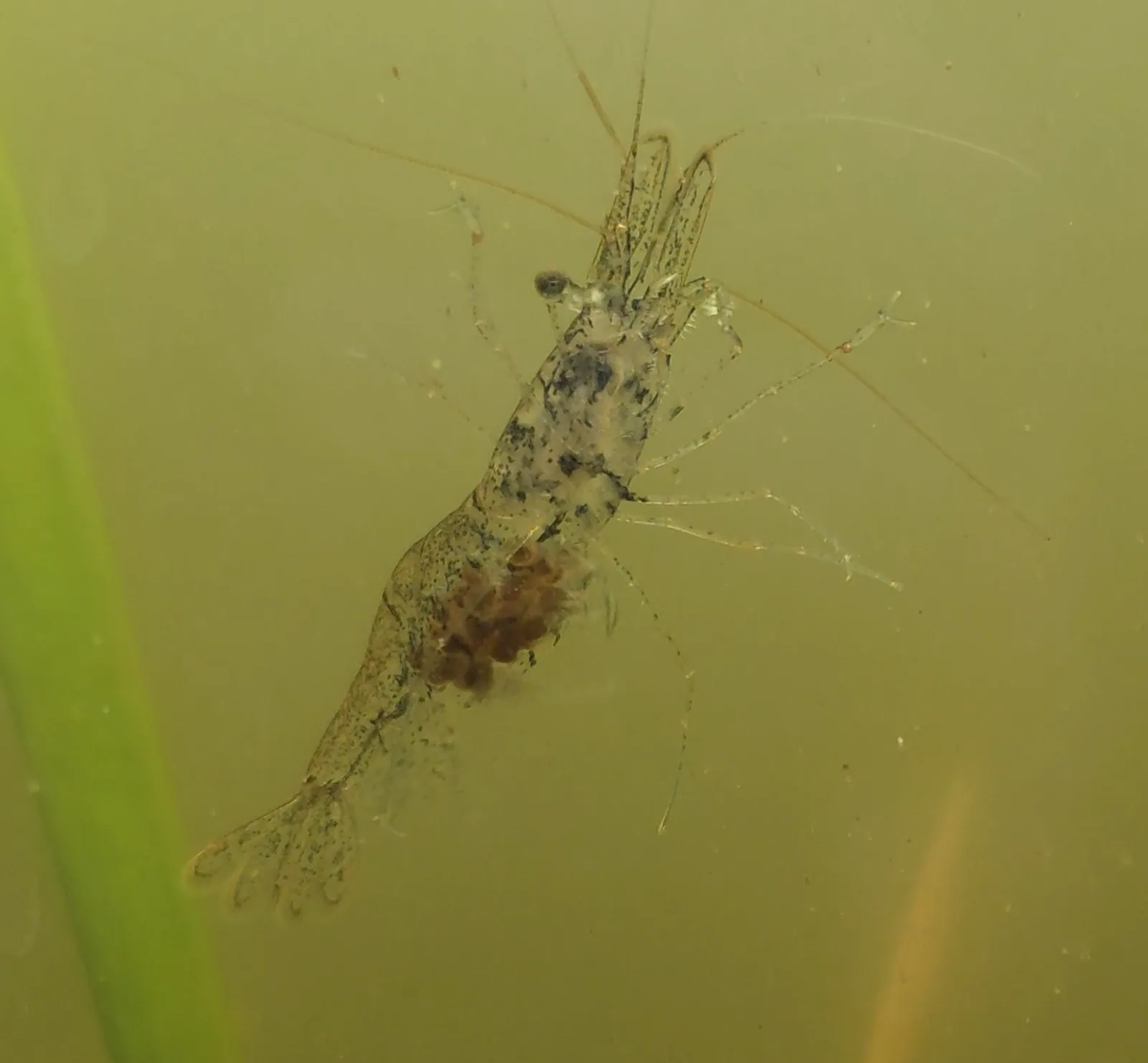
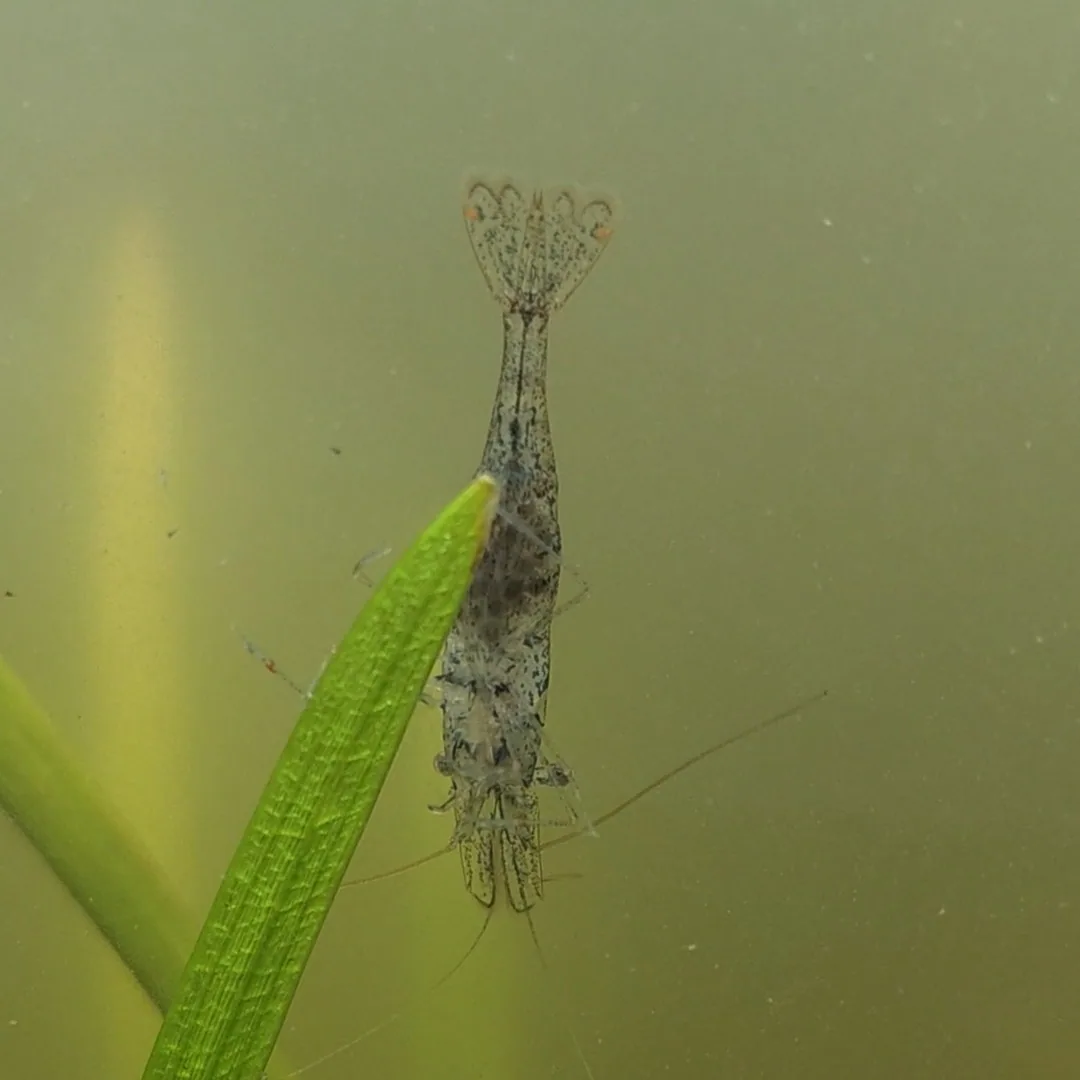
A transparent freshwater shrimp that lives among submerged plants and detritus in the lake biome. It grazes algae and biofilm, processes organic material, and may become an important middle layer between microscopic life and larger predators if the population can establish.

Common Name
Ghost Shrimp
Scientific Name
Palaemon paludosus
Realm
Freshwater
Biome
Freshwater Lake, Lakeshore
Introduction Method
Intentional Seeding
Date First Introduced
May 12, 2025
Source / Origin
Current lake population documented from intentional additions. Twelve ghost/glass shrimp were logged on May 12, 2025, with later April 2026 post-seal counts limited by low visibility.

Section Notes

Current record uses Palaemon paludosus / Eastern Grass Shrimp for the freshwater glass shrimp in the lake biome. Some references and older taxonomy use Palaemonetes paludosus; treat that as the same organism for miniBIOTA research unless a later ID review says otherwise.

Current Estimated Population
4
Population Status
Vulnerable
Carrying Capacity Status
Below Capacity
Date Last Observed
May 01, 2026

Section Notes

At least four adults were confirmed in the lake biome on April 11, 2026, though visibility limited the full count. Zoea were first observed on April 19, confirming reproduction. They remained visible for three nights and appeared to grow, but were no longer visible by May 1. Juvenile recruitment remains unconfirmed.

Trophic Level
Omnivore
Feeding Niche / Method
Algae grazer and detritivore
Dietary Inputs
Algae, biofilm, detritus, and small organic particles; may opportunistically consume small animal material.
Known Predators
Flagfish were the major historical water-column predator risk before removal; current larval losses are unresolved.

Section Notes

Functions as a benthic-to-water-column nutrient link by converting algae and detritus into shrimp biomass. In miniBIOTA, larvae are also a potential prey item for small predators.

Temperature Range
10-35 C
Lighting Requirements
No special lighting requirement; often more active under cover or low light.
Flow / Aeration Preference
Calm to low-flow vegetated freshwater with submerged plant cover; no artificial flow required in the current lake biome.

Section Notes

Primarily freshwater; can tolerate low brackish conditions at species level, but this miniBIOTA record is Freshwater Lake/Lakeshore only. Sensitive larval survival is the current establishment bottleneck.

Expected Lifespan
Often annual in wild populations; adults may die after spawning.
Reproductive Strategy
Sexual reproduction; females carry eggs on swimmerets, which hatch into free-swimming zoea before juvenile settlement.
System Reproduction Status
Confirmed Breeding
Growth Rate
Unknown

Section Notes

Females carry eggs until they hatch into free-swimming zoea. In miniBIOTA, zoea were first documented on April 19, 2026. This confirms breeding, but the larvae have not yet been observed surviving to the juvenile stage.

Ecological Role
Detritivore
Microhabitat Preference
Submerged vegetation, glass and substrate margins, and detritus-rich sheltered zones in Freshwater Lake; may range into the Lakeshore aquatic edge.

Section Notes

Candidate cleanup-crew species and food-web middle layer in the lake biome. Its long-term role depends on whether larvae can survive to juvenile shrimp after fish removal.

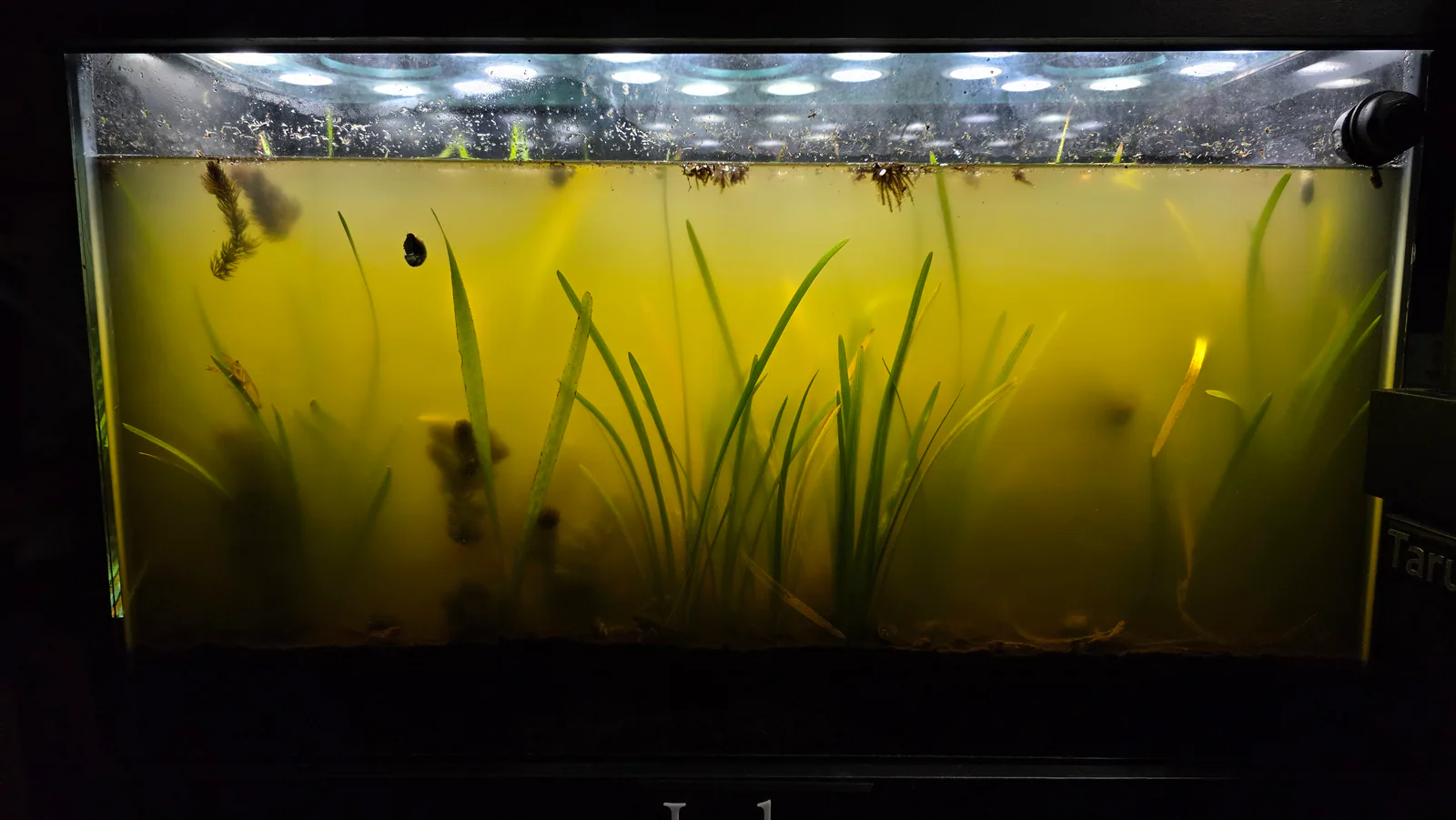
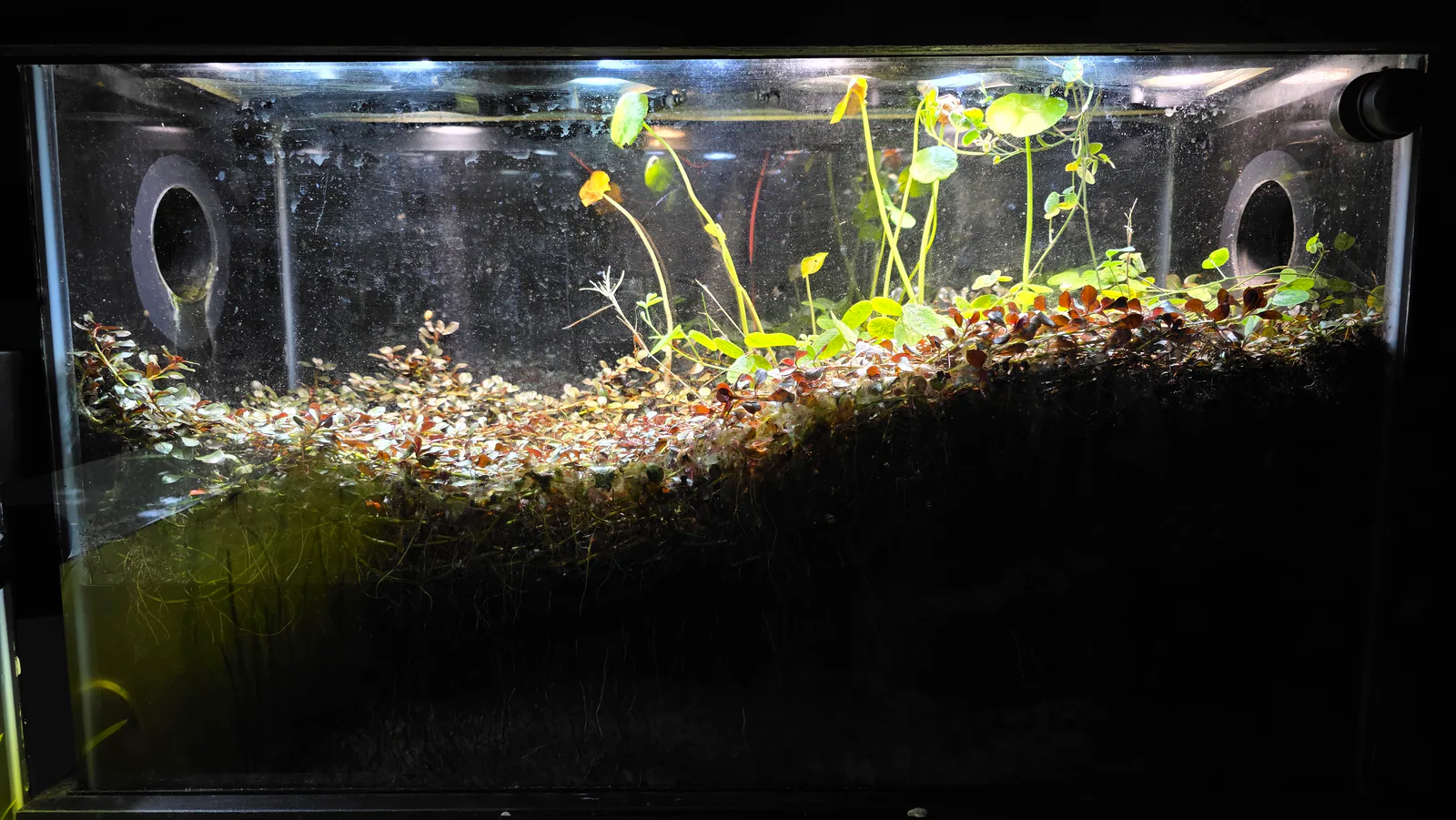
Biomes This Species Lives In

Follow this species across the habitats where it currently appears in the miniBIOTA biosphere.

May 1, 2026 Milestone Video

Ghost shrimp larvae documented in the lake biome

Ghost shrimp larvae were documented in the freshwater lake biome for the first time in miniBIOTA. This confirms that the adult ghost shrimp are reproducing after the flagfish were removed from the water column. The observation advances the long-running question of whether ghost shrimp can establish long term, but it does not yet confirm juvenile recruitment.

April 17, 2026 Change

Fish removal reopens the lake food web

Removing the fish changed the survival context for ghost shrimp larvae and the post-removal food web.

Major Impact Biome: Freshwater Lake
View primary chronicle