Corbicula fluminea

Asian Clam

Introduced from a Florida freshwater source in 2022 as a deliberate filter-feeding layer for the Freshwater Lake, this globally invasive clam ran three years without producing offspring and was eventually lost from the system.

Overview

Introduced from a Florida freshwater source in 2022 as a deliberate filter-feeding layer for the Freshwater Lake, this globally invasive clam ran three years without producing offspring and was eventually lost from the system.

Identity

  • Common name: Asian Clam
  • Alternate names: freshwater clam, basket clam, golden clam, marsh clam, good luck clam, prosperity clam, corbicula
  • Scientific name: Corbicula fluminea
  • Identification confidence: Species-level
  • Uncertainty label: Extirpated

Taxonomy

  • Kingdom: Animalia
  • Phylum: Mollusca
  • Class: Bivalvia
  • Order: Venerida
  • Family: Cyrenidae
  • Genus: Corbicula
  • Species: C. fluminea

Natural History

Corbicula fluminea is a small (1-4 cm), wedge-shaped freshwater clam native to Asia and widely established as an invasive species in the Americas, Europe, and Australia. In North America it is present in rivers, lakes, canals, and ponds throughout the eastern United States, including Florida, where it was first detected in the 1970s and is now ubiquitous in slow-moving and still freshwater habitats.

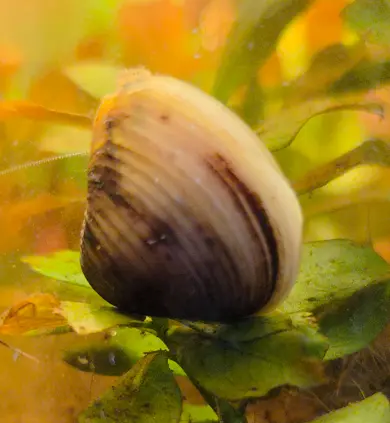
The shell is tan to yellowish-brown with distinct concentric ridges. Asian Clams live partially buried in sand, silt, or gravel at the sediment-water interface, filtering suspended material from the water column through their siphons. Filter feeding draws in water and extracts suspended algae, bacteria, protozoa, and fine organic detritus; the clam then passes filtered water back out the exhalant siphon.

Reproduction is unusual for a bivalve: Corbicula fluminea is hermaphroditic and self-fertilizing. It broods developing embryos internally in the gill chambers and releases fully formed juvenile clams (about 0.2 mm) directly into the water. This reproductive mode (requiring no separate male or female, no pelagic larval stage, and no environmental cue) is one reason Corbicula invades new habitats so effectively. A single individual can found a population. In established wild populations, growth is fast and reproduction is continuous in warm water.

Ecological Role

In freshwater systems, Asian Clams function as highly efficient benthic filter feeders that can dramatically reduce phytoplankton and suspended particulate loads in the water column. In nutrient-rich systems, large populations have been documented removing a significant fraction of the daily phytoplankton production. In nutrient-limited systems like miniBIOTA's Freshwater Lake, the filtering capacity may exceed what the system can sustain, leaving the clams food-limited and preventing population growth.

The Asian Clam was introduced to miniBIOTA specifically as a filter-feeding layer, a living water-quality tool rather than an animal of intrinsic ecological interest. Whether it fulfilled that function during its three years in the system is unrecorded. The absence of offspring in the observation record suggests the population never expanded, which is consistent with food limitation and possibly also with predation by Slough Crayfish.

miniBIOTA Evidence

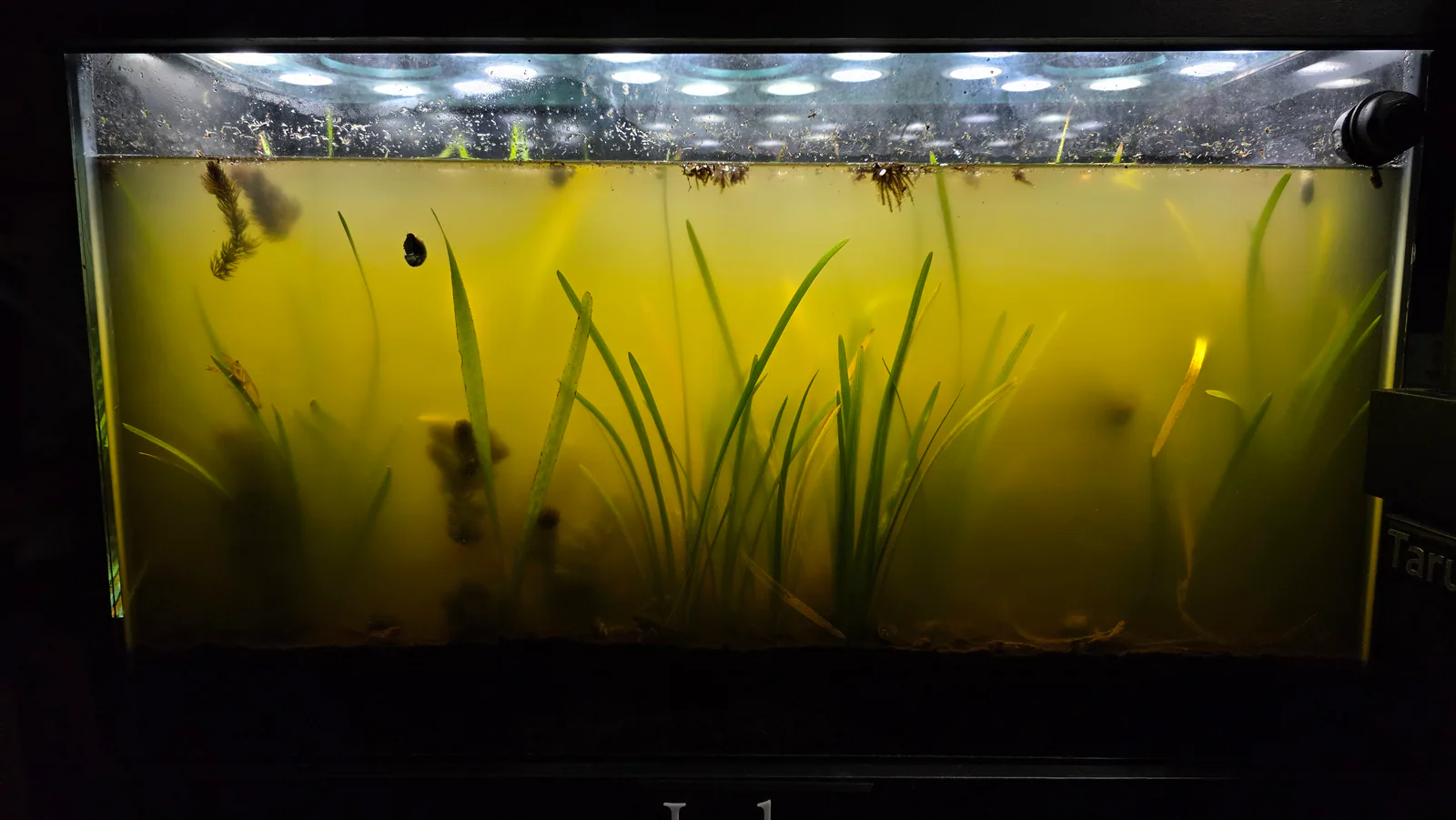
Introduction context: The Asian Clam was introduced to miniBIOTA on November 12, 2022, wild-collected from a Florida freshwater source. The introduction date places it among the earliest organisms in the miniBIOTA system (which opened in summer 2022). The species was added as a deliberate filter-feeding layer for the Freshwater Lake. Introduction method and source location are not formally recorded.

Observation record: No dedicated Markdown observation files exist for the Asian Clam. All evidence comes from the Supabase species row and population dynamics notes.

  • November 12, 2022: Date of introduction per DB. No observation file.
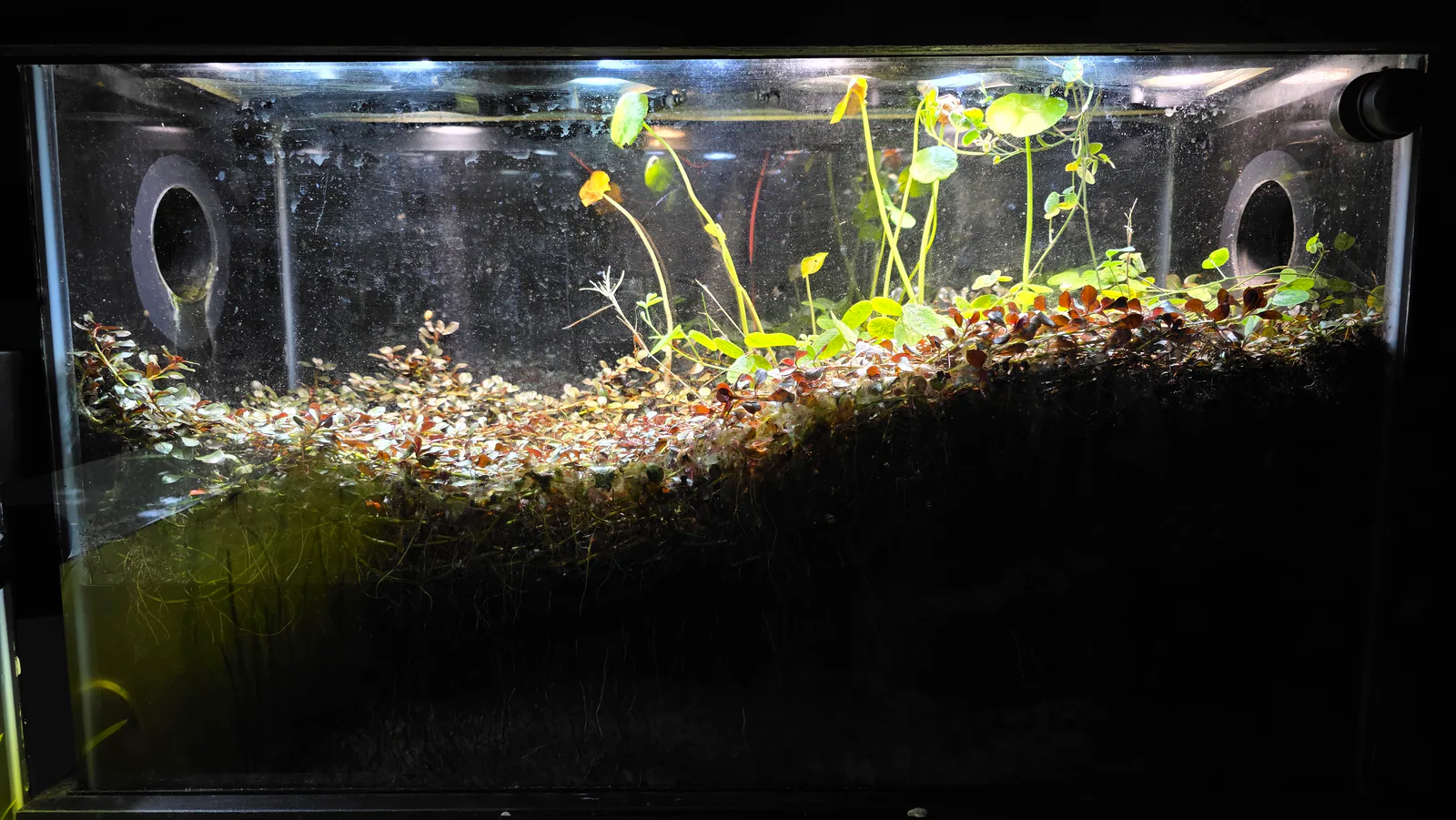
  • 2022-2025: Clam present in the Freshwater Lake and Lakeshore. No population events, breeding records, or behavioral observations are archived.
  • November 2, 2025: date_last_observed per DB. No observation file. This date most likely reflects an organism-loss review that confirmed the clam was no longer present; it may not represent a live sighting.

Confirmed:

  • Introduced November 12, 2022; wild-caught from a Florida freshwater source
  • Present in Freshwater Lake and Lakeshore during the period 2022-2025
  • Extirpated; current_estimated_population: 0
  • No offspring observed during the entire period in miniBIOTA

Inferred:

  • Food limitation (insufficient suspended phytoplankton and organic particles in the nutrient-limited Freshwater Lake) likely prevented population expansion
  • Slough Crayfish is noted as a possible predator; predation may have contributed to attrition
  • November 2, 2025 date_last_observed likely reflects a review check confirming absence rather than a confirmed live sighting
  • The filter-feeding function the species was introduced to provide is no longer represented in the system

Unknown:

  • Exact date the last individual died
  • How many individuals were introduced in November 2022
  • Whether the population ever expanded beyond the original introduction count
  • Whether the Slough Crayfish directly preyed on clams, or whether food limitation was the primary cause of extirpation