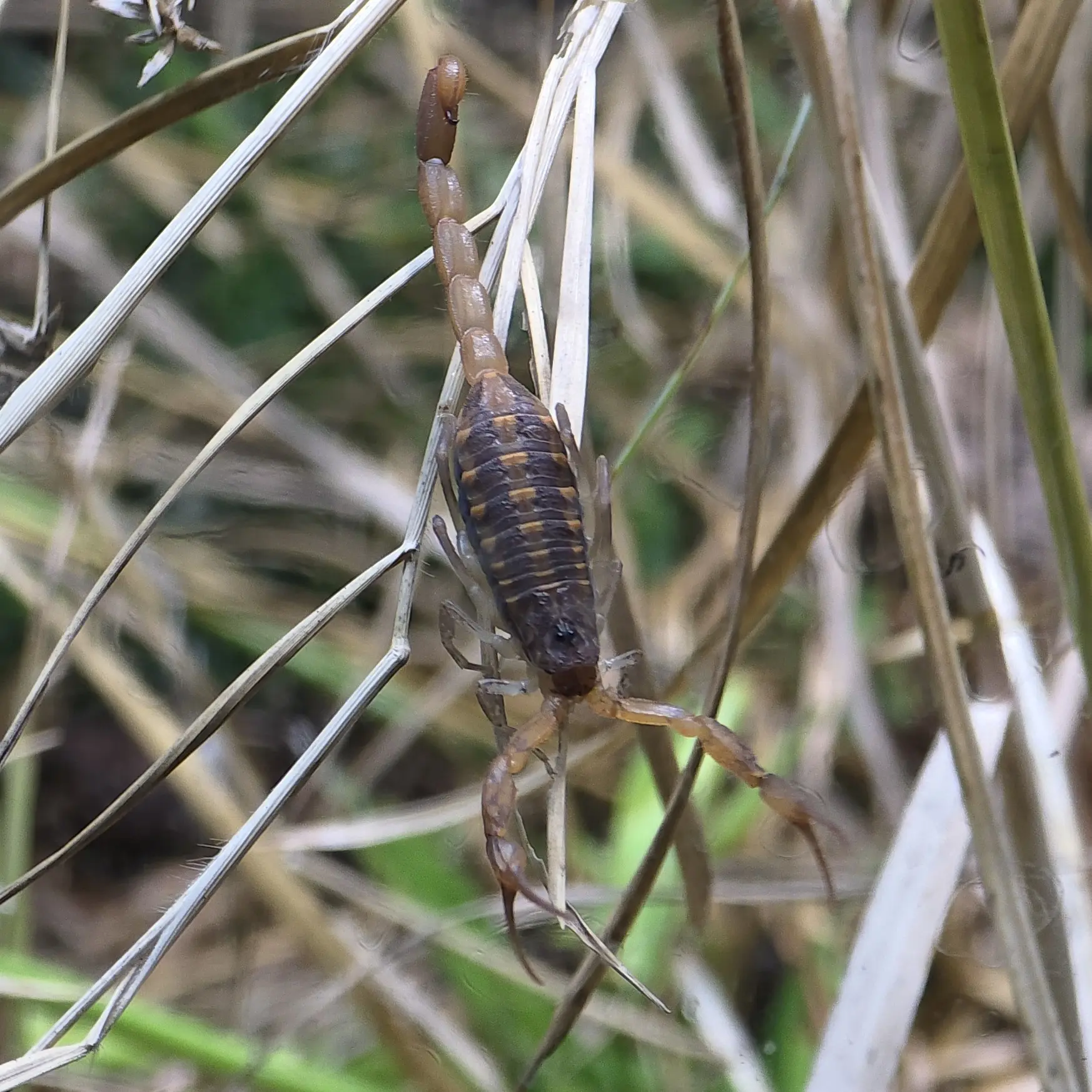
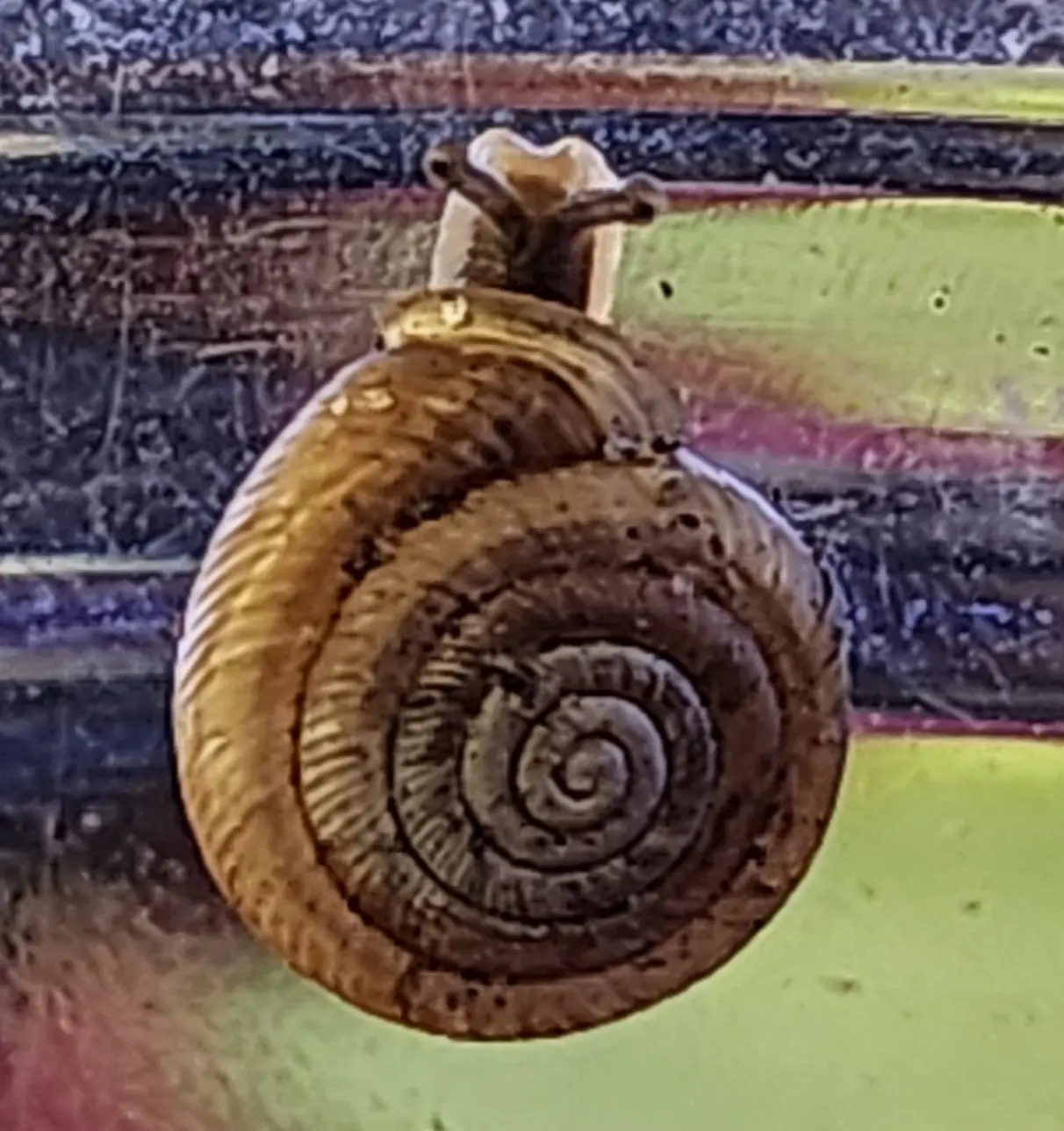
Lowland Meadow

Terrestrial freshwater-linked meadow.

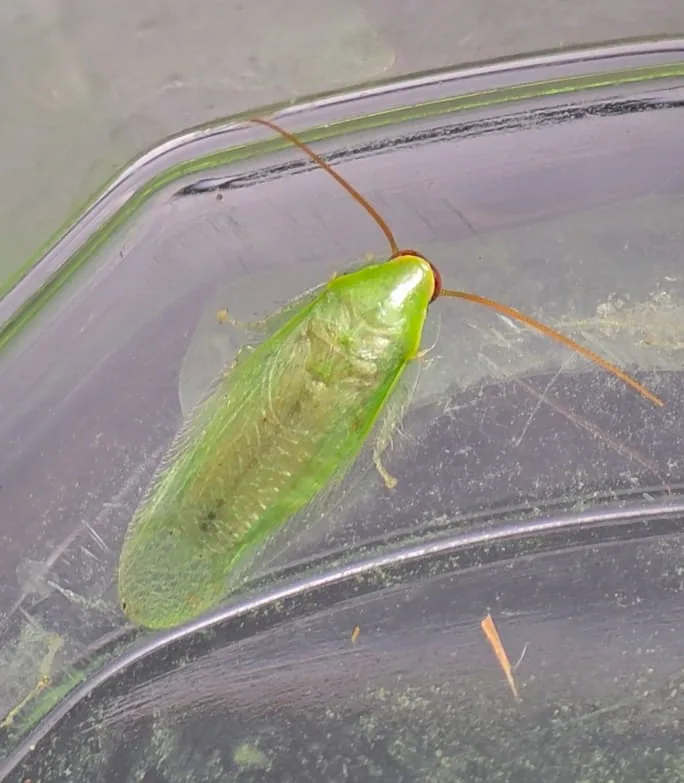
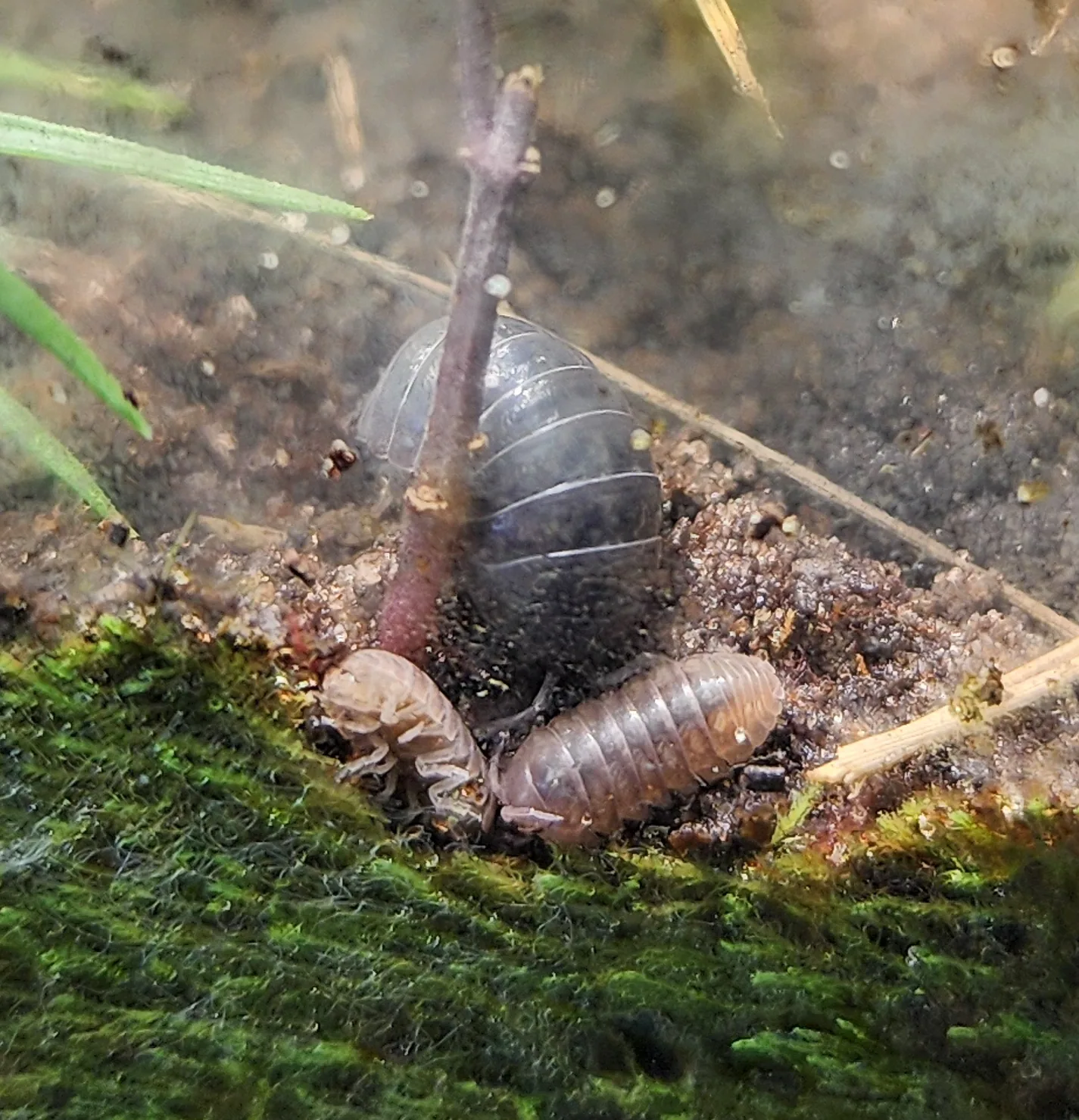
A rain-fed terrestrial meadow where grasses and broadleaf plants feed field crickets, grasshoppers, and a burrowing mole cricket above organic-rich soil worked by millipedes, isopods, and cockroaches at the top of the miniBIOTA terrestrial zone.

Overview

The Lowland Meadow is miniBIOTA's upland terrestrial meadow, established November 14, 2022, as the highest and driest habitat in the system. A rain-fed, grass-and-broadleaf-dominated biome, it supports a layered community of herbivores, burrowers, and detritivores converting plant growth and plant stress into soil-food-web activity. As of June 2026, the Lowland Meadow hosts one confirmed male Mole Cricket (nightly chirping, burrow evidence), one active female Ridgeback Sand Grasshopper (feeding normally despite a missing enlarged hind leg), a second grasshopper species (Autumn Yellow-winged Grasshopper, introduced June 1, 2026), at least six field crickets, Smoky Oak Millipedes, isopods, cockroaches, springtails, and worms. Grass decline associated with Mole Cricket activity, establishment outcomes for all cricket and grasshopper species, and Smoky Oak Millipede breeding are the central unresolved questions of the current period.

What This Biome Is

Habitat Type and Global Context

Terrestrial meadows are grassland-dominated ecosystems defined by herbaceous plant cover (grasses, sedges, forbs, and legumes) and the absence of a closed tree canopy. They occur across all continents in a vast range of climates, from tropical savannas to temperate prairies to montane meadows. The key ecological feature of a meadow is the primacy of the plant-herbivore-detritivore pathway: more solar energy reaches the ground than in forested systems, supporting dense herbaceous production that is consumed by grazers, decomposed by detritivores, or incorporated into the soil organic layer.

The soil is the central functional unit of a meadow ecosystem. Soil organic matter accumulates from dead plant material, arthropod frass, and microbial decomposition. Detritivores (millipedes, isopods, springtails, earthworms, and cockroaches) break organic material into smaller particles and incorporate it into the soil. Herbivores convert plant biomass into animal biomass and frass, which in turn becomes a resource for detritivores. Burrowing insects mechanically disturb and aerate the soil, affecting root systems and soil gas exchange.

In a closed or semi-enclosed terrestrial system like the Lowland Meadow, the plant-soil-detritivore feedback loop is the central engine: plants grow, are eaten by herbivores or die and decompose, return nutrients to the soil, and support further plant growth. Disruptions to any part of this cycle (plant stress, herbivore pressure, burrowing, or detritivore decline) propagate through the whole system.

Florida and Regional Relevance

Florida has extensive natural grassland communities, including dry prairies (pine flatwood savannas), wet prairies, and disturbed ruderal grasslands along roadsides, disturbed edges, and managed open areas. The Lowland Meadow's composition: grasses, Mexican primrose, creeping beggarweed, and other broadleaf plants: is consistent with a Florida disturbed terrestrial edge or managed meadow community.

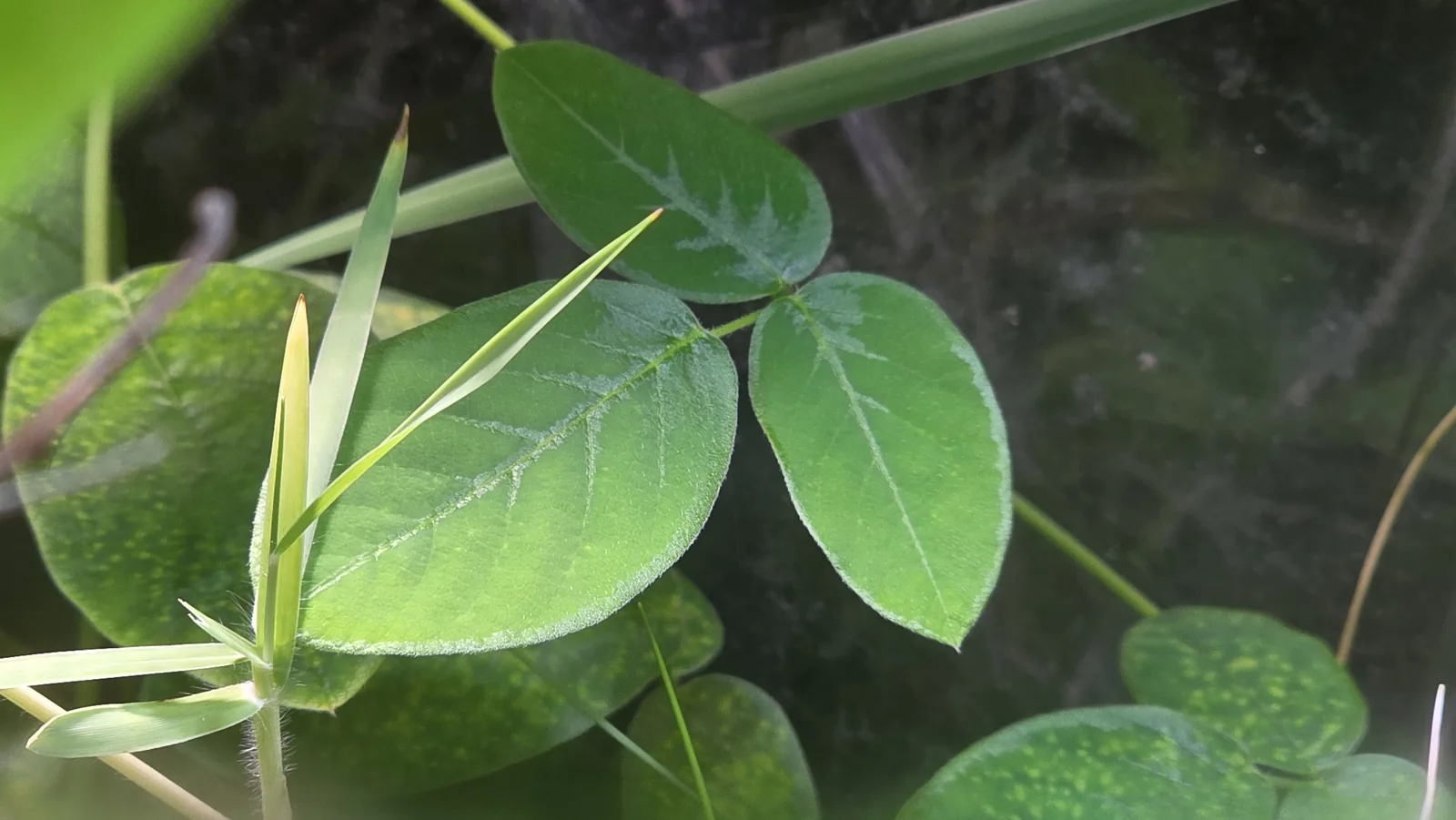
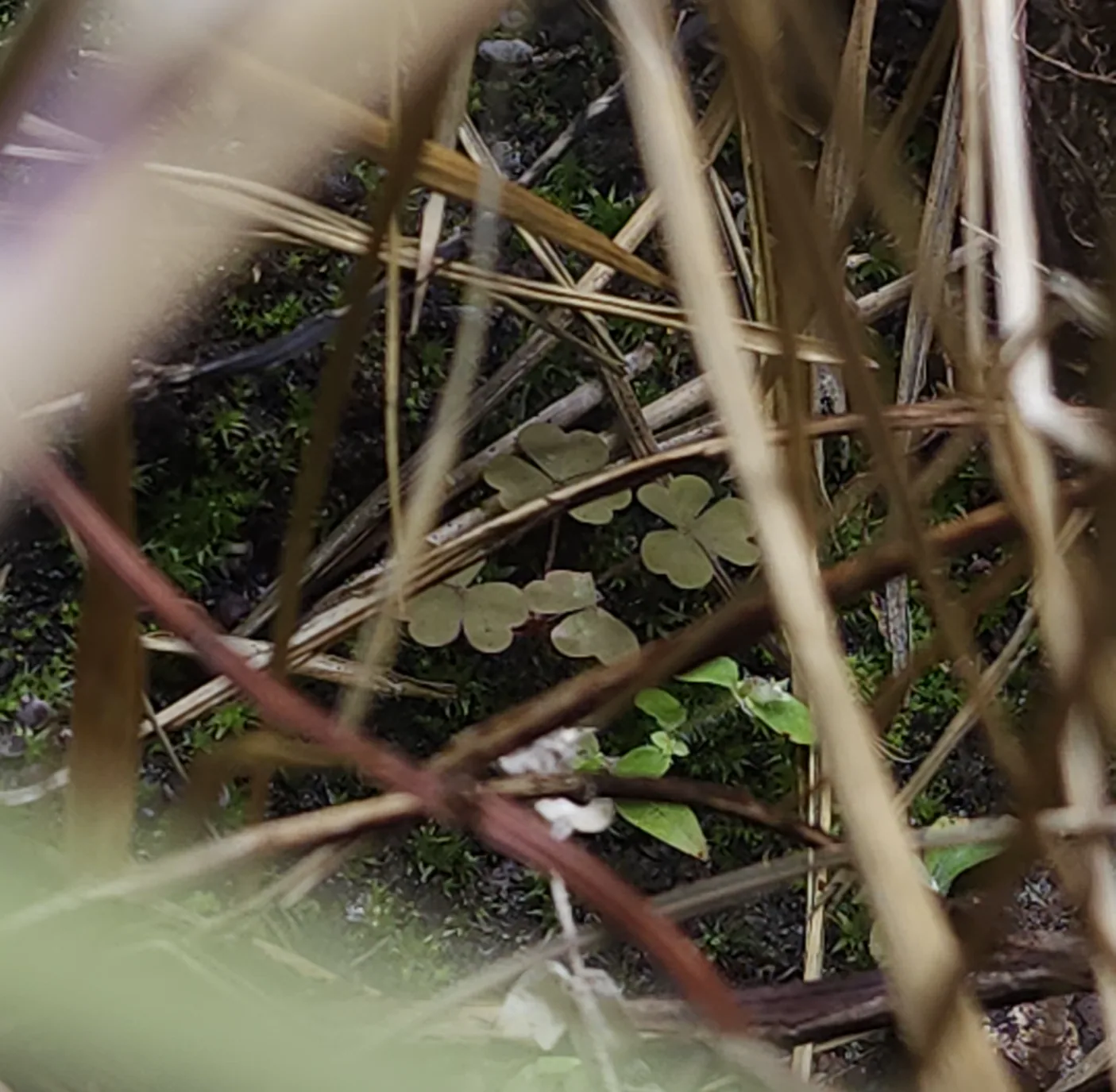
Creeping Beggarweed (Desmodium incanum) is a native Florida legume that grows as a creeping or spreading plant in disturbed, open, and roadside habitats. It is in the Fabaceae family and supports root-zone rhizobial bacteria capable of fixing atmospheric nitrogen into soil-available forms through root nodule associations. Whether nitrogen fixation is actively occurring in the Lowland Meadow is an open ecological question; the nutrient value is real in natural systems but has not been measured or confirmed in miniBIOTA.

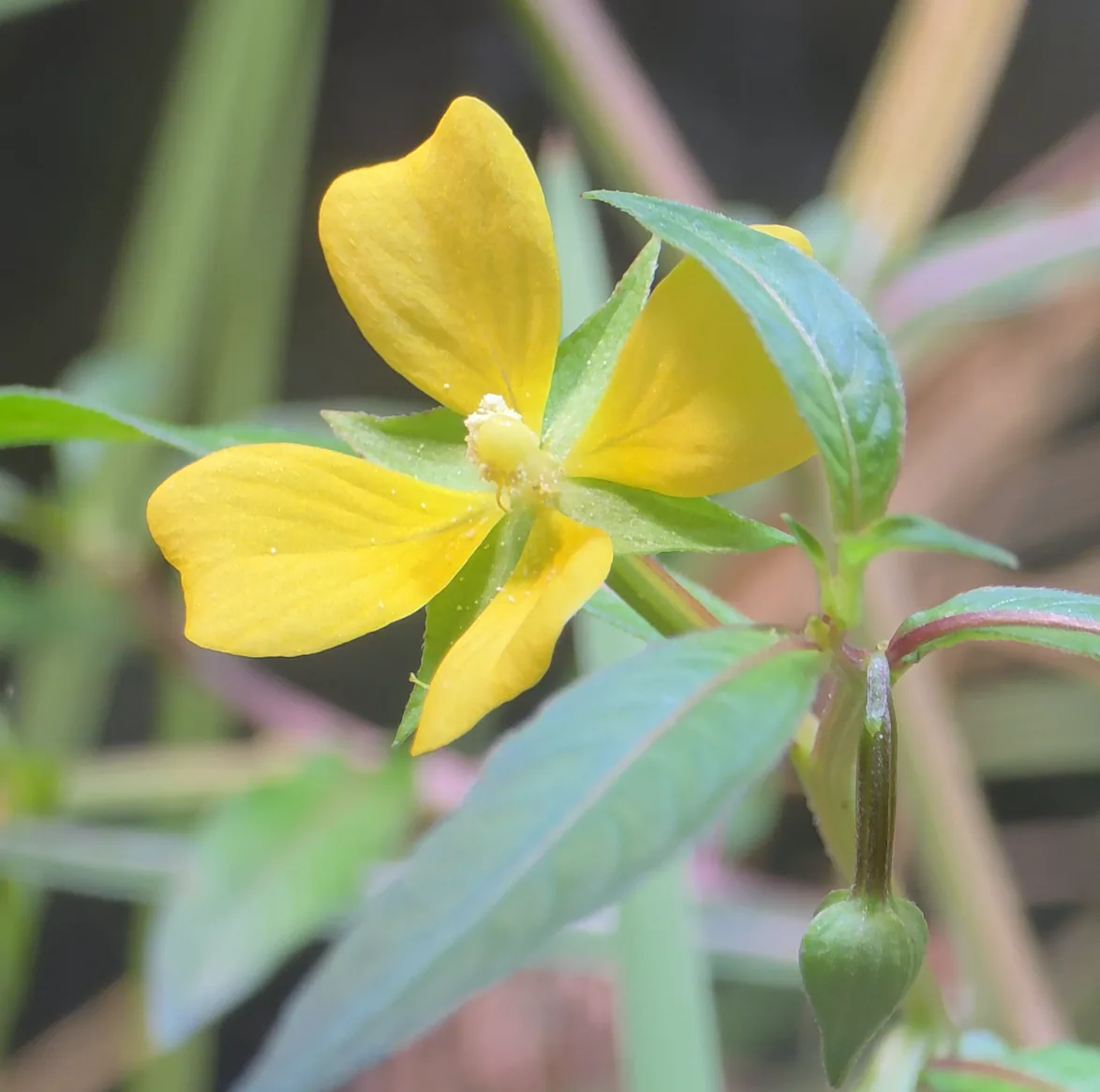
Mexican Primrose (Oenothera sp.) is a flowering broadleaf plant common in disturbed Florida habitats. Multiple evening-primrose species occur as natives or naturalized plants across the peninsula.

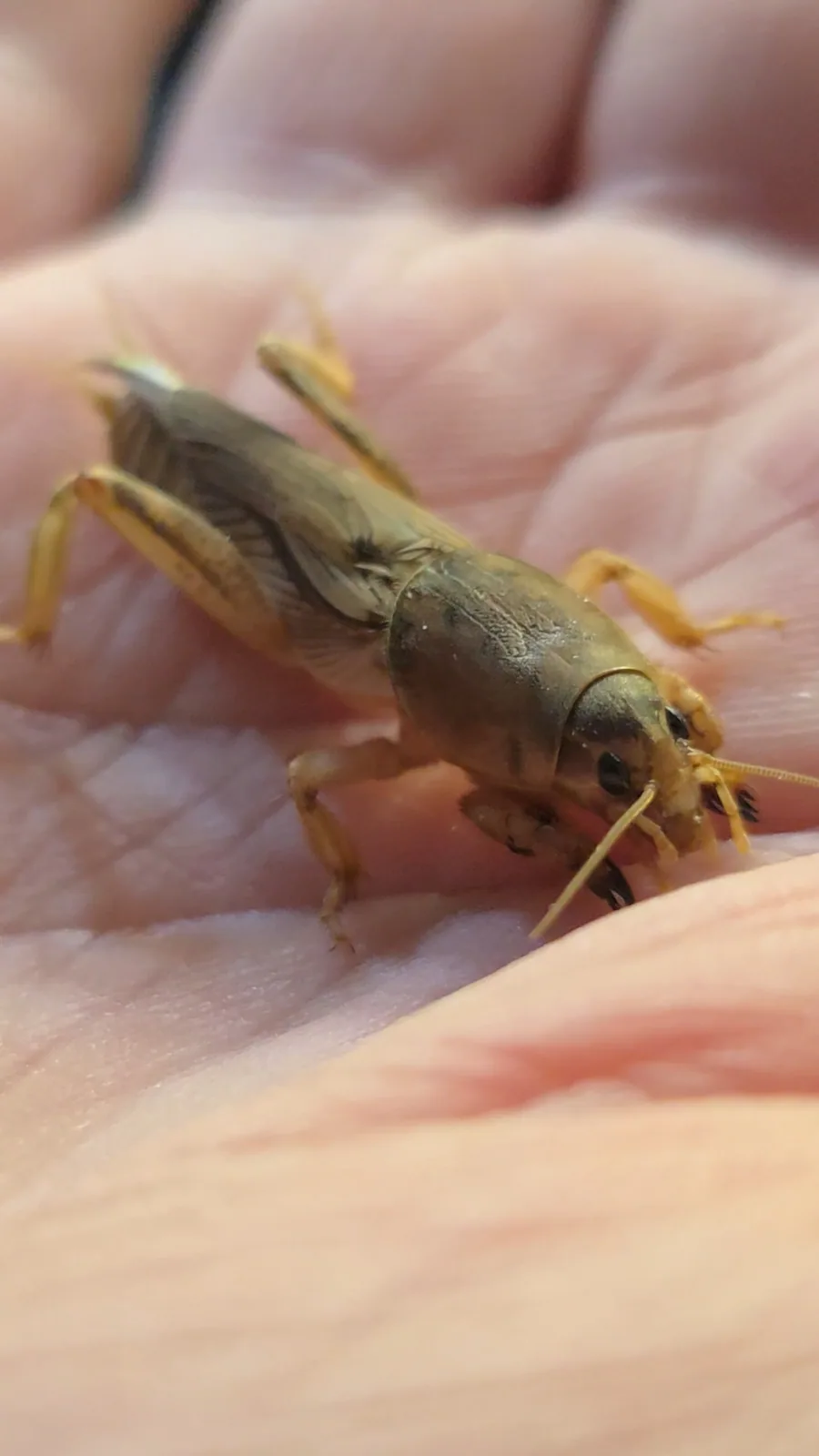
Mole Crickets (Neoscapteriscus spp.) are burrowing orthopteran insects that use powerful forelegs to tunnel through soil. They are significant turf and pasture pests in Florida, where introduced species (Tawny Mole Cricket, Southern Mole Cricket) have caused extensive damage. Their burrowing activity loosens and disturbs soil, damages grass roots mechanically, and can produce a characteristic soil-disturbance pattern at the surface. Males chirp from burrow entrances to attract females, producing a loud, persistent tone audible at considerable distance. The association between Mole Cricket introduction and grass decline in miniBIOTA's Lowland Meadow is consistent with root-feeding or mechanical soil disturbance, but drought, humidity change, herbivory by other species, and natural plant succession have not been ruled out as contributing factors.

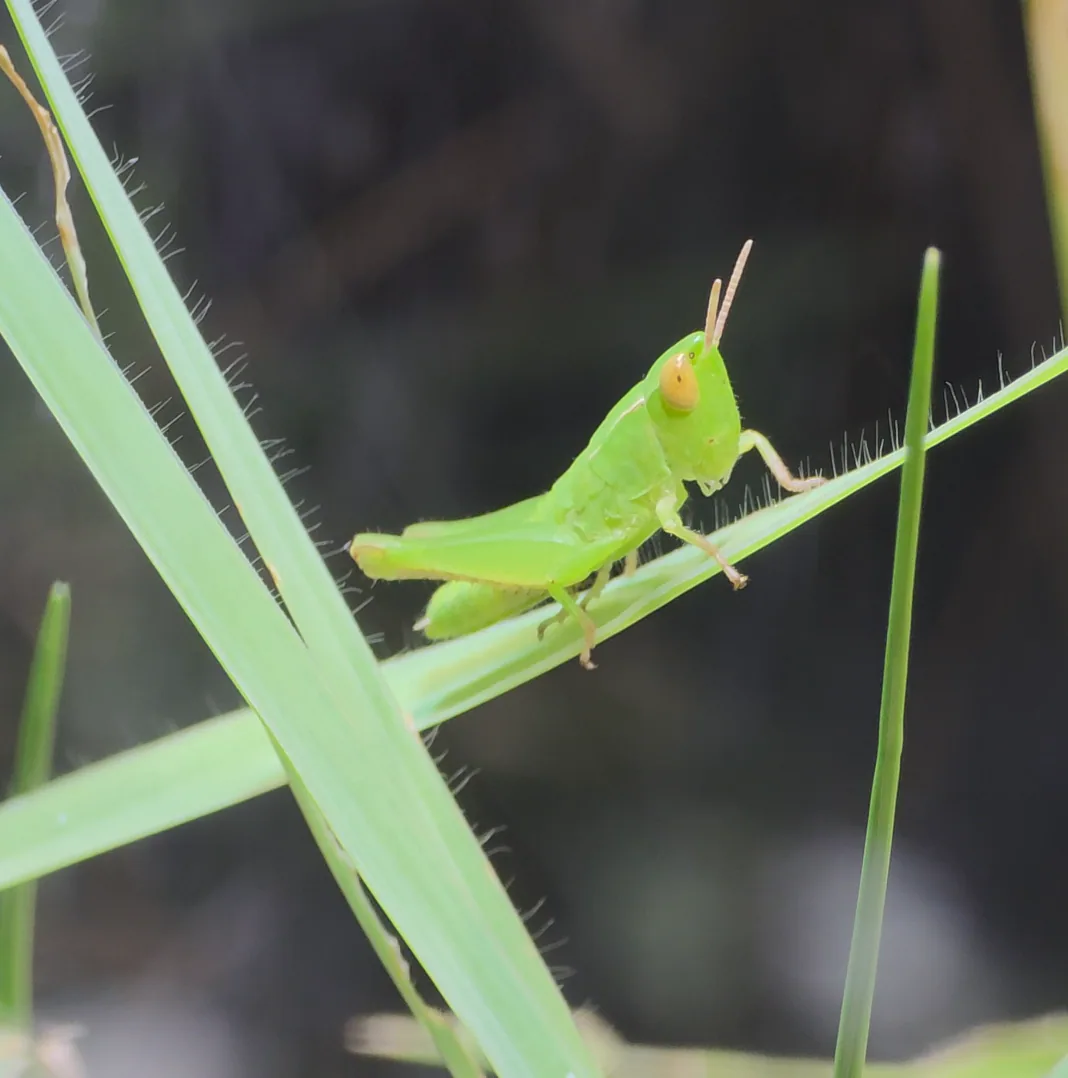
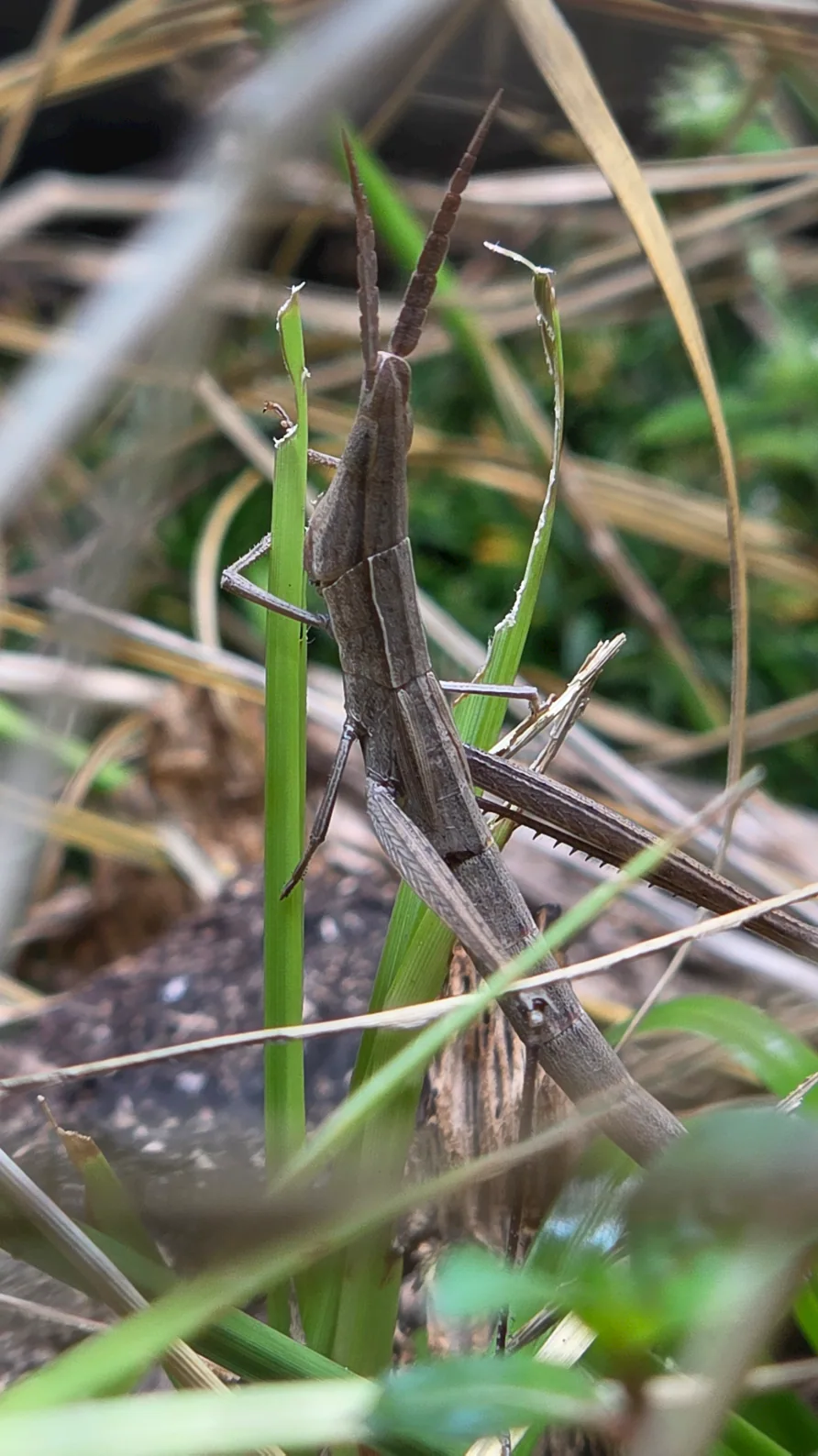
Ridgeback Sand Grasshoppers are the established grasshopper species in the Lowland Meadow and Marine Shore. They feed on grasses, broadleaf plants, and Ludwigia, and produce frass that isopods have been documented consuming. Three individuals (one female and two males) were documented as of early June 2026; the two males were not observed for approximately one week; the female was confirmed active in the Lowland Meadow on June 9, 2026, feeding normally despite a missing enlarged hind leg.

Autumn Yellow-winged Grasshopper (Arphia xanthoptera) is a band-winged grasshopper (Oedipodinae) found across eastern and central North America including Florida. Medium-sized, it is brownish-red in coloration with distinctive yellow hindwings visible in flight and black-and-white striping on the inner hind legs. It typically inhabits open, dry, or moderately vegetated habitats and feeds on grasses and forbs. It was introduced to the Lowland Meadow on June 1, 2026.

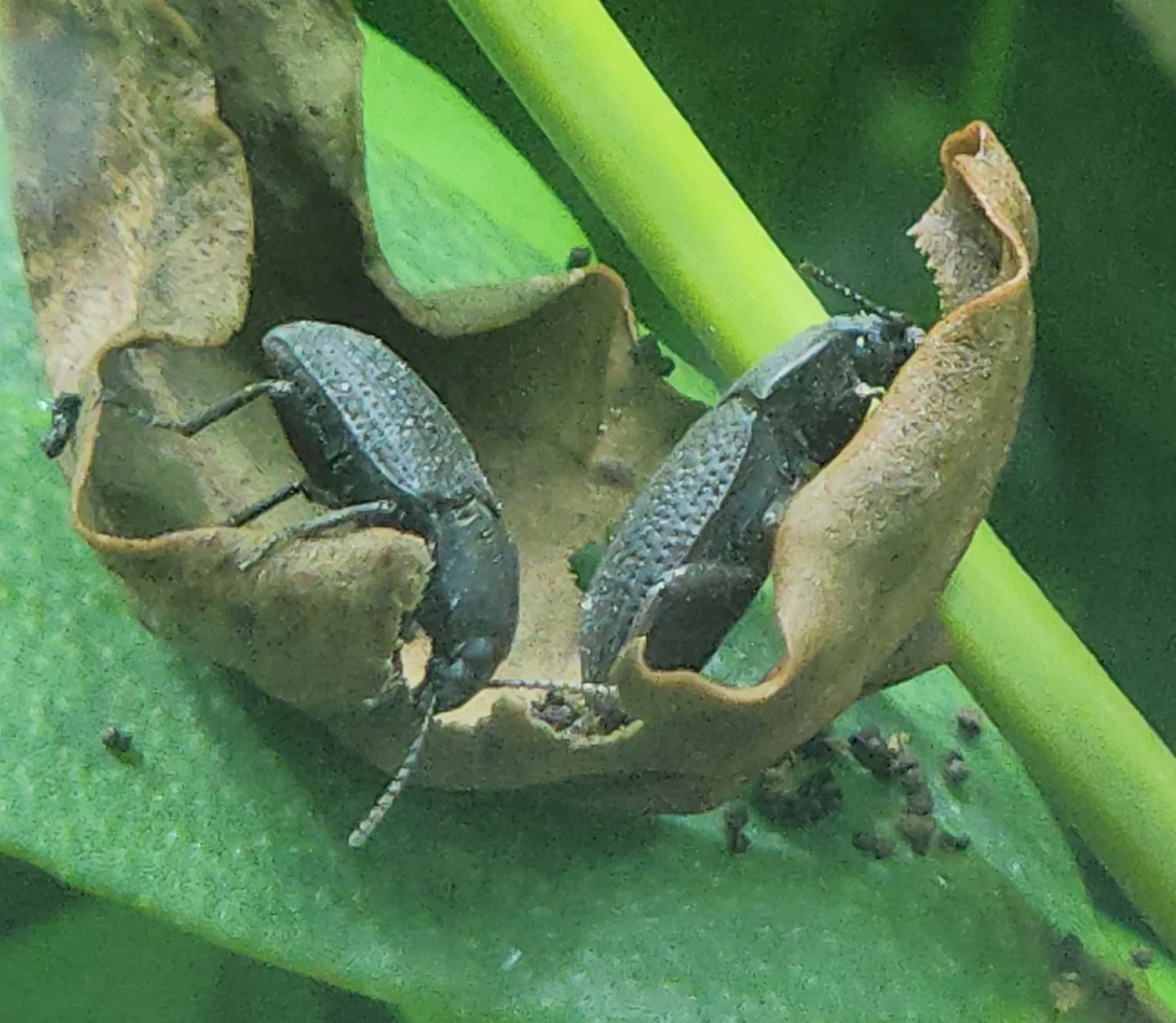
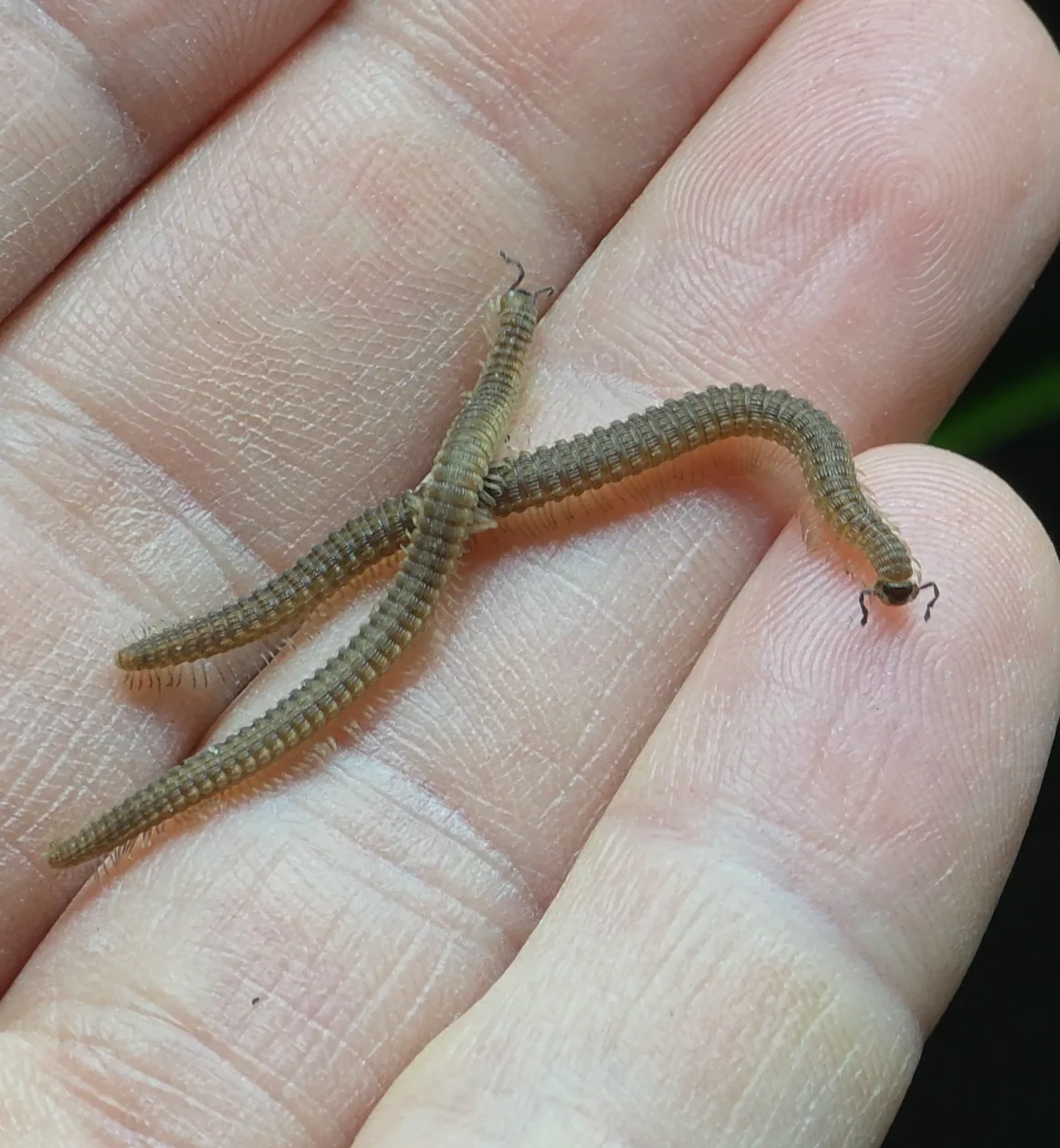
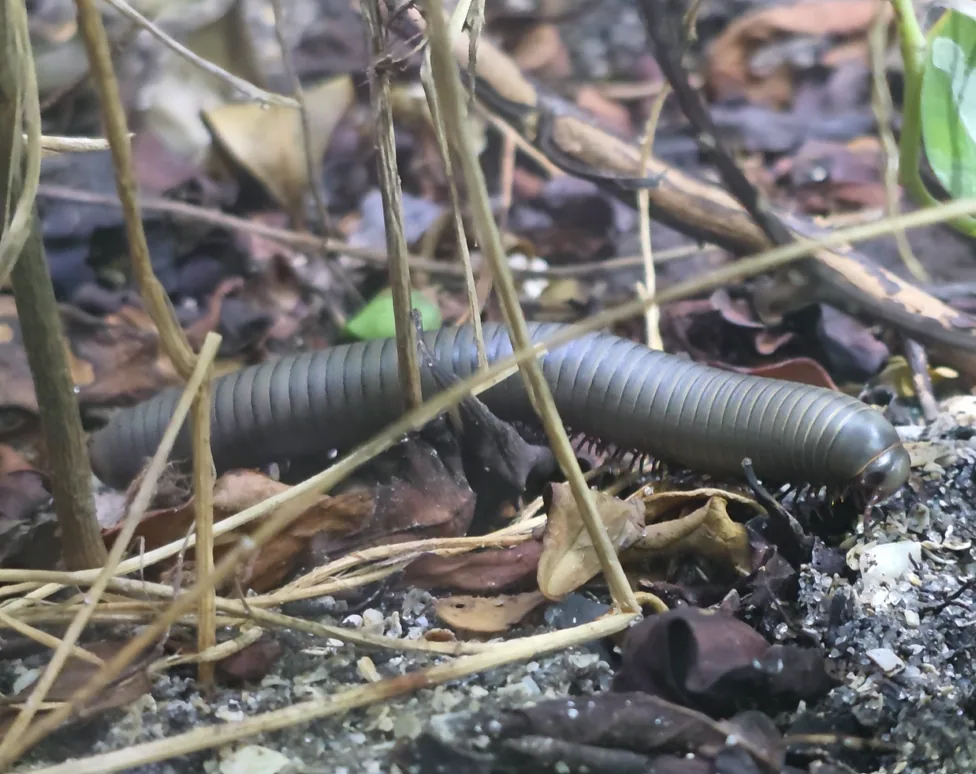
Smoky Oak Millipedes are large spirobolid millipedes (genus Narceus or similar) common across the eastern United States in forest and meadow floor litter. They feed on dead plant material, leaf litter, and decomposing organic matter, making them among the most effective large-body detritivores in the system. Their long-term persistence in the Lowland Meadow is a documented signal; whether they have bred and established a self-sustaining population is unresolved.

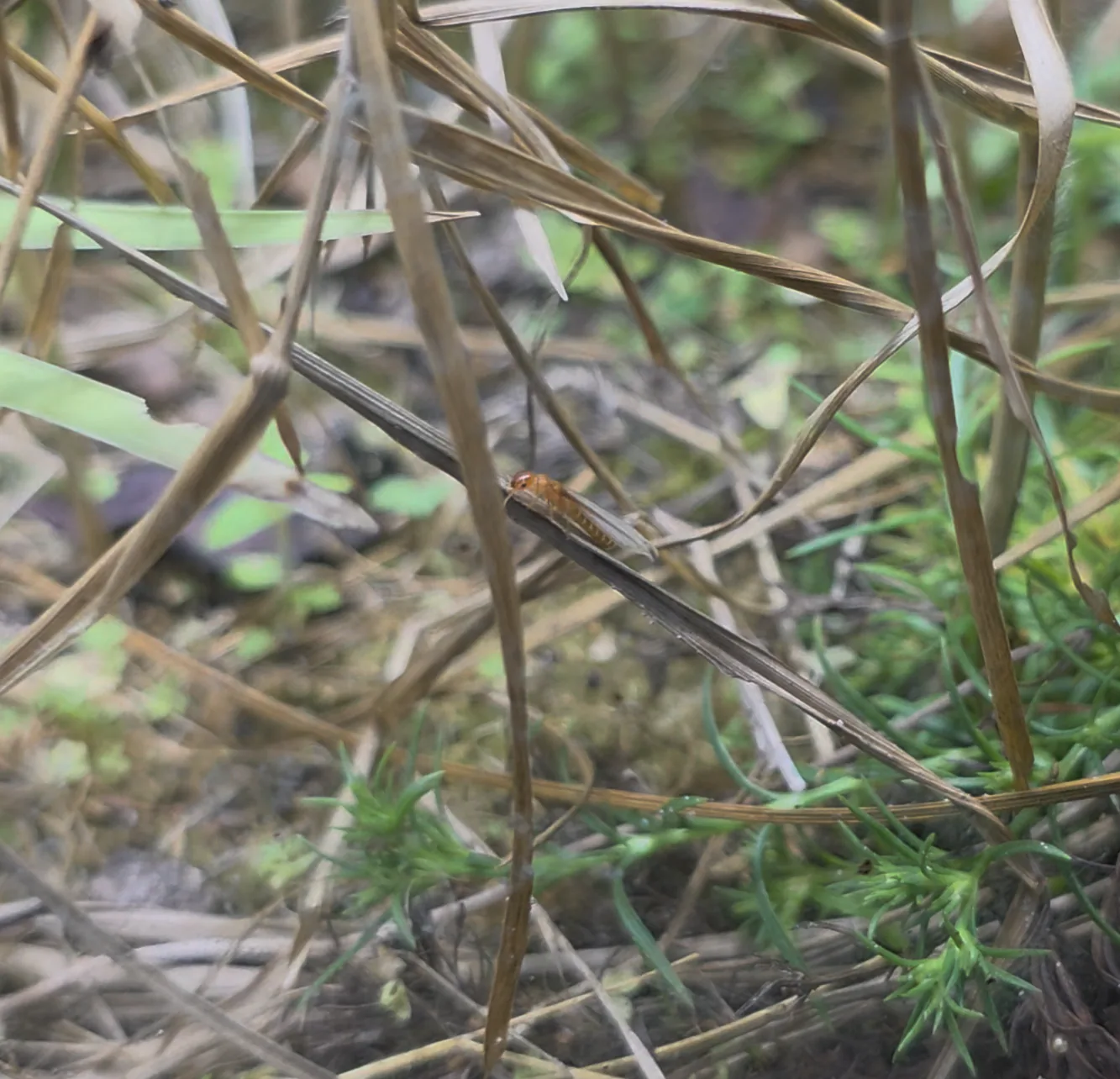
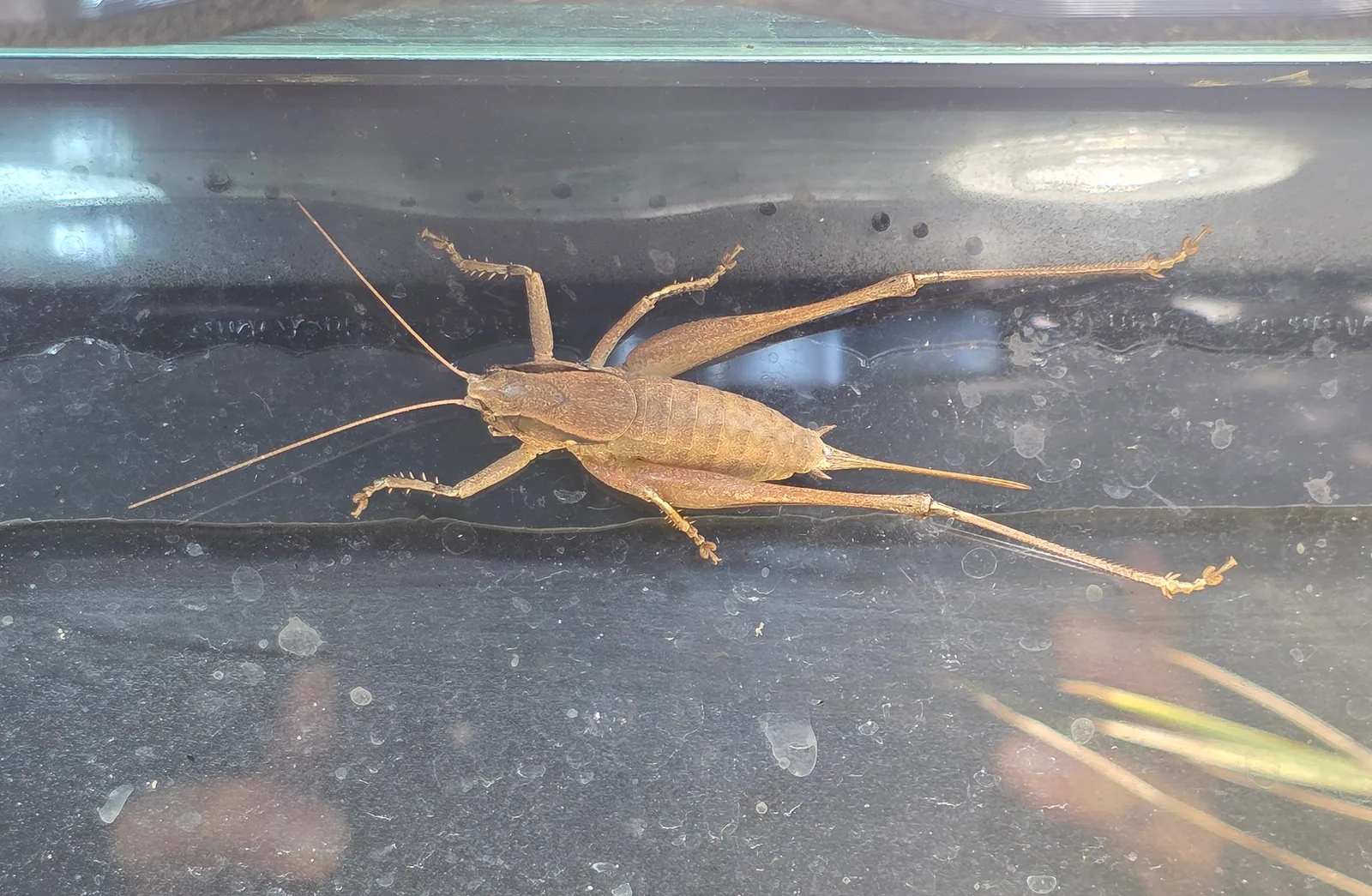
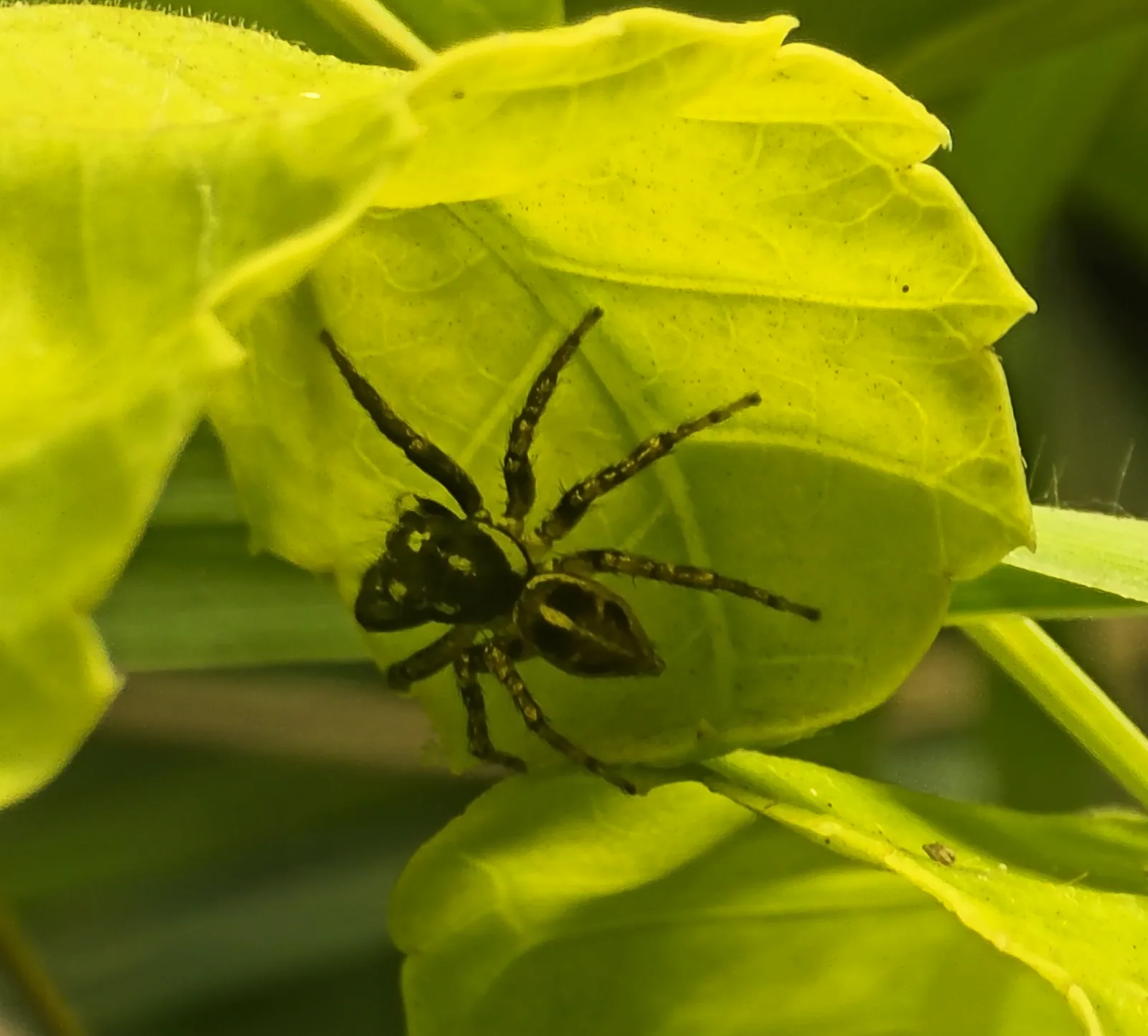
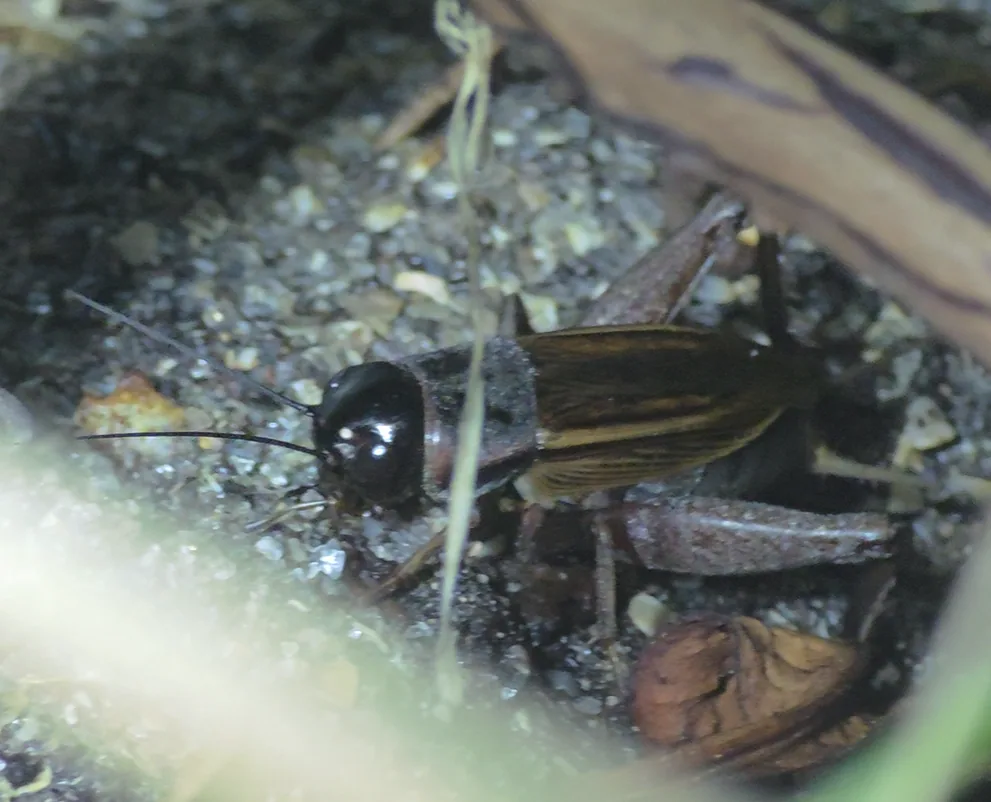
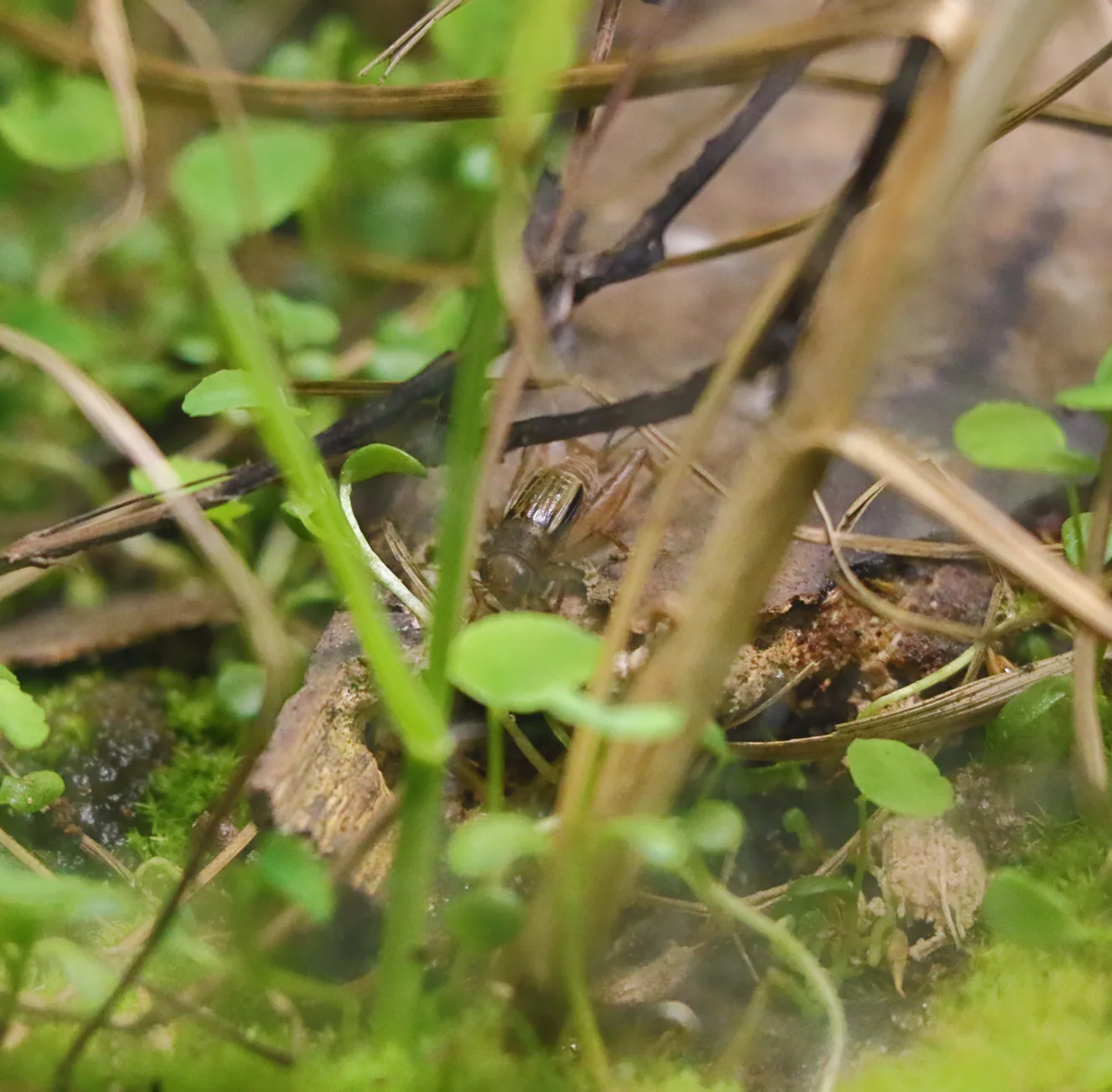
Field Crickets (Gryllus spp.) are common North American ground-dwelling crickets found widely across Florida. They are omnivores consuming plant material, detritus, and small invertebrates, and are important prey for many terrestrial predators. Multiple Gryllus species occur in Florida and are difficult to distinguish without adult male wing patterns or song. Whether field crickets can persist and breed across generations in the Lowland Meadow depends on mating success, egg-laying in suitable substrate, nymph survival, and predator pressure.

Key Ecological Processes

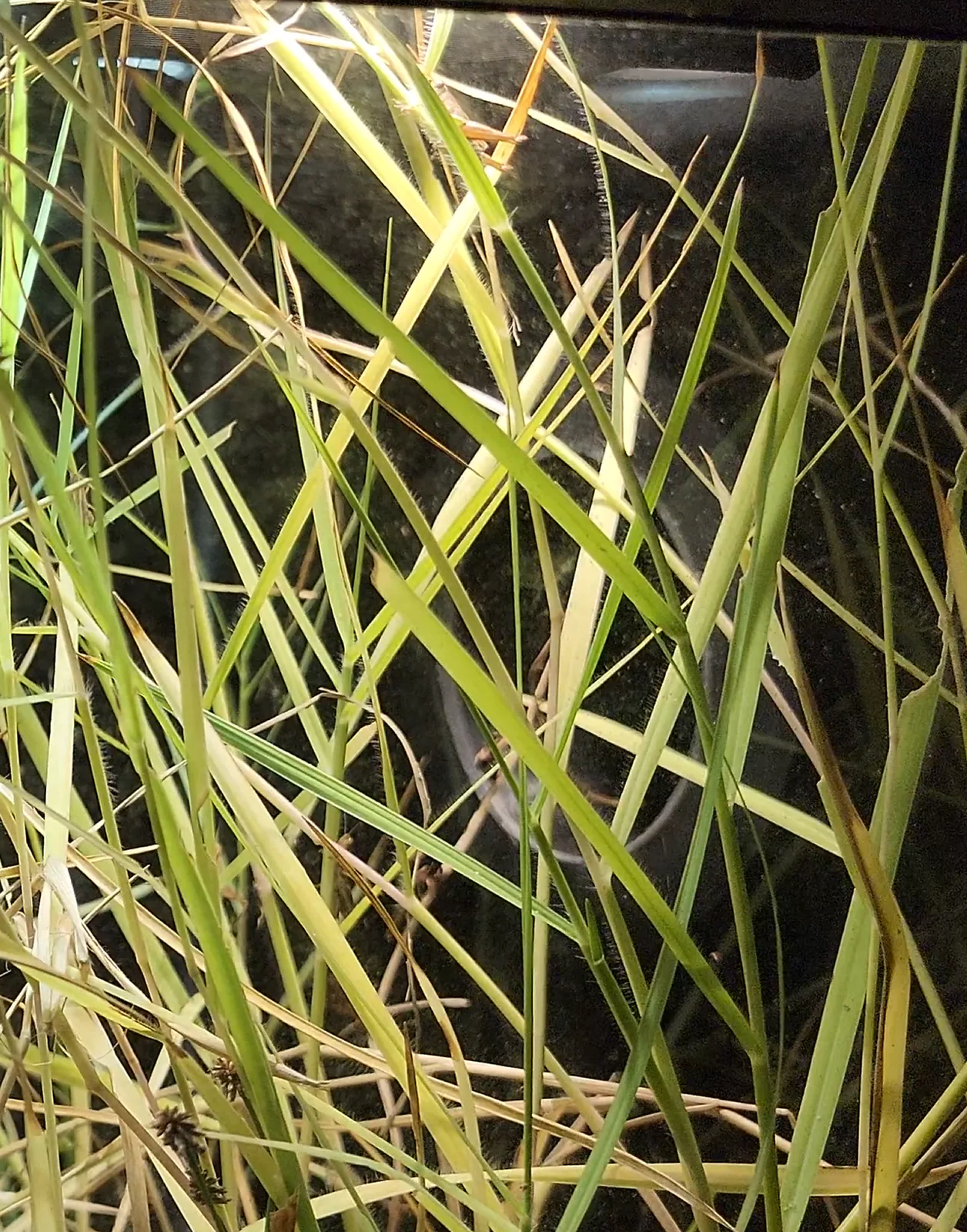
Primary production and plant succession: Grasses, Mexican primrose, creeping beggarweed, and broadleaf plants compete for light and nutrients in the Lowland Meadow. The meadow is under active succession pressure: grass decline associated with Mole Cricket activity, herbivory from grasshoppers, and possible humidity changes all affect which plant species dominate over time. Seed-bank-driven succession is noted in the substrate profile.

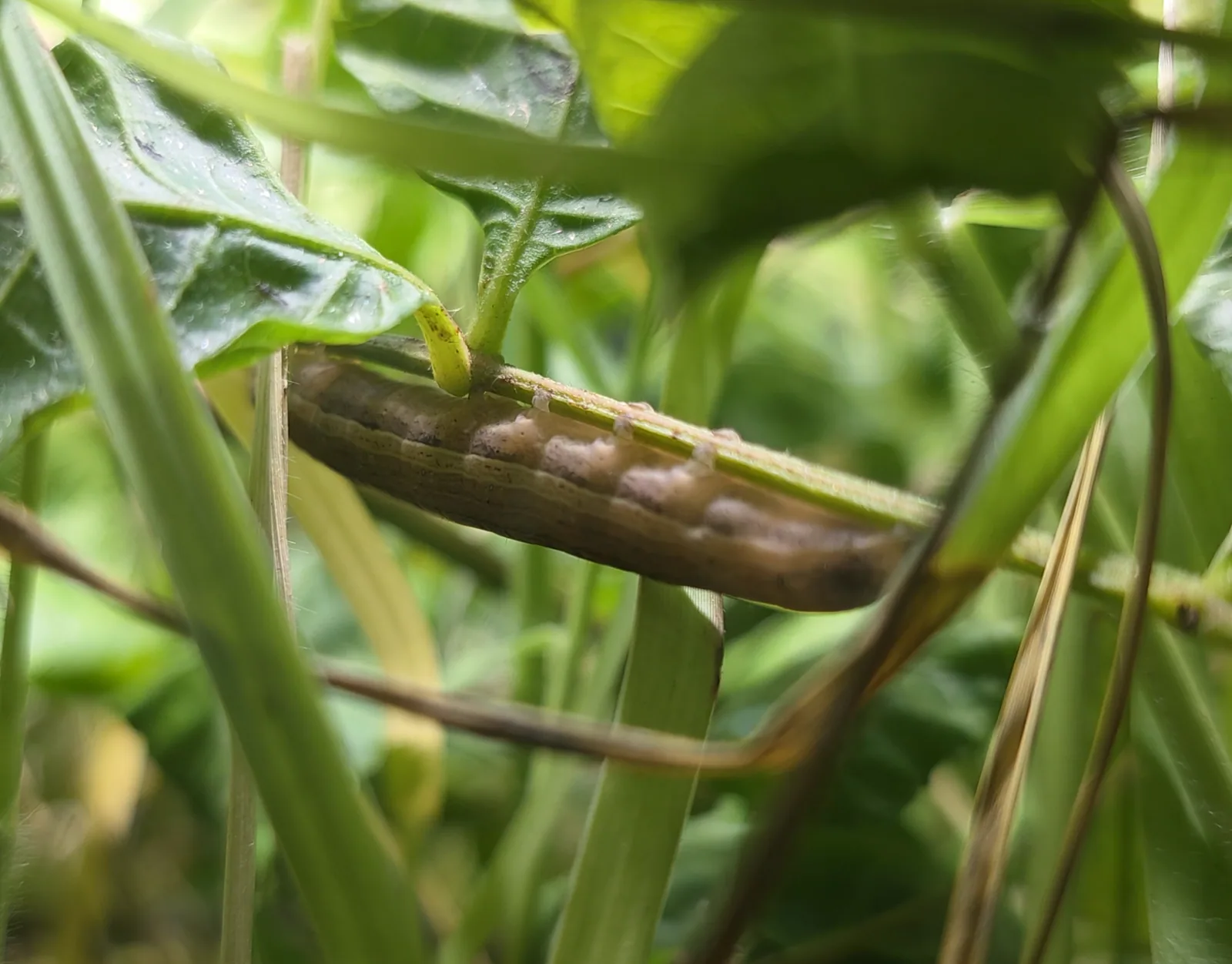
Herbivory and frass production: Ridgeback Sand Grasshoppers, field crickets, the Autumn Yellow-winged Grasshopper, and armyworms (trialed; outcome unresolved) all consume plant material in the Lowland Meadow. Frass from grasshoppers was directly observed being consumed by isopods, a clear detritivore link in the food web.

Mole Cricket burrowing and soil disturbance: The single confirmed Mole Cricket has produced tunnel evidence, burrow activity, and nightly chirping in the Lowland Meadow. Burrowing disturbs soil, can damage grass roots, and aerates the substrate. The grass decline documented after the Mole Cricket introduction may be connected to this burrowing activity, though causality is unconfirmed.

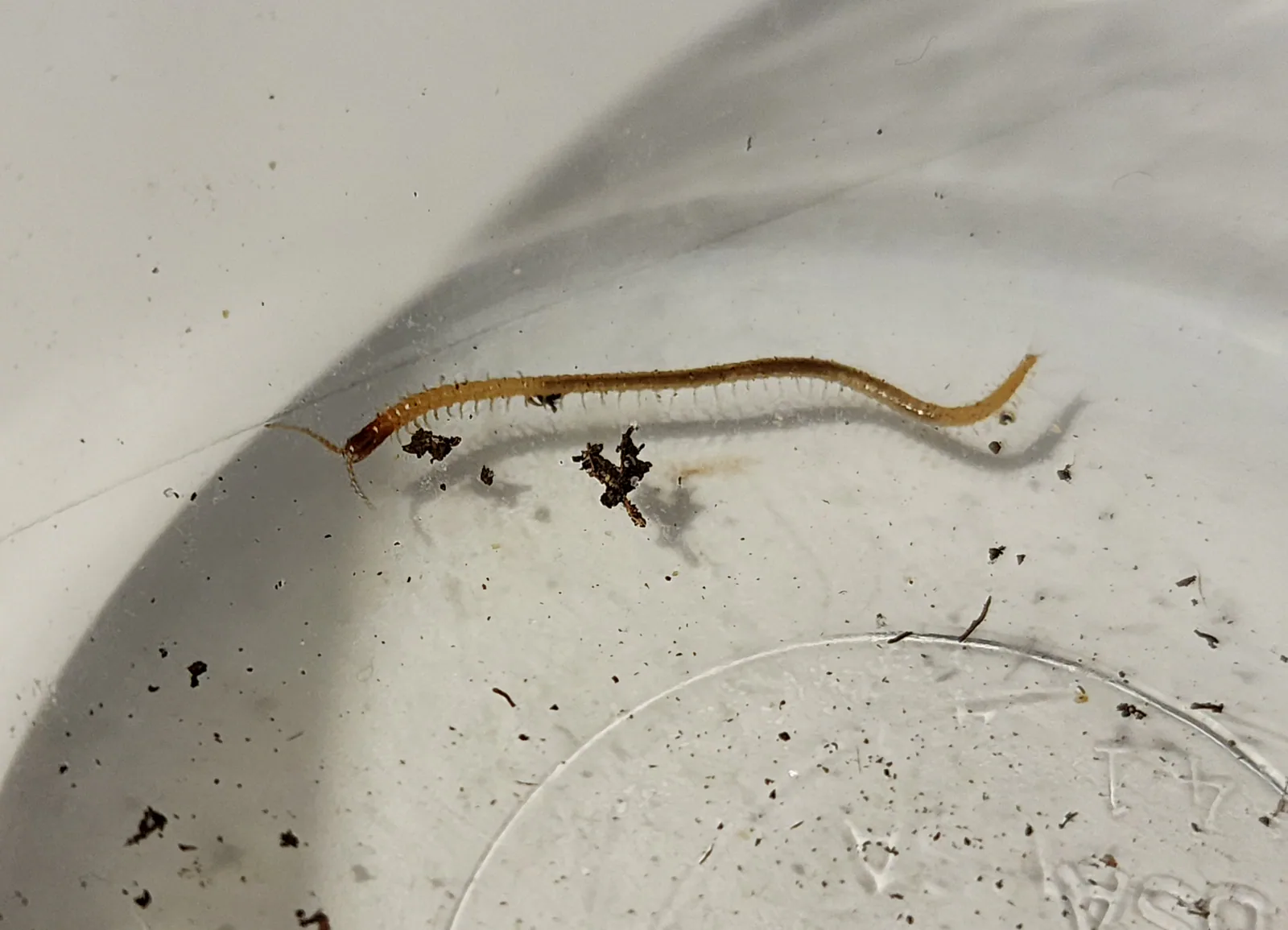
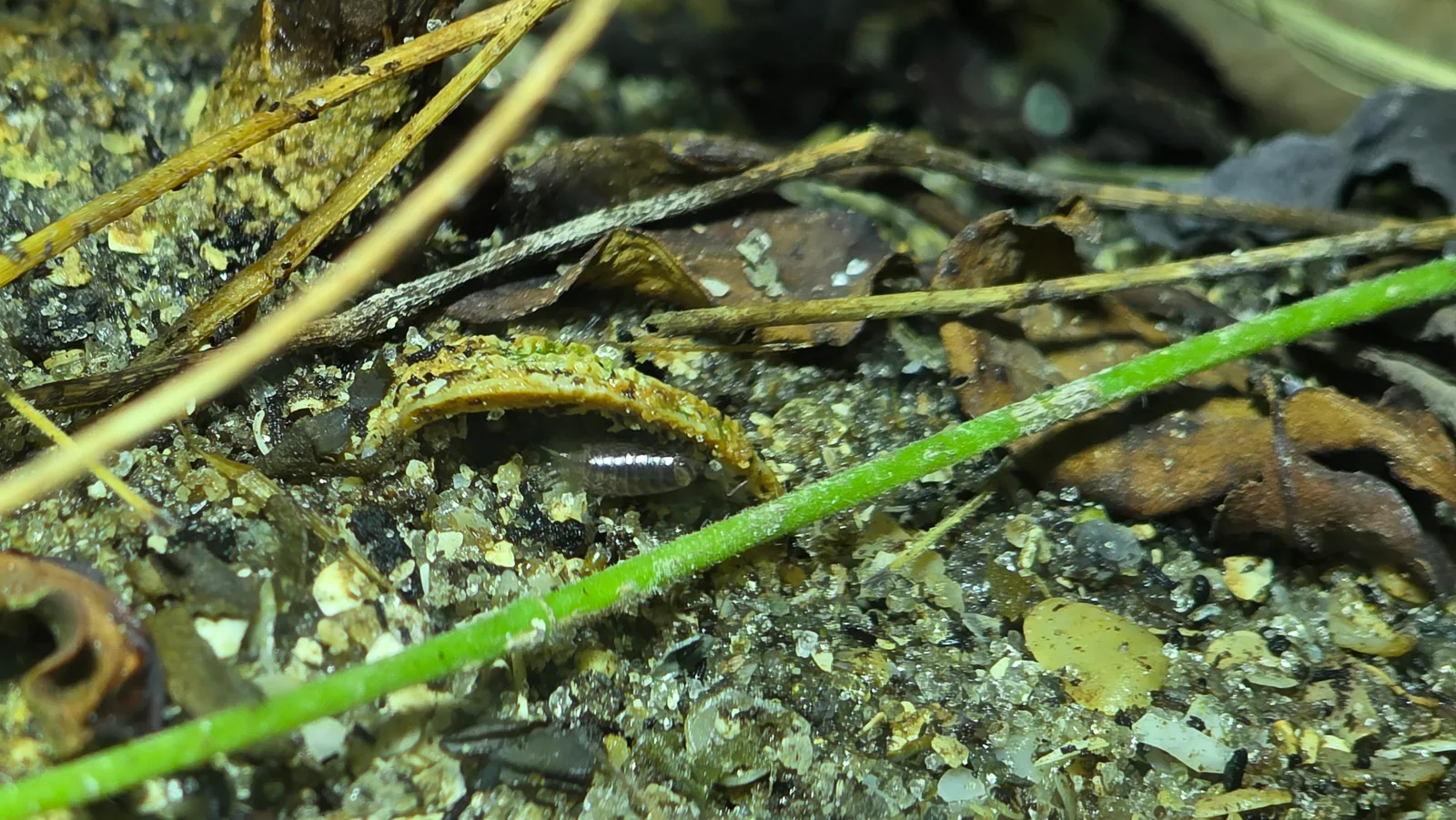
Detritivore processing: Smoky Oak Millipedes, isopods, springtails, cockroaches, and worms process dead plant material, frass, and organic detritus in the Lowland Meadow substrate. This layer is the primary decomposition engine for the biome. Isopod consumption of grasshopper frass was directly observed.

Nitrogen cycling context (unconfirmed): Creeping beggarweed's legume biology suggests the potential for nitrogen fixation in the root zone. Whether rhizobial bacteria are active in the Lowland Meadow and whether fixed nitrogen is contributing to plant nutrition are unresolved. This is a context-level observation, not a confirmed mechanism.

Downhill nutrient flow: The Lowland Meadow is positioned above the Lakeshore and Freshwater Lake in the miniBIOTA layout. Rain falling on the meadow drains downhill toward the Lakeshore, potentially carrying dissolved nutrients, organic matter, and arthropod frass down the moisture gradient. This hydrologic connection has not been measured.

Physical Structure

The Lowland Meadow occupies the highest and driest terrestrial position in miniBIOTA, above the Lakeshore and adjacent to or overlapping with the Mangrove Forest at the terrestrial edge. The substrate is dense organic-rich soil with moisture retention capacity and a seed bank that drives plant succession. The organic richness of the soil reflects years of detritivore processing, plant root decay, and frass accumulation since November 2022. There is no standing water, and the moisture regime is driven by the miniBIOTA rain system delivering periodic rainfall from above.

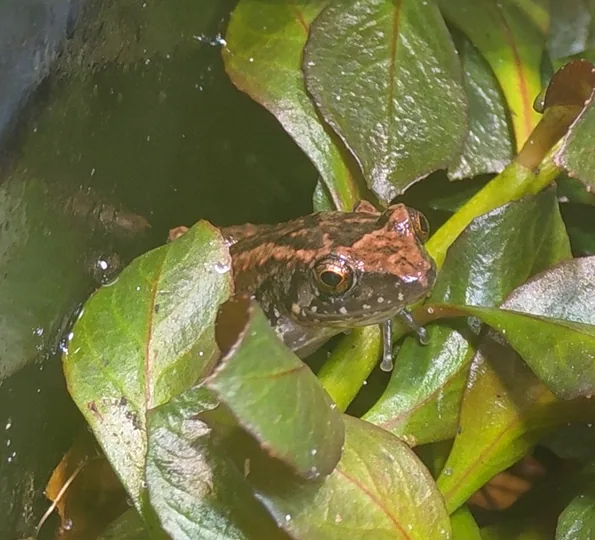
Ecological Role in miniBIOTA

The Lowland Meadow is the primary upland food-web habitat and the most terrestrially isolated biome in the system. It functions as:

Primary herbivore layer: Grasshoppers, crickets, and the Mole Cricket are the most diverse and active herbivore community in the terrestrial realm. They convert grasses, forbs, and broadleaf plants into animal biomass and frass, which then fuels the detritivore community.

Detritivore and soil-processing zone: Smoky Oak Millipedes, isopods, springtails, cockroaches, and worms process organic matter in the Lowland Meadow soil, returning nutrients to plant-available forms and building soil structure over time. This is the primary soil-food-web node in miniBIOTA.
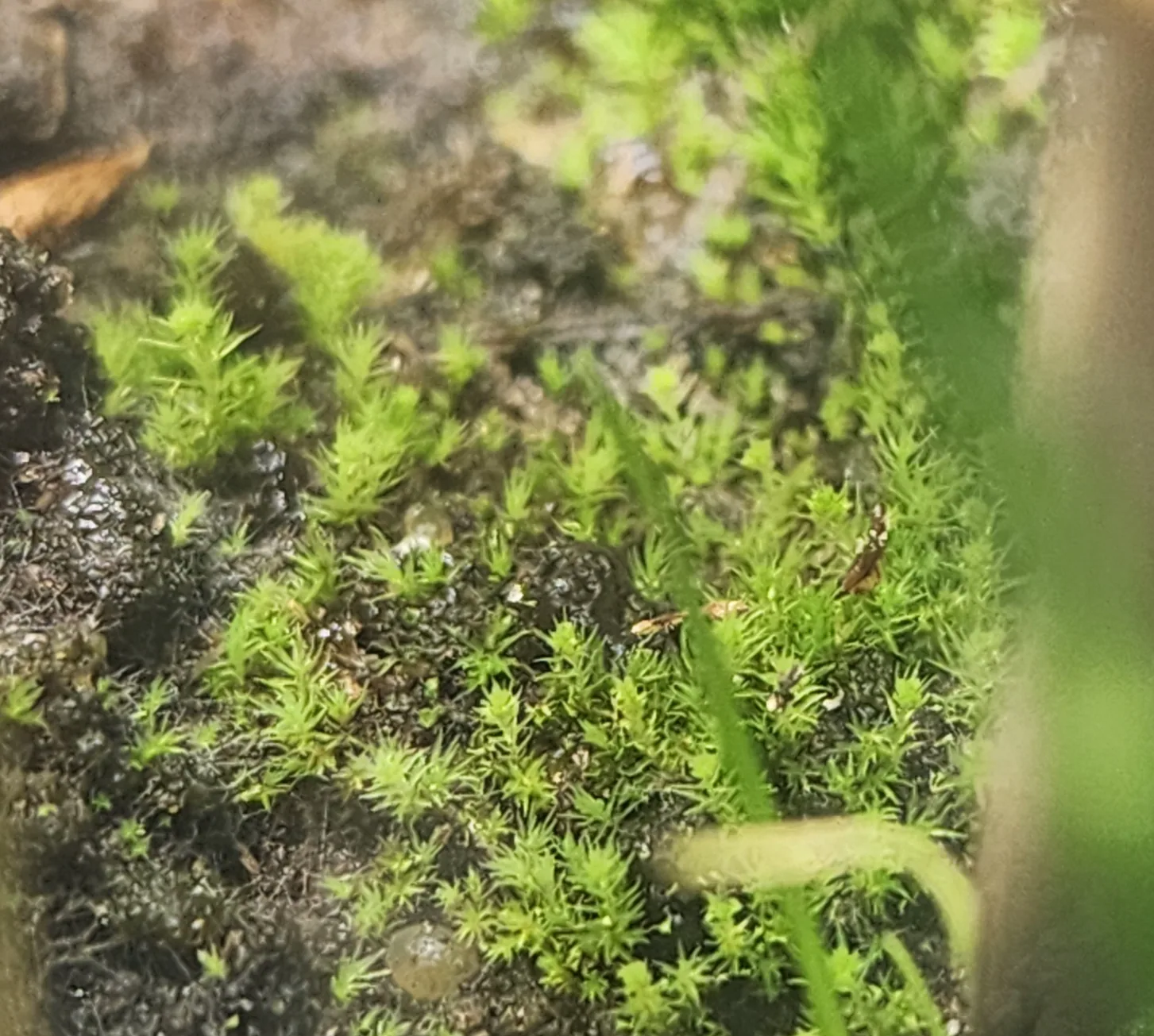
Precipitation receiving zone: The Lowland Meadow is the first terrestrial biome to receive rainfall in the rain cycle. Excess moisture drains downhill to the Lakeshore and Freshwater Lake, making the Lowland Meadow the uphill end of the freshwater system's hydrological gradient.

Cross-biome connections are primarily through the Lakeshore (downhill water movement, possible Amber Snail and Ridgeback Sand Grasshopper movement) and the Mangrove Forest (lateral adjacency; Ridgeback Sand Grasshopper has been observed feeding in both the Marine Shore and Lowland Meadow contexts).

Key Species and Functional Groups

Primary Producers

  • Grasses: multiple grass species; under herbivory pressure from grasshoppers, crickets, and possible Mole Cricket root disturbance; grass decline has been documented
  • Mexican Primrose (Oenothera sp.): flowering broadleaf; part of the Lowland Meadow's native/naturalized plant community
  • Creeping Beggarweed (Desmodium incanum): native Florida legume; possible nitrogen-fixing legume context; not confirmed as actively fixing nitrogen in miniBIOTA
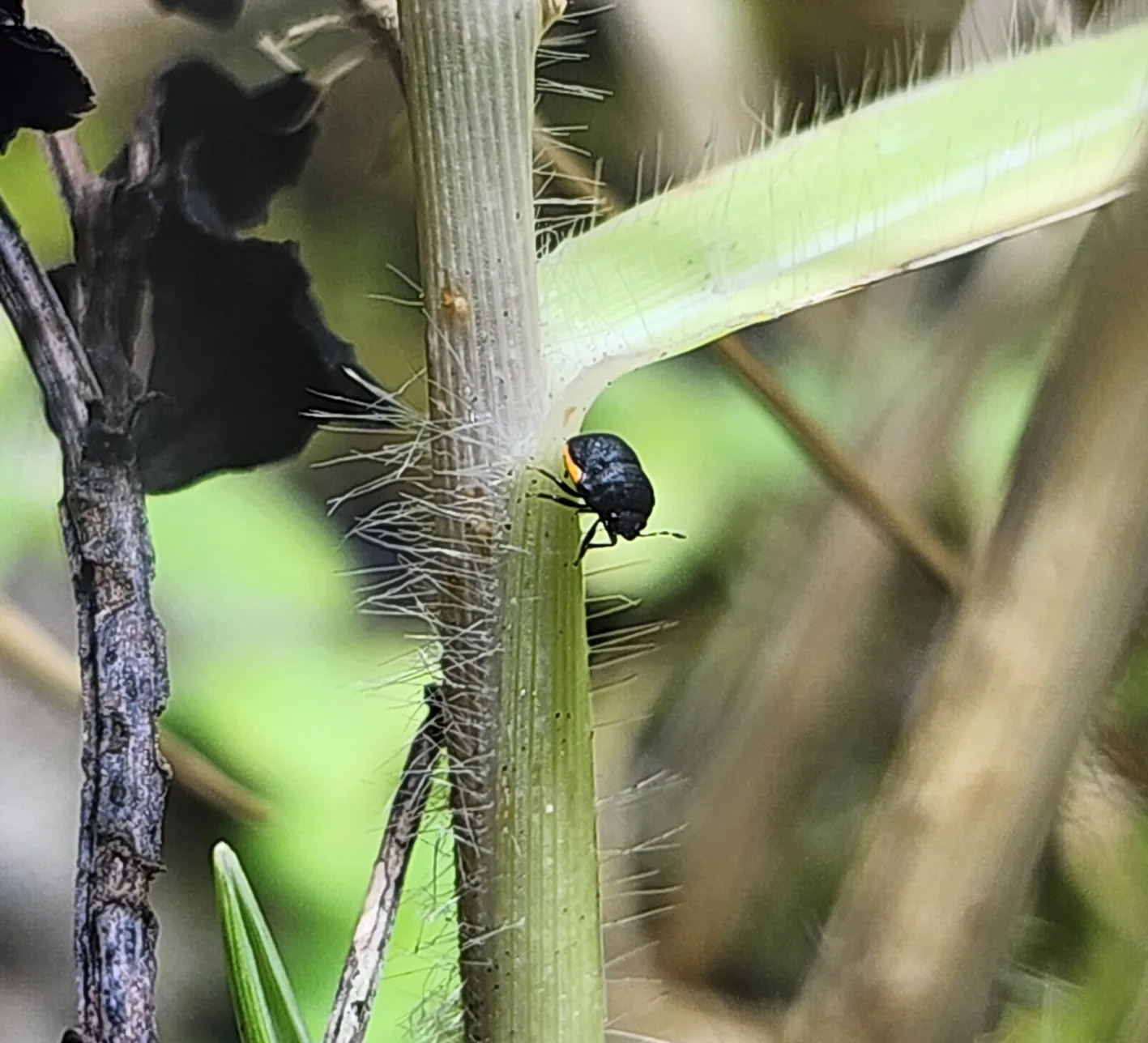
  • Broadleaf plants: varied forbs; provide herbivory resources for grasshoppers and crickets
  • Moss: low-growing; moisture-sensitive; present in moist substrate zones
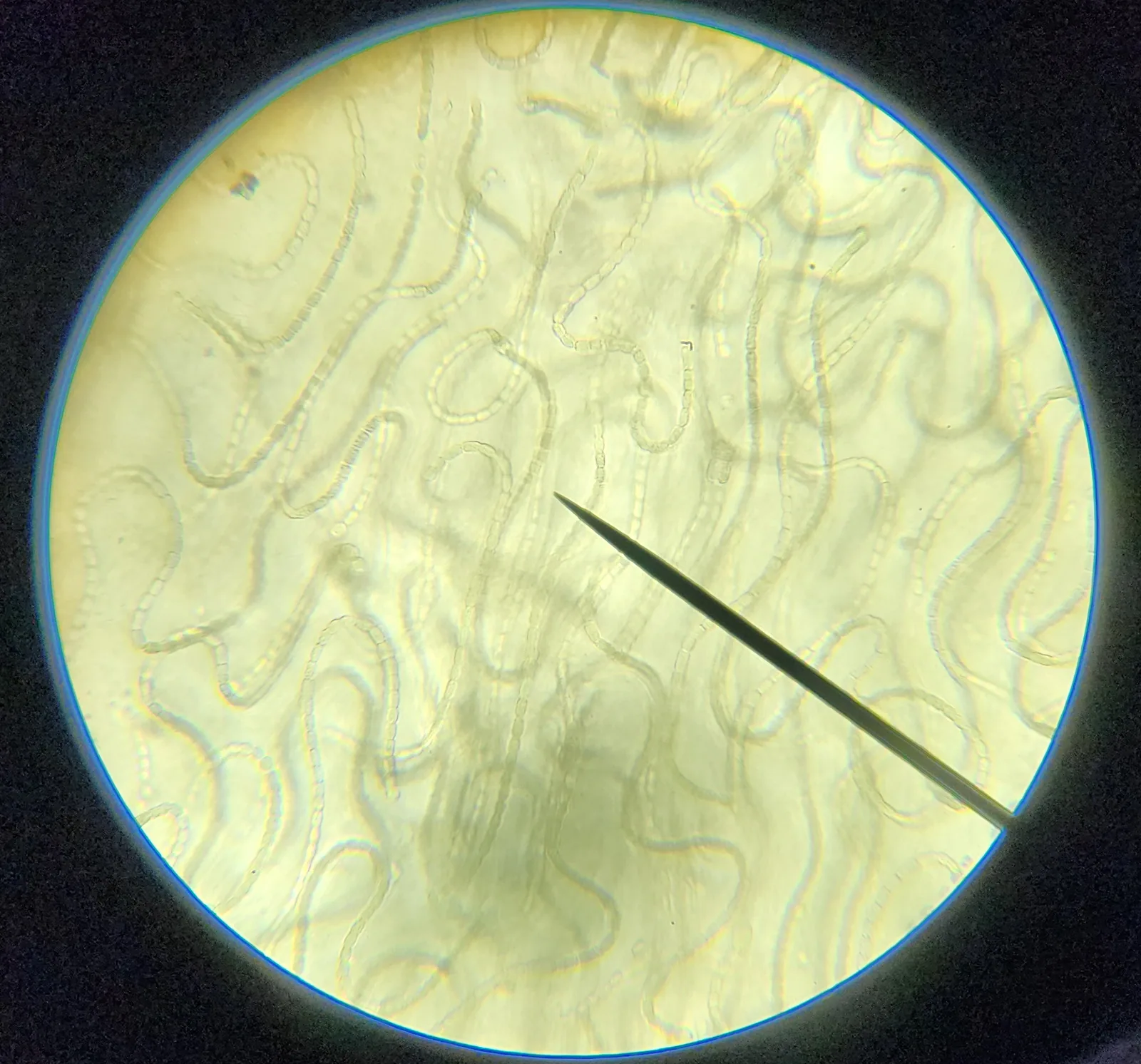
  • Algae or cyanobacteria: present on moist soil surfaces where moisture and light allow

Herbivores and Grazers

  • Ridgeback Sand Grasshopper: established grasshopper species; persisted, molted, fed, and produced frass in the Lowland Meadow; one female confirmed active June 9, 2026 (obs-283) despite missing enlarged hind leg; two males not observed for approximately one week as of June 9, 2026; fate of males unresolved
  • Autumn Yellow-winged Grasshopper (Arphia xanthoptera): introduced June 1, 2026 (obs-275); medium-sized, brownish-red, black-and-white stripes on inner hind legs, yellow hindwings; survival, feeding, establishment unresolved
  • Field Crickets (Gryllus spp.): multiple introductions; 3 adult female field crickets documented before May 2026; 1 male nymph (species unresolved) introduced May 24, 2026 (obs-272); 2 additional large adult females introduced June 5, 2026 (obs-281); total documented: at least 6 field crickets as of June 5, 2026; breeding and establishment unresolved
  • Armyworms: trialed as vegetation-control herbivores; persistence and vegetation-control outcome unresolved

Burrowers

  • Mole Cricket (Neoscapteriscus sp.): one male confirmed by nightly chirping; tunnel evidence, burrow activity, and chirping documented; associated with grass decline (causality unresolved); soil-disturbing burrower

Detritivores and Decomposers

  • Smoky Oak Millipede (Narceus sp. or related): large-bodied detritivore; long persistence signal in Lowland Meadow; feeds on dead plant material, leaf litter, and decaying organic matter; breeding unresolved
  • Isopods: directly observed consuming Ridgeback Sand Grasshopper frass (clear detritivore link in food web); primary surface detritivores
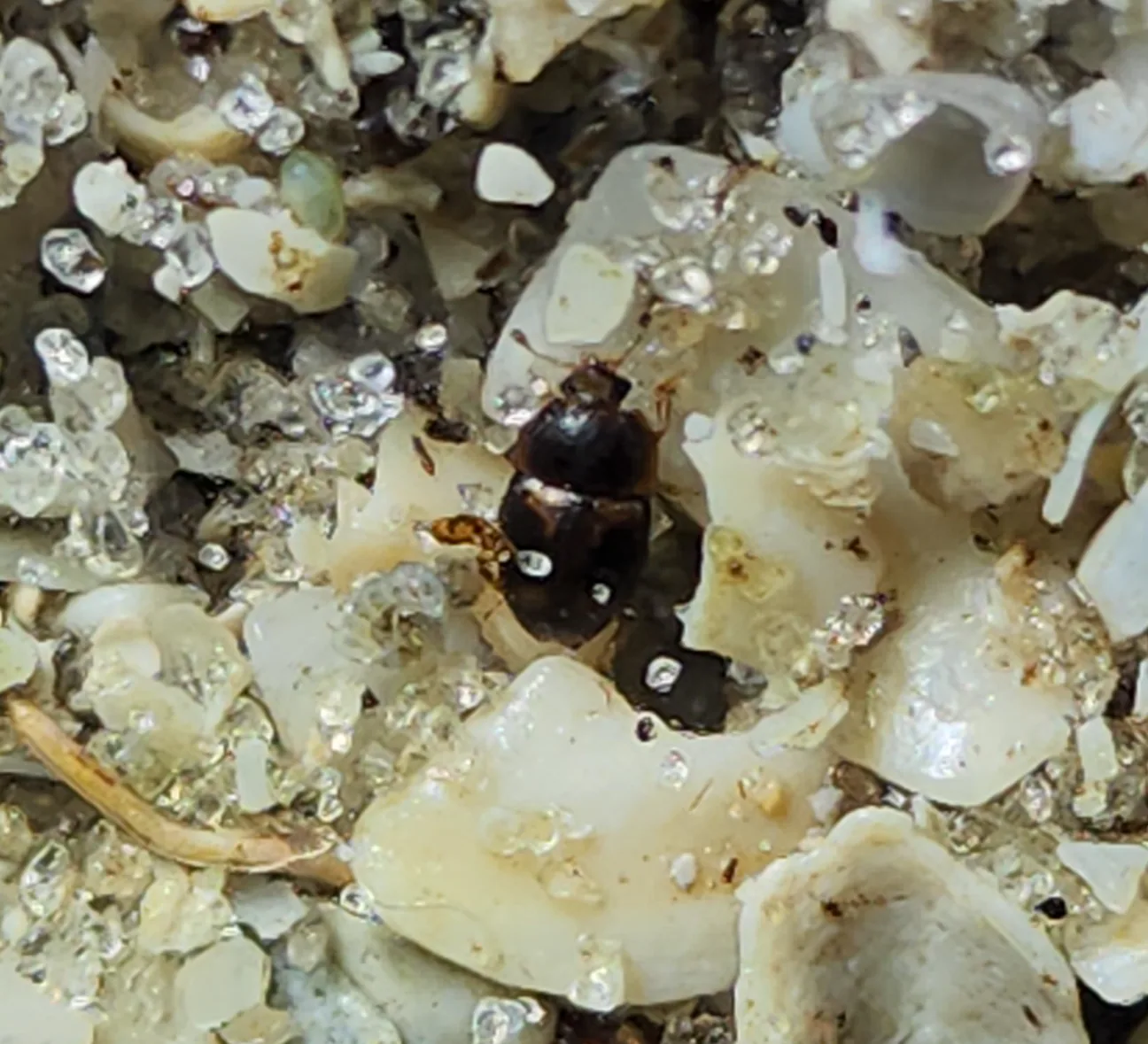
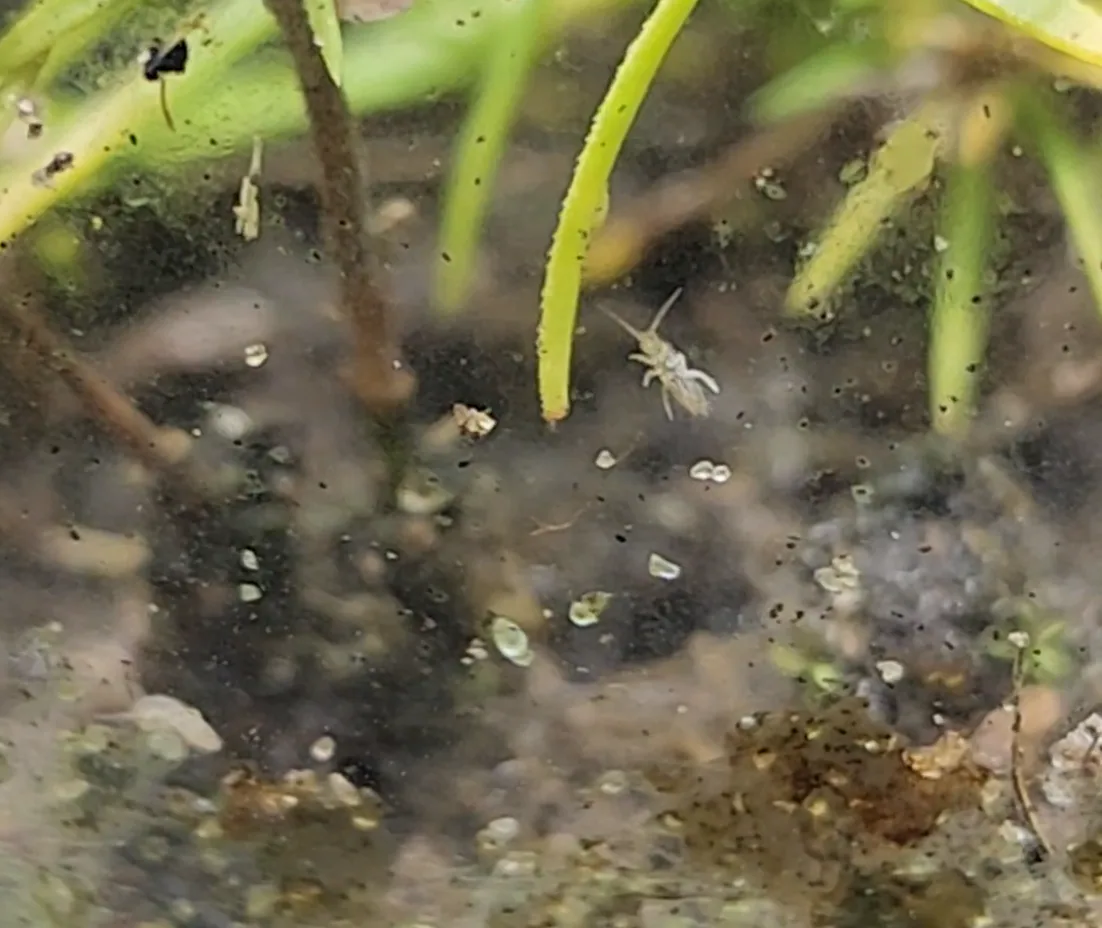
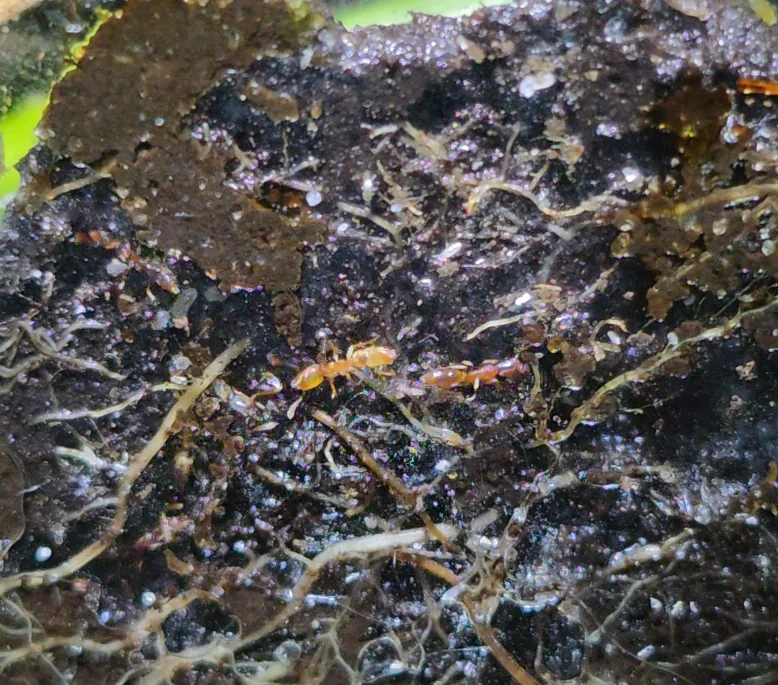
  • Springtails: soil-dwelling micro-detritivores; process fine organic matter in substrate
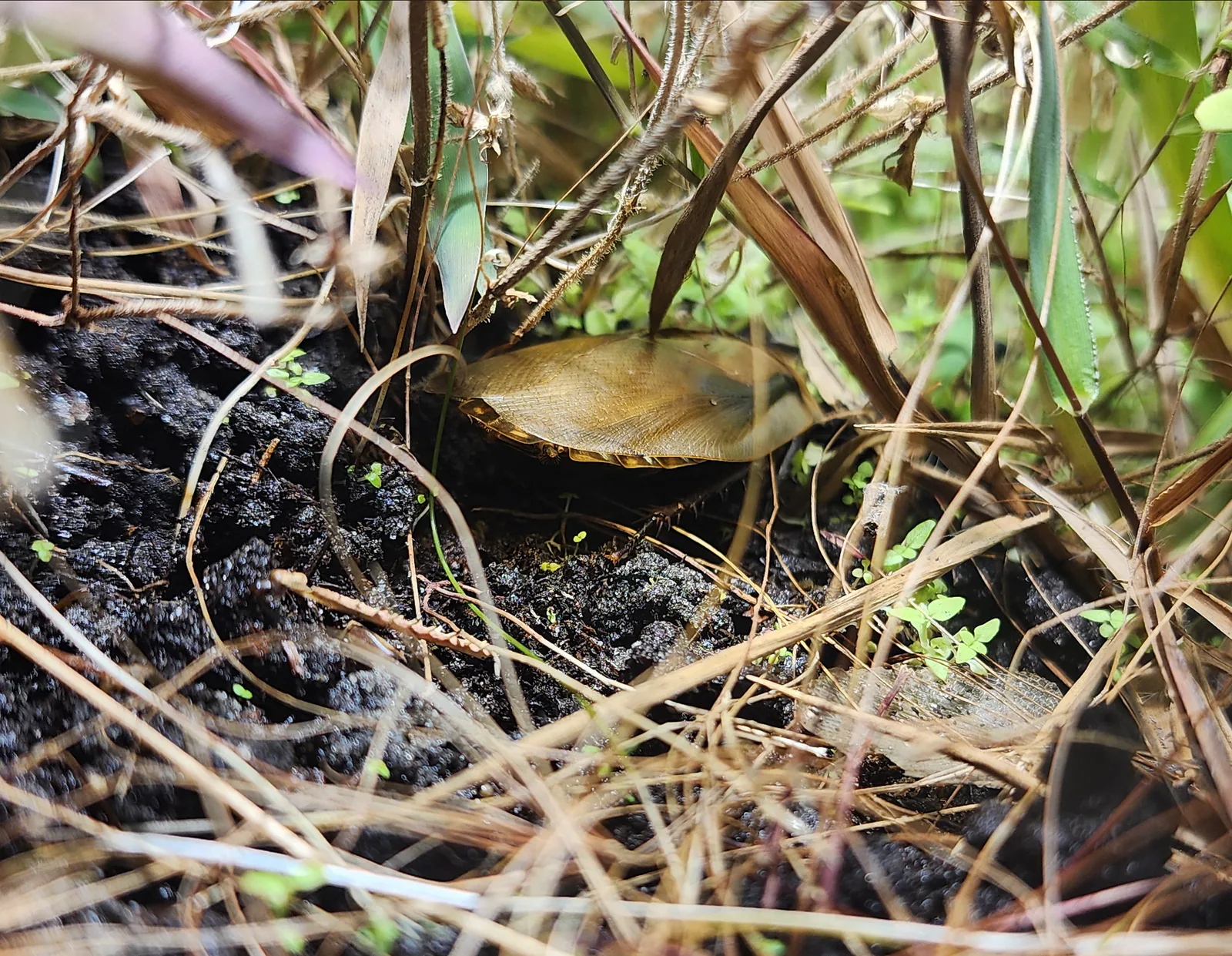
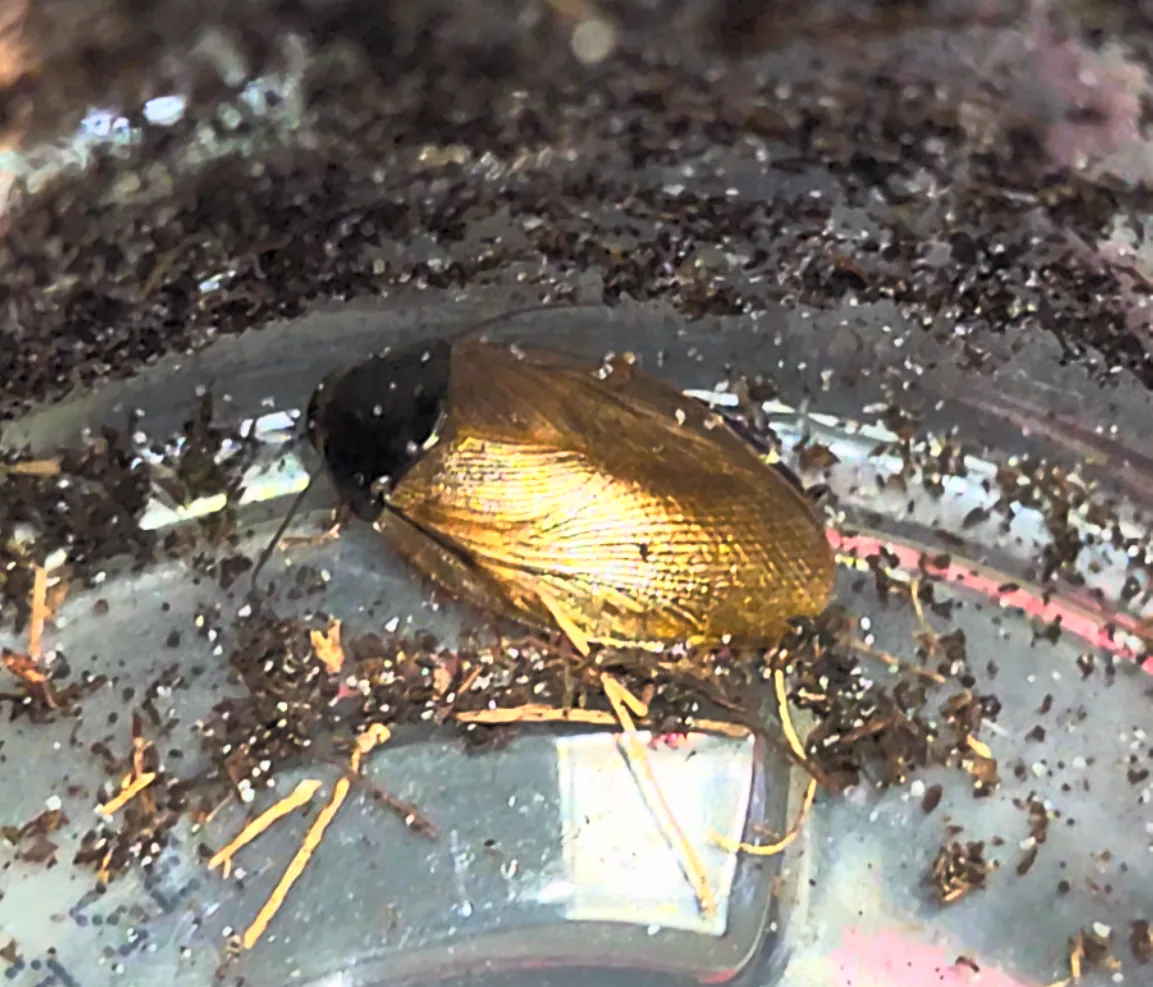
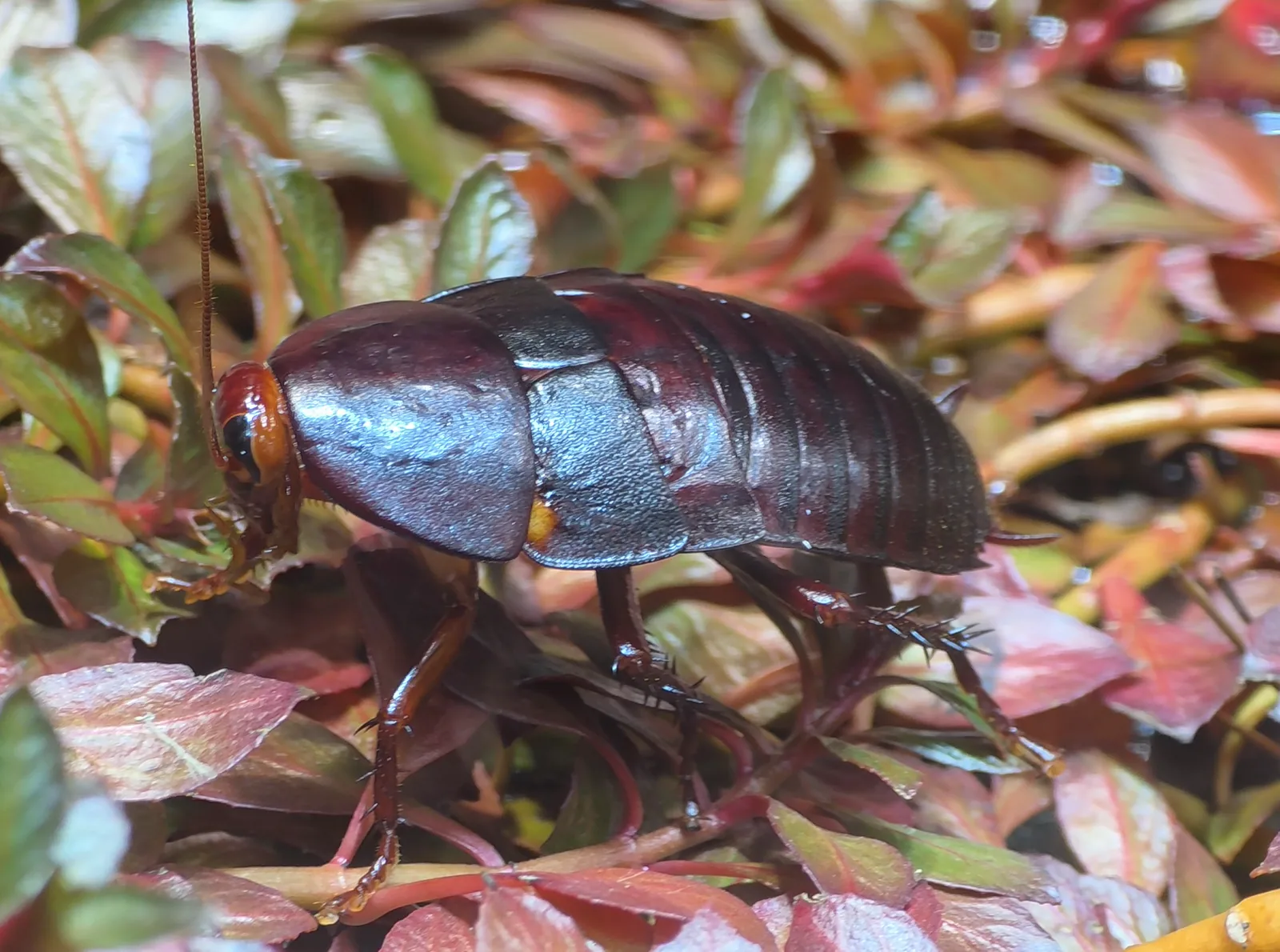
  • Cockroaches: terrestrial detritivores and scavengers; documented in Lowland Meadow; species and current status unresolved for this biome specifically
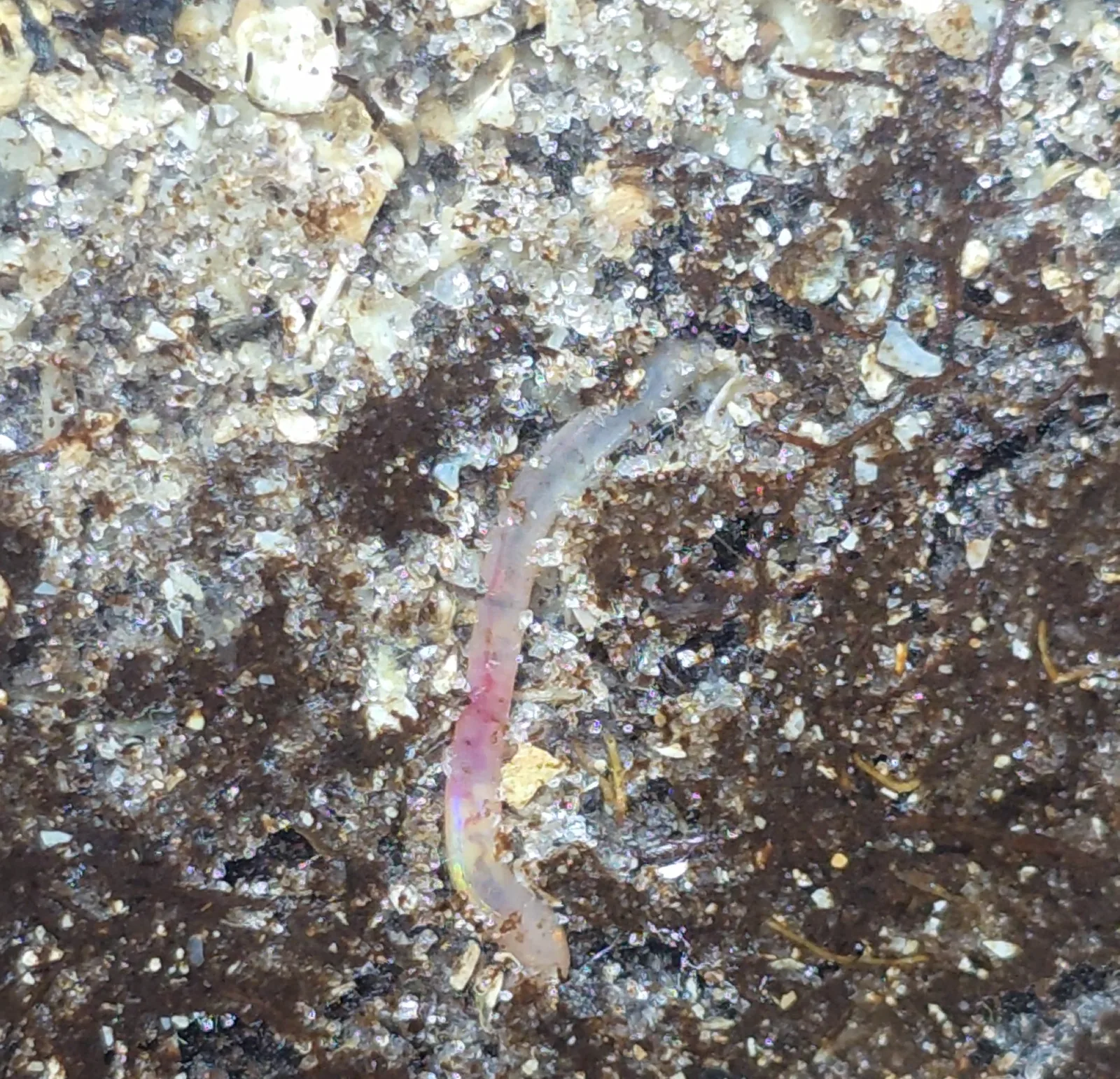
  • Earthworms and other worms: substrate-processing detritivores

Visitors and Incidental Records

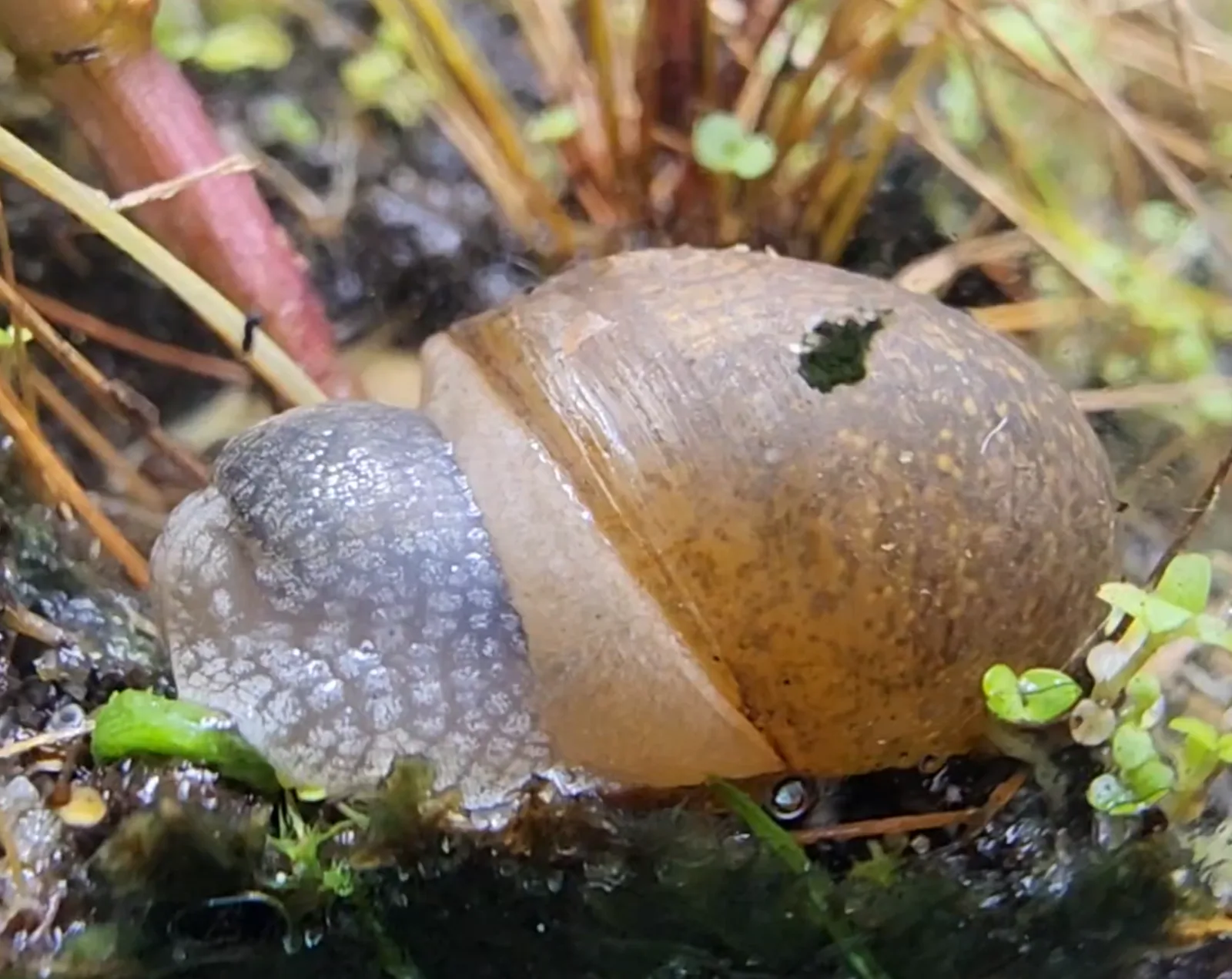
  • Amber Snails: movement into the drier Lowland Meadow from the Lakeshore observed; persistence in drier conditions unresolved; not a primary Lowland Meadow species

miniBIOTA Evidence

Establishment

The Lowland Meadow was established November 14, 2022, the same founding day as the Freshwater Lake and Lakeshore. As the highest and driest habitat in the terrestrial realm, it was designed as the upland food-web habitat: a rain-fed meadow where plants, soil organisms, and arthropod herbivores would build a terrestrial food web above the lake and its adjacent shoreline. Grasses, broadleaf plants, and early detritivores were introduced in the founding stocking.

Observation Timeline

  • November 14, 2022: Lowland Meadow established with grasses, broadleaf plants, and early detritivore cast.
  • [Dates unconfirmed, pre-2026]: Smoky Oak Millipedes introduced; long-term persistence documented as a strong detritivore signal in the Lowland Meadow. Breeding unresolved.
  • [Dates unconfirmed, pre-2026]: Creeping Beggarweed established in the meadow substrate as a native Florida legume.
  • [Dates unconfirmed, pre-2026]: Mole Cricket introduced; tunnel evidence, burrow activity, and nightly chirping documented. Grass decline observed in association with Mole Cricket introduction. Causality unconfirmed.
  • [Dates unconfirmed, pre-2026]: Ridgeback Sand Grasshoppers introduced and documented persisting, molting, and feeding in the Lowland Meadow; frass produced; isopods observed consuming frass. Three individuals documented (one female, two males).
  • [Dates unconfirmed, pre-2026]: Armyworms trialed as vegetation-control herbivores. Persistence and vegetation-control outcome unresolved.
  • [Dates unconfirmed, pre-2026]: Adult female field crickets documented in the terrestrial realm; three adults confirmed before May 2026.
  • [Dates unconfirmed, pre-2026]: Amber Snail movement from Lakeshore into the drier Lowland Meadow observed; persistence in drier conditions unresolved.
  • May 24, 2026 (obs-272): One Field Cricket nymph (found in Josue's yard, appearing male, species unresolved) introduced to the Lowland Meadow.
  • May 24, 2026 (obs-273): Five crickets confirmed in the terrestrial realm: one male Mole Cricket (confirmed by nightly chirping), three adult female field crickets, and the newly added male field cricket nymph. Highest confirmed cricket count recorded for the terrestrial realm at this point.
  • June 1, 2026 (obs-275): Autumn Yellow-winged Grasshopper (Arphia xanthoptera) introduced to the Lowland Meadow: one individual, medium-sized, brownish-red coloration, black-and-white striping on inner hind legs, yellow hindwings. Survival, feeding, and establishment unresolved.
  • June 5, 2026 (obs-281): Two large adult female field crickets added to the Lowland Meadow. Total documented cricket layer: at least six field crickets and seven total crickets including the Mole Cricket.
  • June 9, 2026 (obs-283): One female Ridgeback Sand Grasshopper confirmed active in the Lowland Meadow, feeding normally despite a missing enlarged hind leg. Two males not observed for approximately one week after being seen in the Marine Shore; fate unresolved.

What Is Confirmed

  • Lowland Meadow established November 14, 2022.
  • Grasses, Mexican primrose, creeping beggarweed, and broadleaf plants present as producers.
  • Smoky Oak Millipedes confirmed with long-term persistence signal; breeding unresolved.
  • Mole Cricket introduction confirmed; tunnel evidence, burrow activity, and nightly chirping documented; grass decline associated (causality unresolved).
  • Ridgeback Sand Grasshoppers confirmed persisting, molting, feeding, and producing frass in the Lowland Meadow.
  • Isopods confirmed consuming Ridgeback Sand Grasshopper frass.
  • Three adult female field crickets confirmed in terrestrial realm before May 2026.
  • One male field cricket nymph introduced May 24, 2026; species unresolved.
  • Two large adult female field crickets added June 5, 2026.
  • Total documented cricket layer as of June 5, 2026: at least 6 field crickets, 1 Mole Cricket.
  • Autumn Yellow-winged Grasshopper introduced June 1, 2026; survival unresolved.
  • One female Ridgeback Sand Grasshopper confirmed active and feeding in Lowland Meadow on June 9, 2026 (obs-283), despite missing enlarged hind leg.
  • Two male Ridgeback Sand Grasshoppers not observed for approximately one week as of June 9, 2026.

What Is Inferred

  • Mole Cricket burrowing activity is likely contributing to observed grass decline; other factors (humidity shift, plant succession, herbivore pressure) have not been ruled out as contributing causes.
  • Frass-to-isopod transfer represents a real detritivore pathway in the Lowland Meadow; this is directly observed, though the rate and scale have not been quantified.
  • Creeping Beggarweed may support nitrogen fixation in the root zone; this is a context-level biological inference, not a confirmed measurement.
  • The Lowland Meadow is undergoing active plant succession driven by a combination of herbivory, burrowing, moisture change, and competition among plant species.

What Remains Unknown

  • Whether Mole Cricket root feeding caused grass decline, or whether humidity shift, natural succession, or herbivory are the primary or co-equal factors.
  • Whether the two male Ridgeback Sand Grasshoppers are alive, moved to an unobserved location, or died.
  • What caused the female Ridgeback Sand Grasshopper's missing enlarged hind leg (predation attempt, injury, or other cause).
  • Whether any Ridgeback Sand Grasshoppers reproduced.
  • Whether the Autumn Yellow-winged Grasshopper survived its first days, fed, and is establishing.
  • Whether field crickets will breed and produce a self-sustaining generation in the Lowland Meadow.
  • Whether Smoky Oak Millipedes have bred and established a self-sustaining population.
  • Whether armyworms persisted and affected vegetation in a measurable way.
  • Whether Amber Snails persisted in the drier Lowland Meadow or retreated.
  • The species identity of the male field cricket nymph introduced May 24, 2026.
  • Temperature, humidity, soil moisture, pH, and nutrient levels in the Lowland Meadow.
  • Which additional species in species_to_biomes for the Lowland Meadow are currently active versus historical or removed.

Active Ecological Tensions

Grass decline and plant recovery (central tension): Grass cover has declined in association with Mole Cricket activity. Whether the remaining grass species and broadleaf plants recover, whether new plants colonize from the seed bank, or whether the meadow transitions to a more open or forb-dominated state is the most fundamental ecological trajectory question for the Lowland Meadow.

Cricket establishment (long-term watch): At least six field crickets have been documented in the Lowland Meadow, but whether any have bred or will breed in the system is unresolved. Cricket establishment in a closed system requires successful mating, suitable egg-laying substrate, nymph survival past predation pressure, and sufficient food. This is the central population dynamics question for the cricket layer.

Grasshopper fate (acute unresolved): The two male Ridgeback Sand Grasshoppers have not been observed for approximately one week as of June 9, 2026. Whether they are alive, hidden, or gone is unresolved. The female continues feeding, but her leg injury may affect long-term viability. The newly introduced Autumn Yellow-winged Grasshopper's fate is entirely open.

Mole Cricket and soil (ongoing disturbance): A single Mole Cricket continues to burrow and chirp in the Lowland Meadow. Its presence is a persistent soil-disturbance pressure on the plant layer and a background context for all other Lowland Meadow dynamics. Whether it has bred or will breed, and whether additional Mole Crickets would amplify the soil disturbance, are open questions.

Smoky Oak Millipede breeding (long-term): Smoky Oak Millipedes have persisted long enough to be a significant detritivore signal. Whether the current individuals represent an aging introduced cohort or an actively reproducing population determines whether the Lowland Meadow's detritivore layer is self-sustaining.