Marine Shore

Fully marine saltwater shoreline.

A sandy, limestone saltwater shoreline where beach grasses, crabs, snails, and detritivores work the coastal edge and exchange organisms and organic matter with the adjacent Seagrass Meadow.

Overview

The Marine Shore is miniBIOTA's saltwater shoreline biome: a sloped sandy and limestone coastal edge where the aquatic world meets the terrestrial one. Established December 10, 2023 alongside the Seagrass Meadow, it is the most cross-biome-connected habitat in miniBIOTA; organisms from the Seagrass Meadow, Mangrove Forest, Lowland Meadow, and Lakeshore all use it. Active grazing, detritus processing, and sediment disturbance are documented; shoreline erosion is ongoing and unquantified.

What This Biome Is

Habitat Type and Global Context

The marine intertidal zone: the coastal strip exposed to air at low tide and submerged at high tide: is one of the most physically dynamic and biologically productive habitats on Earth. Organisms living in the intertidal zone must tolerate the most extreme fluctuations of any coastal habitat: cycles of desiccation and submersion, UV radiation during low tide, temperature swings between air-exposed sand and seawater, salinity fluctuations from rain and evaporation, and the mechanical force of wave action. In response, intertidal species have evolved some of the most striking adaptations in nature: periwinkles that climb above the waterline to avoid aquatic predators, fiddler crabs that breathe air through modified gills and retreat to burrows, and pulmonate snails that breathe air directly and graze dead plant matter at the splash zone.

Classic intertidal zones are organized into vertical bands based on the duration of aerial exposure: the spray zone (above high tide, wet only by splash), the upper intertidal (exposed most of the time), the mid-intertidal (alternately exposed and submerged), and the lower intertidal (exposed only at low tide). Each zone is home to distinct organisms tuned to its particular aerial-exposure regime.

Florida and Regional Relevance

Florida's Gulf Coast is microtidal, with typical tidal ranges of 0.3 to 1 meter: far less than the dramatic Atlantic or Pacific rocky intertidal zones. This means Florida marine shores lack the sharp, tide-driven zonation of higher-latitude rocky coasts. Instead, Florida's Gulf Coast marine shores are characterized by gently sloped sand and shell-hash beaches, patches of limestone and coquina, and extensive mangrove fringing at the terrestrial edge. Wave action, wind, rain, and biological forces do more of the physical shaping here than tidal amplitude.

Florida's marine shorelines are ecologically important as:

  • Corridors for organisms moving between aquatic and terrestrial habitats
  • Depositional surfaces for marine-derived organic matter and shells
  • Habitat for intertidal grazers, detritivores, and semi-terrestrial crabs and snails
  • Nursery habitat for juvenile fish and invertebrates in the intertidal pools and shallow edges

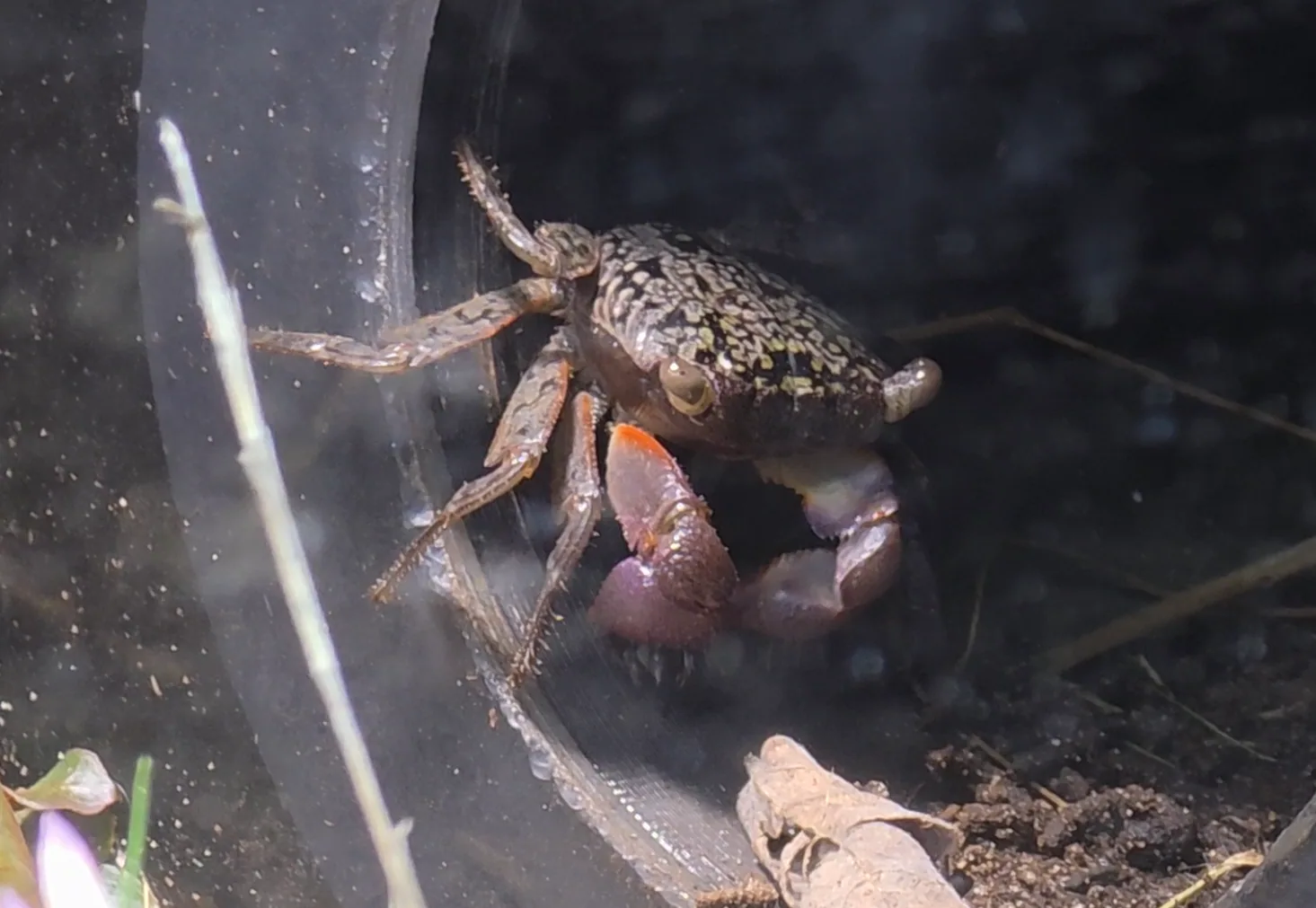
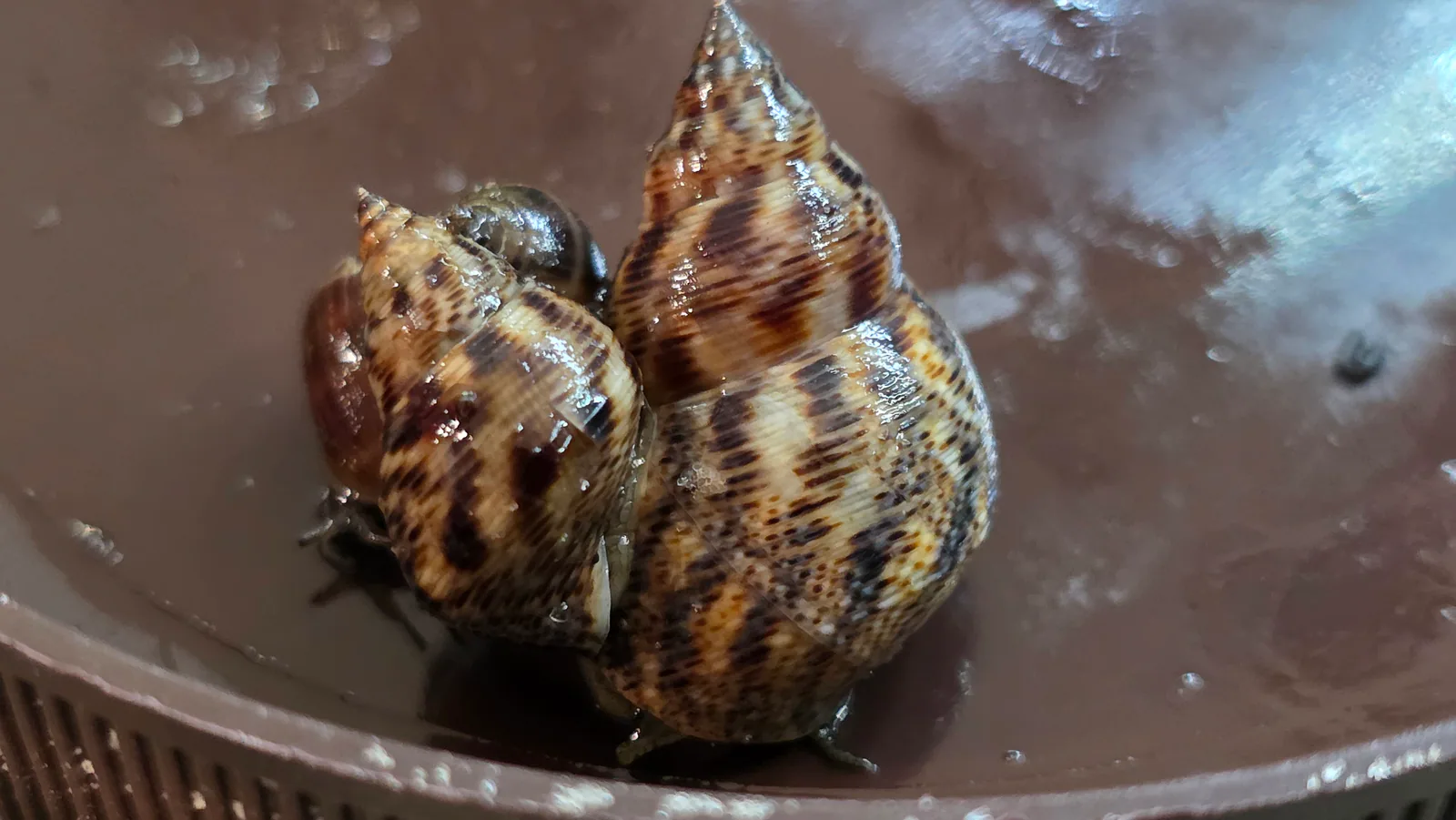
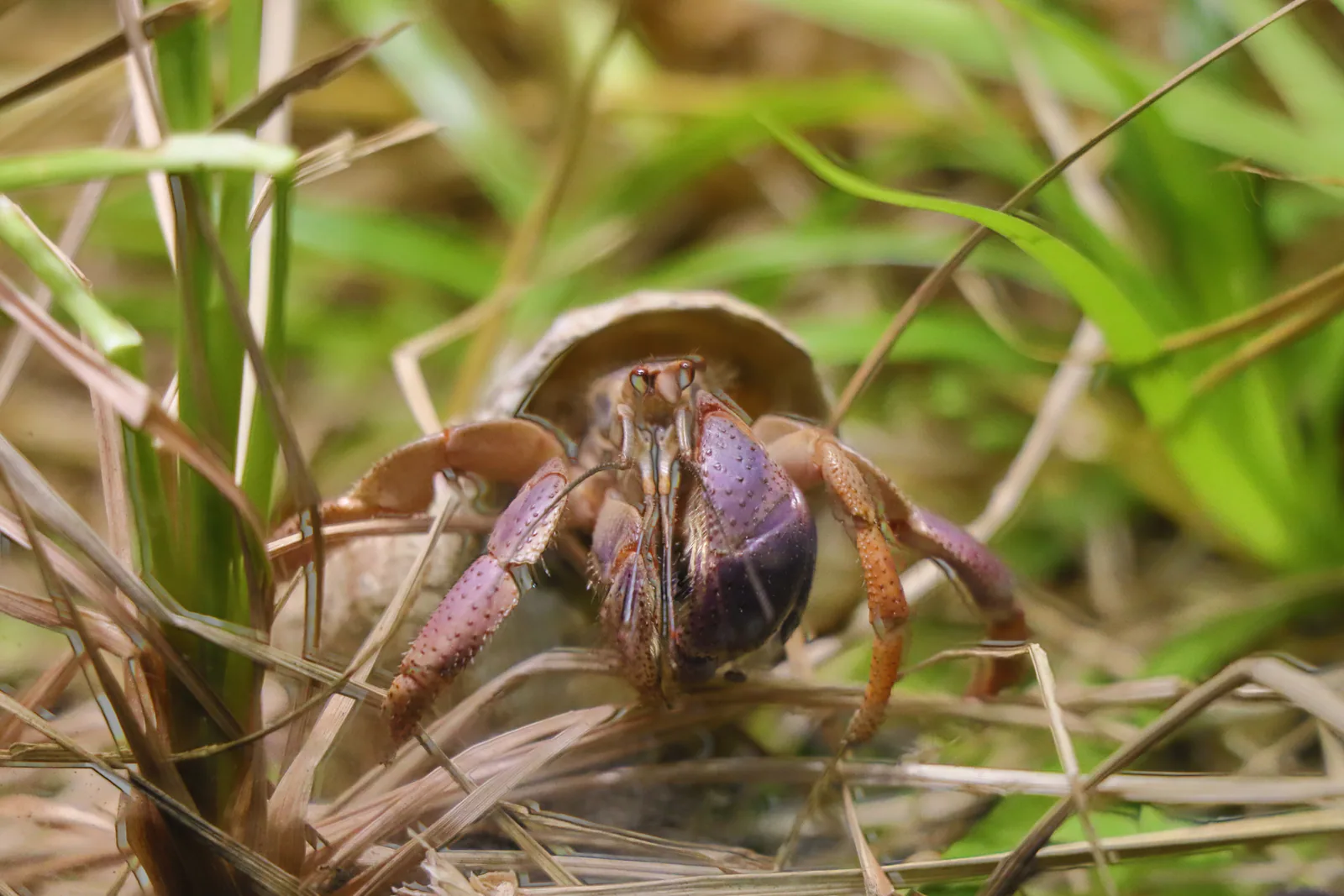
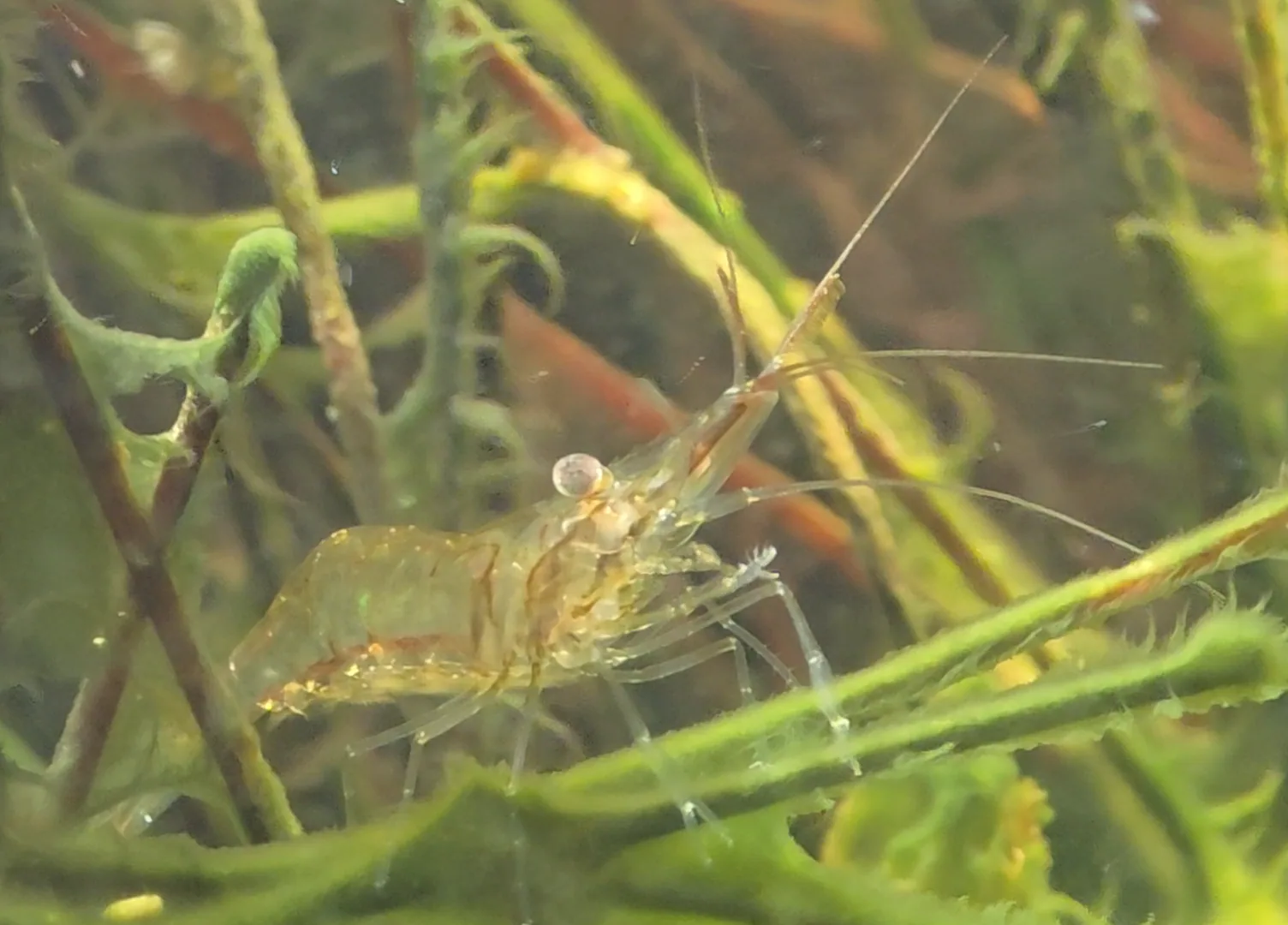
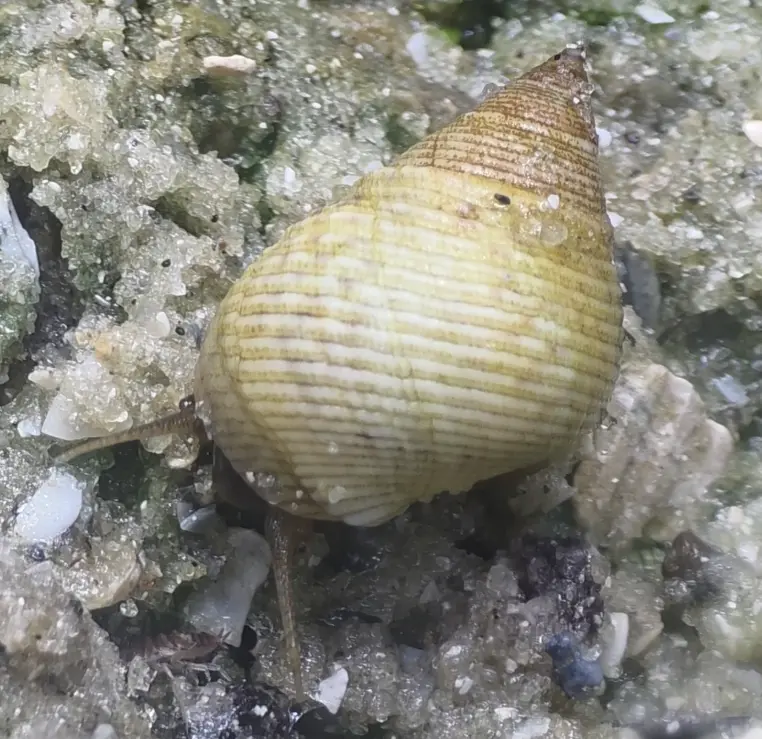
The species present in miniBIOTA's Marine Shore: Eastern Melampus (Melampus bidentatus or related), Mangrove Periwinkle (Littoraria angulifera), Gulf Marsh Crab, Mangrove Tree Crab (Aratus pisonii), and various shoreline grasses and mangroves: are all characteristic of Florida's subtropical Gulf Coast marine shoreline.

Key Ecological Processes

Waterline grazing and detritivory: The most ecologically important process at the Marine Shore is the movement of organisms across the waterline to feed. Eastern Melampus and Mangrove Periwinkle both graze above the waterline on dead plant material, biofilm, and algal surface growth. This moves energy from plant detritus and algae into animal biomass at the shoreline edge.

Herbivory on shoreline vegetation: Gulf Marsh Crab grazes living beach grasses, particularly Seashore Paspalum, removing plant biomass and redistributing it as frass, crab tissue, and detritus. This herbivore pressure on shoreline vegetation shapes which plants persist in the Marine Shore.

Detritus accumulation and processing: Fallen mangrove leaves, dead grass, and marine-derived organic material accumulate at the high-tide line and on the shoreline surface. Detritivores including Eastern Melampus, Mangrove Tree Crab, and hermit crabs process this material into smaller fragments and animal biomass.

Shoreline erosion and sediment disturbance: The sloped, sand-and-limestone substrate of the Marine Shore is continuously reshaped by water movement, wave action, crab burrowing, and digging activity. Gulf Marsh Crab excavation, Mud Crab sediment disturbance, and physical erosion all contribute. The substrate is described as erosion-prone, and shoreline-profile change is a documented watch item.

Cross-biome organism movement: The Marine Shore functions as a biological corridor and interchange zone. Organisms from the Seagrass Meadow (Mud Crab, Hermit Crabs, Lightning Nerite, Mottled Shore Crab) move through the Marine Shore. Organisms from the Mangrove Forest (Mangrove Tree Crab) use the Marine Shore as their primary feeding ground. Organisms from the Lowland Meadow (Ridgeback Sand Grasshopper) have been documented visiting the Marine Shore sand. This cross-biome movement is the Marine Shore's most ecologically distinctive contribution to the miniBIOTA system.

Physical Structure

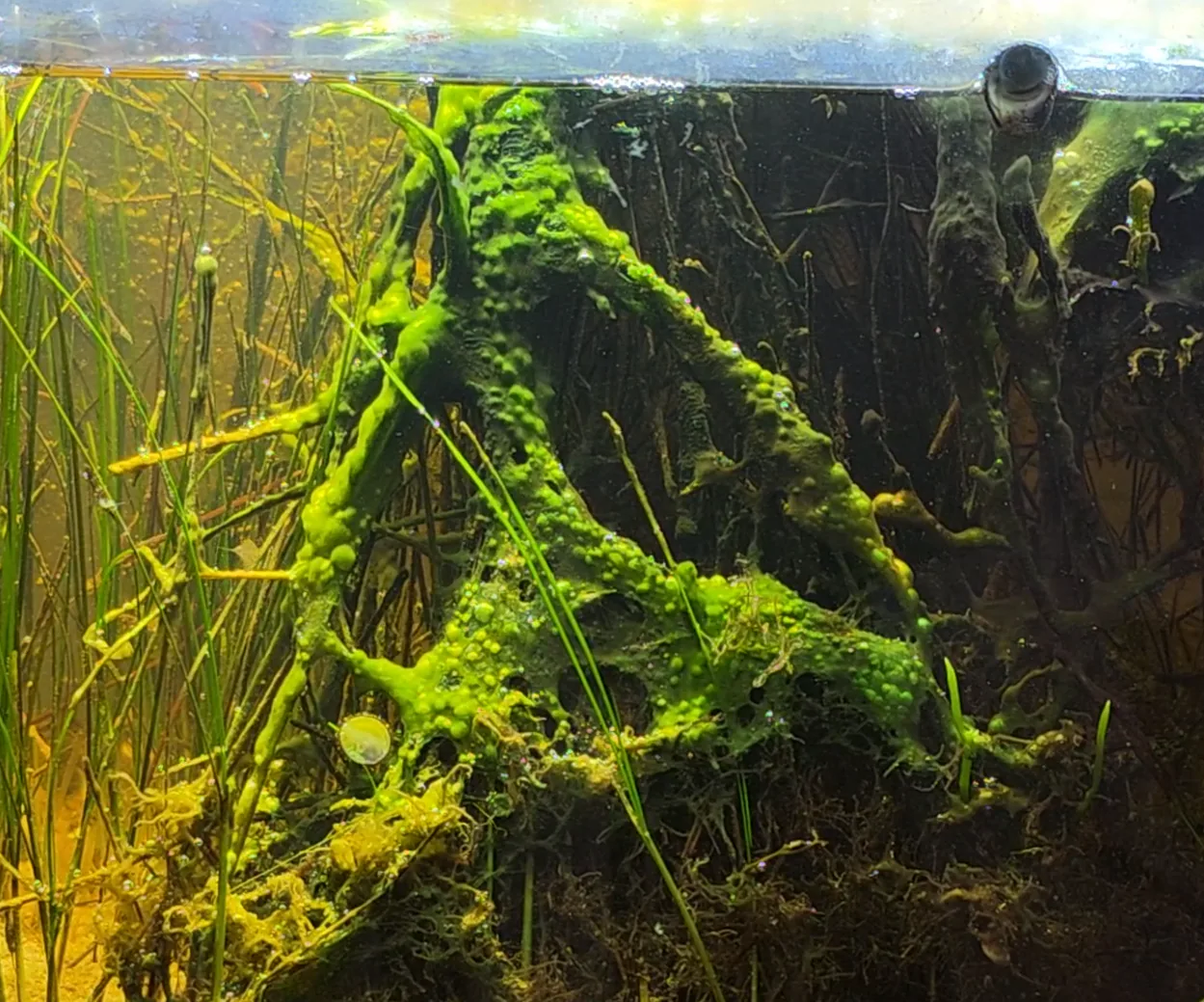
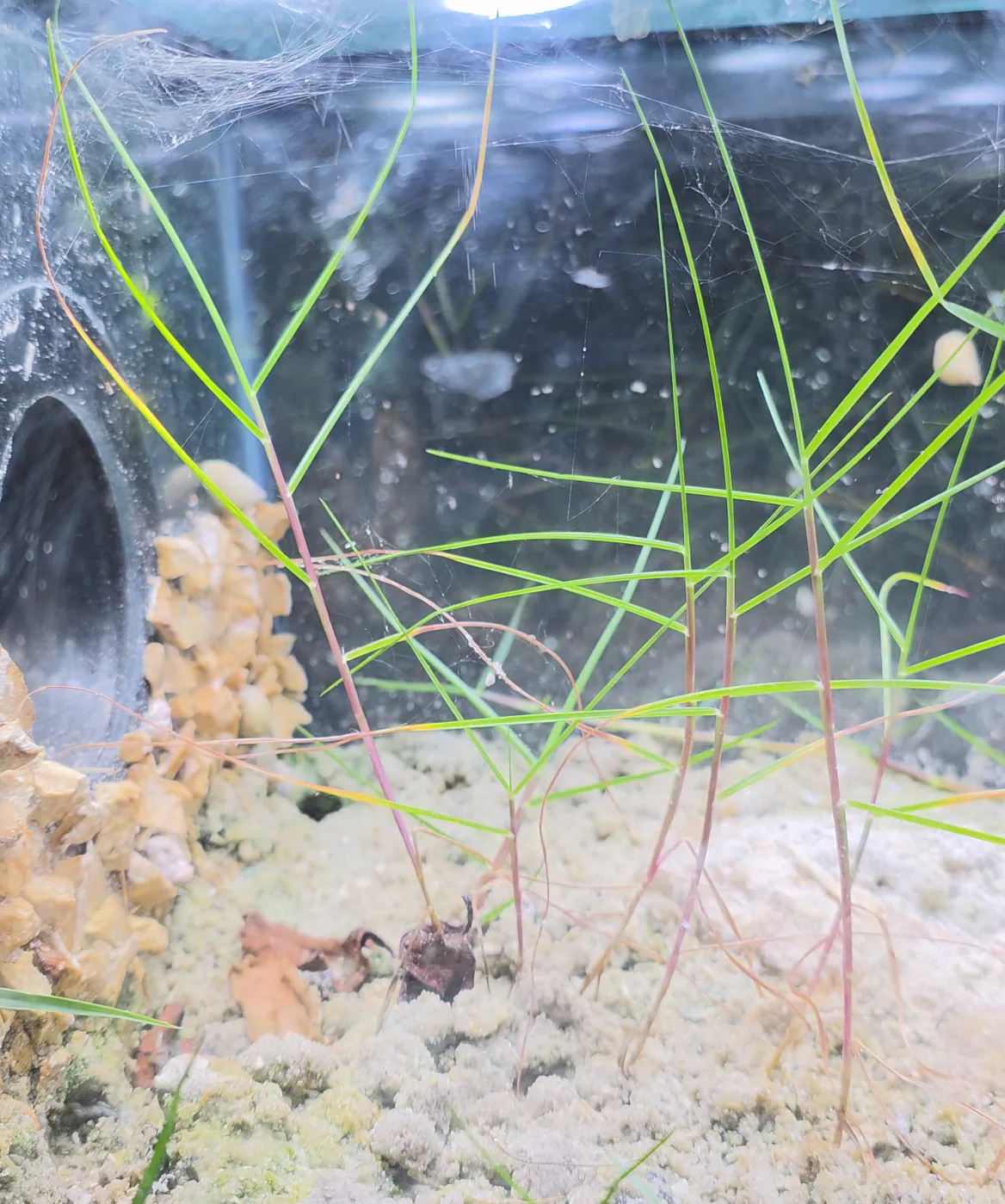
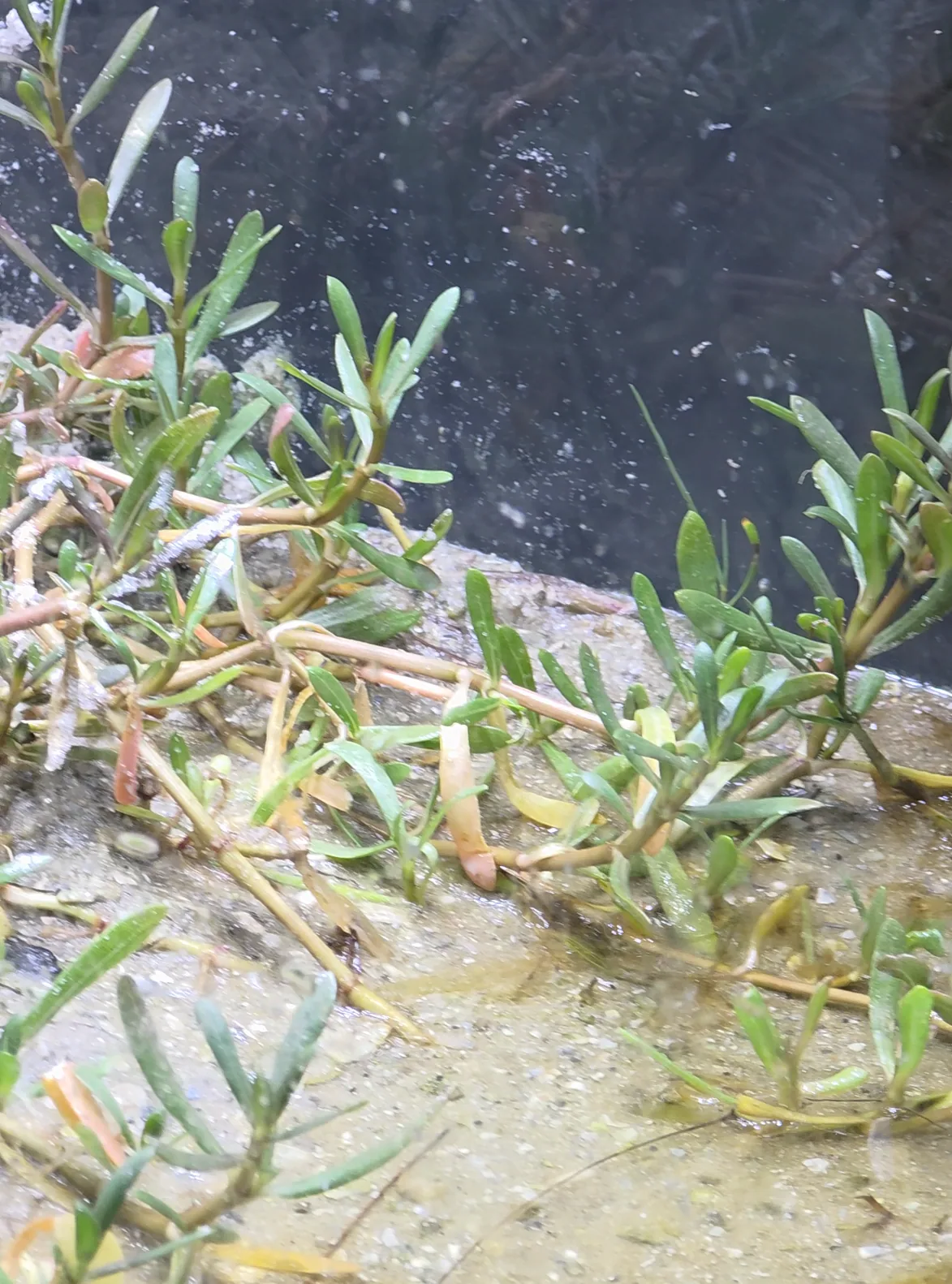
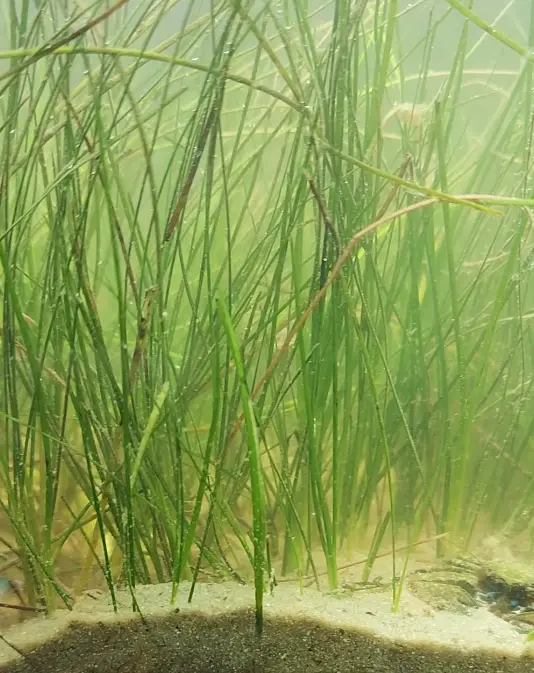
The Marine Shore is a sloped coastal edge of quartz beach sand, crushed shell, and limestone at the saltwater boundary. The slope creates a gradient from the fully aquatic Seagrass Meadow up through the intertidal edge to the Mangrove Forest and Lowland Meadow above. Beach grasses and Silverhead occupy the upper shoreline; biofilm and algae coat exposed limestone and sand surfaces lower on the slope; the waterline shifts with water level and wave action. The substrate is loose and erosion-prone; burrowing activity by crabs and digging by Mud Crabs redistributes it.
Ecological Role in miniBIOTA

The Marine Shore is the primary interface zone between the saltwater and terrestrial realms. It performs no single dominant ecological function but connects nearly every other biome in the system: the Seagrass Meadow below it, the Mangrove Forest and Lakeshore at its upper edge, and the Lowland Meadow beyond that. Organisms that use multiple biomes pass through or reside on the Marine Shore, making it a genuine biological corridor rather than a bounded community.

As a detritus processing zone, the Marine Shore receives organic material from the Seagrass Meadow (via water movement and wave action), from the Mangrove Forest (fallen leaves processed by Mangrove Tree Crabs and Melampus at the waterline), and from the Lowland Meadow (dead plant litter washing or blowing to the shoreline). The shoreline edge concentrates this material and exposes it to a suite of detritivores.

As a grazing zone, the beach grasses and shoreline plants provide herbivore resources for Gulf Marsh Crab, Mangrove Tree Crab, Ridgeback Sand Grasshopper, and snails. The loss of shore vegetation to herbivory or erosion directly affects the shoreline's structural stability.

Key Species and Functional Groups

Primary Producers

  • Seashore Paspalum (Paspalum vaginatum): primary beach grass; grazed by Gulf Marsh Crab; provides structural shoreline cover
  • Silverhead (Blutaparon vermiculare): ground-hugging coastal succulent; used as perch structure by Ridgeback Sand Grasshopper
  • Red Mangrove (Rhizophora mangle): mangrove at the upper shoreline edge; provides canopy structure, fallen leaf detritus, and aerial perch for Mangrove Tree Crab; leaf material actively grazed
  • Biofilm and microalgae: surface growth on sand, limestone, and hard surfaces; grazed by periwinkles and Melampus

Grazers and Herbivores

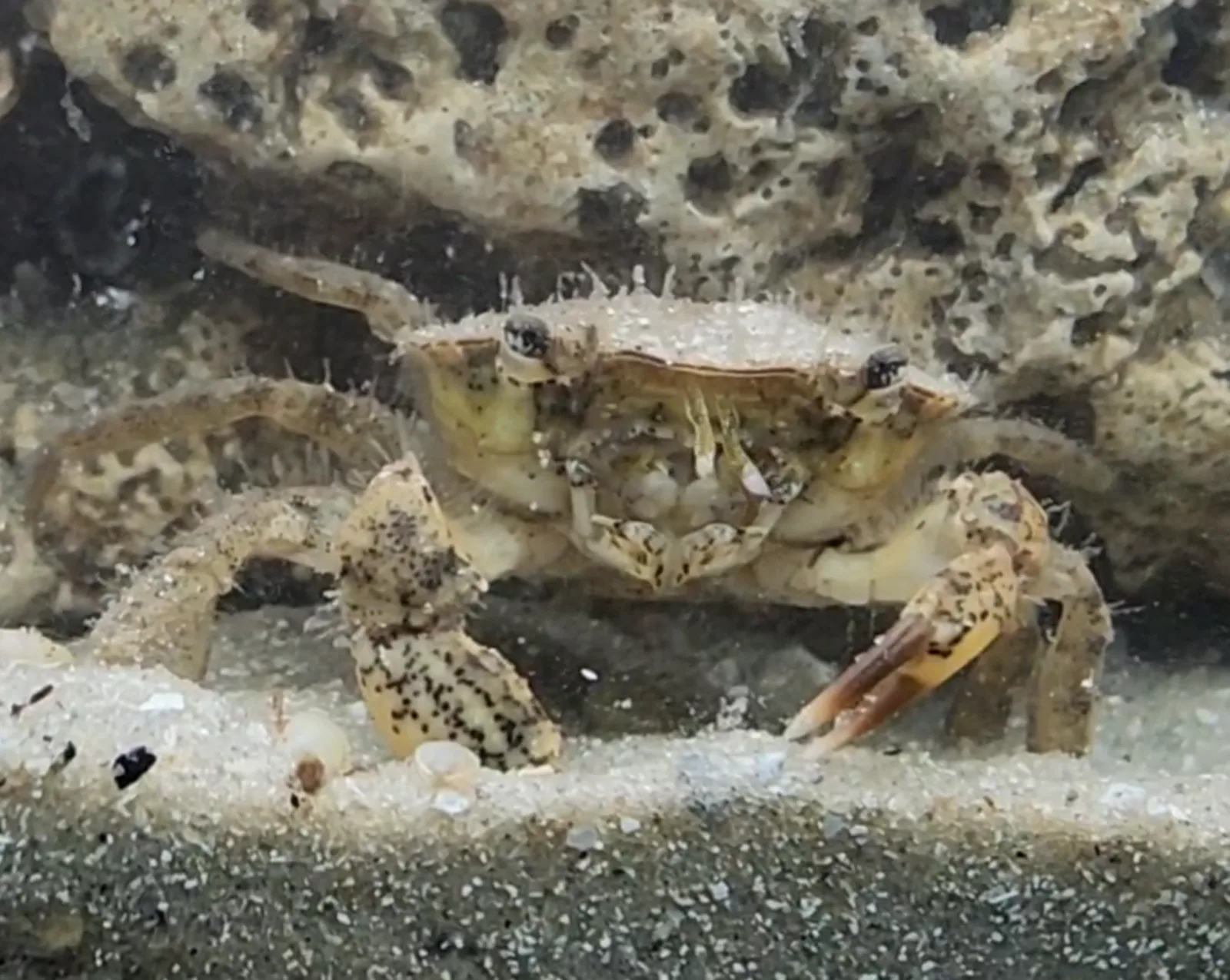
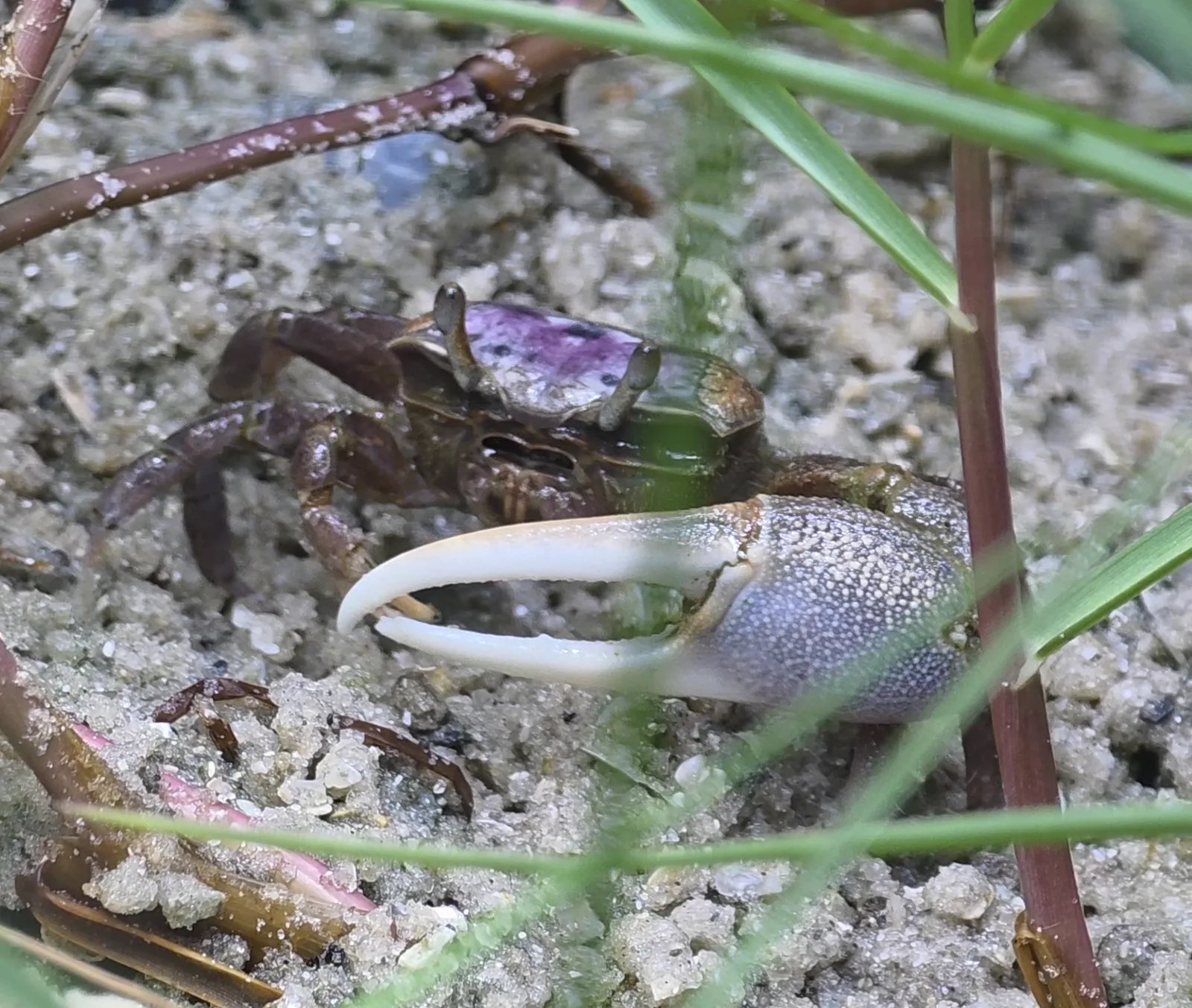
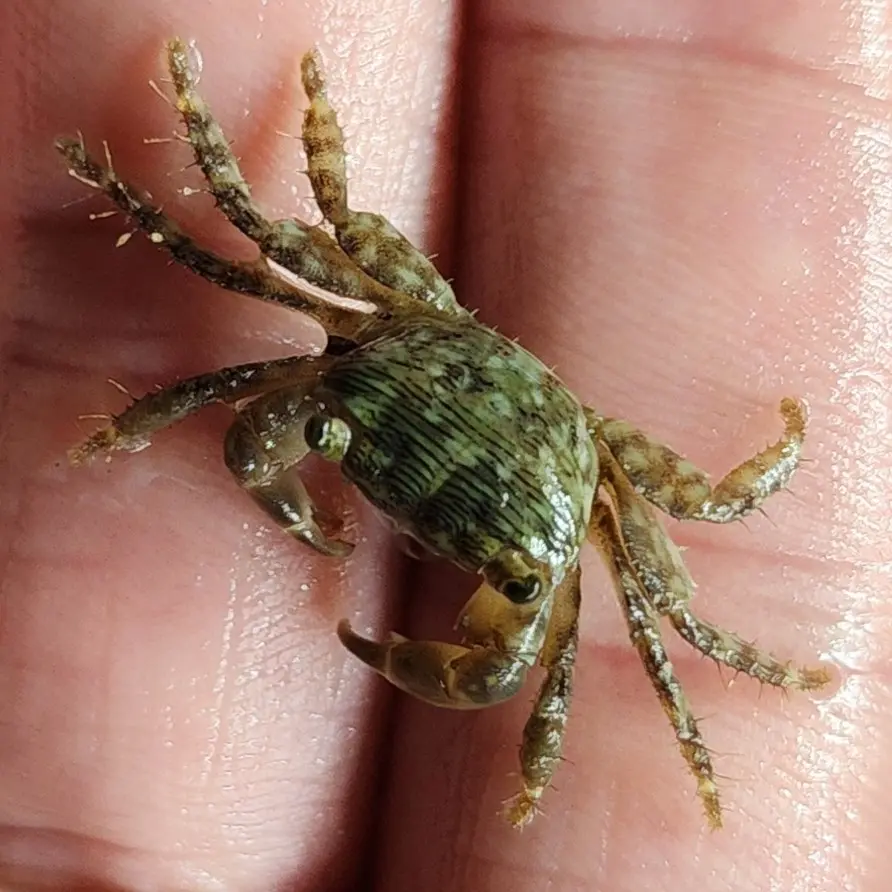
  • Gulf Marsh Crab (Sesarma sp.): confirmed grazer of Seashore Paspalum; excavates substrate; omnivorous; primary herbivore pressure on beach grasses
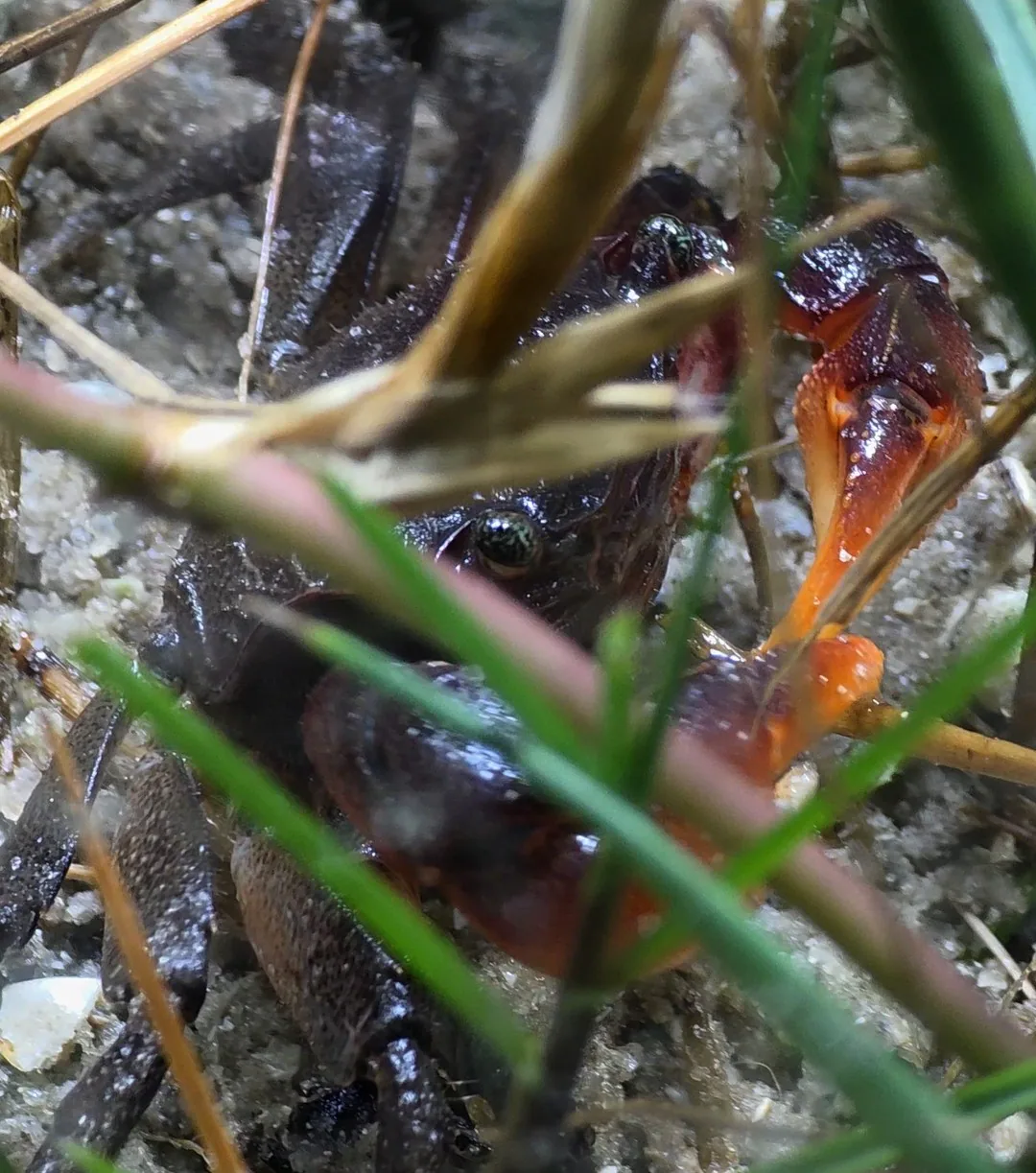
  • Mangrove Tree Crab (Aratus pisonii): confirmed feeding on fallen Red Mangrove leaves and detritus in Marine Shore (June 9, 2026, video); also grazes living Red Mangrove; climbs vegetation and moves freely between Marine Shore, Mangrove Forest, and Lakeshore
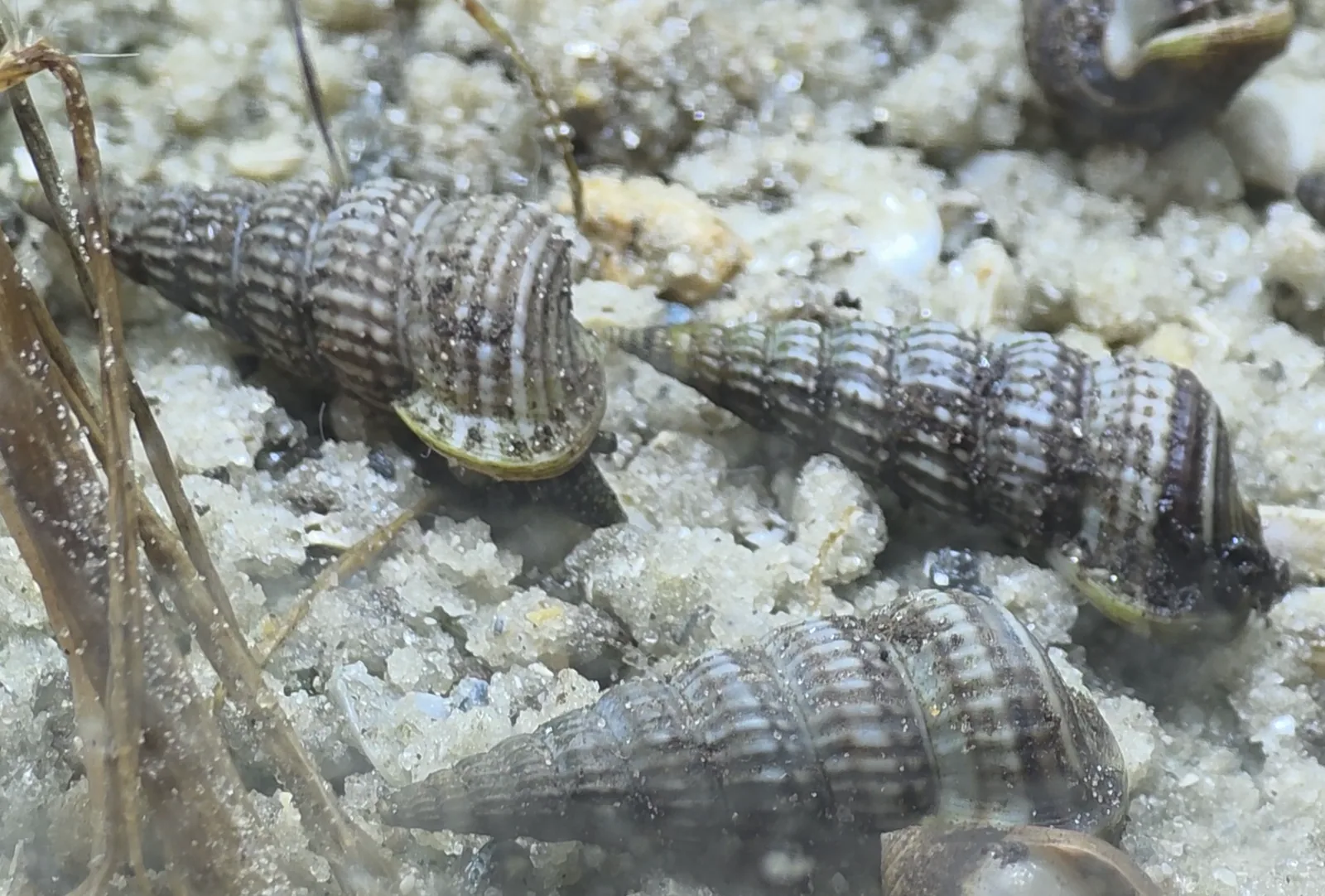
  • Mangrove Periwinkle (Littoraria angulifera): intertidal climber; grazes biofilm and surface growth on hard surfaces; introduced June 4, 2026 (~8 individuals); establishment unconfirmed
  • Ridgeback Sand Grasshopper (Acetropis sp. / Trimerotropis sp.): visits Marine Shore from Lowland Meadow; documented using Marine Shore sand and Silverhead branch structure (May 25, 2026); feeding on Marine Shore plants unconfirmed

Detritivores and Decomposers

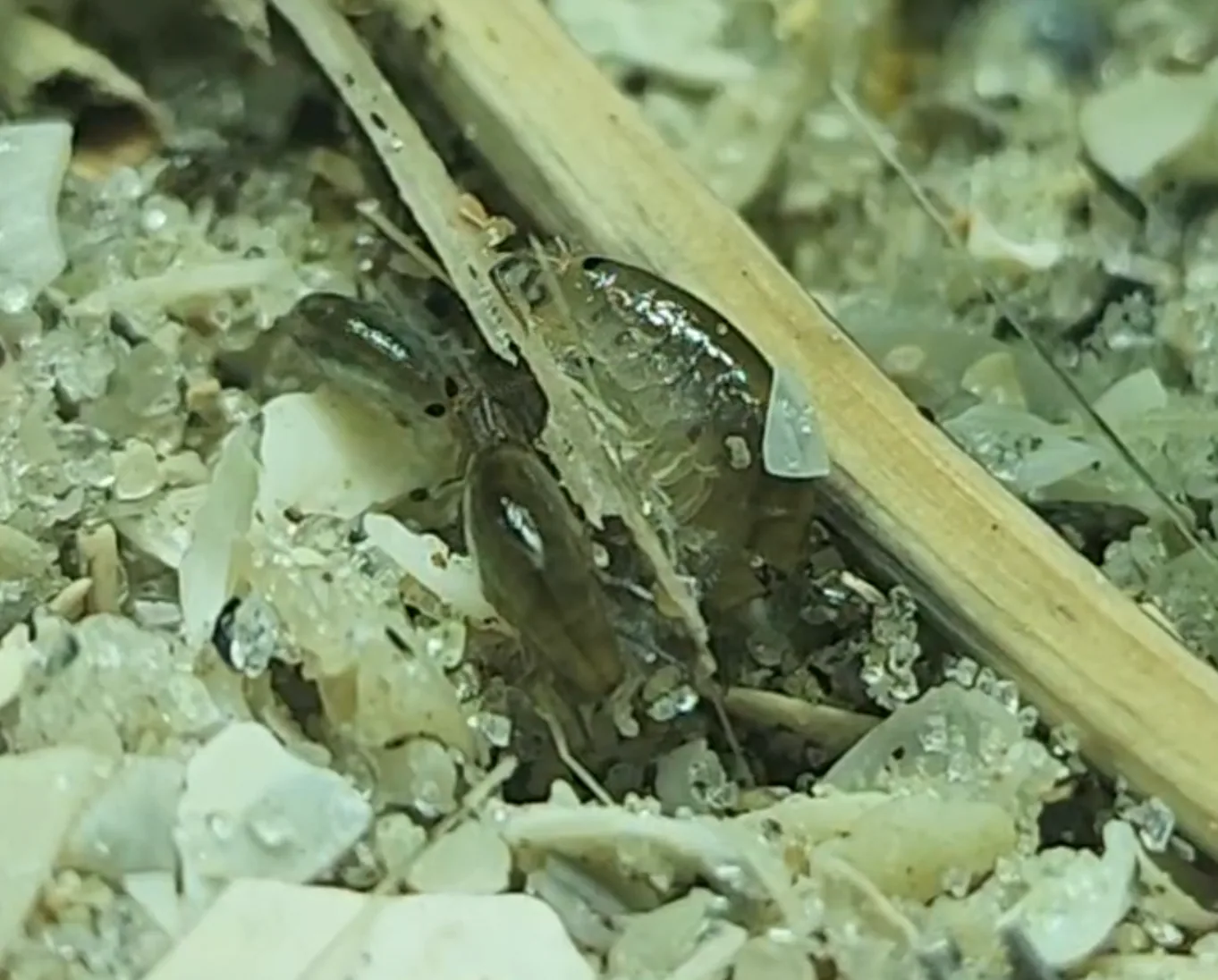
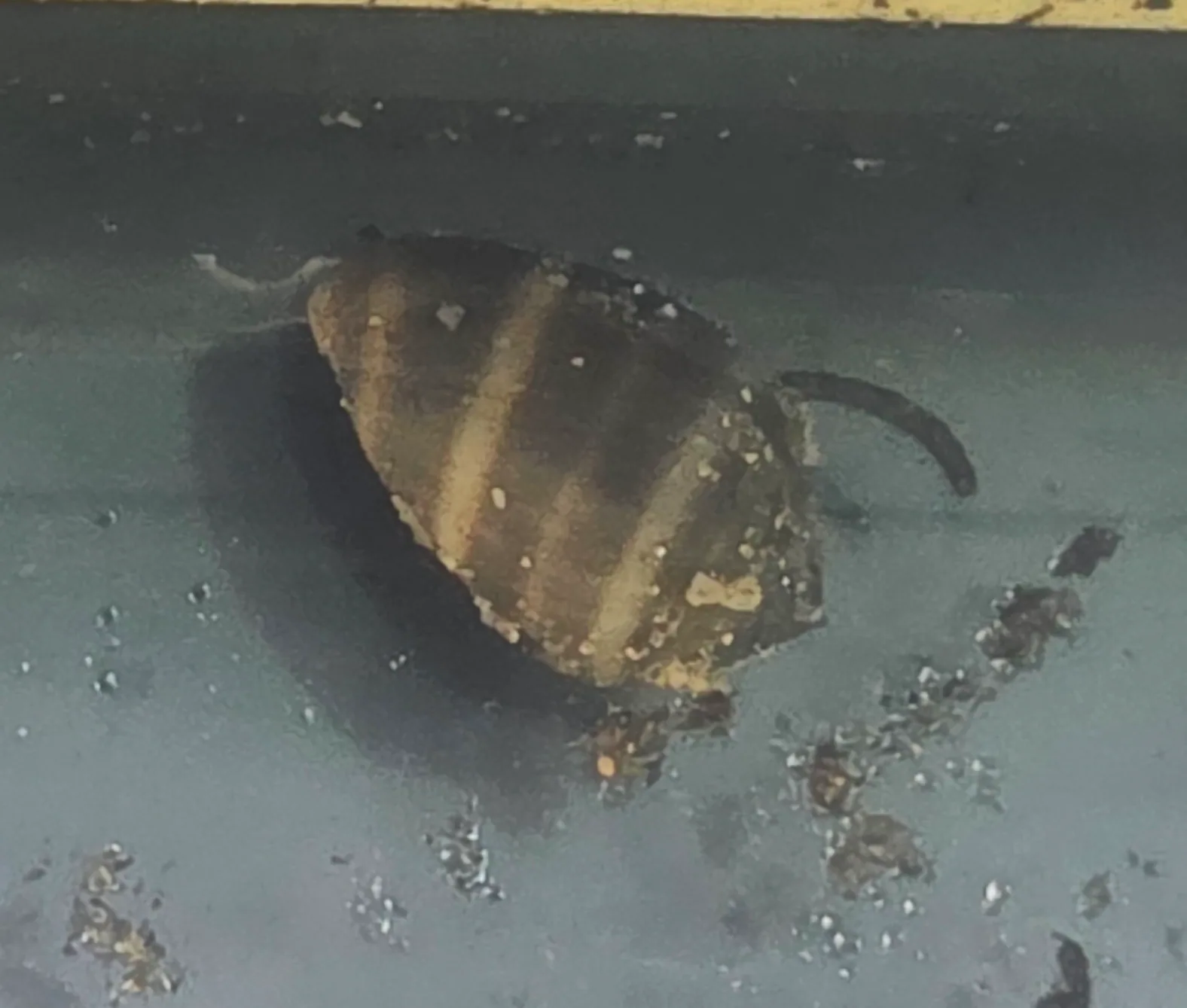
  • Eastern Melampus (Melampus sp.): pulmonate air-breathing snail; confirmed feeding on dead grass detritus at the waterline; ~42 individuals as of June 2026 expansion; breeding and establishment unconfirmed
  • Mangrove Tree Crab (Aratus pisonii): also detritivore; feeding on fallen leaves documented (June 9, 2026)
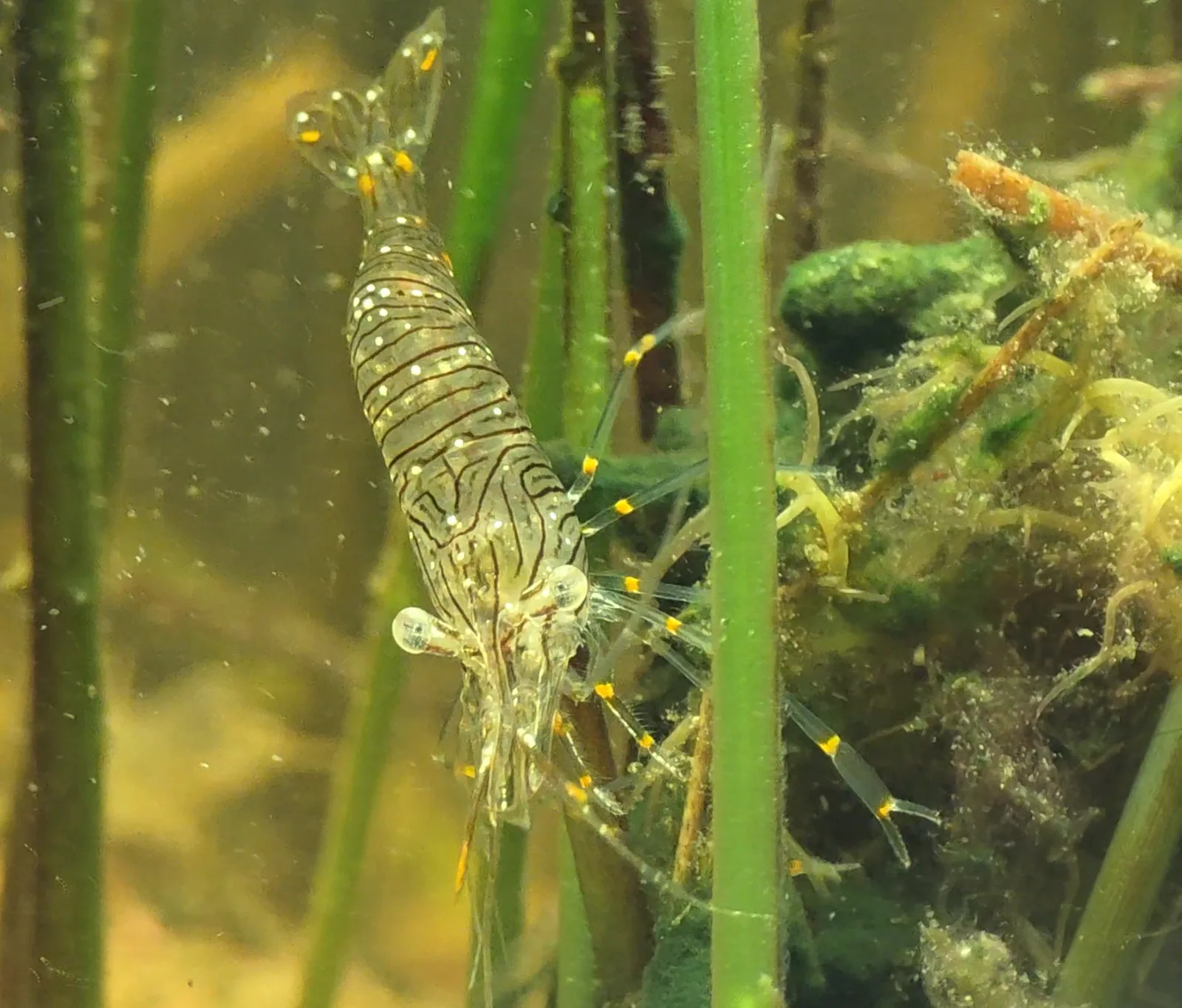
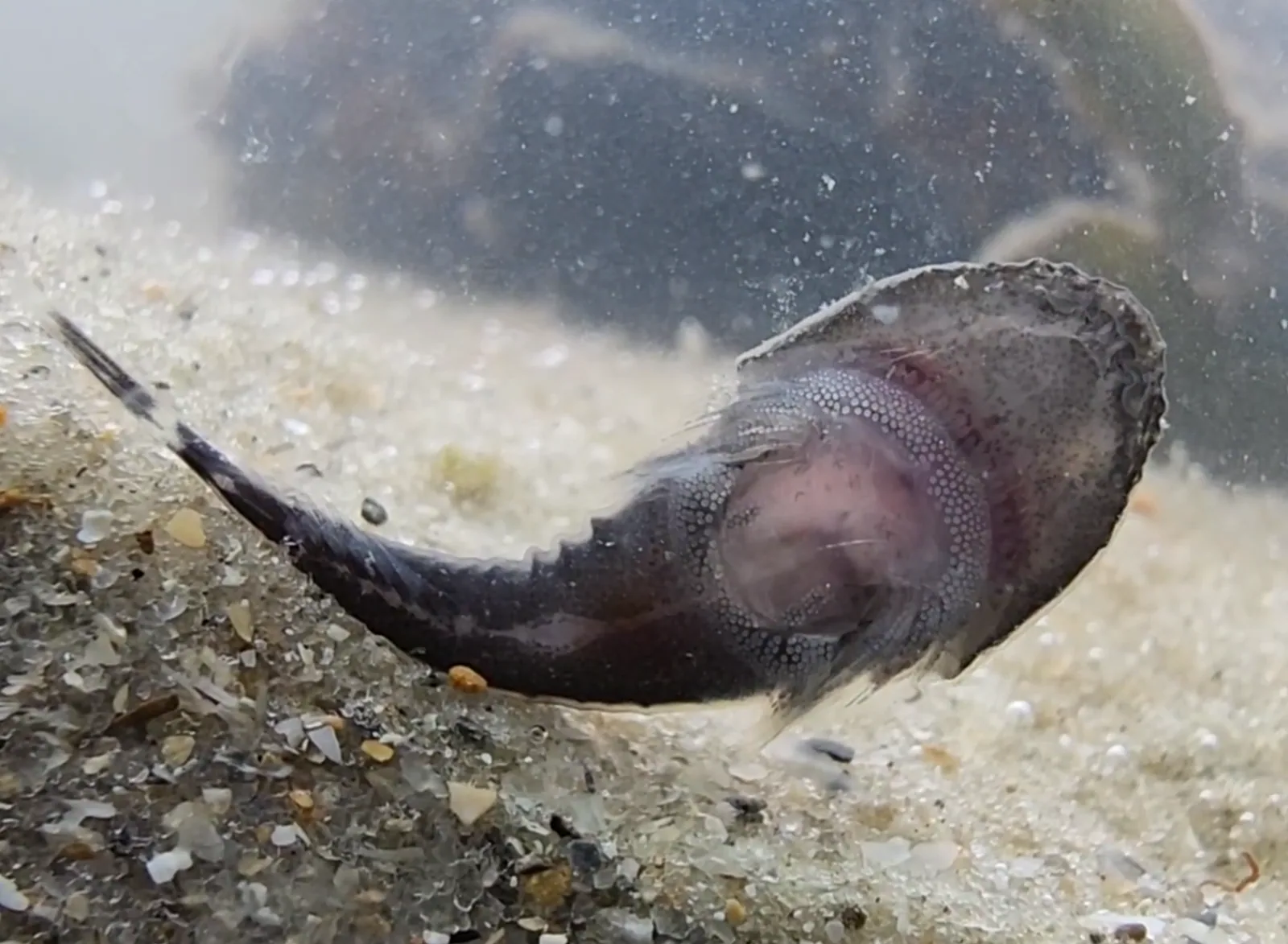
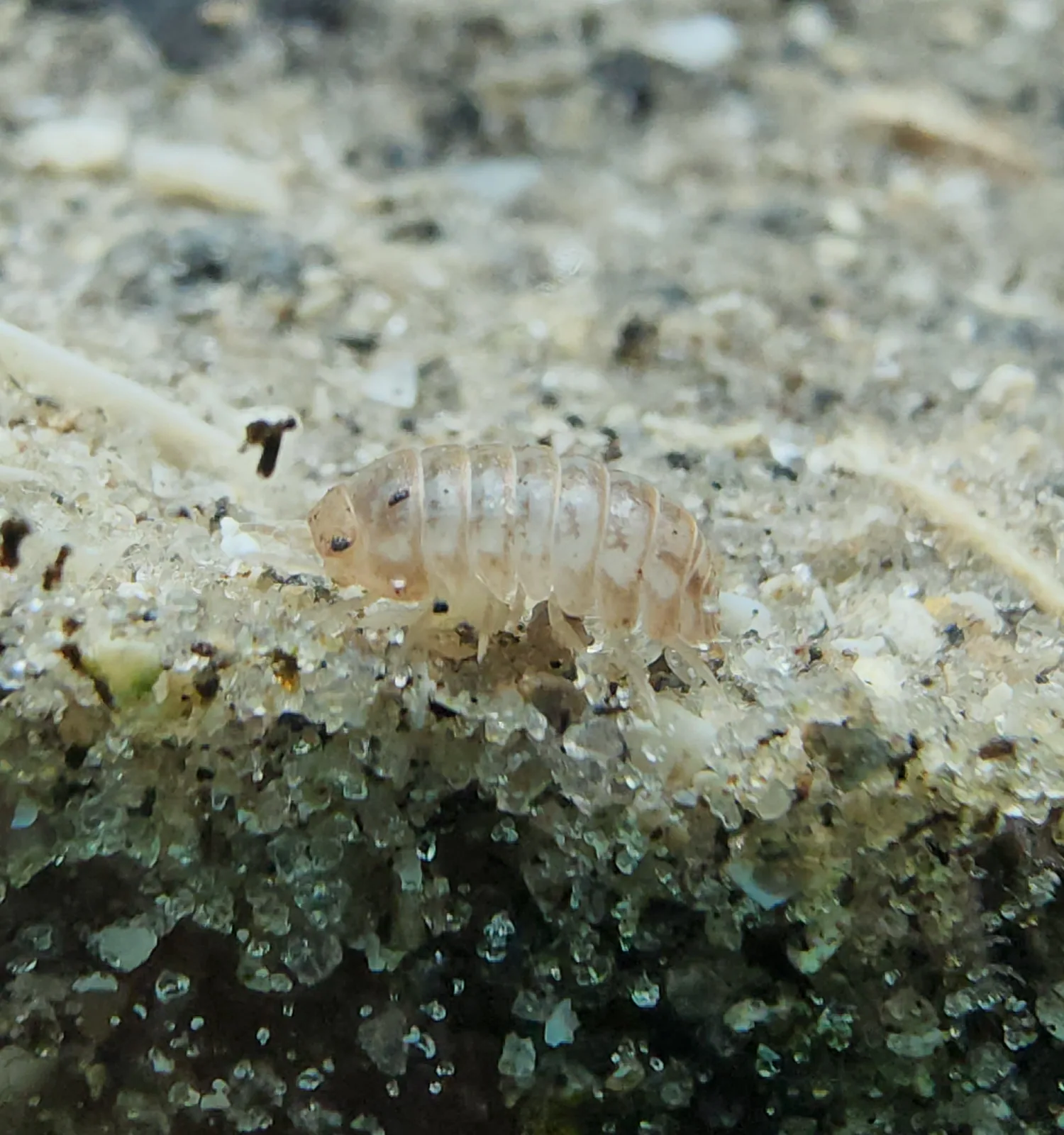
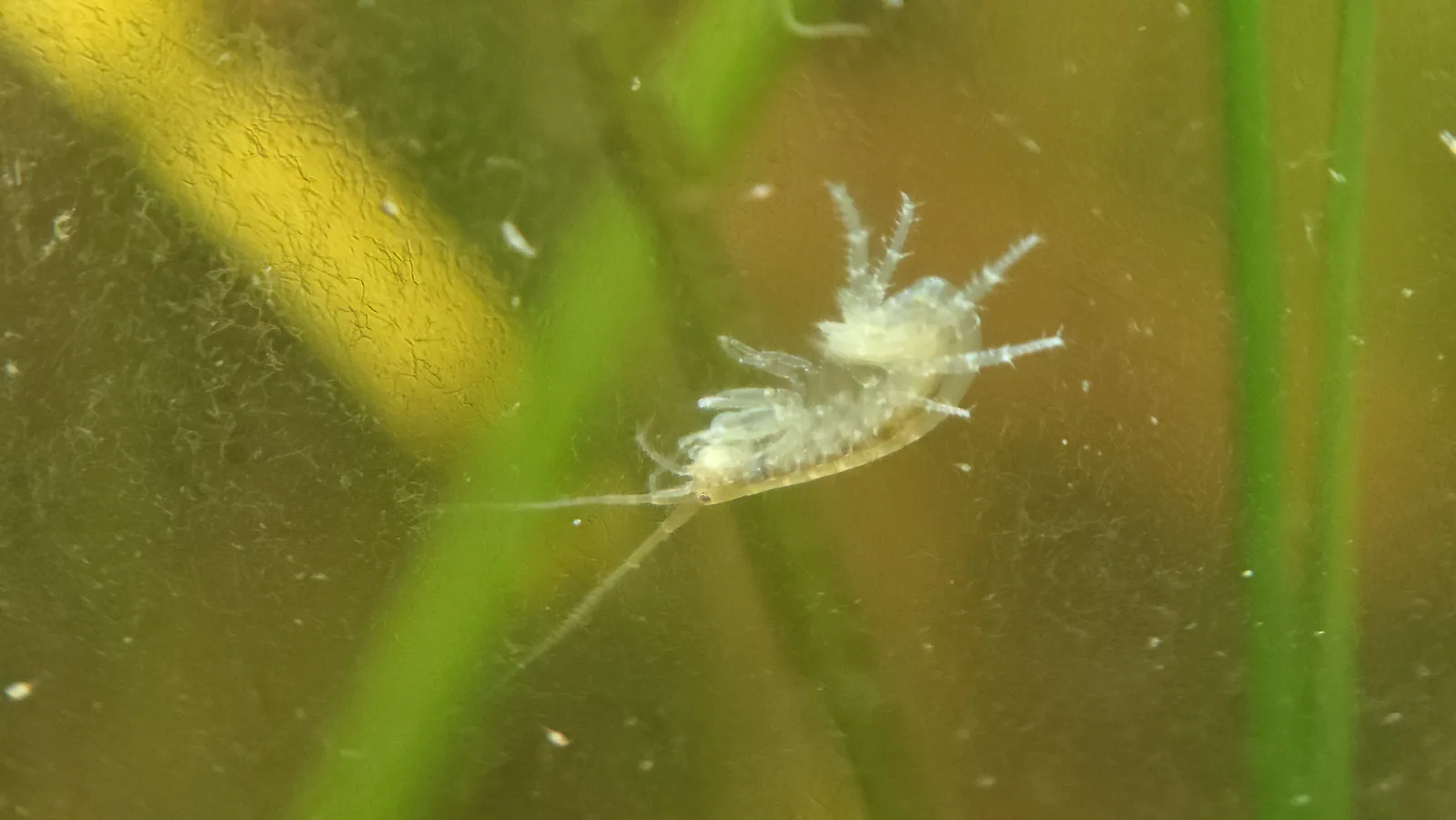
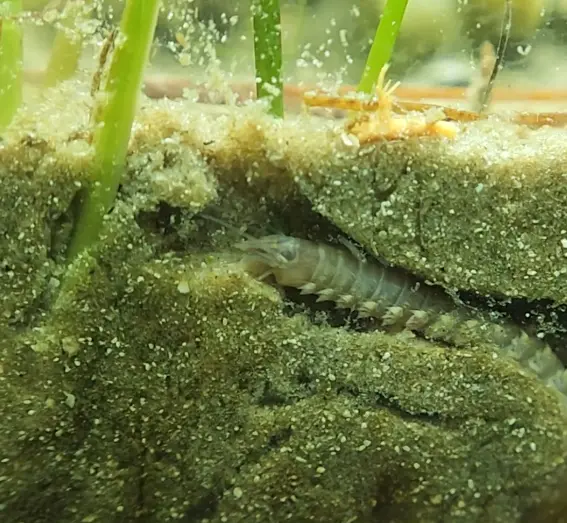
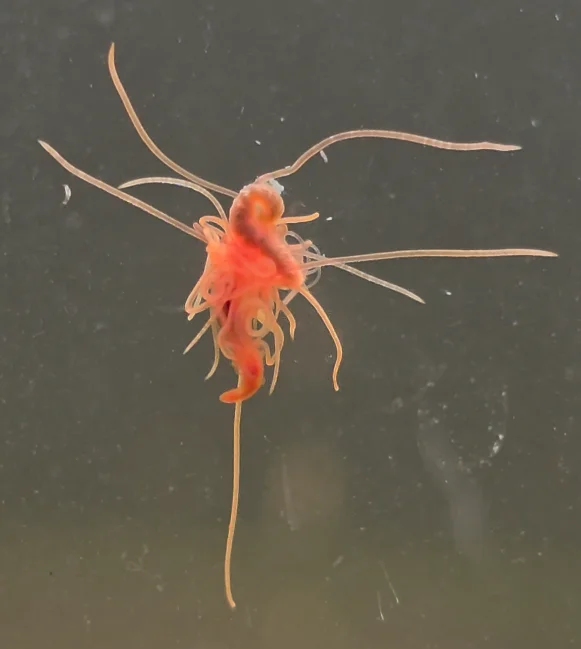
  • Ragworm: present in the Marine Shore benthic substrate; deposit feeder

Predators and Scavengers

  • Gulf Marsh Crab: omnivore; predates on small invertebrates in addition to plant grazing
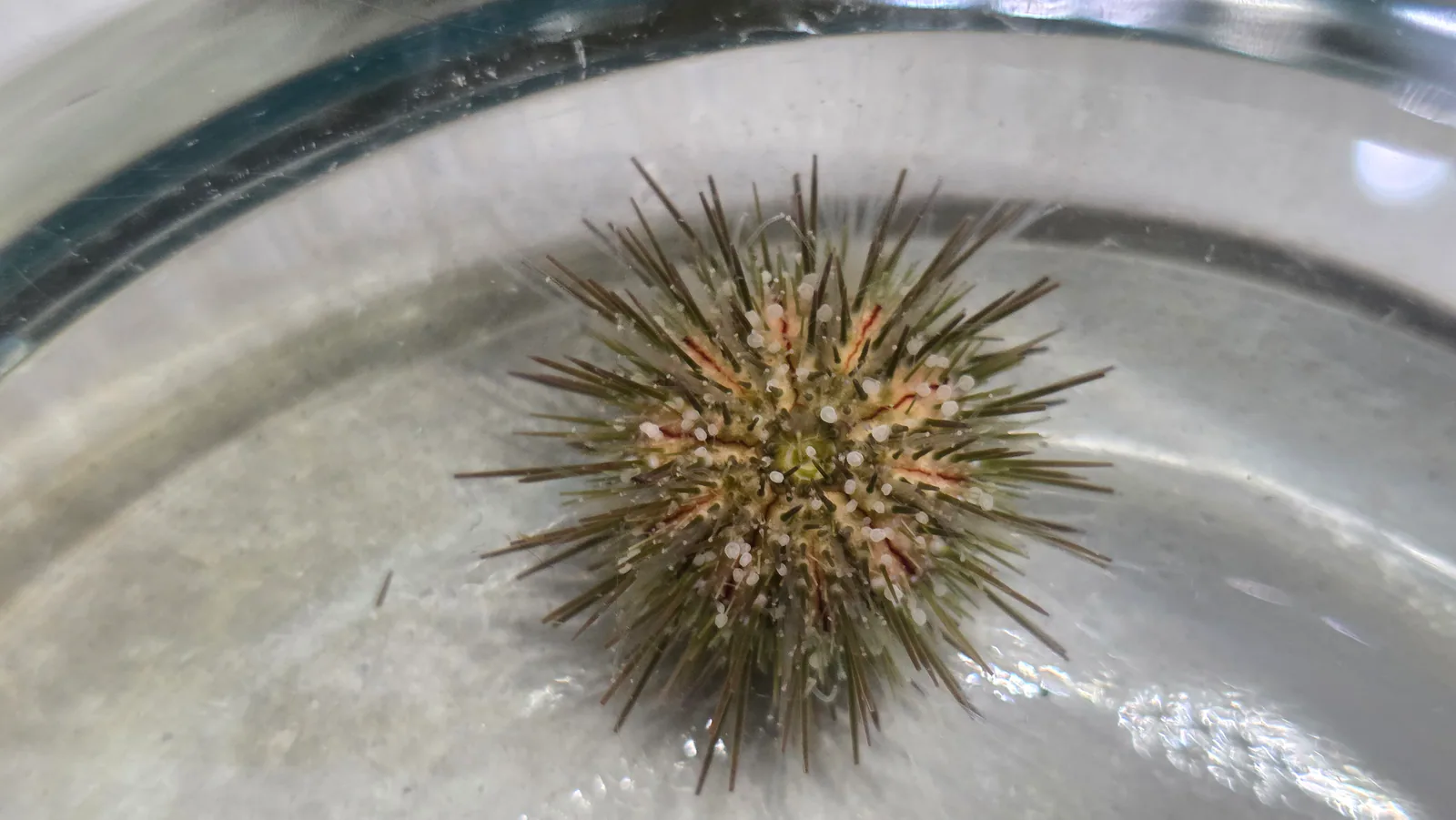
  • Mud Crab (family Panopeidae): confirmed sediment disturbance across Marine Shore and Seagrass Meadow (June 10, 2026, video); opportunistic predator and scavenger

Microhabitat Occupants

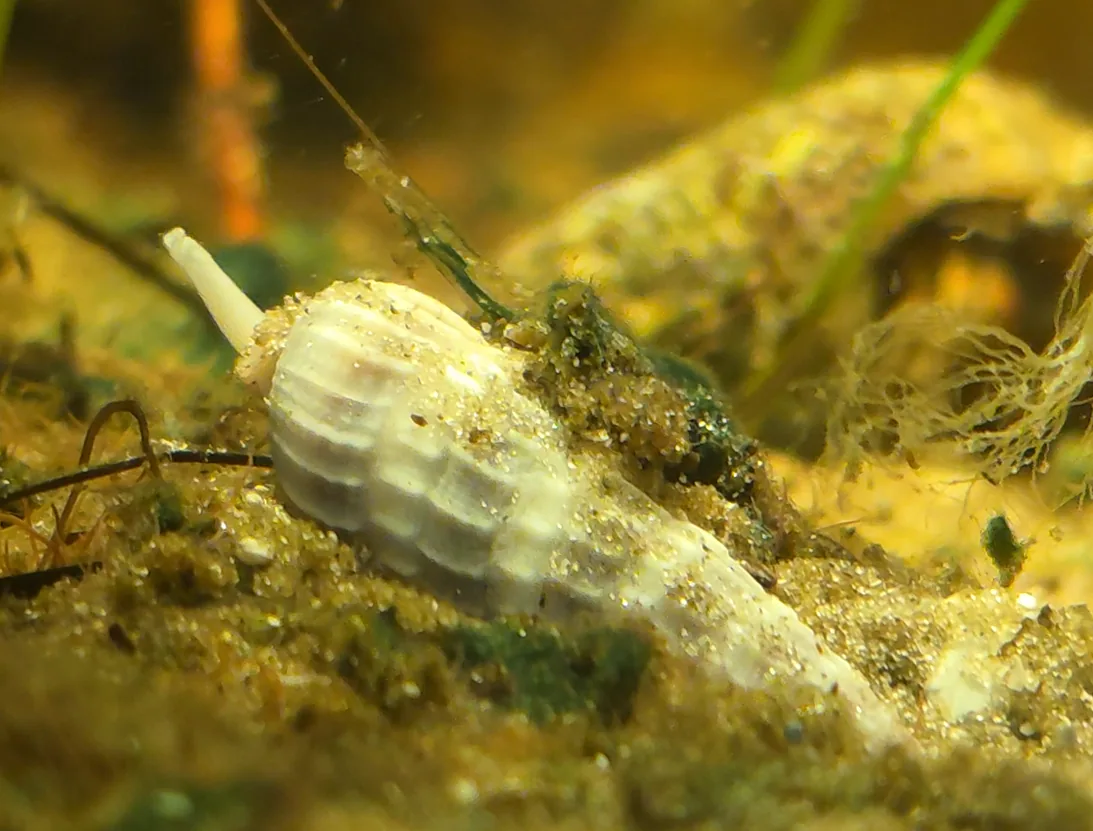
  • Ladder Hornsnail (Cerithidea scalariformis): intertidal snail; present in Marine Shore; persistence and current status unconfirmed
  • Atlantic Sand Fiddler Crab: noted in historical records; current status and reproduction not recently confirmed

Cross-Biome Visitors

  • Mottled Shore Crab: ranges between Marine Shore and Seagrass Meadow; confirmed grazer in Seagrass Meadow
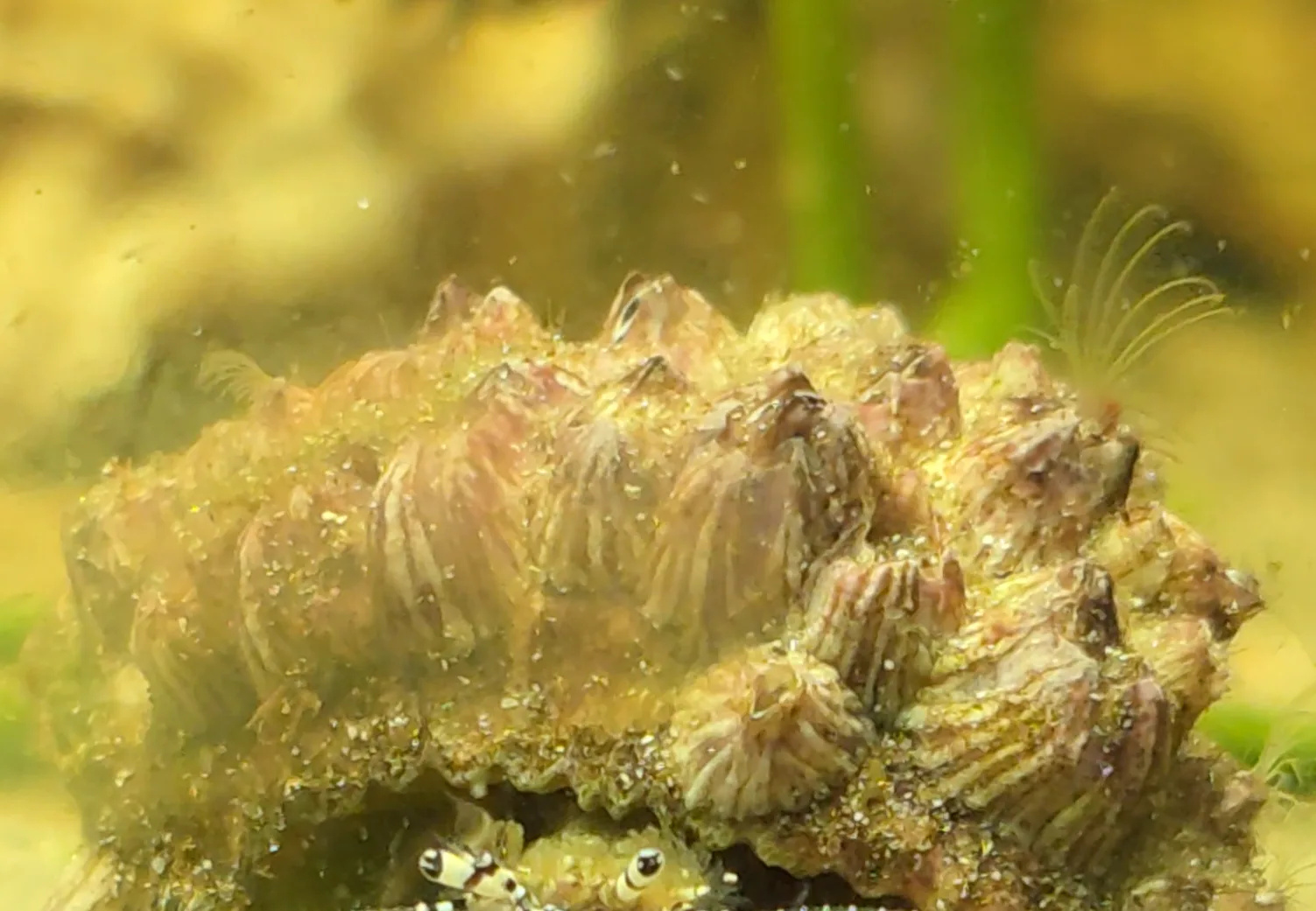
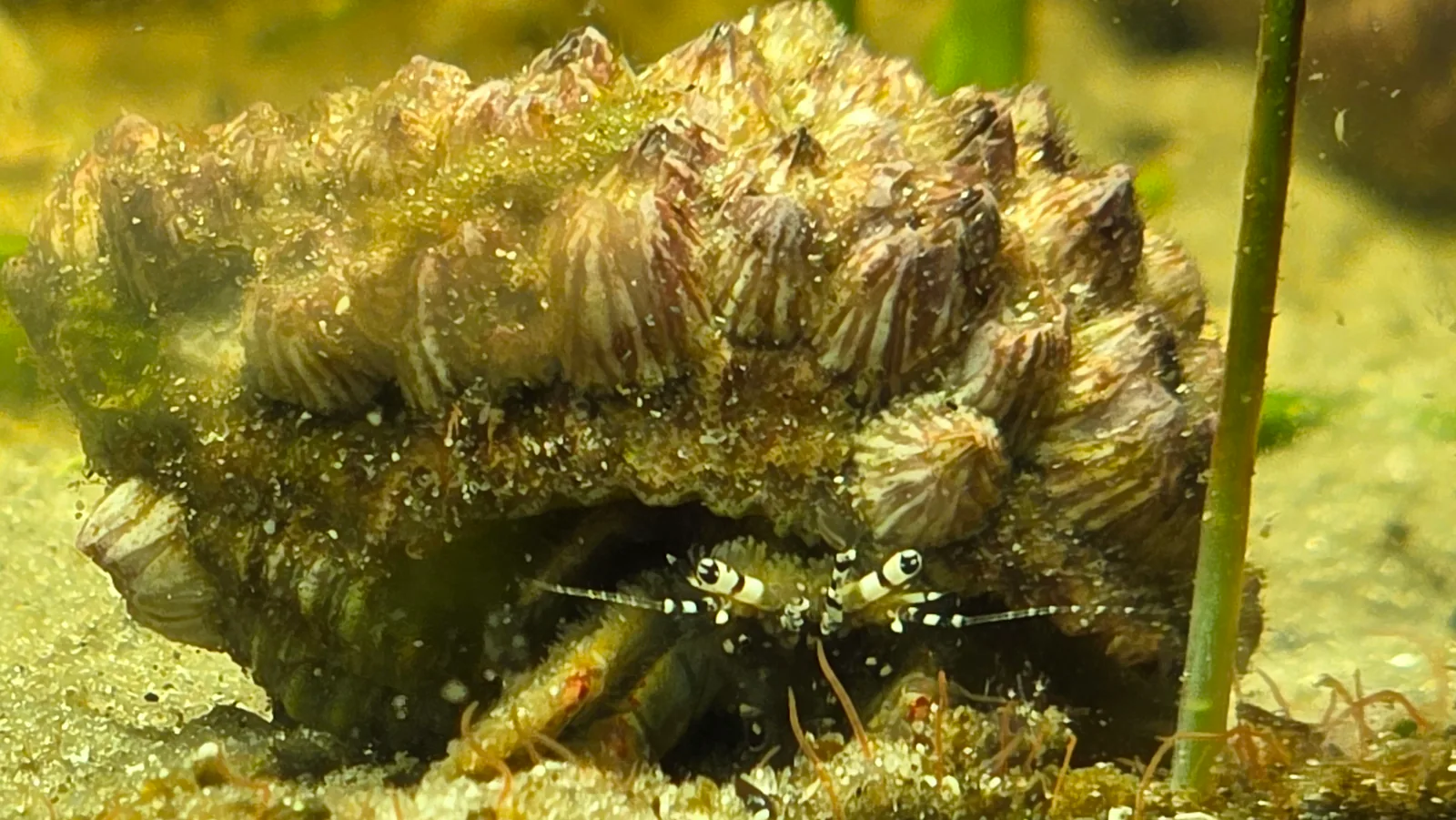
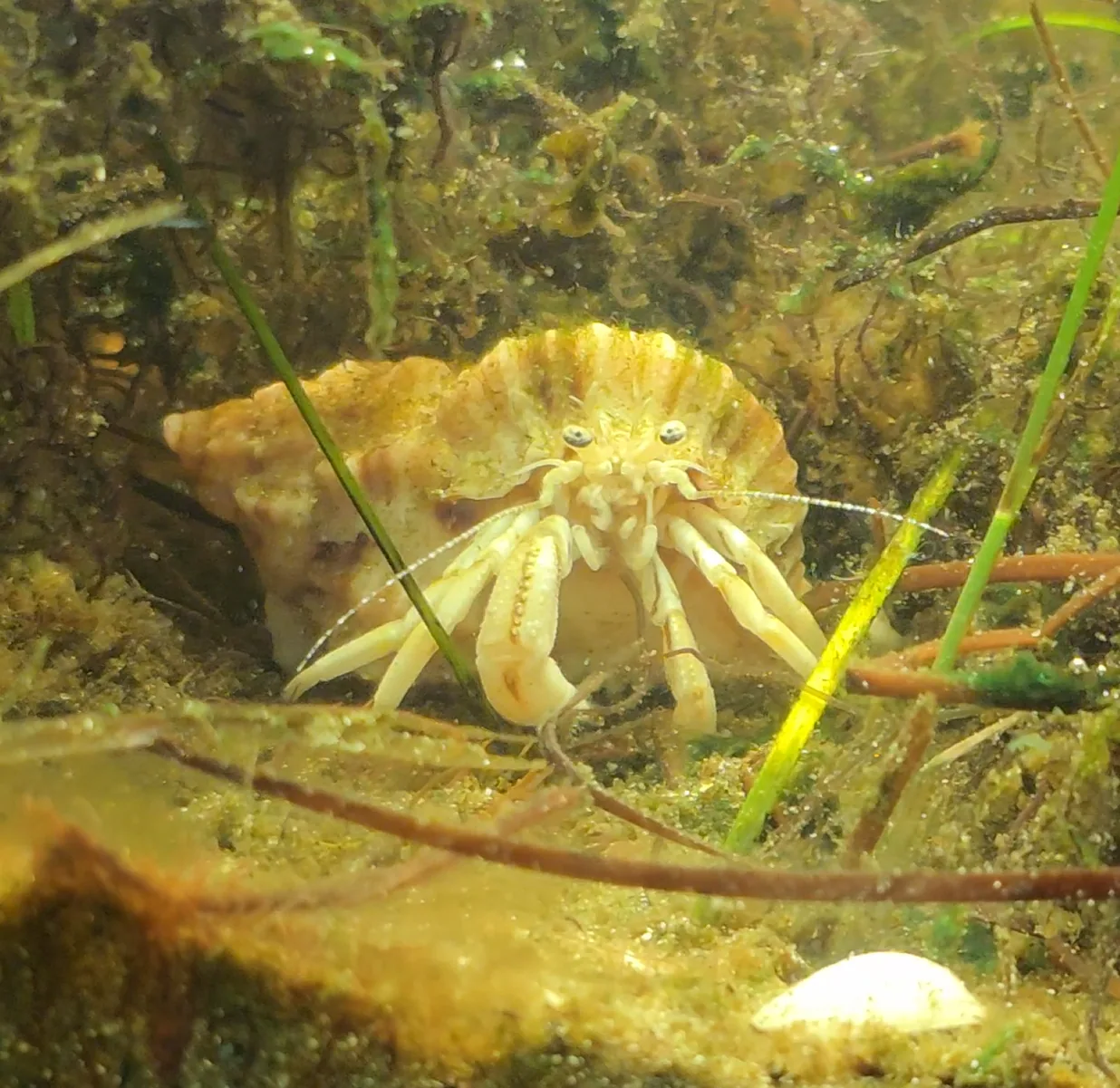
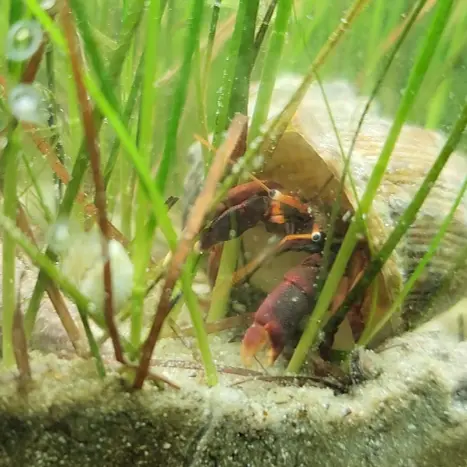
  • Hermit Crabs (Orangeclaw, McLaughlin's, Long-armed): move between Seagrass Meadow and Marine Shore; scavengers
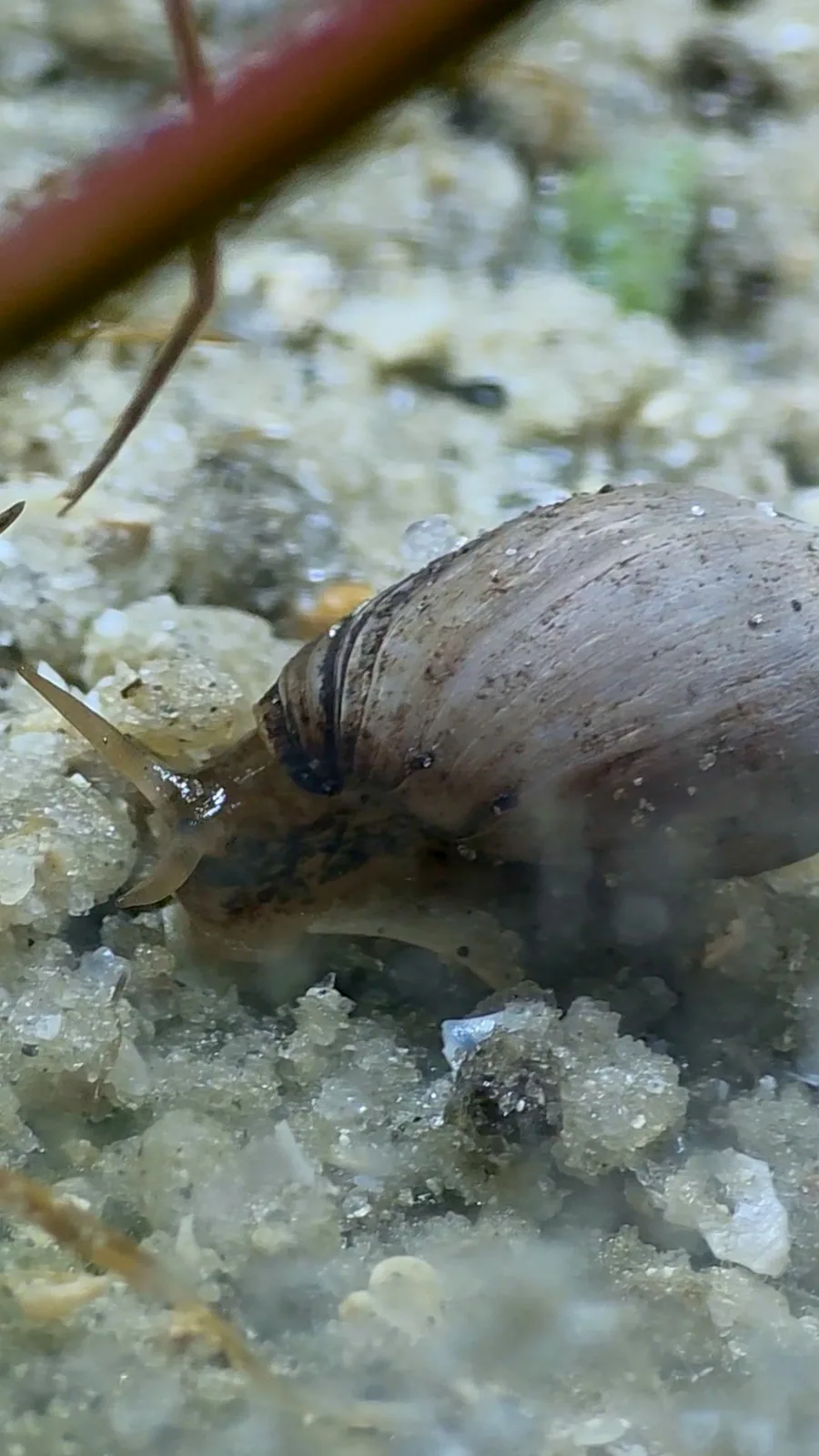
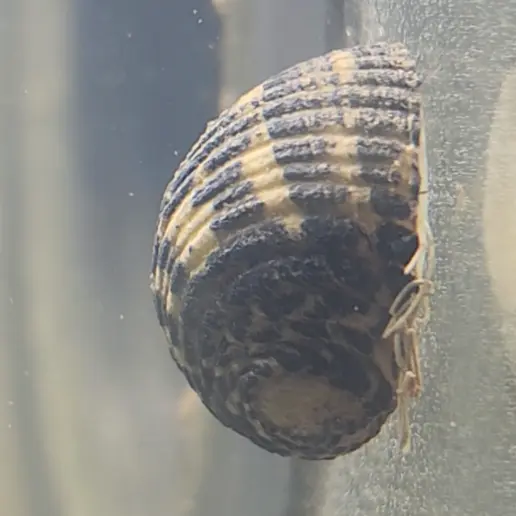
  • Lightning Nerite (Nerita fulgurans): grazes above the waterline in the Marine Shore; retreats below water; documented behavior
  • Mud Crab (multiple individuals): introduced June 4, 2026; moves freely between Marine Shore and Seagrass Meadow

miniBIOTA Evidence

Establishment

The Marine Shore was established December 10, 2023, alongside the Seagrass Meadow as part of the initial miniBIOTA saltwater system build. It was designed as the saltwater shoreline edge: a coastal grazing zone, detritus processing site, and exchange surface between the aquatic Seagrass Meadow and the terrestrial habitats above. Initial shoreline vegetation and early marine invertebrates were part of the founding stocking.

Observation Timeline

  • December 10, 2023: Marine Shore established alongside the Seagrass Meadow. Shoreline vegetation and initial invertebrate cast put in place.
  • May 25, 2026: Female Ridgeback Sand Grasshopper documented in the Marine Shore on sand, with a male perching above her on a nearby Silverhead branch. Two individuals locating one another in Marine Shore context. Mating, reproduction, and establishment not confirmed.
  • June 4, 2026: Eastern Melampus population expanded: approximately 40 additional individuals introduced to the Marine Shore after two earlier individuals performed well. Brings the documented Marine Shore Melampus population to approximately 42 individuals. Breeding and establishment not confirmed.
  • June 4, 2026: Approximately 8 Mangrove Periwinkle (Littoraria angulifera) introduced to the Marine Shore as a new intertidal grazer presence. Establishment and persistence not confirmed.
  • June 9, 2026: Mangrove Tree Crabs confirmed primarily using the Marine Shore: feeding on fallen leaves and detritus, climbing through vegetation, perching on Red Mangrove, and grazing Red Mangrove. Movement through Mangrove Forest and Lakeshore also documented in the same observation (video, obs-282).
  • June 9, 2026: Two male Ridgeback Sand Grasshoppers reported unobserved for approximately one week after spending time feeding in the Marine Shore. Marine Shore salinity noted as possible stressor but cause of disappearance not confirmed (obs-283).
  • June 10, 2026: Mud Crabs directly observed excavating and moving substrate across the Marine Shore/coastal biome and Seagrass Meadow. Fresh disturbed areas visible in the Marine Shore (video, obs-285).

What Is Confirmed

  • Marine Shore established December 10, 2023.
  • Gulf Marsh Crab confirmed grazing Seashore Paspalum and excavating substrate.
  • Eastern Melampus confirmed feeding on dead grass detritus at the waterline.
  • Mangrove Tree Crab confirmed feeding on fallen leaves and detritus in the Marine Shore, climbing vegetation, and moving between Marine Shore, Mangrove Forest, and Lakeshore (June 9, 2026, video).
  • Ridgeback Sand Grasshoppers confirmed using the Marine Shore: female on sand, male on Silverhead branch (May 25, 2026).
  • Mud Crab sediment disturbance confirmed across Marine Shore and Seagrass Meadow (June 10, 2026, video).
  • Eastern Melampus expanded to approximately 42 individuals as of June 4, 2026.
  • Mangrove Periwinkle introduced to Marine Shore as of June 4, 2026.

What Is Inferred

  • The Marine Shore functions as a biological corridor between the Seagrass Meadow and terrestrial biomes; this is supported by multiple species using it as a transit zone but has not been measured as nutrient transfer.
  • Shoreline erosion is ongoing; the substrate is erosion-prone and reshaped by water movement, crab activity, and digging, though the rate and cause of erosion are not quantified.
  • Eastern Melampus grazing on dead plant matter at the waterline may contribute to organic matter processing, but the magnitude of this contribution has not been measured.

What Remains Unknown

  • Whether Eastern Melampus is breeding or establishing a self-sustaining population in the Marine Shore.
  • Whether Mangrove Periwinkle is persisting since June 4, 2026 introduction.
  • What caused the two male Ridgeback Sand Grasshoppers to disappear after Marine Shore use in early June 2026.
  • Whether Marine Shore salinity affected the Ridgeback Sand Grasshoppers.
  • Whether Ridgeback Sand Grasshoppers mated in the Marine Shore (the May 25, 2026 proximity observation makes it possible, not confirmed).
  • Current status of Ladder Hornsnail and Atlantic Sand Fiddler Crab in the Marine Shore.
  • Whether Gulf Marsh Crab is affecting the shoreline vegetation cover in a measurable way.
  • Salinity, pH, temperature, and nutrient levels at the Marine Shore.
  • Current shoreline profile and whether erosion is accelerating, stable, or slowing.

Active Ecological Tensions

Shoreline erosion (active watch): The Marine Shore substrate is described as erosion-prone; the sloped sand and limestone edge is reshaped by water movement, wave action, crab burrowing, and Mud Crab digging. Whether the erosion is primarily mechanical, animal-driven, or both, and whether it is accelerating or stabilizing, has not been measured.

Eastern Melampus establishment (unresolved): The June 4, 2026 expansion to approximately 42 individuals improved the Marine Shore's intertidal snail layer, but breeding and reproduction have not been confirmed. Whether the population can establish and sustain itself is the primary Melampus question.

Ridgeback Sand Grasshopper Marine Shore use (unresolved): Two males used the Marine Shore intensively in late May and early June 2026 and then disappeared. The female remained in the Lowland Meadow. Whether the males were stressed by salinity, moved elsewhere, or died is unknown.

Mangrove Periwinkle establishment (early watch): Introduced June 4, 2026; too early for establishment assessment. These intertidal climbing snails were added to expand the Marine Shore's surface-grazing layer.

Cross-biome nutrient transport (mechanism-level watch): Organisms including Mangrove Tree Crab, Eastern Melampus, Mangrove Periwinkle, and hermit crabs move between the Marine Shore and adjacent biomes. Whether this movement constitutes measurable nutrient transport across the waterline has not been documented.