Lemna valdiviana

Valdivia Duckweed

A tiny native Florida duckweed now identified as Valdivia Duckweed, this species has been introduced to the Freshwater Lake multiple times; its history is one of rapid consumption and repeated failed establishment in a nitrogen-limited closed system where grazers have consistently outpaced its growth.

Overview

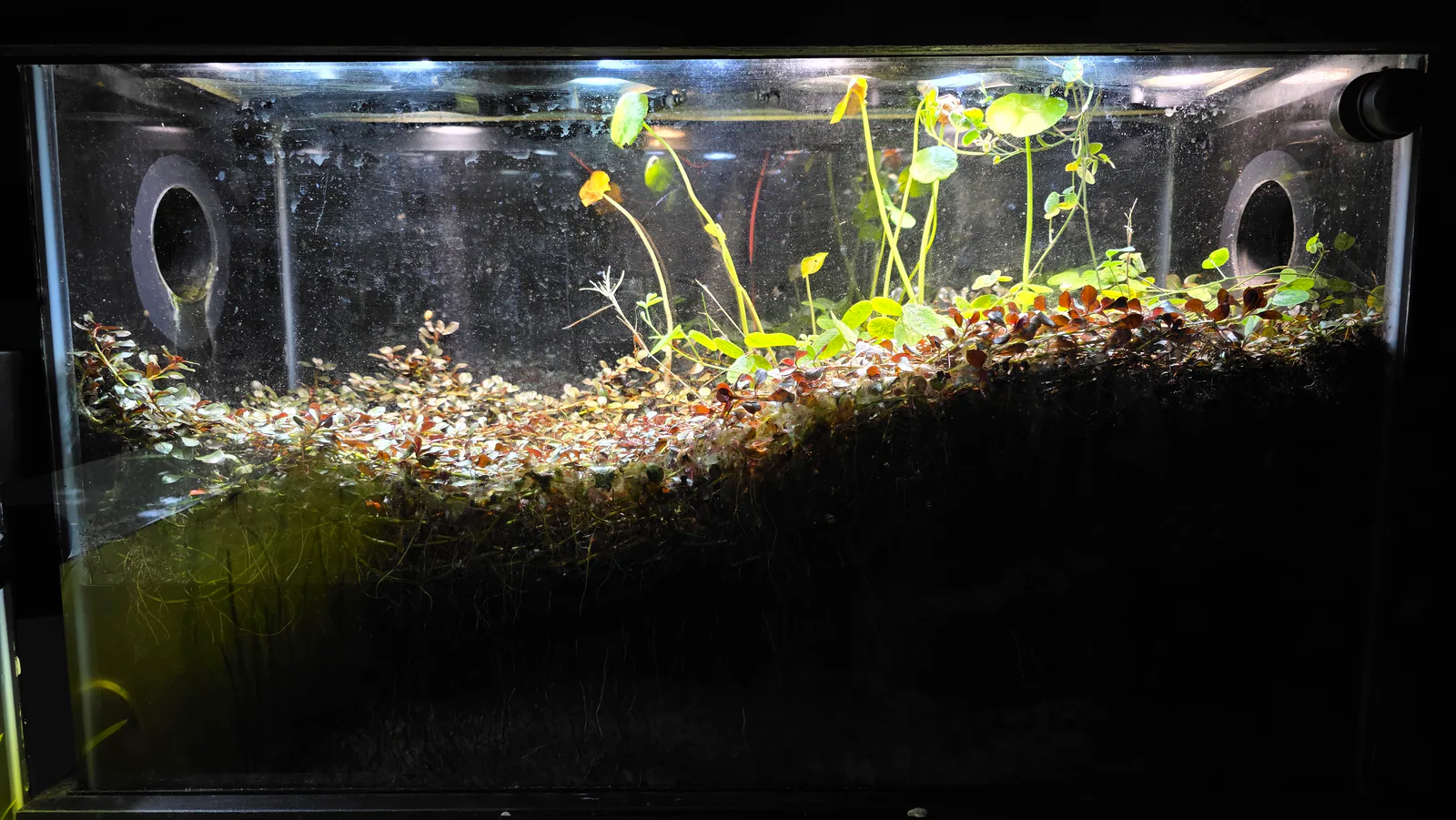
Introduced to the Freshwater Lake multiple times over the history of miniBIOTA and now identified to species level as Lemna valdiviana, this small free-floating plant has consistently failed to establish due to nutrient limitation and grazing pressure. Reintroduced on June 30, 2026 alongside three other floating plant species as a final attempt to reduce nutrients and improve water clarity in response to persistent green water.

Identity

  • Common name: Valdivia Duckweed
  • Alternate names: Valdivia's duckweed, forked duckweed, pale duckweed, water lentil, lemna, floating duckweed
  • Scientific name: Lemna valdiviana
  • Identification confidence: Species level
  • Uncertainty label: Observed

Taxonomy

  • Kingdom: Plantae
  • Phylum: Tracheophyta
  • Class: Liliopsida
  • Order: Alismatales
  • Family: Araceae
  • Genus: Lemna
  • Species: Lemna valdiviana

Natural History

Lemna valdiviana is a small free-floating aquatic monocot native to the Americas, with a range extending from the United States (including Florida) through Central and South America. Named after Valdivia, Chile, where it was first described, it is one of several Lemna species found in Florida's warm freshwater habitats: ponds, ditches, marshes, slow-moving rivers, and lake margins.

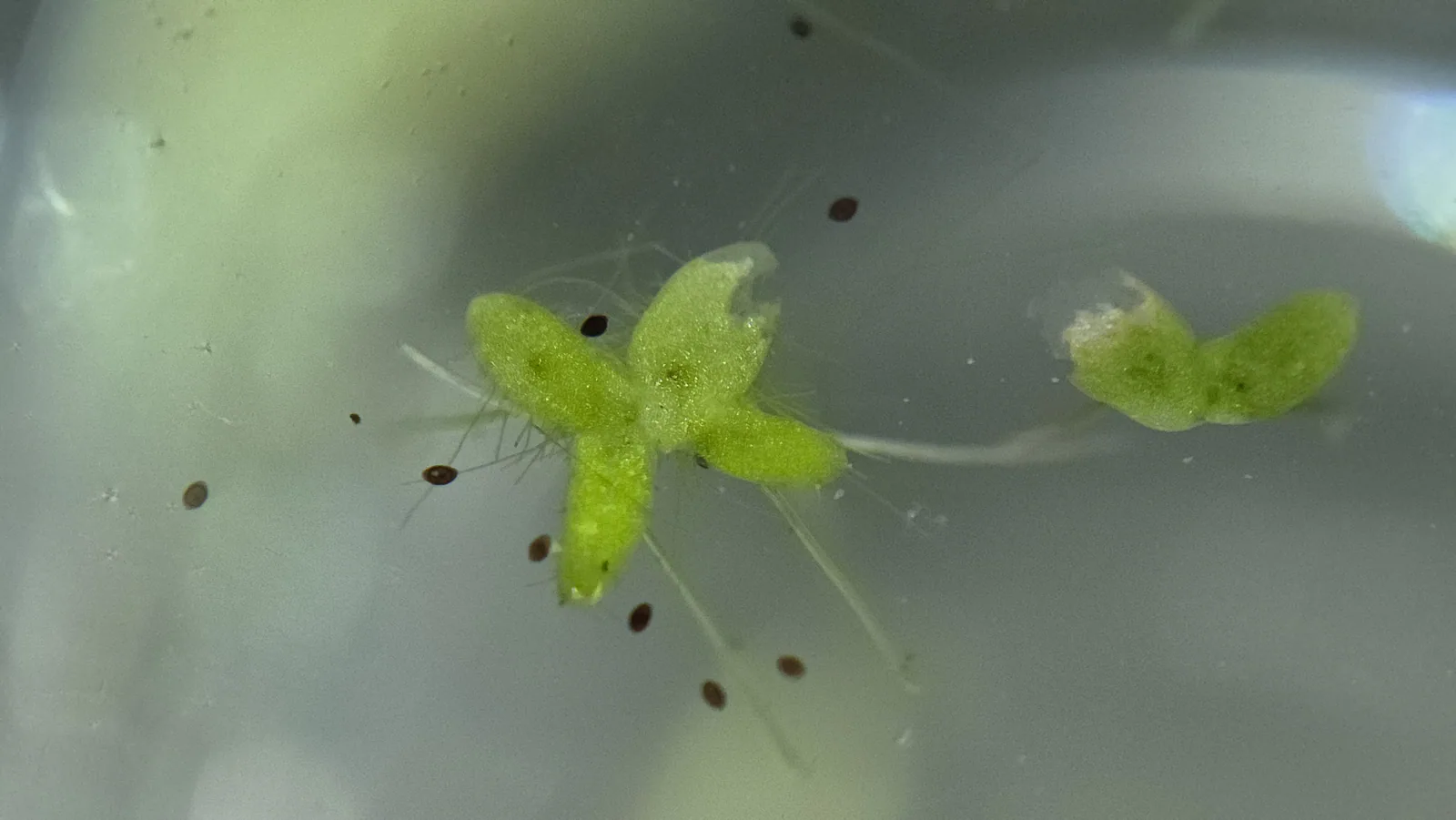
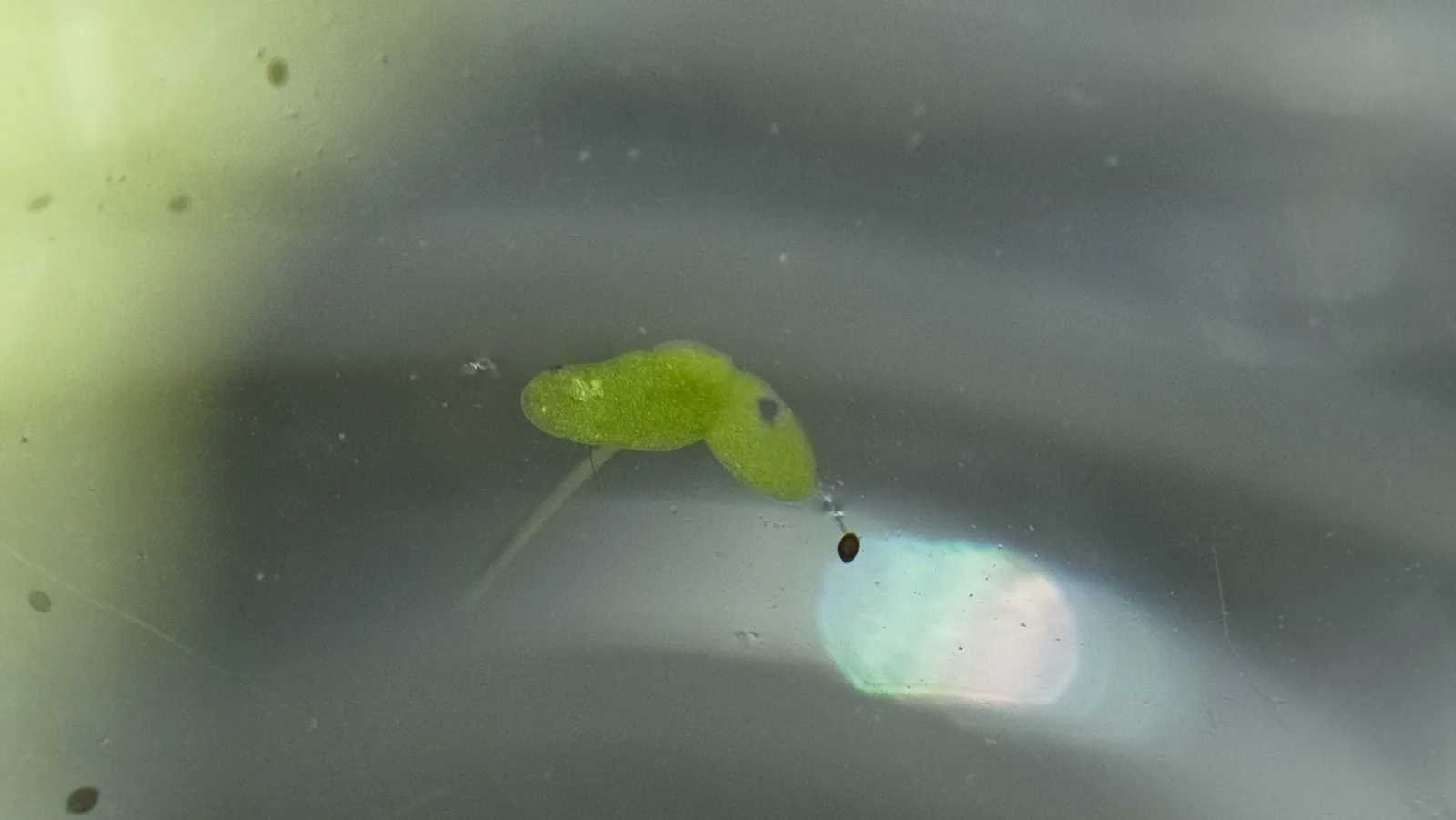
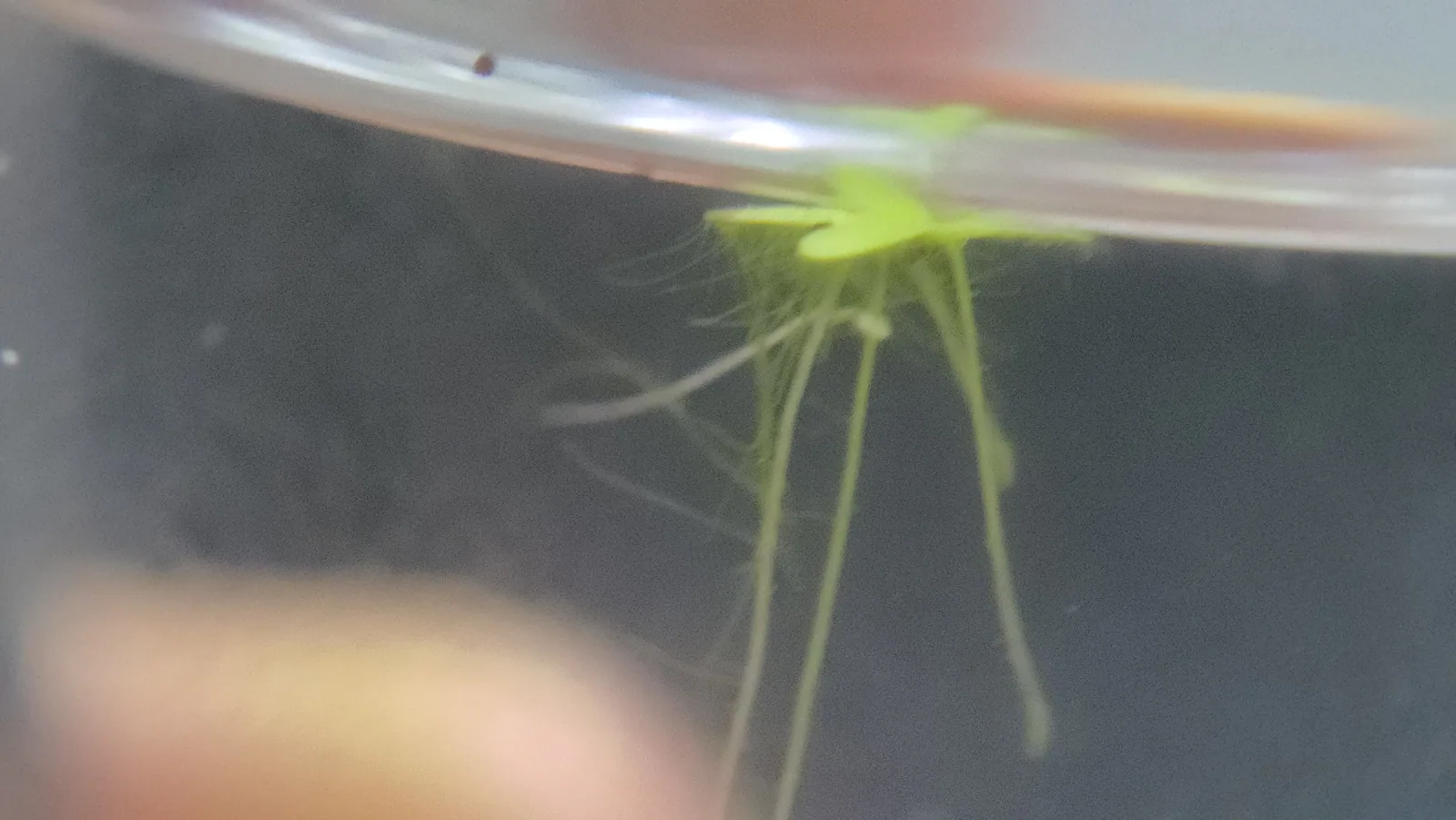
Each frond is 2 to 4 millimeters across, slightly elongated and asymmetrical compared to the rounder fronds of Lemna minor, with a single trailing rootlet. As with all Lemna species, reproduction occurs primarily through clonal vegetative budding: new fronds bud directly from the parent frond, separate, and form independent plants. Under optimal conditions of warm temperature, adequate light, and sufficient dissolved nitrogen, a population can double in two to four days.

Growth rate is strongly dependent on dissolved nitrogen availability. In nutrient-poor or cool systems, budding slows dramatically, and introduced biomass is typically consumed by grazers before the population can expand. This is the documented failure mechanism of prior Valdivia Duckweed introductions in miniBIOTA: the Freshwater Lake's nutrient limitation prevented the rapid budding needed to outpace grazing.

Ecological Role

In the Freshwater Lake, Valdivia Duckweed's potential ecological functions include primary production at the water surface, dissolved nitrogen and phosphorus uptake, surface shading to suppress phytoplankton and suspended algae, and food provision as high-protein floating plant biomass for invertebrate consumers.

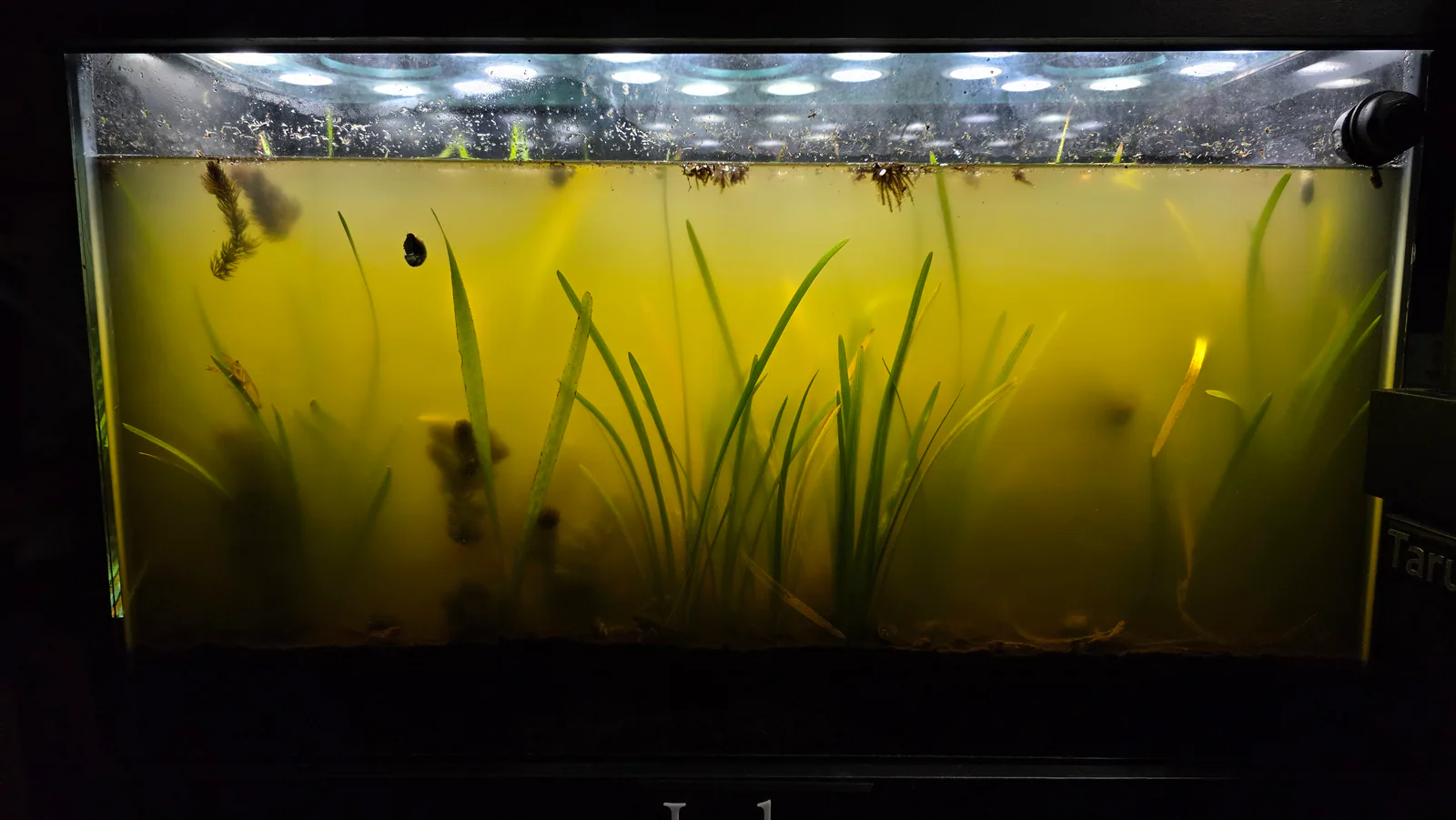
Prior introduction attempts have not resulted in stable population establishment, due to a documented cycle of nutrient limitation slowing growth while grazers consume introduced biomass faster than it can expand. The June 30, 2026 reintroduction occurred under changed conditions: no fish are currently present to graze the plants, and the motivation is to evaluate floating plants as a nutrient management tool against persistent green water.

miniBIOTA Evidence

Introduction context: Valdivia Duckweed has been introduced to the Freshwater Lake multiple times. The most recent prior introduction was a wild-collected sample on April 8, 2026, framed at the time as a temporary disruption rather than a stable solution. On June 30, 2026, the species was reintroduced alongside three other floating plant species (Lesser Duckweed, Dotted Duckweed, and Water Spangles) as a final evaluation of floating vegetation's ability to shift nutrient dynamics in the lake.

Observation timeline:

  • January 28, 2026: Last confirmed sighting from a prior introduction attempt, predating the April 8, 2026 field collection. No dedicated observation file exists for this date. Represents the end of a prior trial period.
  • April 8, 2026: Wild-collected from high-abundance natural sites and introduced to the Freshwater Lake. The observation record documents the reasoning: nutritional value as a food source for crayfish and shrimp, potential Daphnia alternative, and surface suppression of algae. The note explicitly acknowledges the history of failed introductions and frames this as an expected temporary disruption rather than a stable solution. Video evidence.
  • June 30, 2026: Reintroduced to the Freshwater Lake as part of a four-species floating plant trial alongside Lesser Duckweed, Dotted Duckweed, and Water Spangles. Identified to species level as Lemna valdiviana for the first time. Prompted by persistent green water; no fish currently present to graze plants. Framed as a final evaluation of floating vegetation's ability to shift nutrient dynamics. Video evidence.

Confirmed:

  • Presence in the Freshwater Lake at some point prior to January 28, 2026 (prior trial)
  • Wild-collected and introduced April 8, 2026 (video evidence)
  • Multiple prior failed introduction attempts; failure mechanism identified as nutrient limitation combined with grazing pressure
  • Reintroduced June 30, 2026 as a named, species-identified introduction (video evidence)
  • Species identity now resolved as Lemna valdiviana

Inferred:

  • All prior introductions consumed before population expansion could occur, consistent with the documented failure mechanism
  • April 2026 introduction likely followed the same pattern as prior failures
  • Nutrient limitation is the proximate driver of repeated establishment failure

Unknown:

  • Whether the June 30, 2026 reintroduction will establish a persistent population under current conditions
  • Exact dates and outcomes of all prior introduction trials before April 2026
  • Whether invertebrate grazing (crayfish, snails, shrimp) will limit this trial as fish grazing limited prior ones