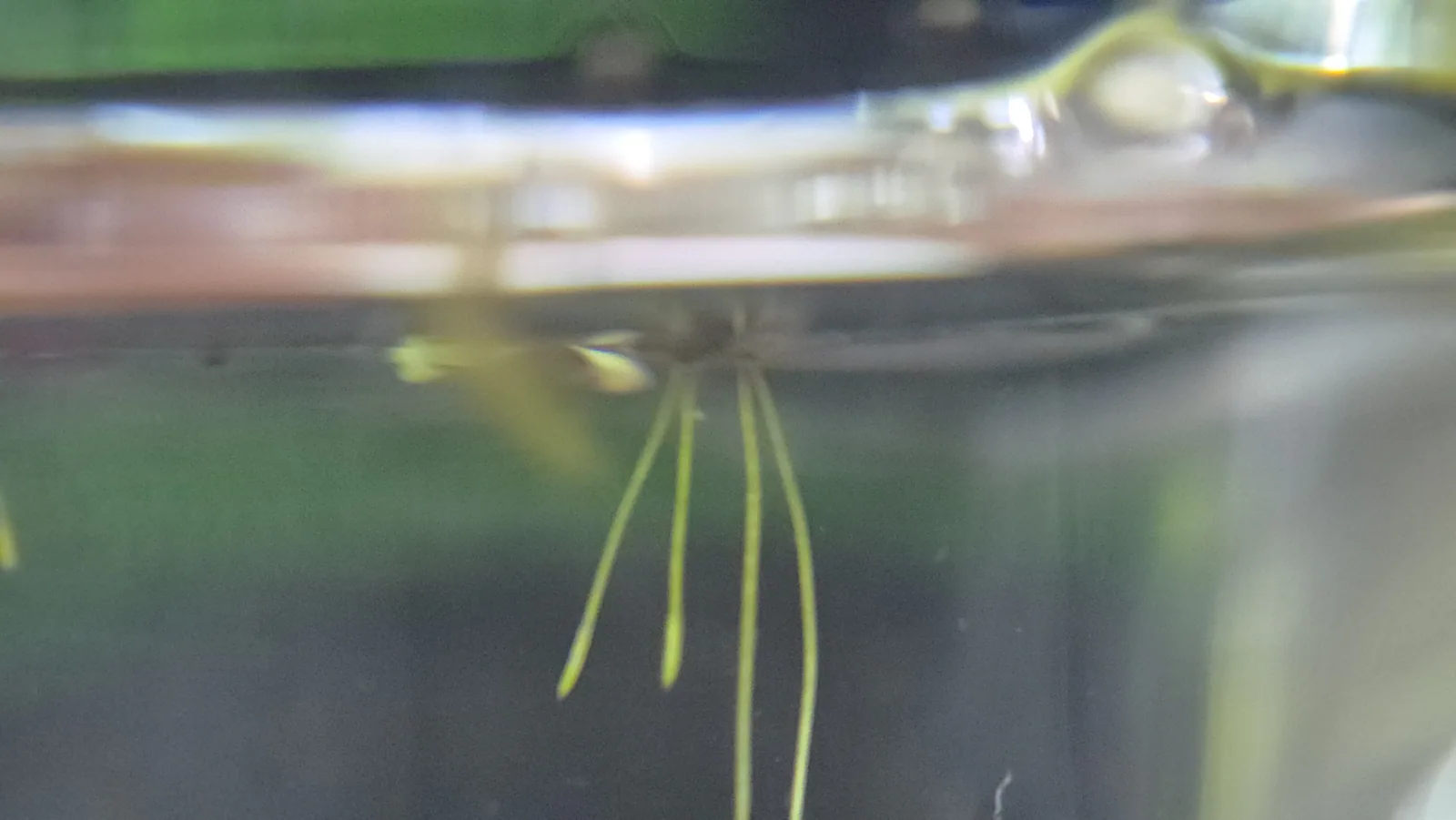
Lemna aequinoctialis

Lesser Duckweed

One of the tiniest flowering plants in the world, this warm-climate duckweed floats across the lake surface as a barely visible green speck, budding new fronds continuously and racing to cover the water before grazers can consume it.
Overview

A tiny free-floating aquatic plant introduced to the Freshwater Lake on June 30, 2026 as part of a four-species floating vegetation trial to help reduce nutrients and improve water clarity amid persistent green water. One of the most common duckweeds in warm subtropical climates worldwide, Lesser Duckweed reproduces rapidly through vegetative budding and is adapted to warm, shallow, nutrient-accessible freshwater.

Identity

  • Common name: Lesser Duckweed
  • Alternate names: least duckweed, equatorial duckweed, water lentil
  • Scientific name: Lemna aequinoctialis
  • Identification confidence: Species level
  • Uncertainty label: Observed

Taxonomy

  • Kingdom: Plantae
  • Phylum: Tracheophyta
  • Class: Liliopsida
  • Order: Alismatales
  • Family: Araceae
  • Genus: Lemna
  • Species: Lemna aequinoctialis

Natural History

Lemna aequinoctialis is one of the most widespread duckweed species in tropical and subtropical regions, with a range spanning the Americas, Africa, Asia, and the Pacific. In Florida, it is frequently found in warm, slow-moving or still freshwater: ponds, ditches, roadside swales, marshes, and lake margins.

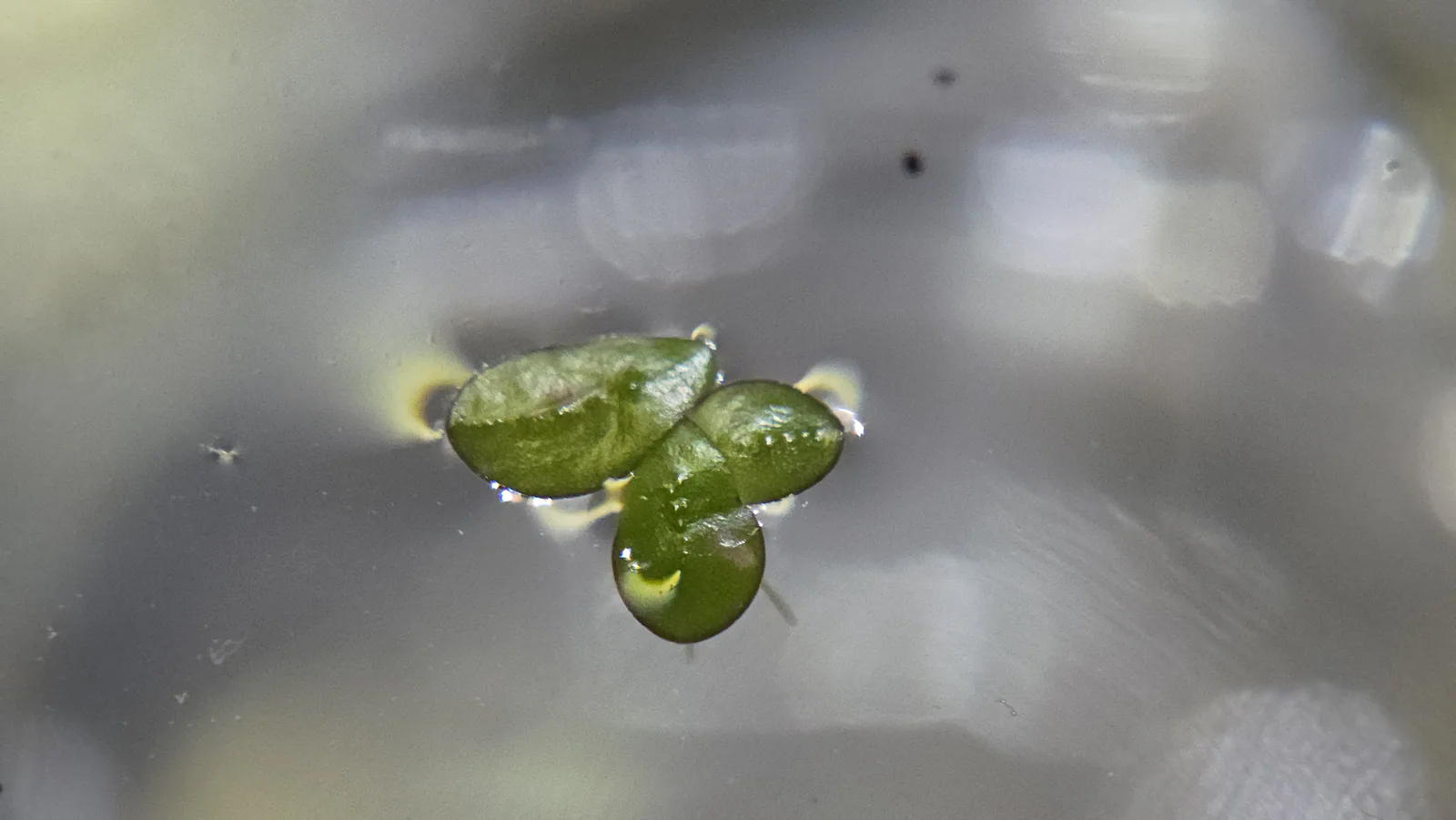
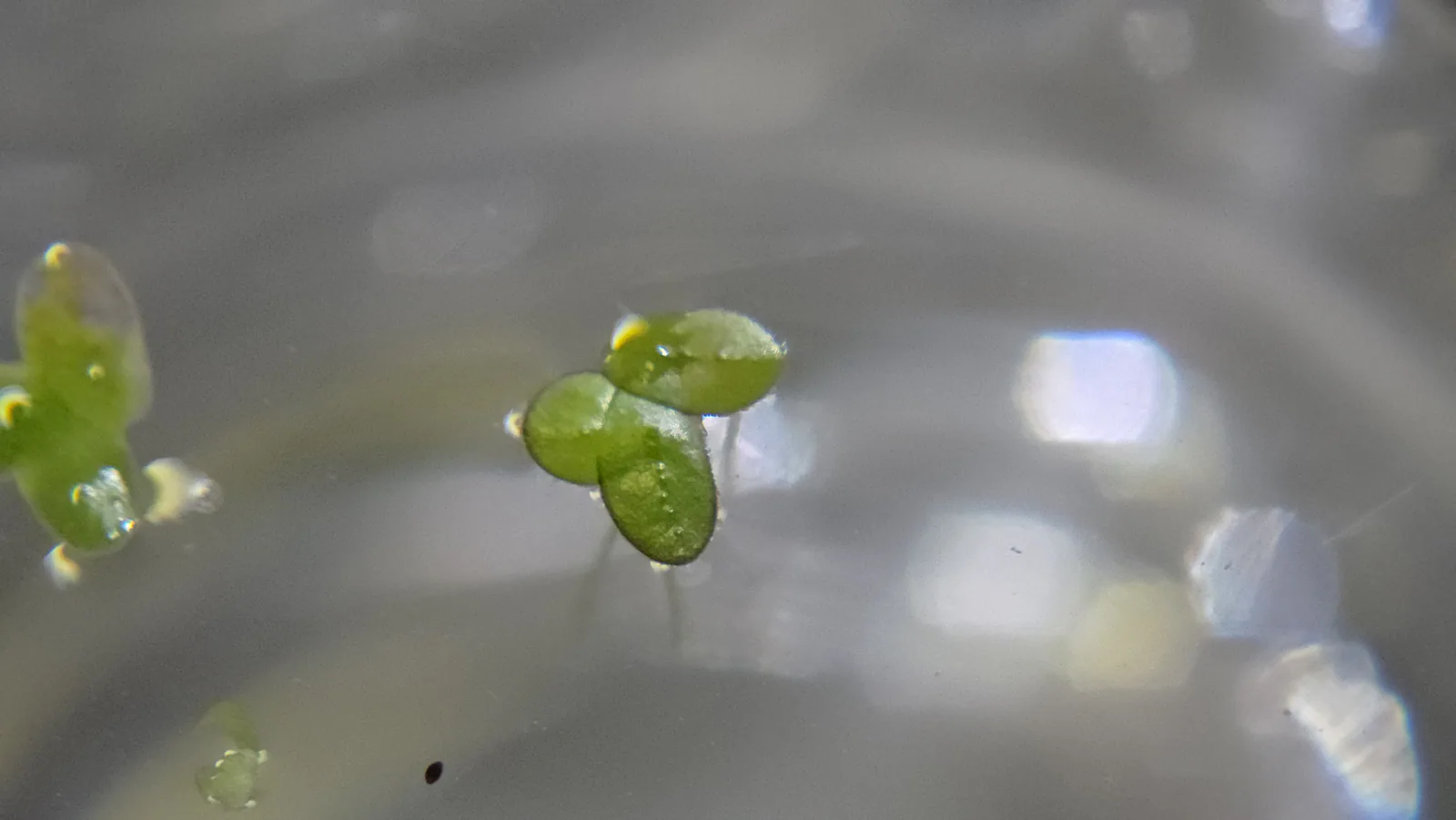
The plant is among the smallest flowering plants on Earth. Each frond is 1 to 3 millimeters wide, oval to elliptical, slightly asymmetrical, and bears a single trailing rootlet. New fronds bud directly from the parent frond through vegetative reproduction; a single frond can produce a doubling of biomass in as little as one to two days under ideal conditions of warm temperature, high light, and sufficient dissolved nitrogen.

Growth rate is highly sensitive to dissolved nitrogen availability. Like all Lemna species, L. aequinoctialis requires a continuous supply of inorganic nitrogen for rapid budding. In nutrient-poor or cool conditions, growth slows dramatically and introduced biomass is consumed before expansion occurs. Its thermal optimum is approximately 25 to 32 degrees Celsius, making it better adapted to warm subtropical and tropical systems than the more temperate Lemna minor.

Ecological Role

Lesser Duckweed serves as a floating primary producer, capturing surface light and converting it into plant biomass. In nutrient-enriched freshwater systems, it can form dense mats that shade the water column, suppressing submerged algae and phytoplankton through light limitation. As fronds die and sink, they contribute organic matter to the detrital food web.

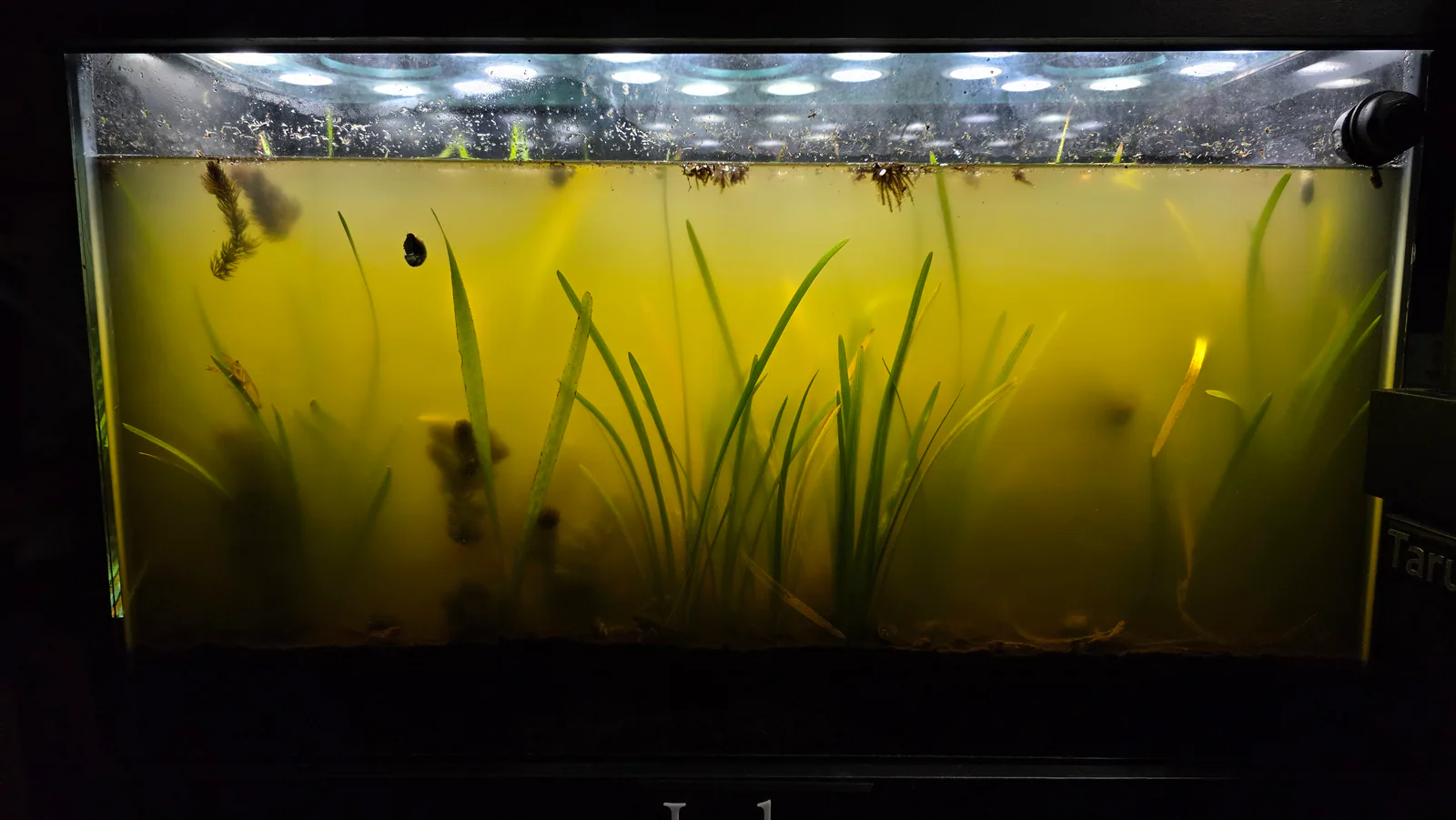
In miniBIOTA's Freshwater Lake, the target functions of this introduction are nutrient uptake from the water column (reducing dissolved nitrogen and phosphorus that sustain persistent green water) and surface shading to reduce phytoplankton growth. Whether Lesser Duckweed can achieve these functions depends on whether it can outpace grazing by remaining freshwater invertebrates (crayfish, snails, shrimp) in a system where prior Lemna trials have consistently failed due to nutrient limitation.

miniBIOTA Evidence

Introduction context: Lesser Duckweed was introduced to the Freshwater Lake on June 30, 2026 as one of four floating plant species in a deliberate management trial prompted by persistent green water. No fish remain in the lake to graze the plants, which may improve establishment odds compared to earlier duckweed introductions. The introduction is framed as a final evaluation of whether floating vegetation can help shift nutrient dynamics and improve water clarity.

Observation timeline:

Confirmed:

  • Introduction to the Freshwater Lake on June 30, 2026 (direct observation, video)

Inferred:

  • Nutrient uptake and surface shading are the target mechanisms; outcome unresolved
  • Absence of fish may reduce the immediate grazing pressure that failed prior Lemna introductions in the system

Unknown:

  • Whether Lesser Duckweed can establish a persistent population given the system's nutrient constraints
  • Whether invertebrate grazing (crayfish, snails, shrimp) will limit its expansion as fish grazing did in prior trials
  • How its performance will compare to the other three species introduced simultaneously