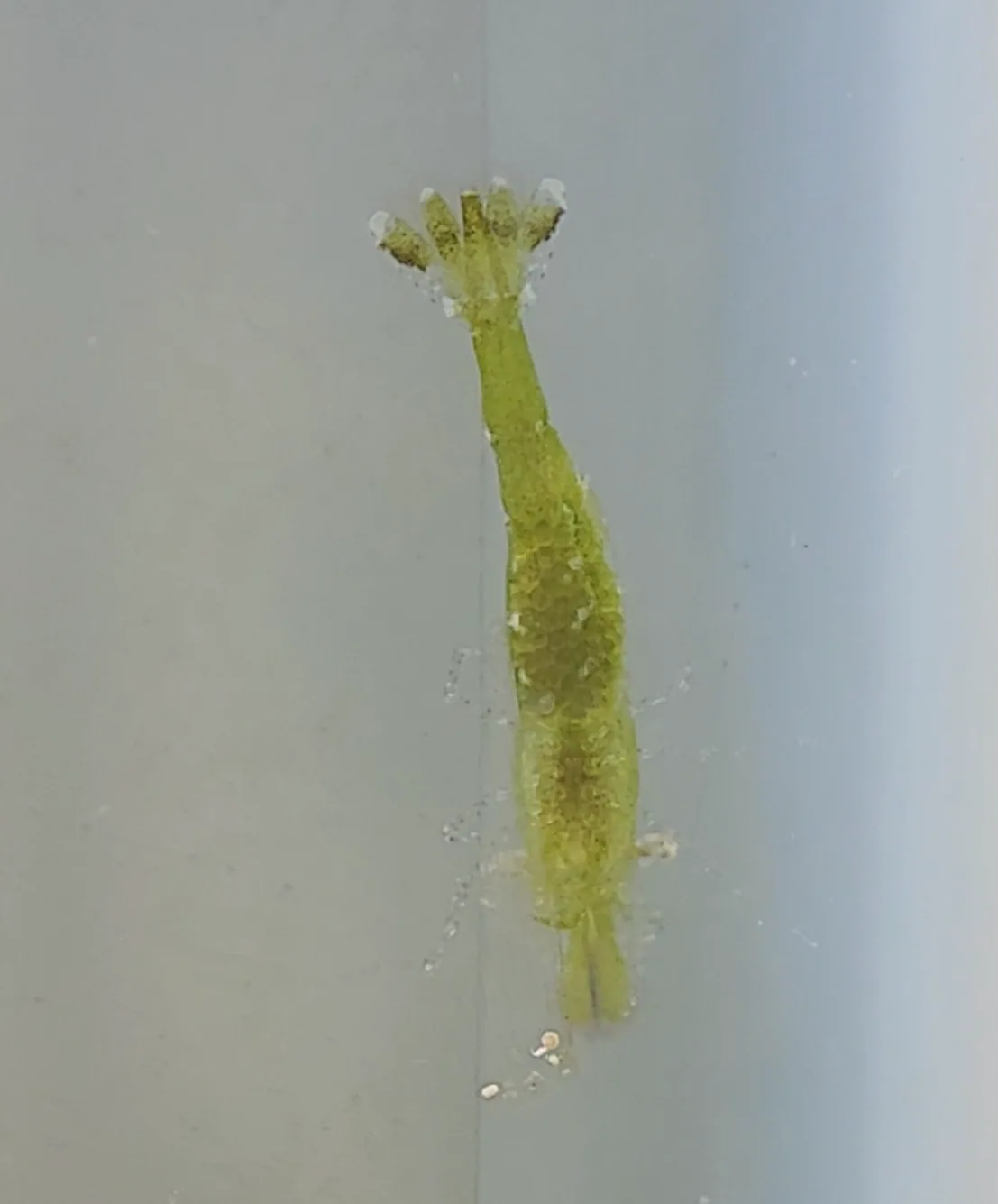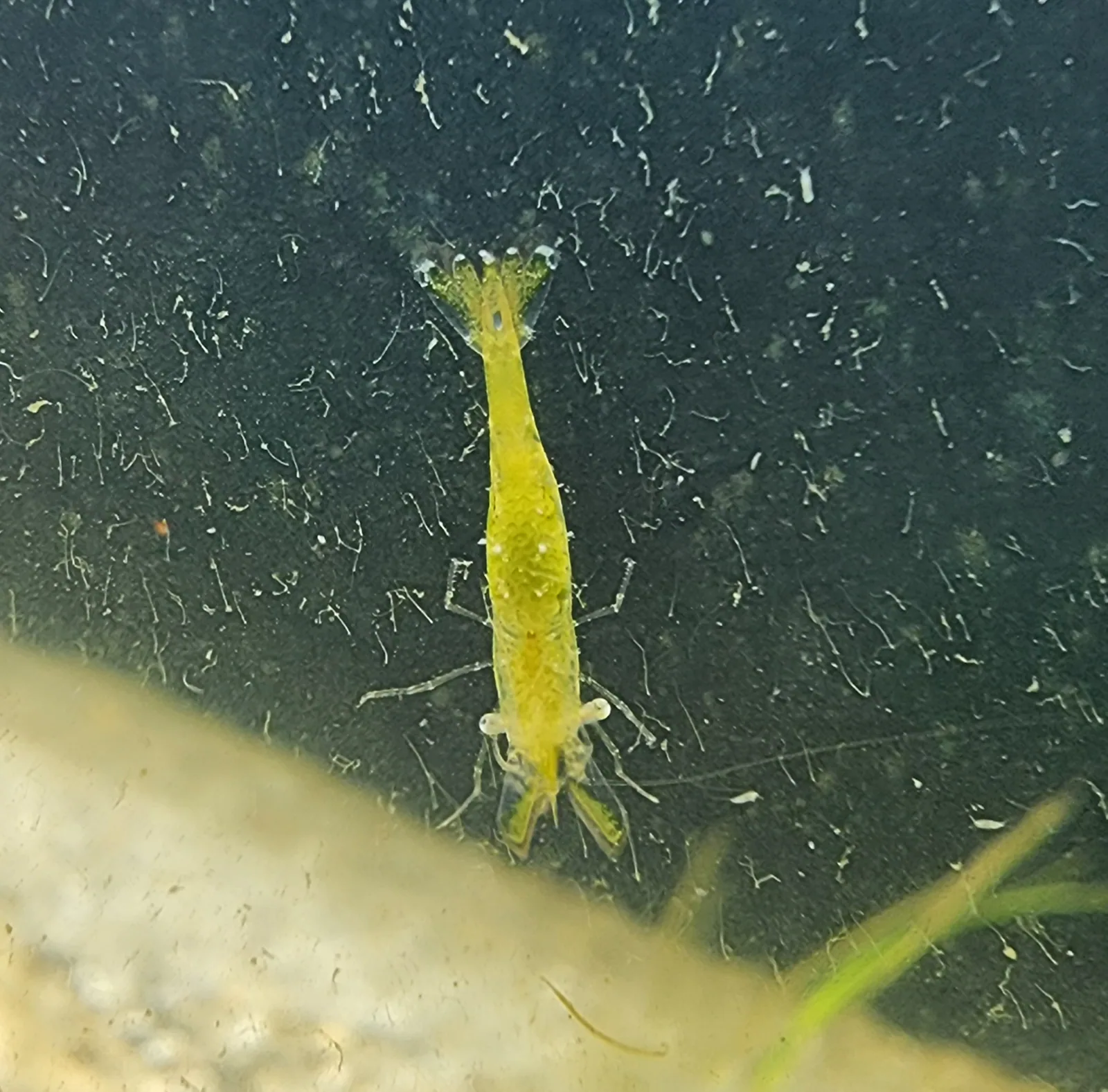
Caridea sp. (unidentified)

Unknown Small Green Shrimp

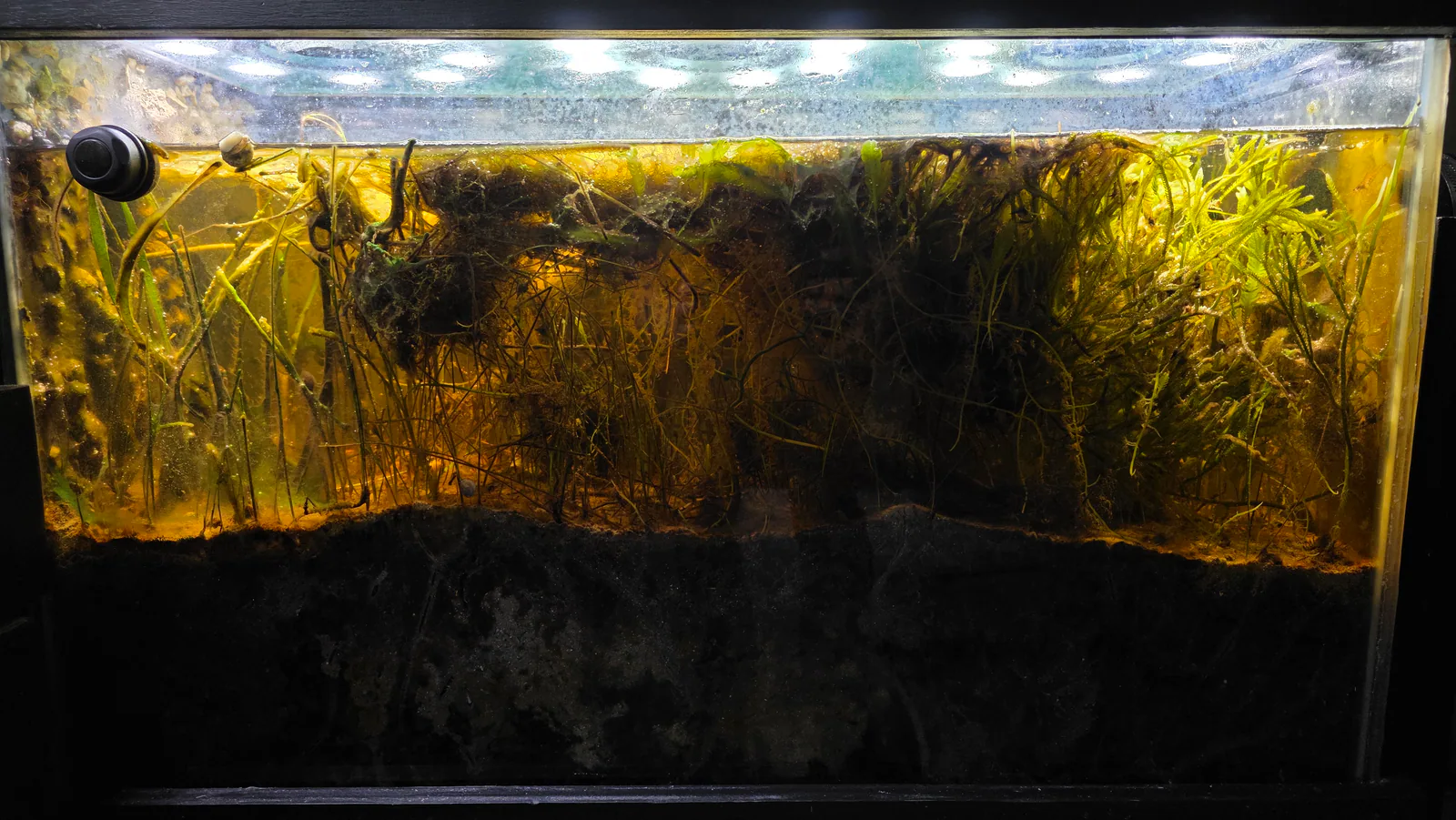
An unidentified small green shrimp in the Seagrass Meadow, grazing algae and biofilm among seagrass blades and hard surfaces; green coloration and small size suggest a camouflaged grass shrimp, with Hippolyte zostericola as the most plausible Florida coastal candidate.

Visual Data Unavailable

Overview

An unidentified small green shrimp in the Seagrass Meadow, grazing algae and biofilm among seagrass blades and hard surfaces; its green coloration suggests camouflage in the seagrass canopy, with Hippolyte zostericola or a related grass shrimp as the most plausible Florida coastal candidate. No species-level identification has been made from any archived observation.

Identity

  • Common name: Unknown Small Green Shrimp
  • Alternate names: green shrimp, algae shrimp, tiny green shrimp
  • Scientific name: Caridea sp. (unidentified)
  • Identification confidence: Infraorder-level (Caridea); family, genus, and species unidentified
  • Uncertainty label: Observed

Taxonomy

  • Kingdom: Animalia
  • Phylum: Arthropoda
  • Subphylum: Crustacea
  • Class: Malacostraca
  • Order: Decapoda
  • Infraorder: Caridea
  • Family: Unidentified (Hippolytidae most plausible; Palaemonidae possible)
  • Genus: Unidentified (Hippolyte or Tozeuma most plausible in Florida/Caribbean seagrass)
  • Species: Unidentified

Natural History

Caridea (true shrimp) is one of the most species-rich infraorders of decapod crustaceans, encompassing thousands of marine and freshwater shrimp species. In South Florida coastal marine systems, the seagrass meadow habitat supports a diverse community of small cryptic shrimps, most of which are masters of camouflage.

Hippolyte zostericola (Caribbean seagrass shrimp) is the most compelling candidate for this node. It is a small (1.5 to 3 cm), intensely green shrimp that lives on seagrass blades, macroalgae fronds, and surfaces where its color renders it nearly invisible. It is widespread in Florida and Caribbean coastal marine habitats and is commonly encountered by aquarists harvesting seagrass or macroalgae cuttings. Hippolyte zostericola grazes algae and biofilm from surfaces, and is capable of weak color-change to match substrate.

Tozeuma carolinense (arrow shrimp) is another possible candidate: it is extremely elongated and thin, cryptically colored in green or red to match seagrass blades, and is common in Florida seagrass beds. However, its unusual elongated body shape is generally notable enough to distinguish it from "small green shrimp" descriptions.

Palaemonetes grass shrimps (family Palaemonidae) are common in Florida marine and brackish habitats; they are generally transparent to translucent rather than distinctly green, and would not typically be described as "tiny green shrimp" unless viewed against a green substrate.

Without specific observation detail (body shape, size, leg number, distinguishing features), species and genus identification are not possible.

Ecological Role

In the Seagrass Meadow, Unknown Small Green Shrimp would function as a benthic omnivore and opportunistic grazer, grazing algae and biofilm from seagrass blade surfaces and hard substrate, scavenging detritus and fine organic particles. Caridean shrimps in seagrass beds serve as trophic intermediaries between the algal/detrital base and the predatory fish and crab community. Their small size makes them primary prey for fish (Naked Goby ID 108, Clingfish ID 146) that hunt small crustaceans in the Seagrass Meadow.

miniBIOTA Evidence

Introduction context: No introduction event is recorded. Small green shrimps may have arrived as hitchhikers on seagrass, macroalgae, or live rock, or been deliberately introduced. No introduction date, source, or method is on file.

Observation timeline:

  • No dedicated observation records have been found in the miniBIOTA observation records for Unknown Small Green Shrimp.

Confirmed:

  • Species node exists for Unknown Small Green Shrimp in the Seagrass Meadow; infraorder-level identification as Caridea

Inferred:

  • Algae and biofilm grazing on seagrass blade surfaces and hard substrate, inferred from the alternate name "algae shrimp" and Caridean biology
  • Green cryptic coloration consistent with seagrass or macroalgae camouflage

Unknown:

  • Family, genus, and species within Caridea
  • Whether the species is currently present in the Seagrass Meadow
  • Introduction date, source, and method
  • Body size, shape, and distinguishing features