Gobiesox strumosus

Clingfish

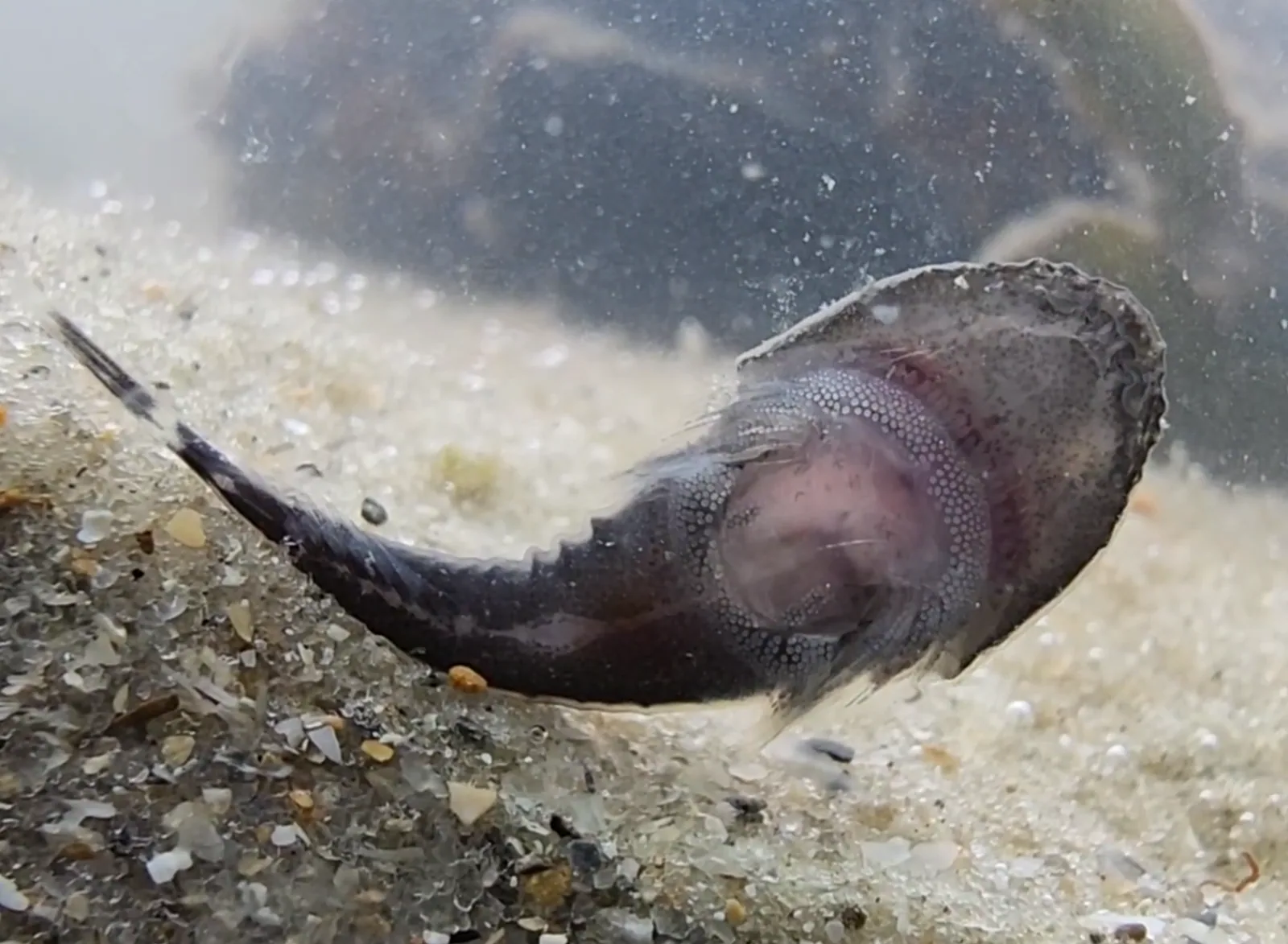
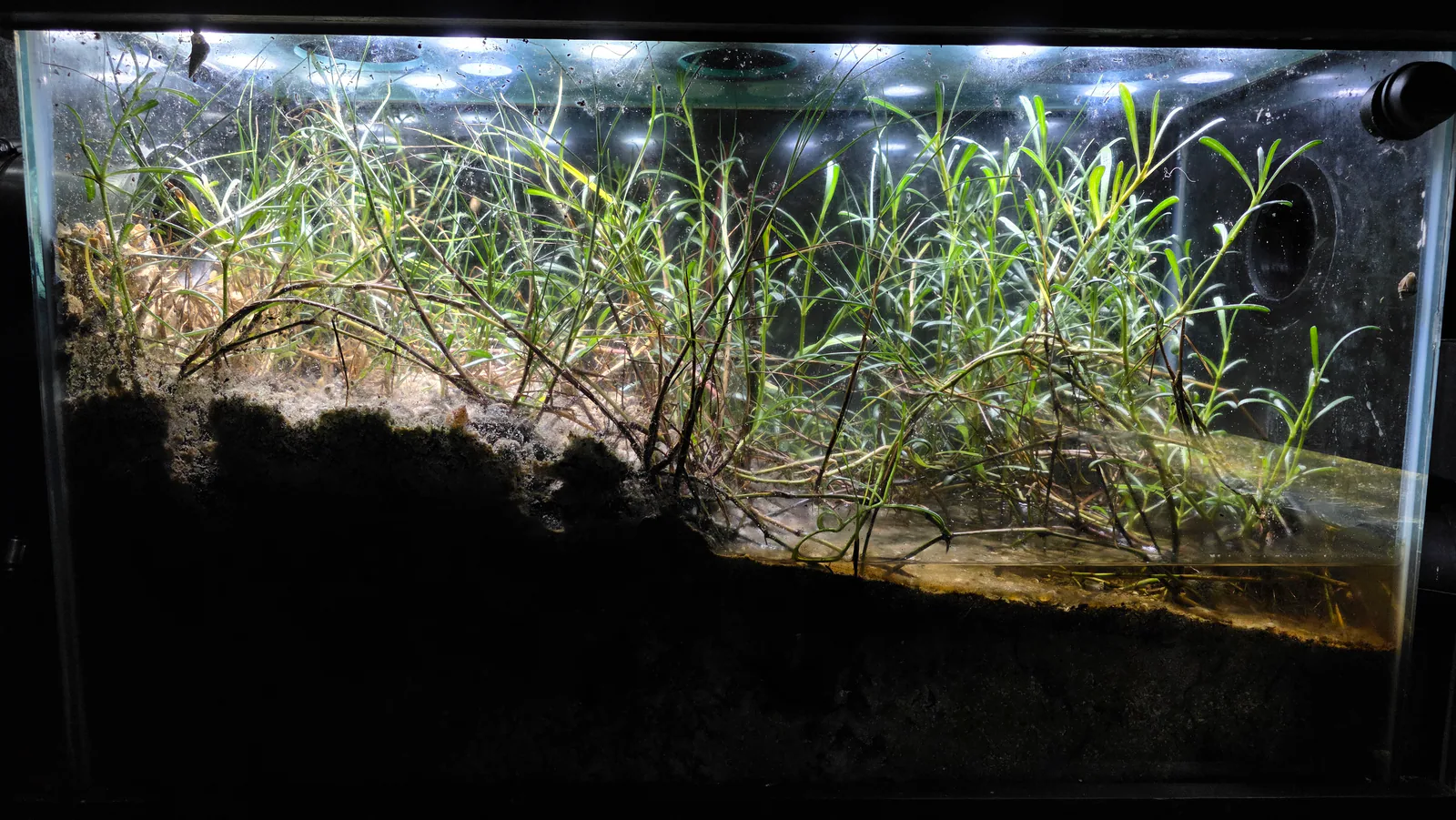
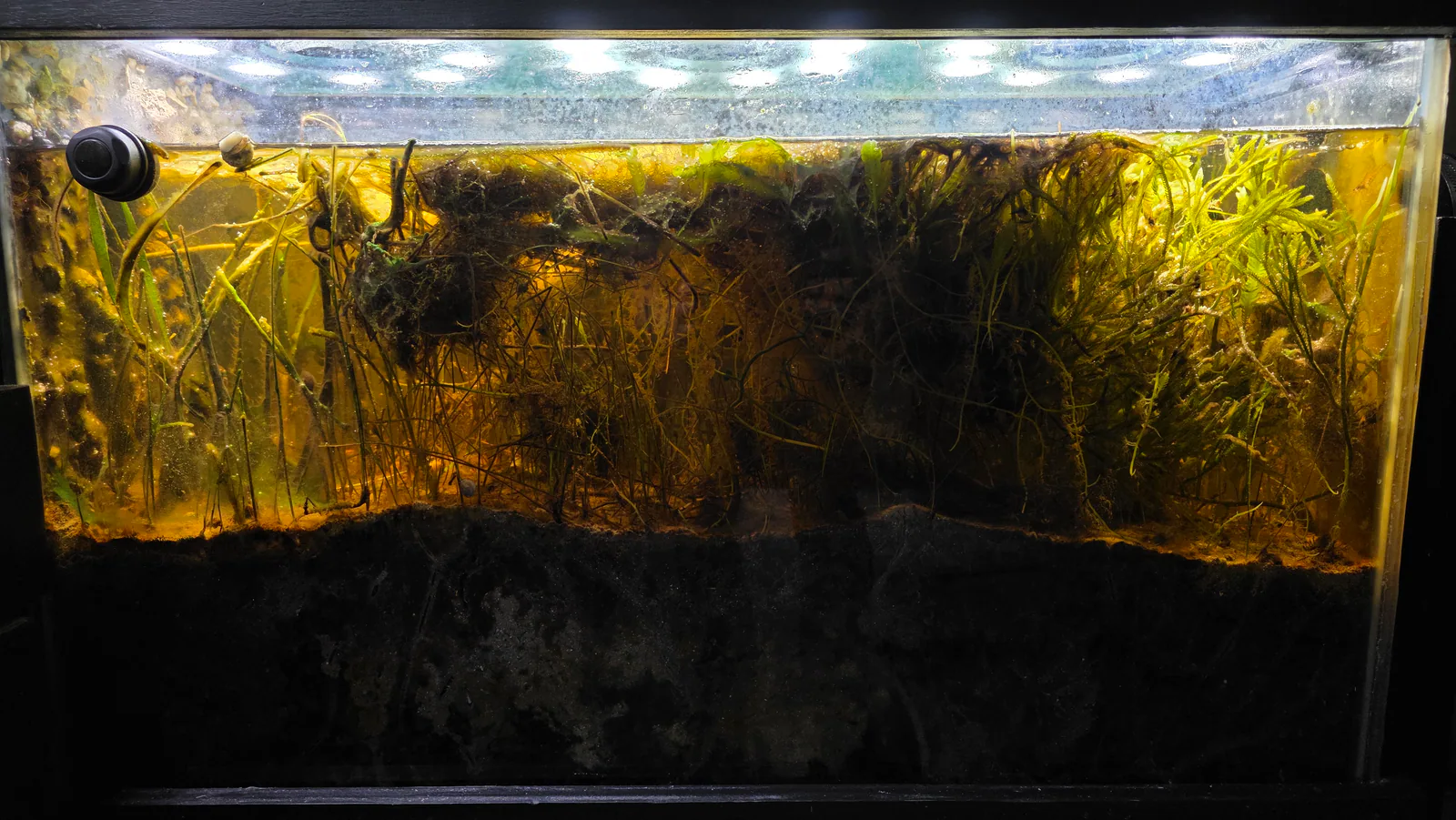
A small flattened fish with a suction disc on its underside that grips the oyster cluster and glass walls in the Seagrass Meadow; the Skilletfish is one of the most common oyster-reef fish in Florida estuaries, foraging on amphipods and small invertebrates from the shell surfaces.

Visual Data Unavailable

Overview

The Clingfish (Gobiesox strumosus, also known as Skilletfish) is a small, flattened fish with a modified suction disc on its underside that allows it to grip oyster shell, glass, and hard substrate with remarkable tenacity. Like the Naked Goby (id 108), it is intimately associated with oyster reef habitat and is a common member of the oyster-reef fish community throughout Florida estuaries. No introduction date, observation, or population data is on record in miniBIOTA.

Identity

  • Common name: Clingfish
  • Alternate names: skilletfish, skillet fish, skillet-fish
  • Scientific name: Gobiesox strumosus
  • Identification confidence: Species-level. Gobiesox strumosus is the most common clingfish of the US Atlantic and Gulf coasts and is inferred from the common name. The suction disc and flattened, skillet-shaped body are diagnostic.
  • Uncertainty label: Uncertain. Species ID is reasonable from the common name and range; all aspects of presence, origin, and current status are undocumented.

Taxonomy

  • Kingdom: Animalia
  • Phylum: Chordata
  • Class: Actinopterygii
  • Order: Gobiesociformes
  • Family: Gobiesocidae
  • Genus: Gobiesox
  • Species: G. strumosus

Natural History

Range and Florida Relevance

Gobiesox strumosus is native to the western Atlantic from New Jersey south through Florida and the Gulf of Mexico. It is an abundant component of oyster reef communities throughout Florida's estuaries and is one of the most common small fish found inside and on oyster clusters. Like the Naked Goby (Gobiosoma bosc, id 108), the Skilletfish is an oyster-reef obligate in practice, rarely found far from hard substrate with crevice and cavity structure.

Habitat

Clingfish adheres to hard surfaces using a suction disc formed from modified pelvic fins -- a structure strong enough to resist moderate water currents. It is found clinging to the inner and outer surfaces of oyster clusters, the underside of shell rubble, and on hard vertical substrate including glass walls. Its flattened body profile allows it to fit into the same interior crevices as the Naked Goby, and the two species frequently co-occur on the same oyster reef. In miniBIOTA, the Eastern Oyster cluster (id 40) is the expected habitat.

Diet

Gobiesox strumosus is a benthic predator of small invertebrates associated with hard substrate and oyster reef. Diet includes amphipods, small crustaceans, polychaete worms, small mollusks, and other invertebrates found within the oyster reef matrix. It forages actively on and among the shell surfaces, using its suction disc to hold position while pursuing prey. In miniBIOTA, potential prey overlaps broadly with that of the Naked Goby: amphipods, copepods, small polychaetes, and other reef-associated invertebrates.

Reproduction

Gobiesox strumosus is a nest guarder. Males select empty oyster shells or other hard cavities and guard egg masses after spawning. This reproductive strategy is essentially identical to that of the Naked Goby and means the Eastern Oyster cluster (id 40) represents potential nesting habitat. Larvae are planktonic. No reproductive observations have been made in miniBIOTA.

Tolerance Ranges

Highly euryhaline; tolerates a broad salinity range from near-freshwater to full marine conditions. Temperature tolerance is similarly broad. Specific measurements for miniBIOTA conditions have not been taken.

Ecological Role

Clingfish is a benthic micro-predator in the oyster reef matrix, occupying a trophic position and microhabitat nearly identical to the Naked Goby (id 108). Both species forage on amphipods, small crustaceans, and polychaetes within the oyster cluster; both nest in empty oyster shell cavities; both arrive as hitchhikers on oyster clusters. If both are or were present in miniBIOTA simultaneously, they would represent competing predators for the same prey and nesting substrate in the Eastern Oyster cluster.

The suction disc distinguishes Clingfish from Naked Goby in one practical way: Clingfish can cling to vertical glass surfaces and the exterior of the oyster cluster in positions where the Naked Goby would not hold. This makes Clingfish somewhat more visible in an aquarium setting.

miniBIOTA Evidence

Introduction Context

No introduction date, source, or method is on record. Skilletfish is a common hitchhiker on oyster clusters; arrival with the Eastern Oyster cluster (id 40) is the most probable pathway. No observation is on file.

Observation Timeline

No observation files found.

What Is Confirmed

  • Clingfish (Gobiesox strumosus) is present as a database node in miniBIOTA.

What Is Inferred

  • If ever present, most likely arrived as a hitchhiker on or with the Eastern Oyster cluster (id 40).
  • Expected microhabitat is the exterior and interior of the oyster cluster in the Seagrass Meadow.
  • Shares prey, habitat, and reproductive substrate with Naked Goby (id 108); the two species may or may not have been present simultaneously.

What Remains Unknown

  • Whether the species was ever present in miniBIOTA.
  • Introduction date, source, and method.
  • Current population status.
  • Whether it co-occurred with Naked Goby.
  • Whether reproduction has occurred.