Cyanobacteria sp. (unidentified)

Freshwater Cyanobacteria

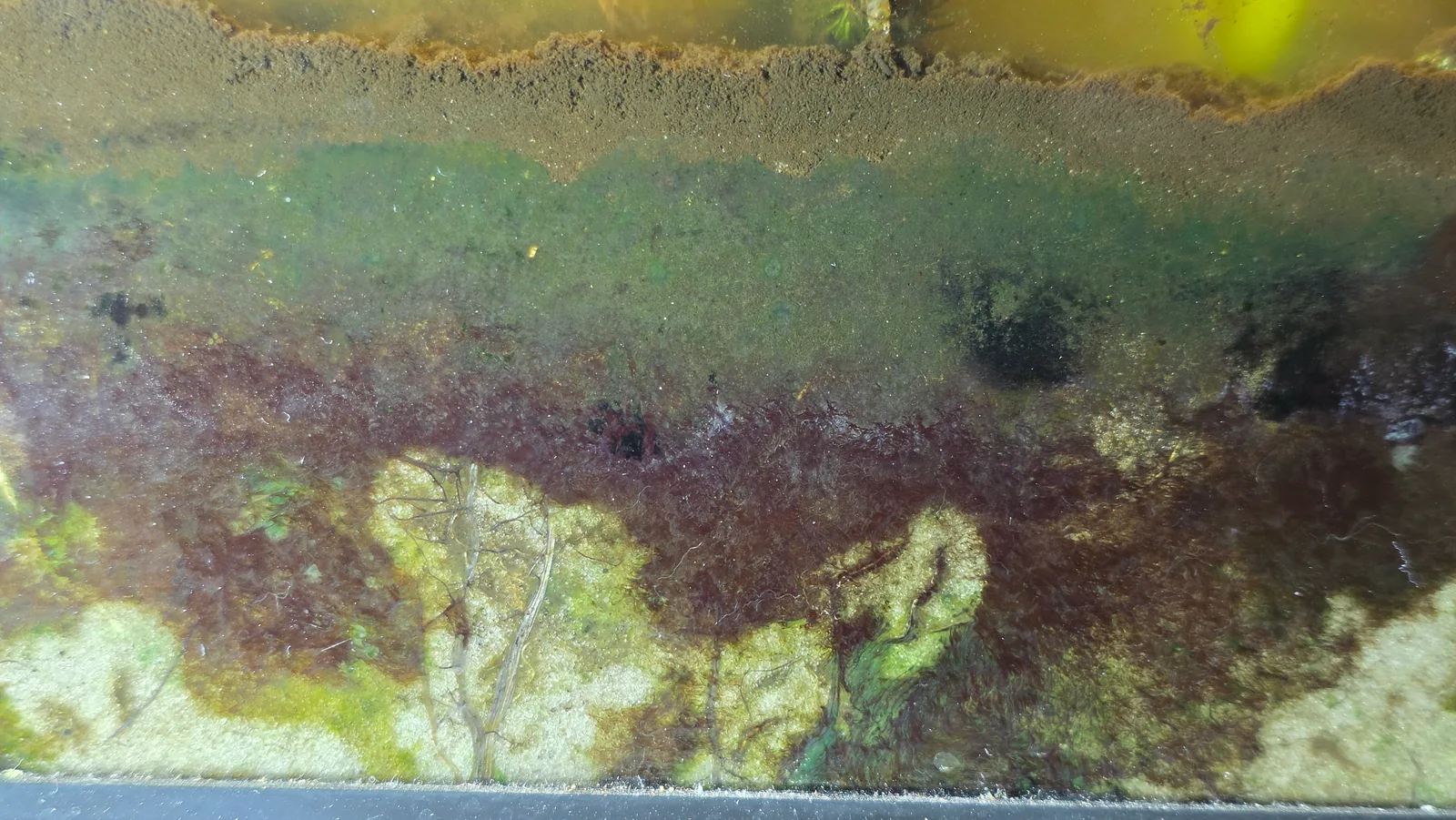
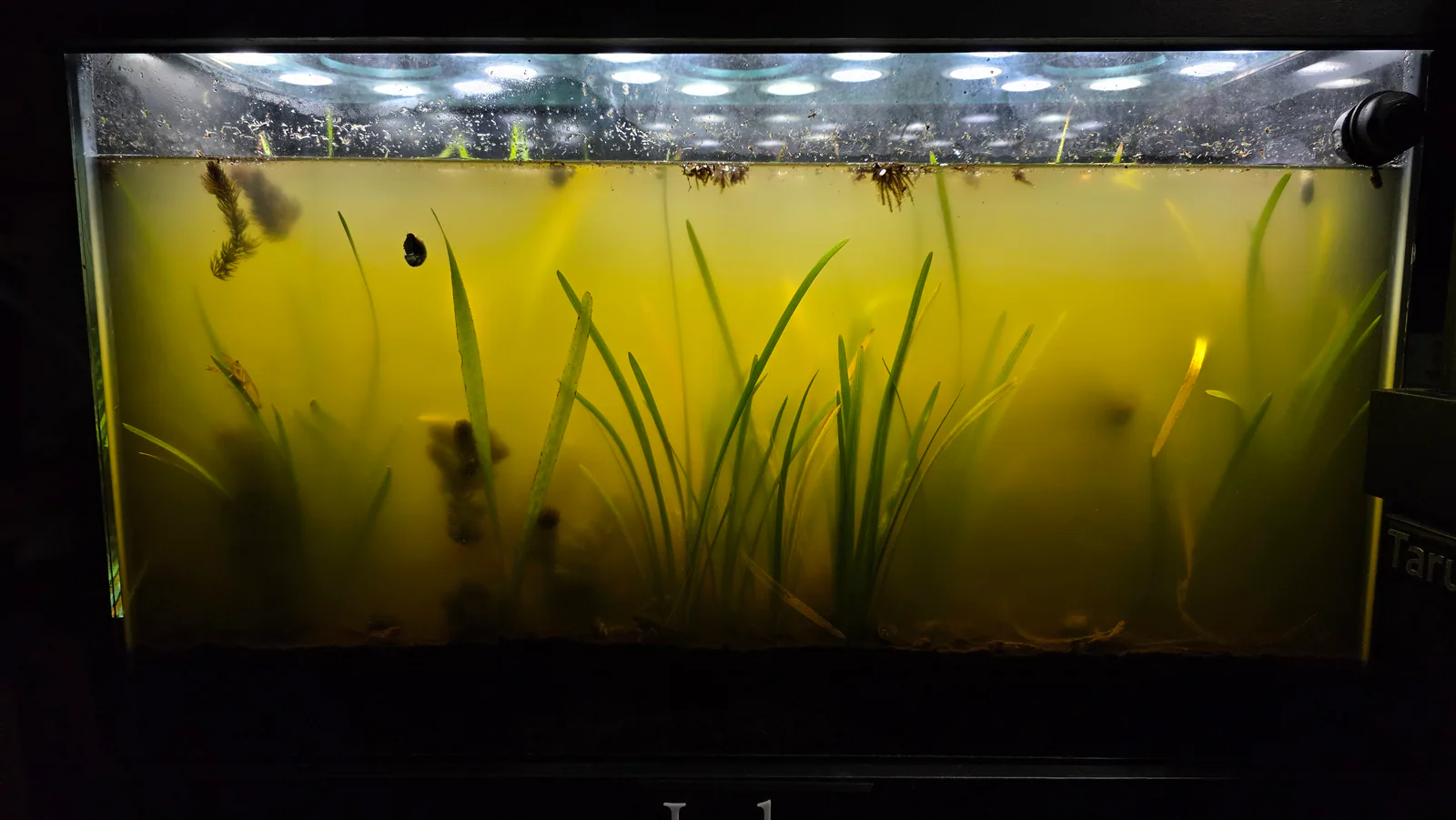
Photosynthetic bacteria, not true algae despite the common name "blue-green algae," capable of forming surface blooms in the Freshwater Lake and Lakeshore when warm conditions and elevated nutrients accumulate; some species fix atmospheric nitrogen and some produce toxins that deter grazing.

Visual Data Unavailable

Overview

Photosynthetic bacteria, not true algae despite the common name "blue-green algae," capable of forming surface blooms in the Freshwater Lake and Lakeshore when warm conditions and elevated nutrients accumulate; some species fix atmospheric nitrogen and some produce toxins that deter grazing by invertebrates. Distinct from the saltwater Cyanobacteria node, which covers the marine realm. No genus or species identification has been made from any archived observation.

Identity

  • Common name: Freshwater Cyanobacteria
  • Alternate names: blue-green algae, pond scum, BGA
  • Scientific name: Cyanobacteria sp. (unidentified)
  • Identification confidence: Phylum-level (Cyanobacteria); genus and species unidentified
  • Uncertainty label: Observed

Taxonomy

  • Kingdom: Bacteria (Prokaryota)
  • Phylum: Cyanobacteria
  • Class: Unidentified
  • Order: Unidentified
  • Family: Unidentified
  • Genus: Unidentified

Natural History

Cyanobacteria are among Earth's oldest photosynthesizers, with a fossil record extending more than 2.7 billion years. Unlike the eukaryotic algae (green algae, diatoms, red algae), cyanobacteria are prokaryotes; their cells lack a membrane-bound nucleus and organelles. They are classified within the domain Bacteria, not within the plant or algae lineages.

In warm, nutrient-rich, slow-moving freshwater systems, cyanobacteria can grow rapidly and form surface accumulations known as blooms. The surface bloom appearance (sometimes described as "pond scum" or "paint" on the water surface) is one of the characteristic signs of cyanobacterial proliferation. In contrast to unicellular green algae (which disperse through the water column), many cyanobacteria use gas vesicles to regulate buoyancy, allowing colonial or filamentous forms to rise to the surface and form visible mats.

Some cyanobacterial genera (Anabaena, Aphanizomenon, Nostoc, Fischerella) are capable of fixing atmospheric nitrogen (N2) into biologically available forms, making them net contributors to the nitrogen budget of freshwater systems. This nitrogen-fixing ability gives them a competitive advantage under nitrogen-limited conditions where other photosynthesizers cannot grow.

Many cyanobacteria produce secondary metabolites, including microcystins, cylindrospermopsins, and anatoxins, which are toxic to animals and deter grazing. Cyanobacterial blooms in Florida freshwater bodies are a well-documented environmental health concern; the Florida Department of Environmental Protection monitors bloom events in public waterways. In a closed aquarium system, a cyanobacterial bloom (often called a "BGA outbreak" in the hobbyist literature) typically indicates elevated dissolved nutrients, insufficient water flow, or excess light.

Ecological Role

In the Freshwater Lake and Lakeshore, Freshwater Cyanobacteria function as photosynthetic prokaryotic producers. Unlike the eukaryotic algae, cyanobacteria are generally unpalatable to the freshwater grazing community due to cell wall composition and potential toxin production. If a bloom develops, it may compete with green algae for light and nutrients rather than being consumed by grazers, potentially suppressing other photosynthetic layers.

The nitrogen-fixing capacity of some cyanobacterial genera would represent a new nutrient input pathway in the Freshwater Lake, as nitrogen fixation converts atmospheric N2 into dissolved nitrogen available to other organisms. This is ecologically significant in a closed system where dissolved nitrogen is not otherwise replenished.

miniBIOTA Evidence

Introduction context: No introduction event is recorded. Freshwater cyanobacteria naturally colonize freshwater systems from airborne propagules, water sources, and substrate. The species likely colonized the Freshwater Lake and Lakeshore without deliberate introduction.

Observation timeline:

  • No dedicated observation records have been found in the miniBIOTA observation records specifically for Freshwater Cyanobacteria.

Confirmed:

  • Species node exists for freshwater cyanobacteria in the Freshwater Lake and Lakeshore; phylum-level identification as Cyanobacteria

Inferred:

  • Photosynthetic prokaryotic production in the Freshwater Lake and Lakeshore wherever cyanobacteria are present
  • Potential for surface bloom formation under warm, nutrient-enriched, low-flow conditions

Unknown:

  • Genus and species within Cyanobacteria
  • Whether a surface bloom has been observed in the Freshwater Lake or Lakeshore
  • Whether nitrogen-fixing genera are present
  • Whether toxin-producing genera are present