Overview
All lighting in miniBIOTA is external to the glass habitat.
What This System Is
Ecological Context
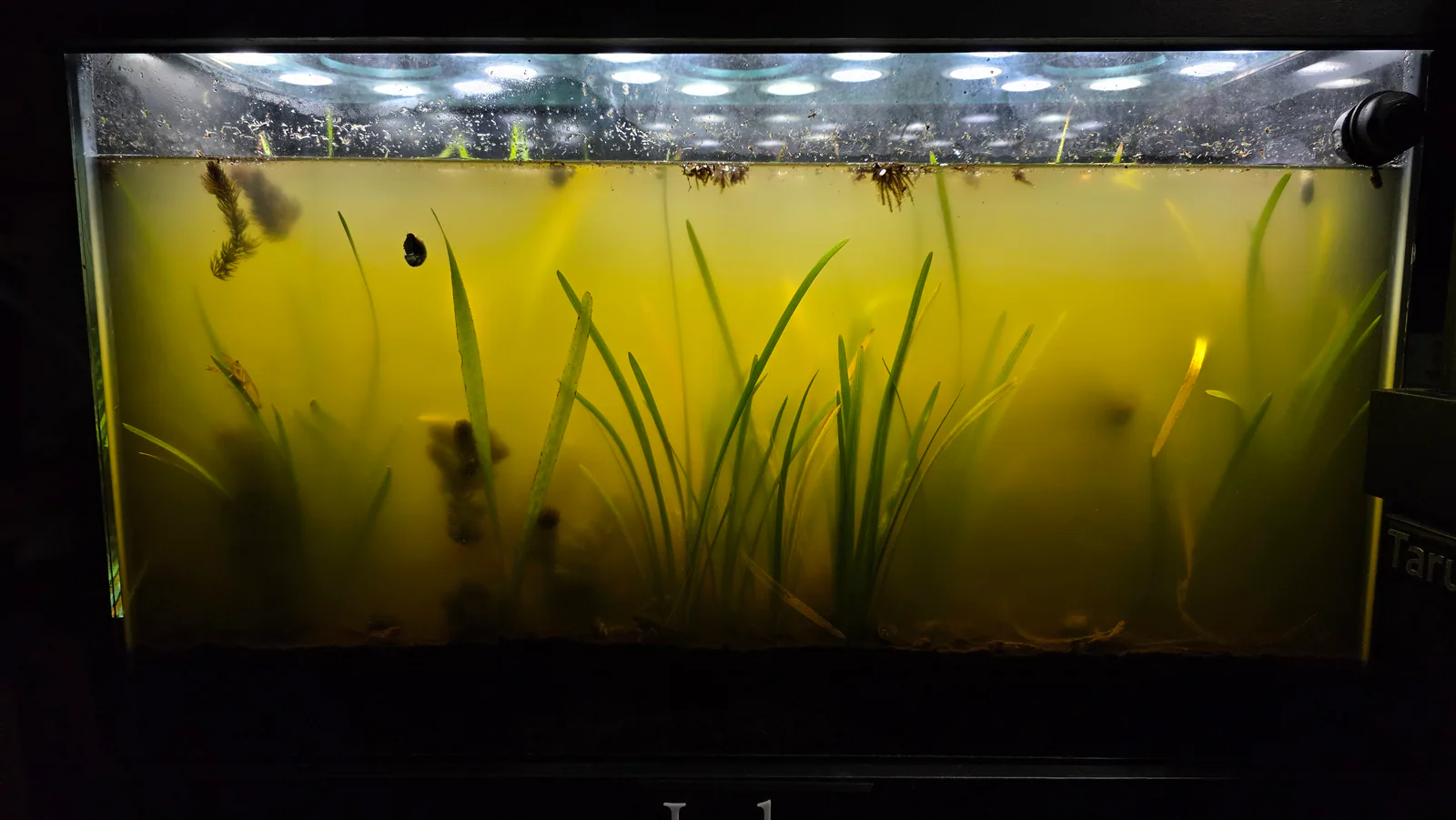
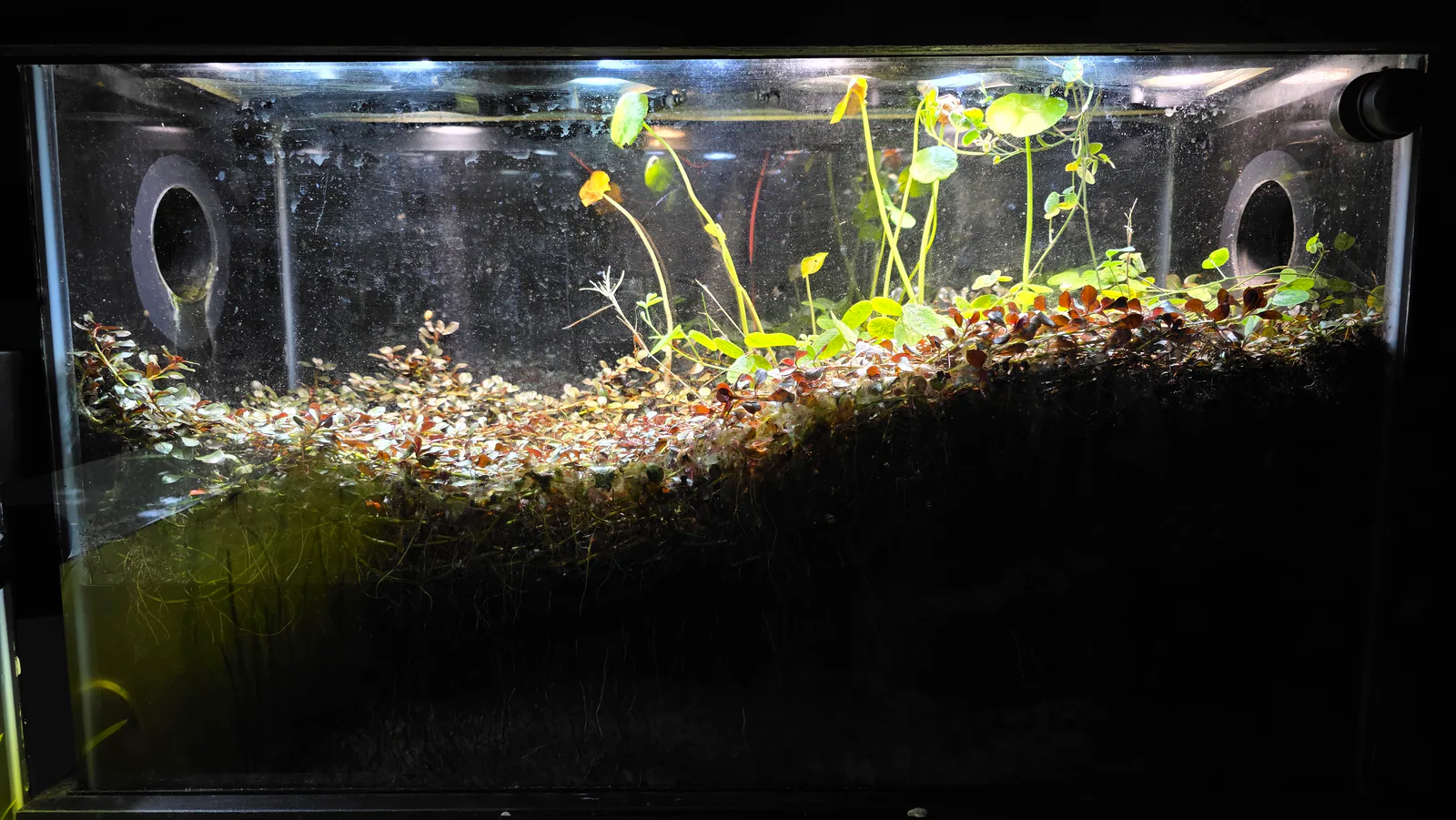
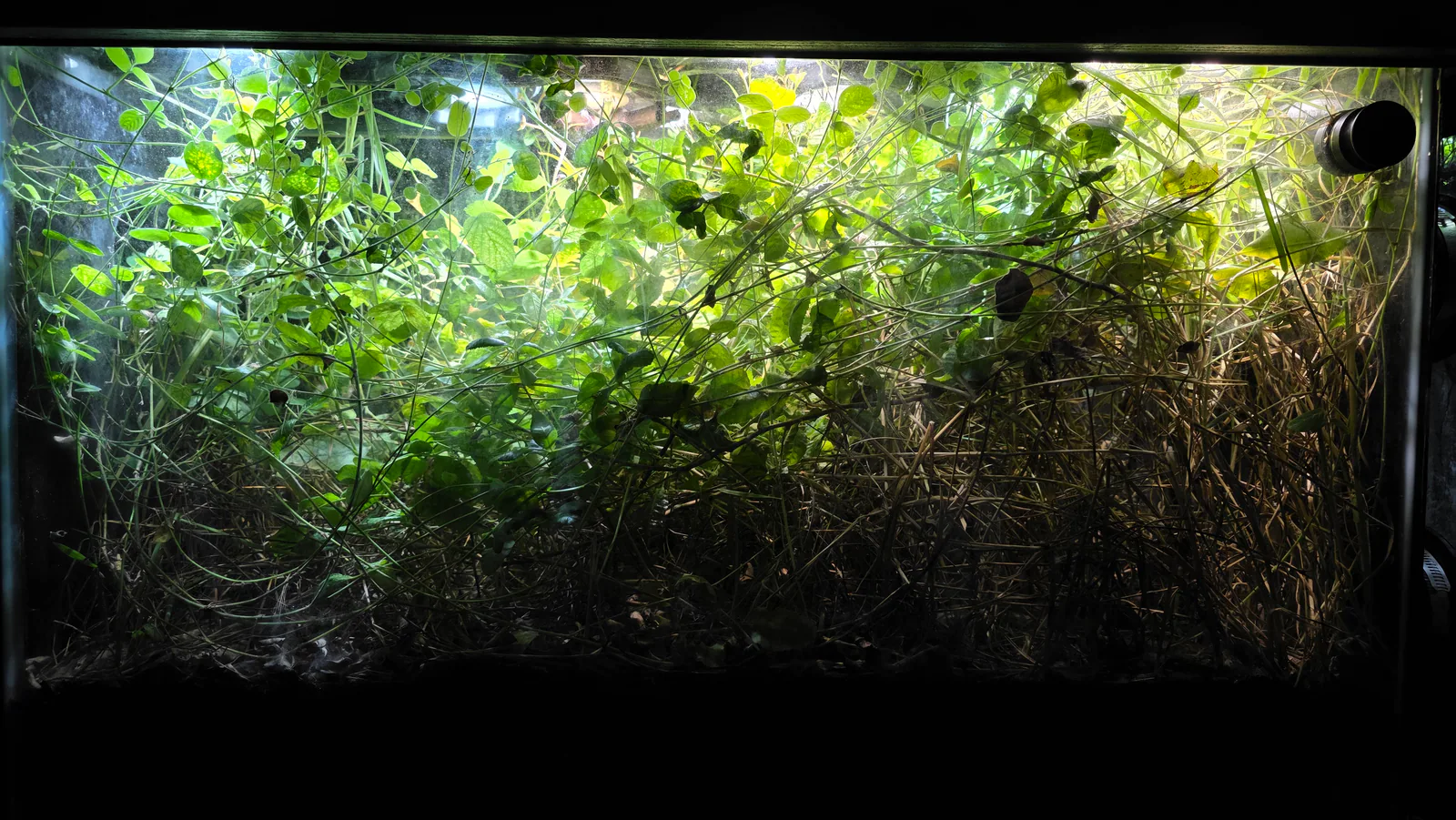
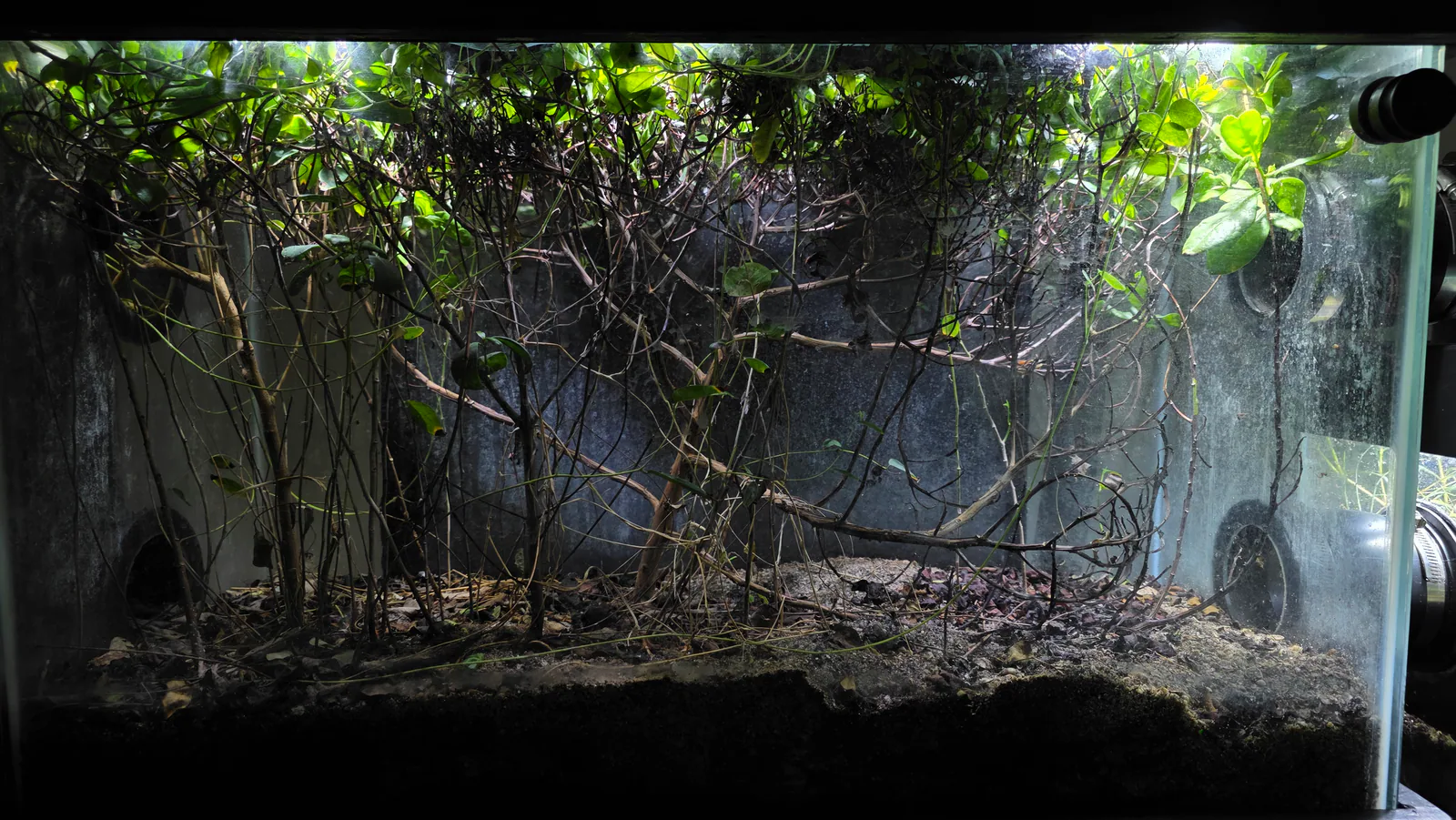
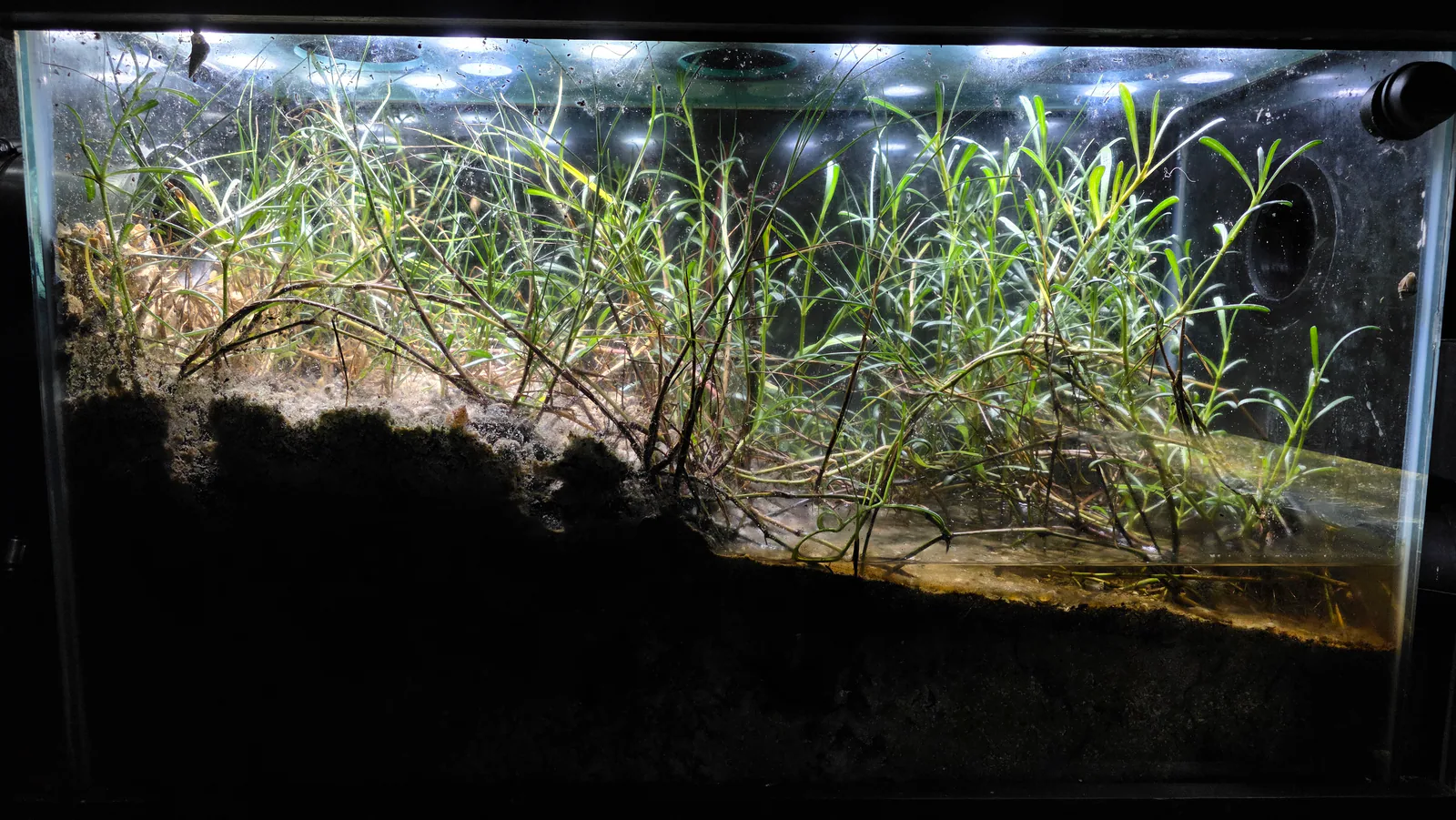
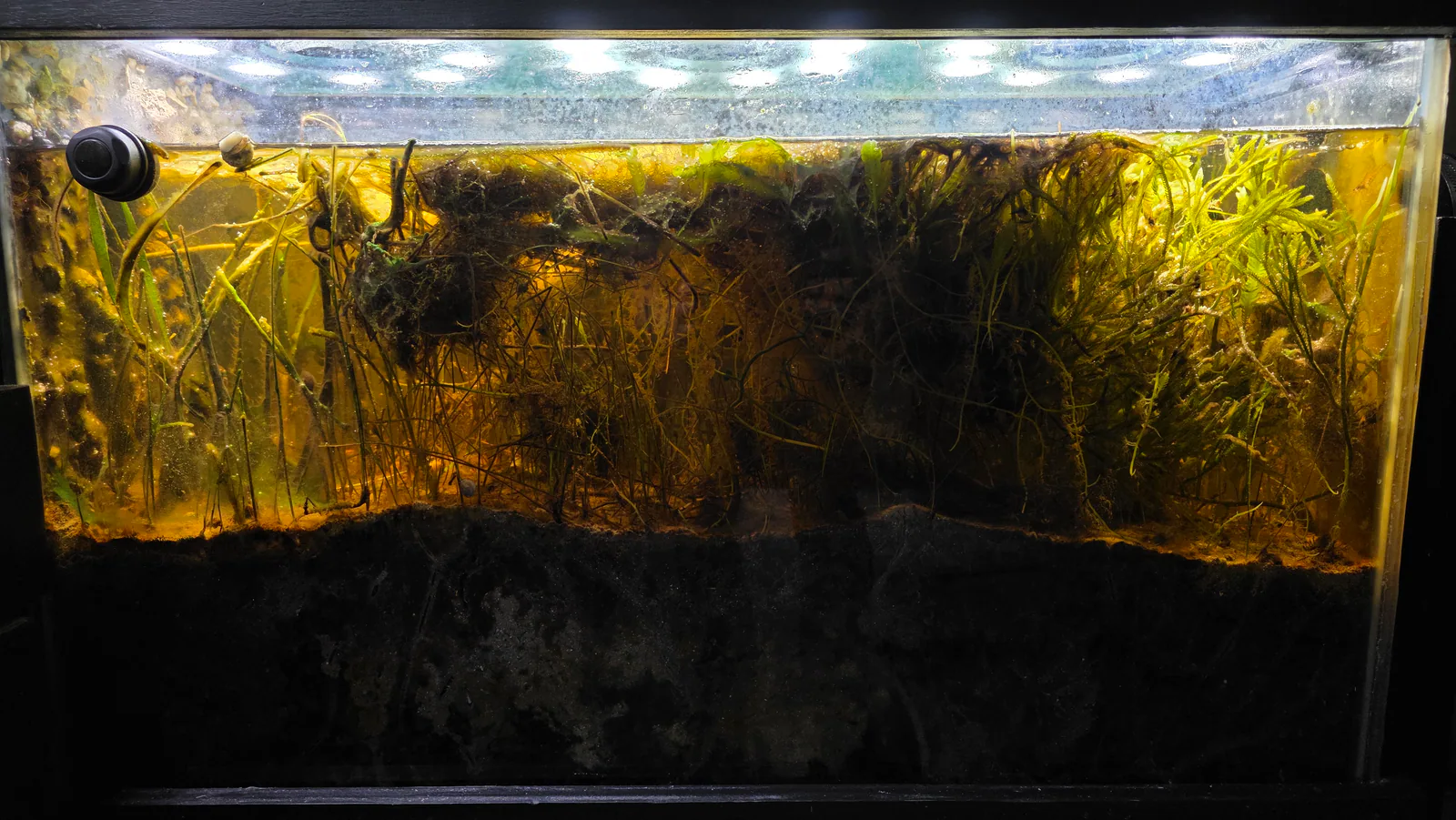
All lighting in miniBIOTA is external to the glass habitat. The design constraint that no electronics or active devices enter the glass habitat (established for the Wave and Tide System and the atmospheric heat exchangers) applies equally here: light sources, drivers, controllers, and hardware are outside the biosphere, and light enters through the glass. This protects organisms from electrical hazards, from heat produced by fixtures at close range, and from any mechanical disturbance associated with lighting hardware. The ecological implications of the Lighting System extend across every biome: In the Seagrass Meadow, PAR determines seagrass productivity and its competitive position against macroalgae and cyanobacteria-like surface growth. Shoal grass, turtle grass, and manatee grass all require sustained PAR delivery to the substrate. Graceful Redweed and Fern Alga can exploit light more opportunistically. PAR level is one of the variables that tips the producer competition outcome between seagrasses and macroalgae. In the Freshwater Lake, PAR drives duckweed surface growth and supports the tapegrass macrophyte layer, which provides structure for amphipods, Ghost Shrimp, snails, and small crustaceans at depth. Water clarity and PAR penetration are directly linked in this biome. In the Lowland Meadow, PAR sustains the grass community (Bermuda grass, St. Augustine, other introduced grasses), Mexican primrose, creeping beggarweed, and broadleaf forbs. Without adequate PAR, plant biomass declines, which removes the substrate and food source for grasshoppers, crickets, and the detritivore community below. In the Mangrove Forest, light penetrating the mangrove canopy regulates understory conditions. The dense canopy creates lower-light, sheltered conditions that favor moisture-adapted organisms over open-habitat species. In the Marine Shore and Lakeshore, edge-biome light conditions support biofilm, surface algae, and grazing organisms (Eastern Melampus, Amber Snail) that use the wet glass and substrate surfaces as foraging habitat. Because fixture, spectrum, and PAR remain undocumented, Research cannot make specific PAR claims for any biome. Stronger claims about producer growth rates, competitive outcomes between seagrass and macroalgae, or photosynthetic capacity across any biome are all constrained by this documentation gap. Photoperiod itself, however, is now confirmed: a fixed 12/12 schedule with instant transitions, not the variable seasonal photoperiod Florida's natural systems experience (roughly 10 hours in December to 14 in June). miniBIOTA's organisms currently receive a constant year-round day length, which decouples any photoperiod-driven seasonal cue from natural Florida timing.
What Is Confirmed
- Lighting is the primary energy input to the miniBIOTA ecosystem.
- The system currently delivers sufficient light to sustain visible growth and activity in producers and consumers across all six biomes.
- All lighting hardware is external to the glass habitat; light enters through the glass.
- Current photoperiod: fixed 12 hours light / 12 hours dark daily (7:00 AM-7:00 PM Eastern), instant on/off, no ramping or dimming, all six biomes on the same schedule, switched by two TESSAN WiFi smart power strips (confirmed June 29, 2026).
- Detailed fixture, spectrum, PAR, and intensity documentation are pending Hardware documentation.
- A full lighting rebuild is planned (new lens, LED module, heat sinks, controllers) but not yet started; funding is the named gate, and it is deliberately sequenced after other Hardware systems (confirmed July 13, 2026).
- Research cannot assert specific PAR levels, spectrum, or fixture details from current documentation.
Active Tensions
Seagrass producer competition: The three-way competition between seagrasses (shoal grass, turtle grass, manatee grass), macroalgae (Graceful Redweed, Fern Alga, Giant Feather Alga), and cyanobacteria-like surface growth is partly a competition for PAR. Macroalgae and surface growth forms can exploit light more opportunistically than seagrasses in some conditions, particularly at the substrate surface where seagrasses must root and establish. Without PAR measurements at the Seagrass Meadow substrate level, the role of lighting versus grazing pressure (Mud Crab, Variegated Sea Urchin, and formerly the Eelgrass Isopod and hard-surface snails) versus substrate disturbance in determining producer competition outcomes cannot be separated. Common Atlantic Marginella, previously listed here among the grazers, was a predator and sediment bioturbator rather than an algal grazer; corrected July 29, 2026.
Photoperiod controls a producer's vertical position: Documented July 29, 2026, the Graceful Redweed floating mat in the Seagrass Meadow runs a daily vertical cycle tied directly to the lighting schedule. Photosynthetic oxygen bubbles accumulate within and beneath the mat through the photoperiod and lift it to the surface, with lift beginning after the lights come on; overnight, with production stopped, hermit crab weight and wave action press it back toward mid-column or the substrate. The lighting photoperiod therefore determines where this producer sits in the light layer on a daily basis, and by extension what it shades beneath it. No lighting change has been made in response, and the effect was observed rather than engineered.
Documentation gap and public claims: Without documented photoperiod, PAR, or spectrum, Research cannot make specific photosynthesis or growth-rate claims in any public-facing context. This is the most consequential documentation gap across all six hardware systems. The absence of PAR data is not a minor gap; it affects the credibility of ecological claims in the Seagrass Meadow, Freshwater Lake, and Lowland Meadow simultaneously.
Enclosure glass as a light filter: The glass walls and top surfaces of the biome tanks filter some portion of the light entering from outside. The spectral transmission of aquarium glass is not flat; UV is attenuated and some visible wavelengths are absorbed. Without measurements, the relationship between the fixture output outside the glass and the PAR delivered inside the biome is unknown.
System Description
- System Description
- The Lighting System is the photoperiod and spectrum-control layer that drives photosynthesis across all six biomes of miniBIOTA. It is the primary energy input to the living system: all organic material produced in the Seagrass Meadow, the Freshwater Lake, and the terrestrial plant community originates from photosynthesis driven by the lighting hardware above and around the enclosure. Light through glass is also the only permitted energy input in the target closed biosphere state, making the Lighting System the thermodynamic foundation of the entire ecological project. The Hardware README recognizes the Lighting System as one of the six primary miniBIOTA systems and defines its boundary. Current photoperiod is now documented (confirmed June 29, 2026): all six biomes run a fixed 12-hour-on/12-hour-off schedule (7:00 AM to 7:00 PM Eastern, instant on/off, no ramping, dimming, or independent spectrum control), switched by two TESSAN WiFi smart power strips. Installed fixture models, spectrum, intensity, and PAR measurements by biome remain undocumented. A full lighting rebuild is planned but not yet started; component sourcing has not begun, and Josue has named funding as the explicit gate, deliberately sequencing this system after others land despite it having one of the higher open-task counts in the Hardware Planner.
Related Biomes
Habitats directly connected to this hardware system.