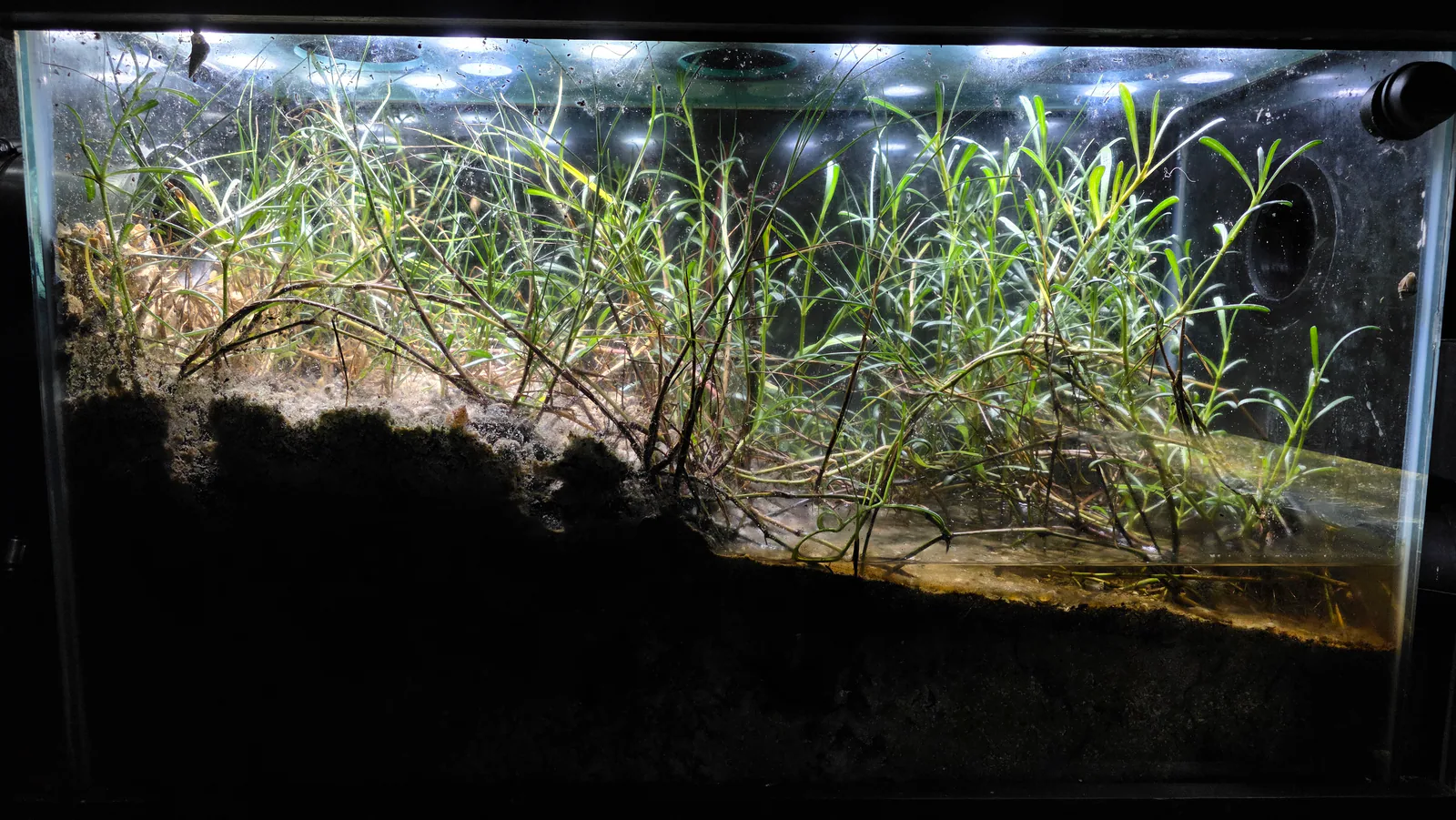
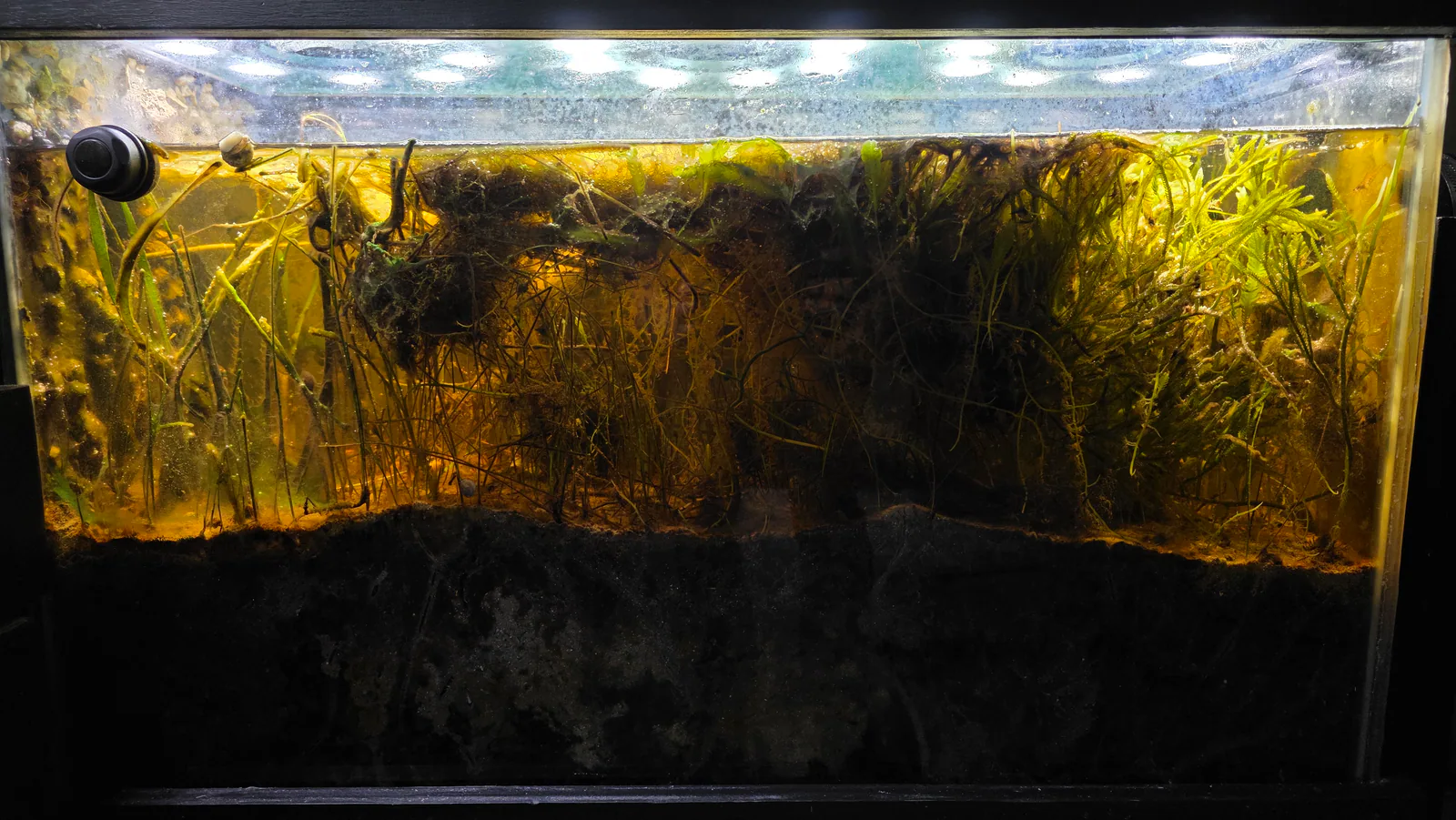
Enclosure System
The port and coupler architecture creates a modular but semi-permanent system.

The port and coupler architecture creates a modular but semi-permanent system.
The port and coupler architecture creates a modular but semi-permanent system.
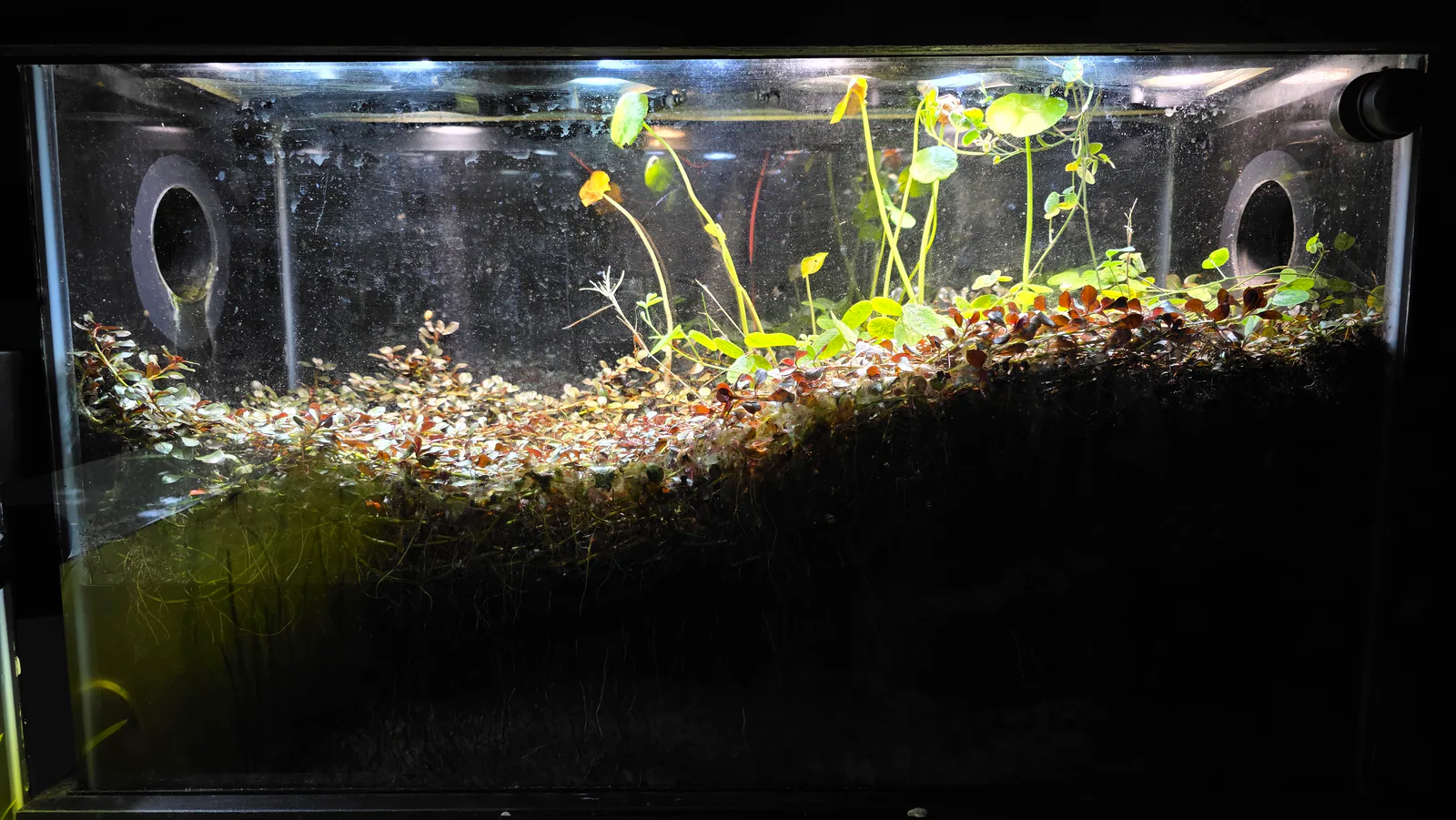
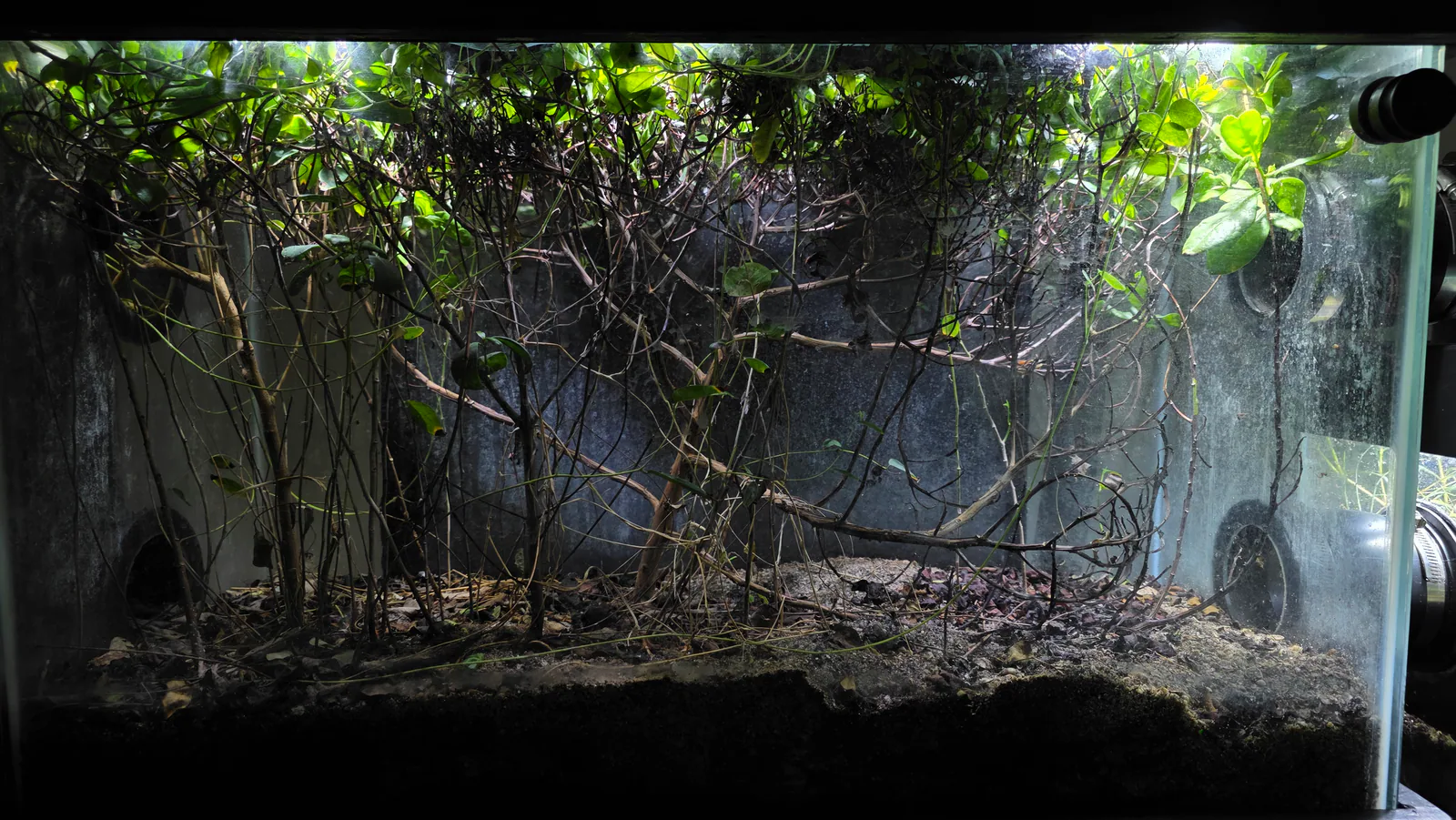
The port and coupler architecture creates a modular but semi-permanent system. Each biome has two left ports, two right ports, one bottom port, and three top ports, all 3-inch diameter permanently drilled bulkheads. Connections between tanks use Fernco rubber PVC couplers with rigid PVC sections for routing that accommodates the elevation differences and directional requirements of each biome pair. Rearrangement is possible but requires draining, disassembly, and resealing. The boundary definition matters for Research claims. Inside the biosphere boundary: all six biome tanks, all four atmosphere tanks, internal air and water volumes, soil and substrate, organisms, condensation surfaces, cloud reservoirs, and sealed ports and couplers. Outside the biosphere boundary: external lighting fixtures, electrical control systems, chiller hardware, external coolant loop hardware, and room air. The target state defines mechanical final closure as no gas, liquid, or solid matter crossing that boundary; biological final closure as all trophic energy derived from internal cycling and photosynthesis; and chemical final closure as all elemental cycles contained within the system.
Closure vs. experimental refinement: The current sealing boundary explicitly permits organism addition and removal for experimental refinement, while the target state eliminates organism introduction entirely. The current research period is still a phase of community building: species are being added, tested, and sometimes removed as the ecological system is assembled. The path from "closed working concept with active organism management" to "fully closed with no intervention" is the most consequential unresolved transition in the Enclosure's trajectory and defines when the system's ecology can be attributed to internal cycling rather than managed assembly.
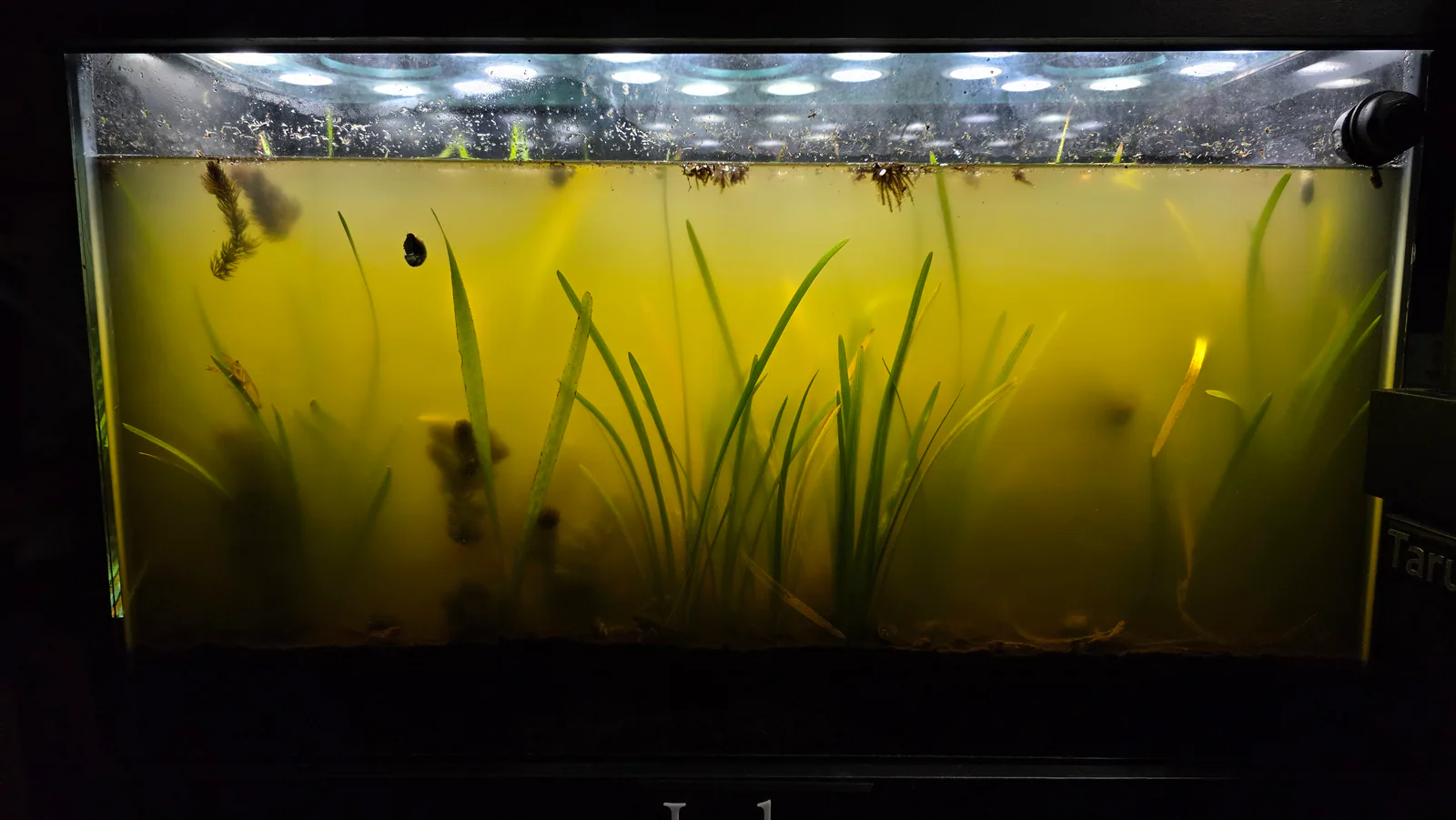
Atmosphere tank coverage gap: Freshwater Lake and Seagrass Meadow do not have their own atmosphere tanks. They route humid air into adjacent tanks. Whether this indirect coupling is adequate for full water-cycle participation, or whether those biomes are underrepresented in condensation and rain delivery, is not confirmed.
Sealing sequencing now confirmed, timeline still not: Permanent sealing has moved from an undated aspiration to a specific three-stage dependency chain (interior rebuilds, then Rain System rebuild, then physical sealing), which clarifies *what* has to happen first without saying *when*. Each stage depends on separate Hardware Planner projects landing, so the practical effect on when the Enclosure reaches its target closed state remains open.
Habitats directly connected to this hardware system.