Control System
Environmental monitoring is foundational to scientific management of any enclosed ecosystem.

Environmental monitoring is foundational to scientific management of any enclosed ecosystem.
Environmental monitoring is foundational to scientific management of any enclosed ecosystem.
Environmental monitoring is foundational to scientific management of any enclosed ecosystem. Without confirmed temperature, humidity, dissolved oxygen, pH, salinity, and light data, ecological claims about organism response to conditions are hypotheses rather than verified facts. The Control System is the pathway by which hardware state can become ecological evidence: a temperature reading, verified against a known working sensor, taken at a known time, is the kind of datum that converts an ecological inference into a confirmed claim. The distributed architecture of the Control System is designed for resilience at the biome level. Each ESP32 node owns its local loop: it reads its sensors, publishes telemetry to the MQTT broker, subscribes to setpoint updates where implemented, and regulates the local climate pump from the last known setpoint. If the broker, the Wyse server, or the Opal network is temporarily unavailable, each biome node continues its local regulation without interruption. The climate function does not depend on the network being up. The MQTT model separates concerns cleanly: the ESP32 owns local sensor reading, local display, and local pump control; higher-level software on the network owns setpoint publishing and telemetry logging. This means telemetry can be monitored from MQTT without interfering with hardware control, and hardware behavior does not require the software layer to be running.
Sensor reliability before ecological claims: The documented SHT31-D health issues in Biomes 2-5 mean the telemetry layer is partially unreliable until the sensor replacement and rewire pass is complete. Research should not cite temperature or humidity readings as confirmed ecological evidence without knowing which sensors are currently functioning. This is the most immediate data quality problem in the Control System.
Telemetry read path undefined: No approved Research read-only telemetry source has been established. Research cannot currently perform a live MQTT readback within a session and cite the result as verified evidence. Establishing this pathway (which App, tool, or interface Research uses to read broker-published data) is an unresolved protocol question that affects the credibility of any temperature, humidity, or coolant claim.
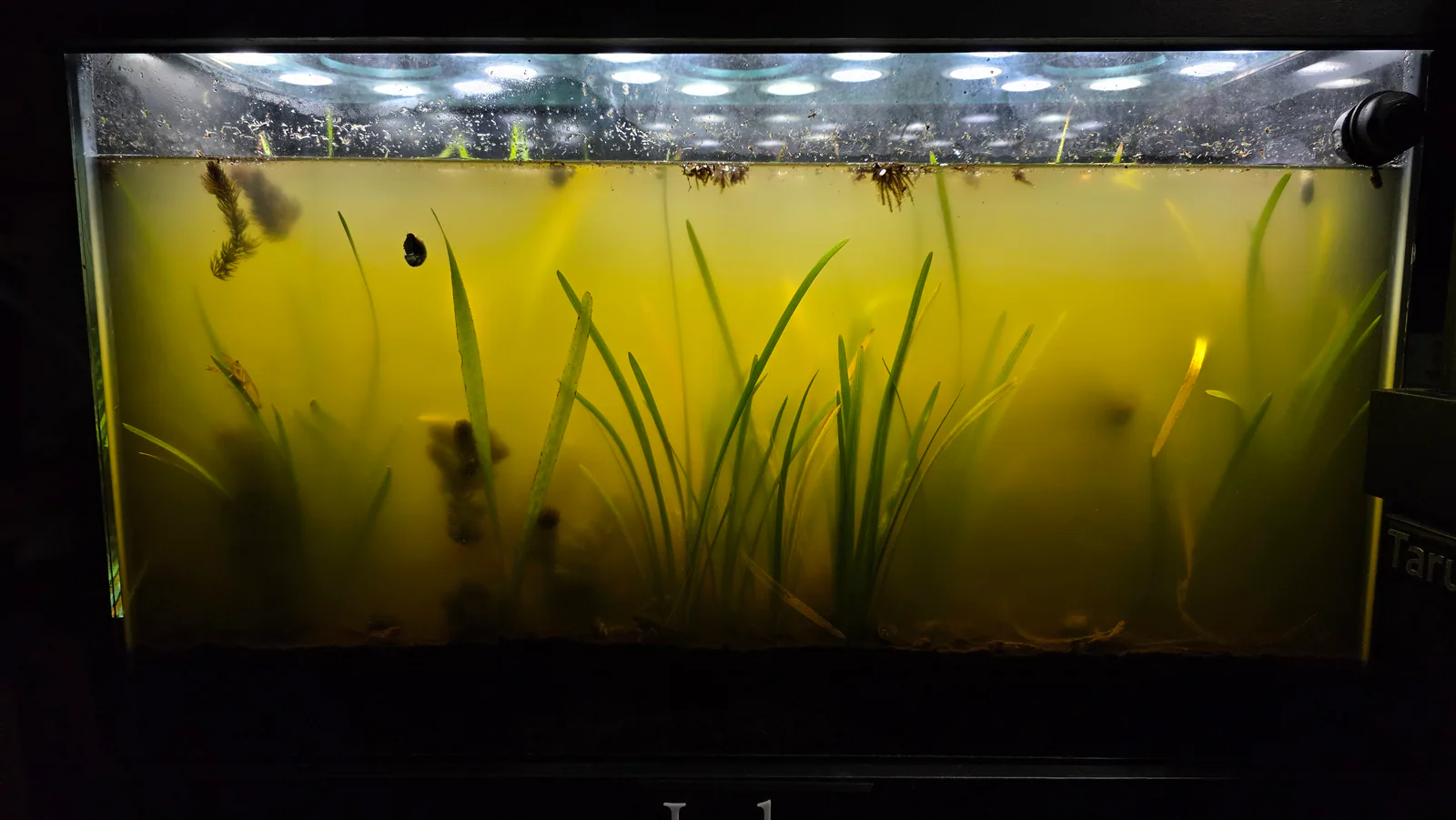
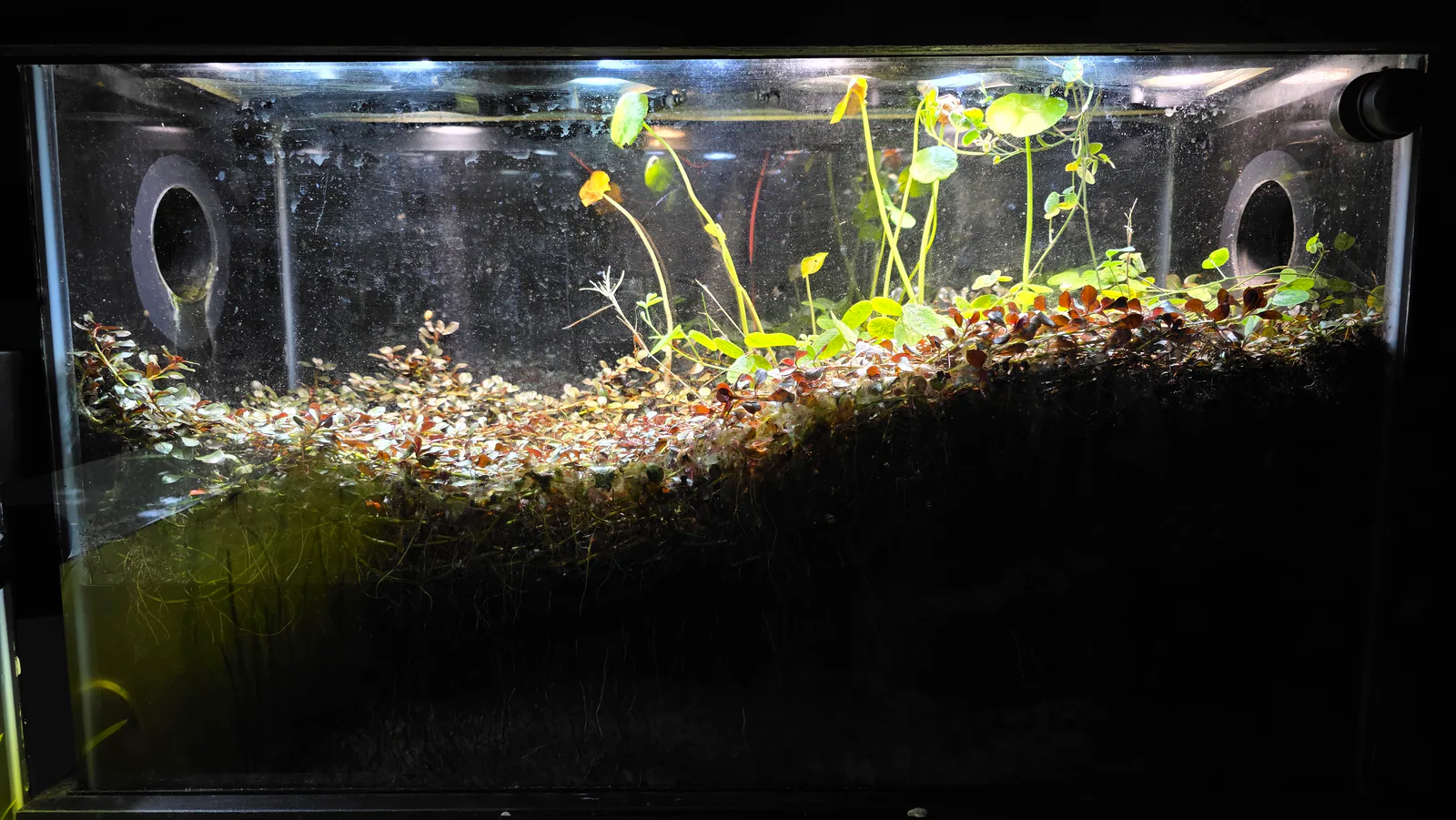
Biome 1 and 6 sensor gaps: Freshwater Lake (the primary active ecological arc with the post-Flagfish food-web reset) has no sensors installed. All environmental claims about the Freshwater Lake's temperature, humidity, and water conditions are inferred or pending. Seagrass Meadow (the site of the producer succession arc and the detritus pulse risk) similarly lacks sensor telemetry for the water column. The two most ecologically active biomes as of June 2026 are the two with the least telemetry coverage.
SHT4x vs. SHT31-D naming: Public and older strategy documentation uses SHT4x as the production sensor standard. Current deployed hardware is SHT31-D. Any public or Research claim about sensor models must use the correct deployed hardware name until SHT4x units are actually installed and confirmed.
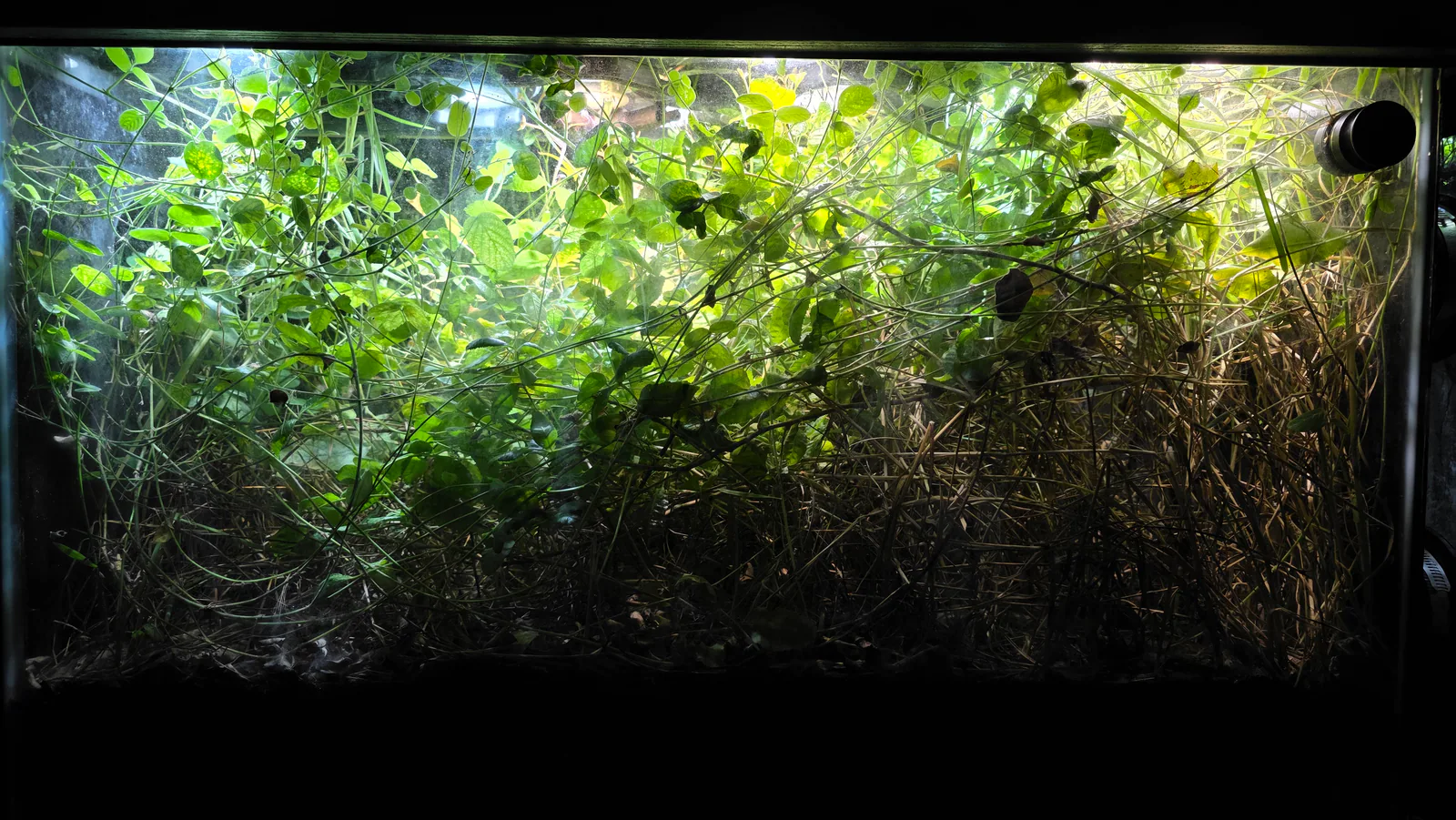
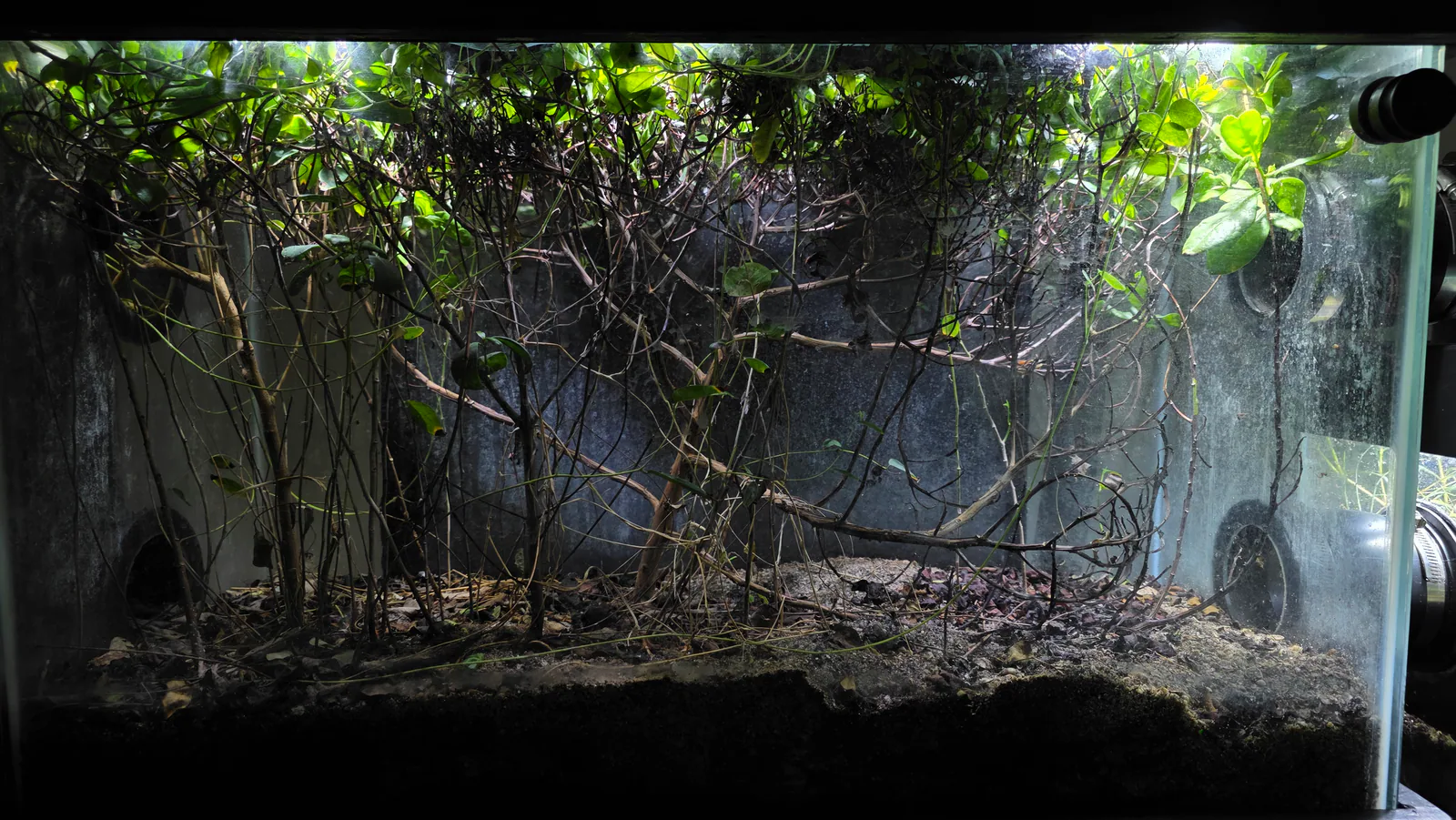
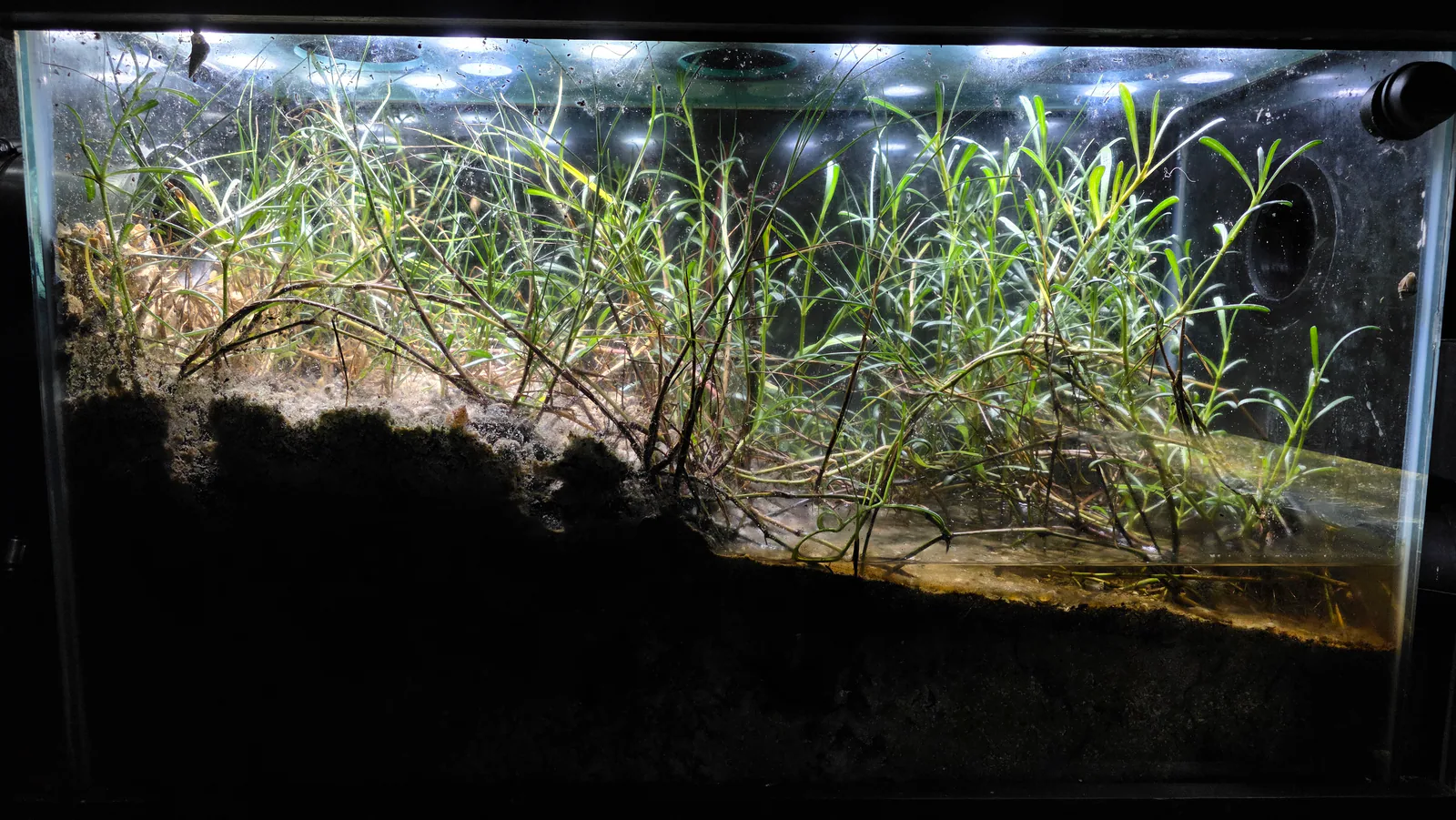
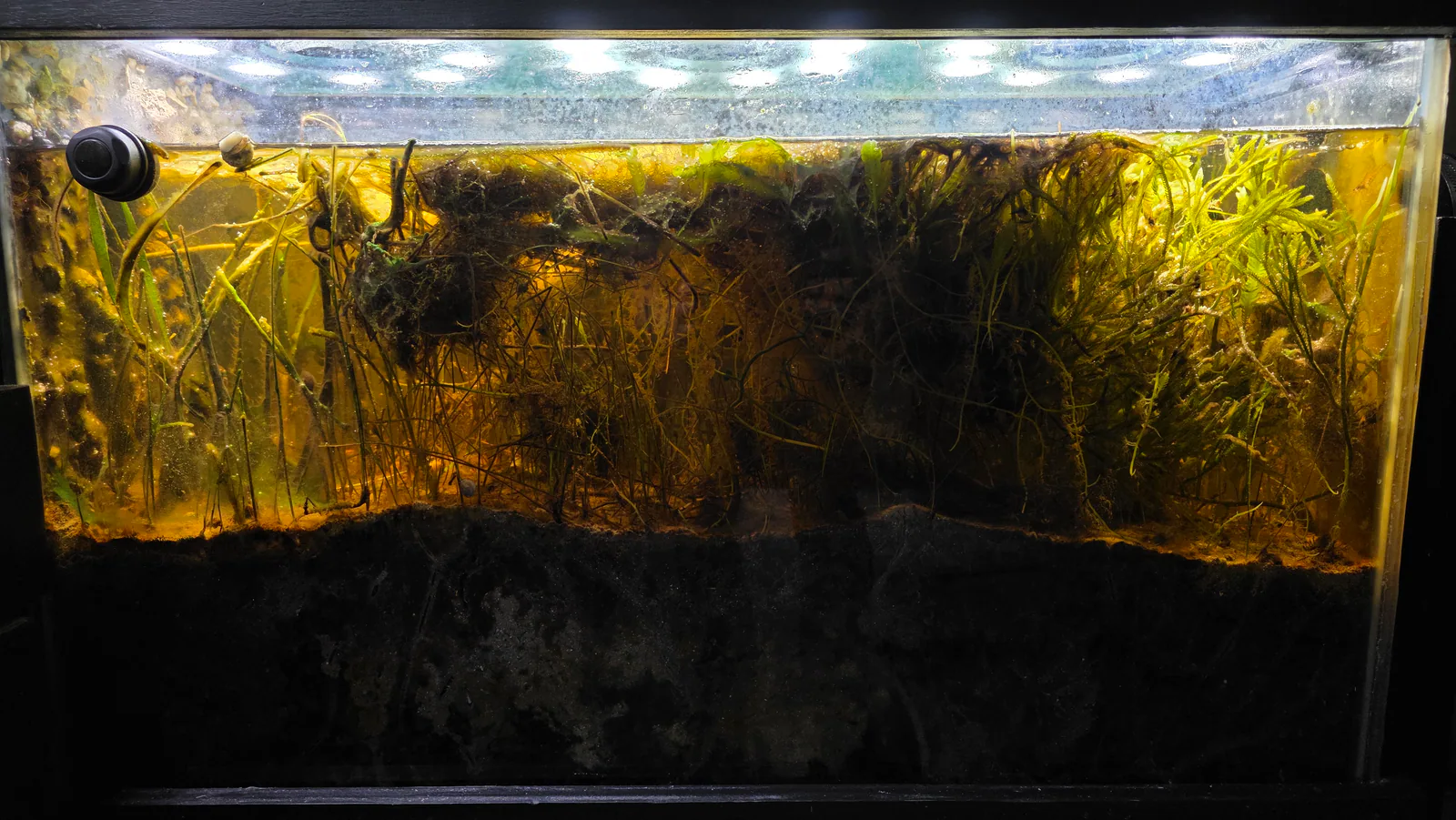
Habitats directly connected to this hardware system.
The climate system chiller's water pump transformer burnt out on March 2, 2026 after running non-stop. Rather than rush a pump fix, Josue opened the system...