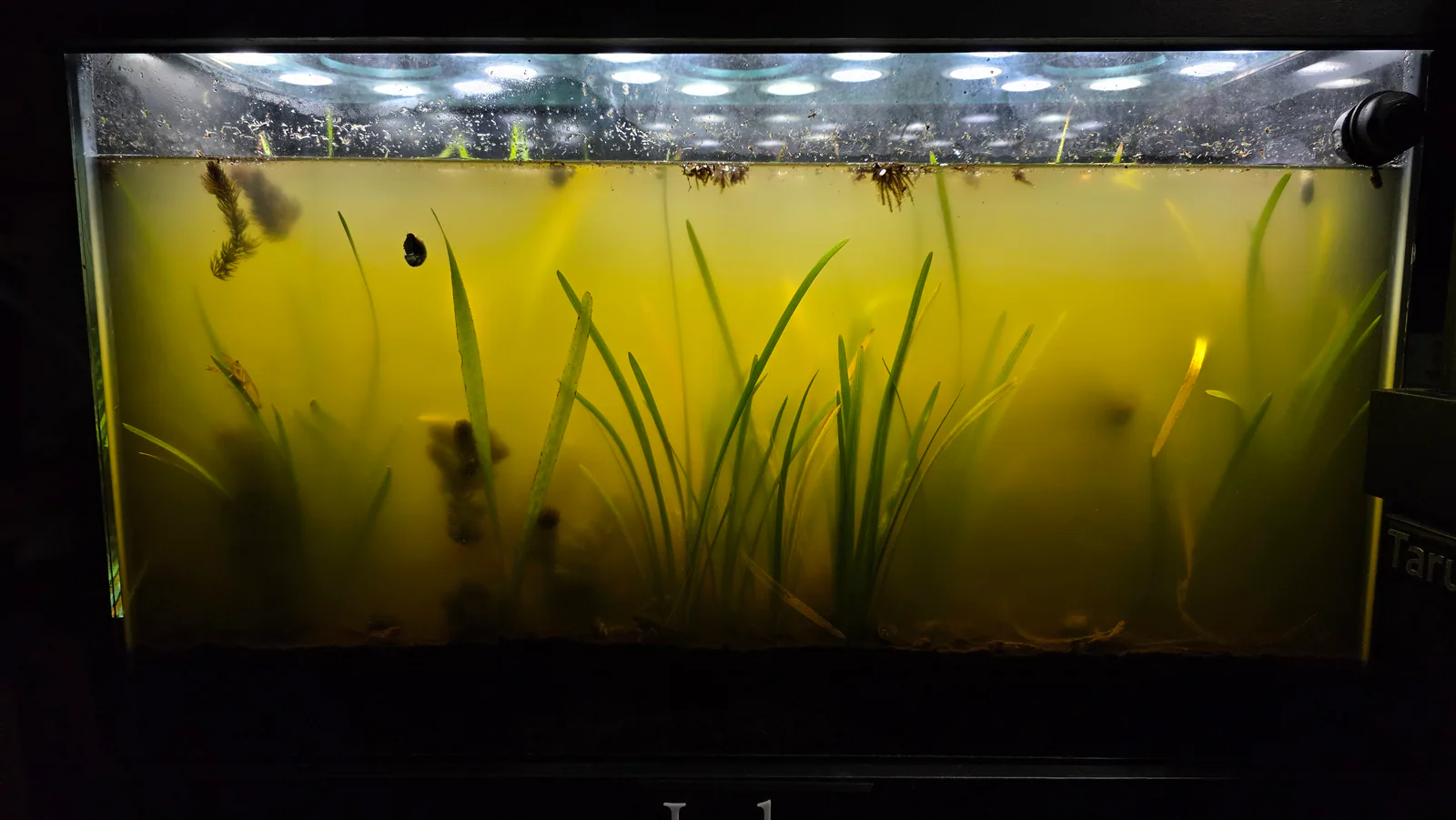
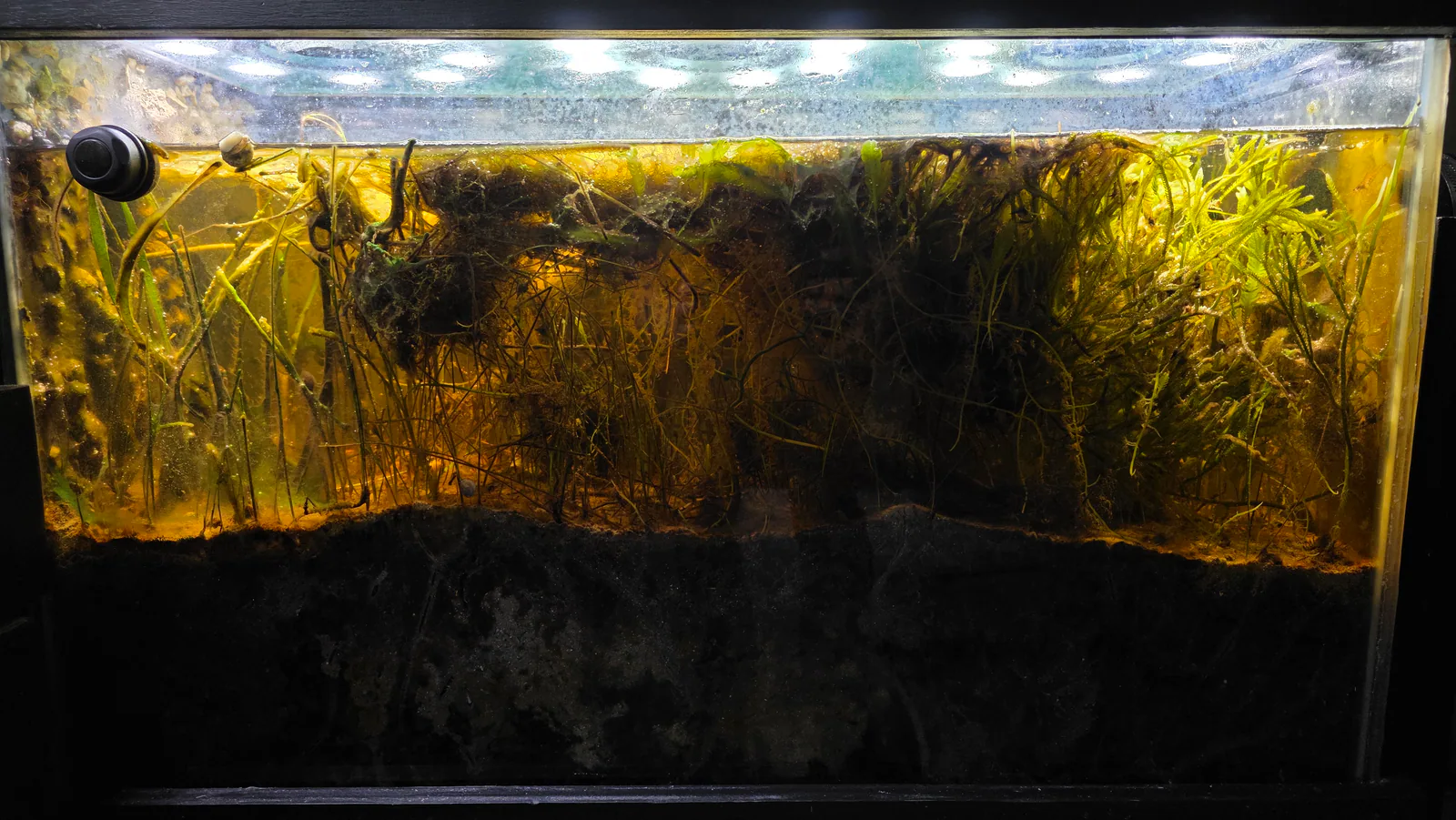
Freshwater Lake is the carbon hub of the aquatic freshwater system. Submerged macrophytes (tapegrass, sagittaria, Amazon sword) fix carbon through photosynthesis and transfer it to the food web through grazing by Slough Crayfish, snails, and amphipods, and through senescence into the detritus pool. The organic detritus substrate is the main long-term carbon storage site in the lake. Developing anaerobic zones below the aerobic surface layer represent carbon that is cycling slowly or not at all on human timescales. Dissolved organic carbon in the water column is processed by the microbial community and consumed by filter feeders.
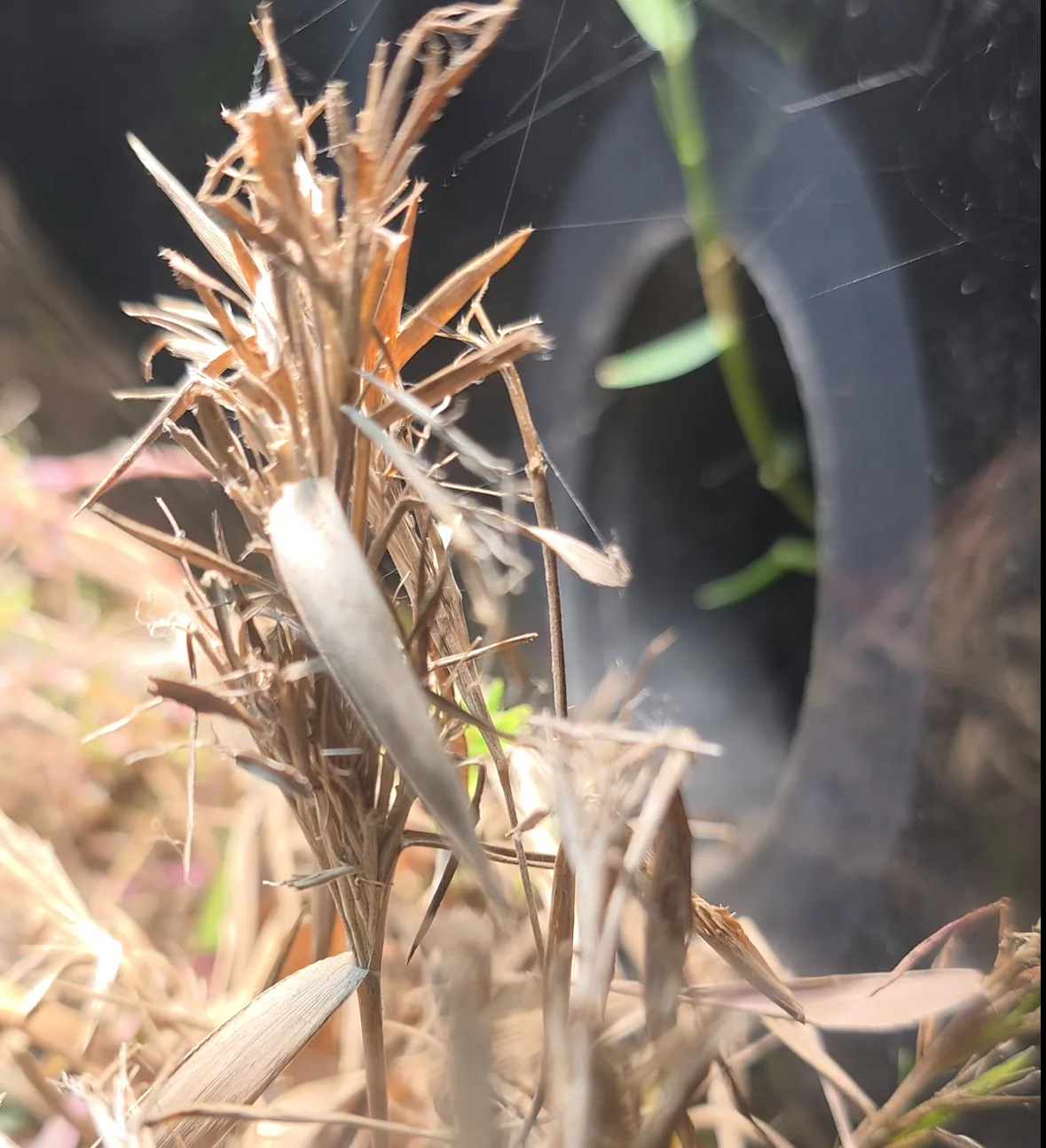
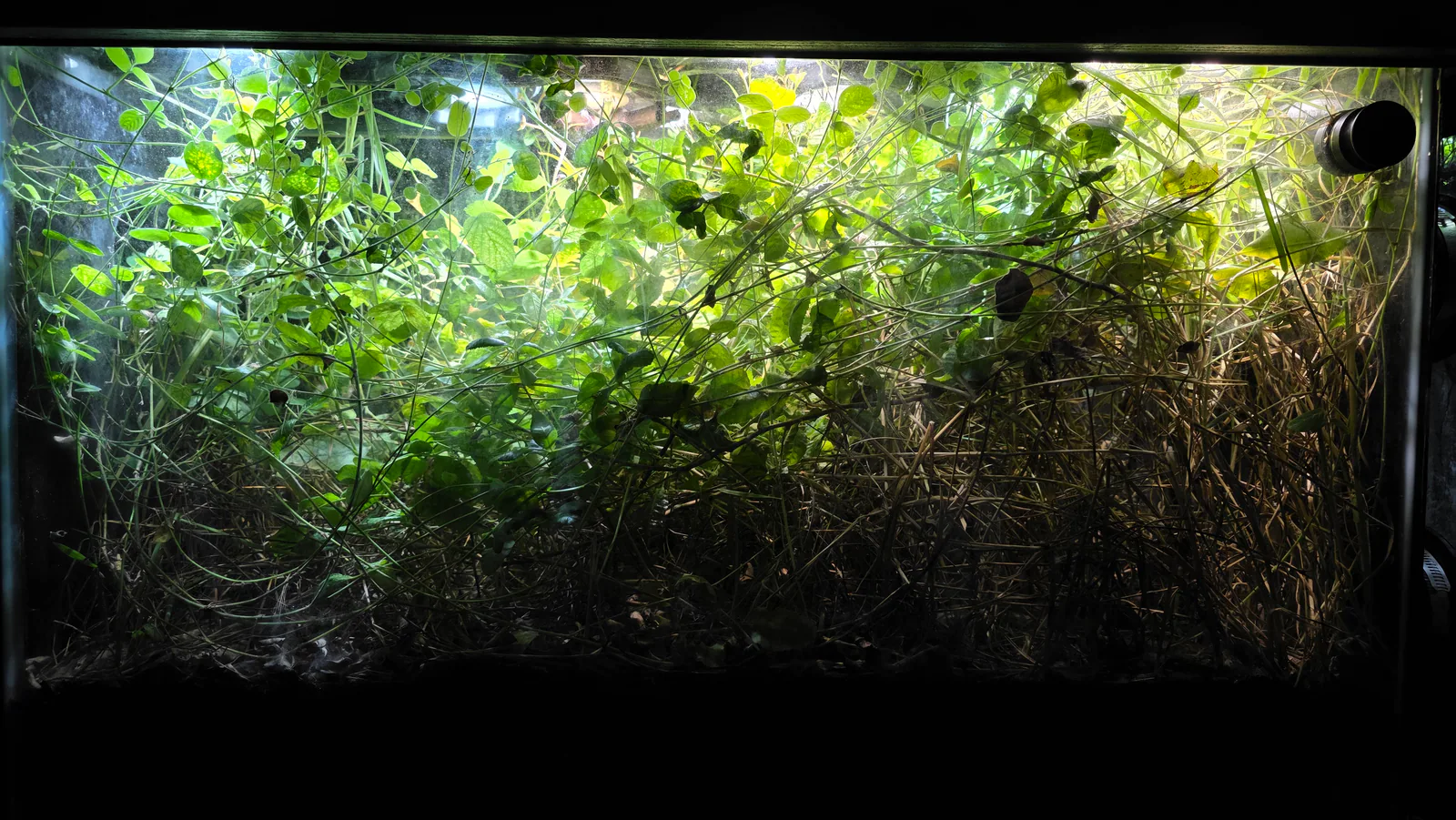
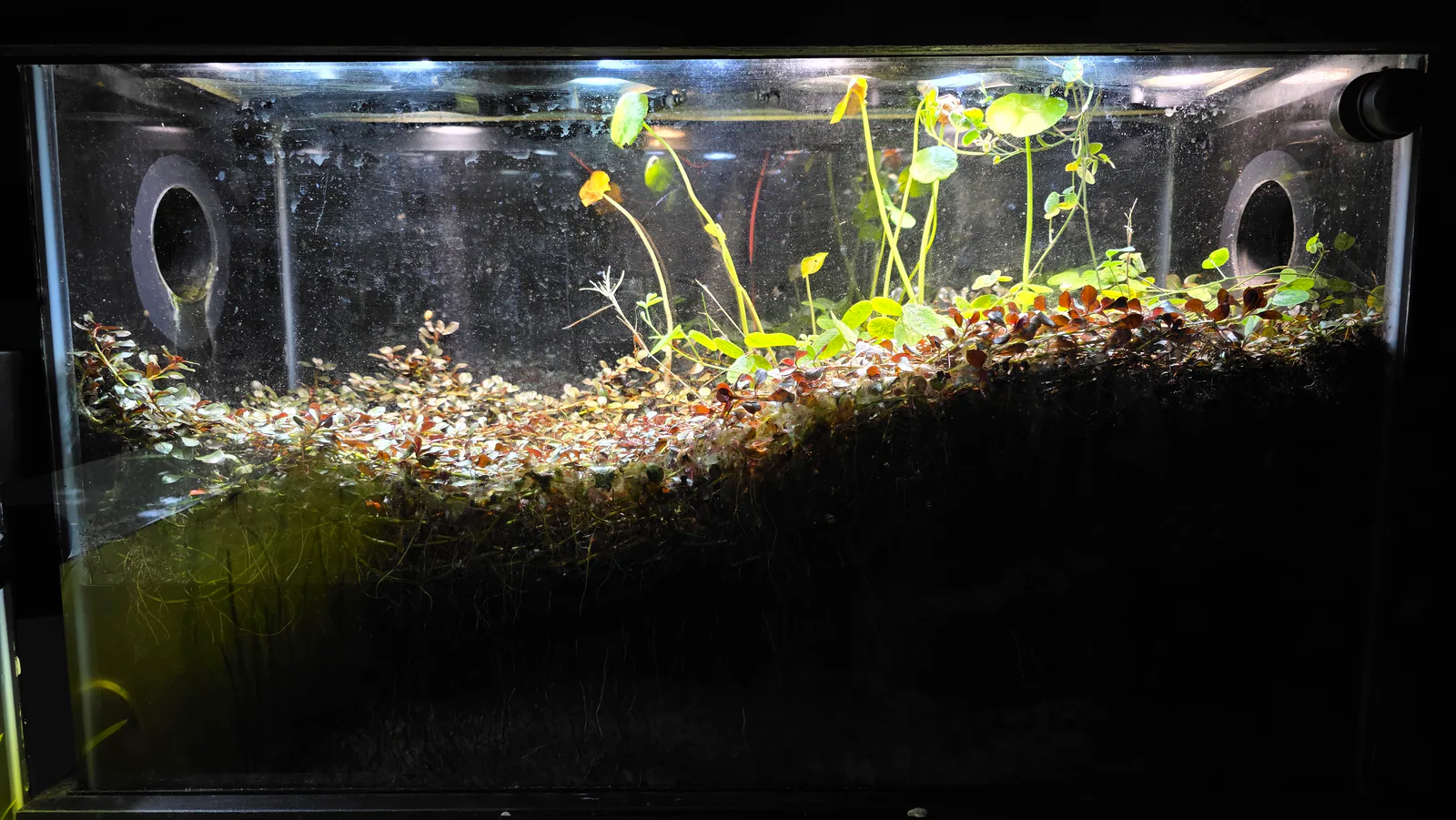
Prairie supports investigation of terrestrial carbon fixation and transfer through plant–consumer relationships, roots, litter and soil life. Historical grasshopper feeding is not current population evidence, and crickets can be omnivores. Litter enters decomposition directly. Comparative production rates and carbon export to Freshwater Lake remain unmeasured.
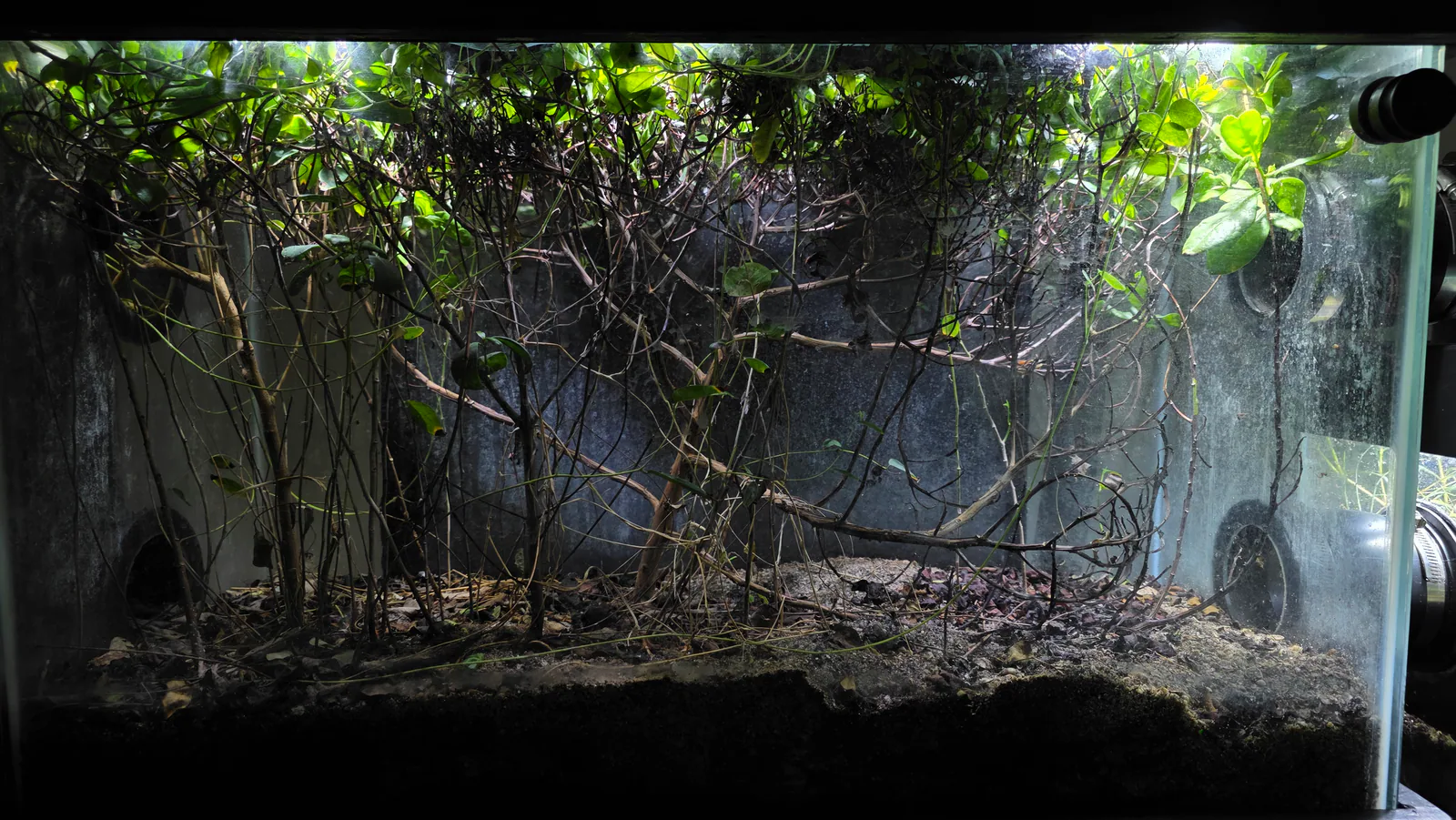
Mangrove Forest produces carbon through its canopy and understory. Mangrove leaf litter is the most distinctive carbon input in this biome: thick, waxy leaves decompose slowly and accumulate as organic matter in the mangrove floor substrate. Cockroaches, isopods, and other forest-floor invertebrates are the primary processors of this litter, converting it from large leaf fragments to finer organic particles and eventually to soil organic matter. The Mangrove Forest is likely the terrestrial biome with the slowest carbon turnover due to the combination of dense litter production and slow decomposition rates of mangrove material.
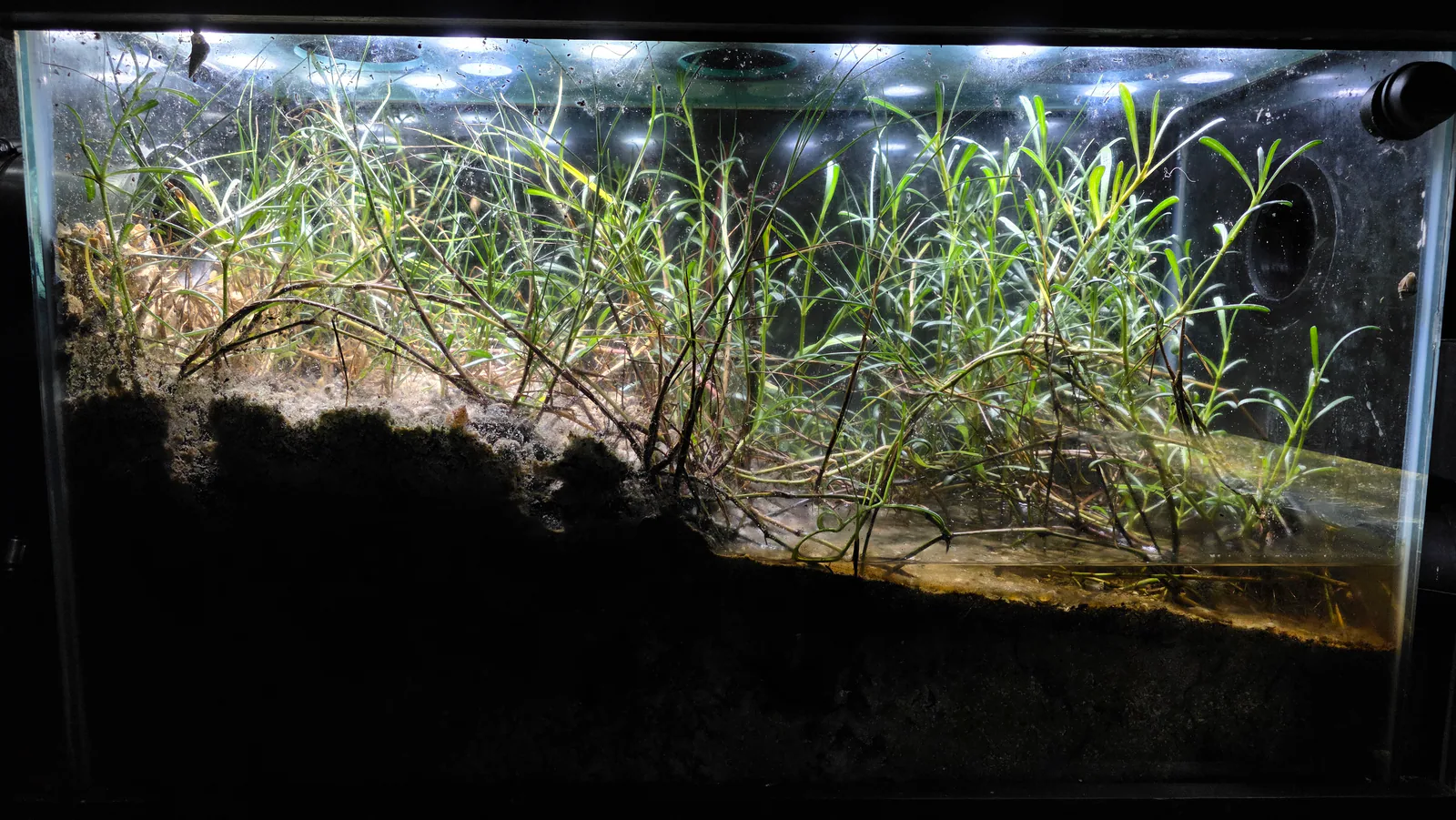
Seagrass Meadow fixes carbon through seagrass production and macroalgal growth. Grazing transferred seagrass and macroalgal carbon to consumer biomass, but the larger-bodied grazers have been lost over 2026: the Eelgrass Isopod and hard-surface snails are extirpated or near-zero, the Mud Crab is being deliberately removed, and the Variegated Sea Urchin was extirpated September 1, 2026. More producer carbon now enters the detritus pathway ungrazed. The partial Caulerpa die-off of August 29, 2026 is a direct instance: a pulse of algal carbon moved straight into decomposition rather than through a consumer. Common Atlantic Marginella, previously listed here as a grazer, was a predator and sediment bioturbator; corrected July 29, 2026. Ungrazed seagrass material enters the detritus pathway in the substrate. The Seagrass Meadow substrate, like the Freshwater Lake substrate, likely accumulates organic carbon over time. A water test on August 1, 2026 found elevated alkalinity alongside low dissolved calcium, evidence consistent with active anaerobic sediment processes and carbonate cycling in this substrate, though not yet isolated from the biome's calcifying organisms or from possible cross-biome transport.
Lakeshore and Marine Shore are transition biomes where biofilm and algae on glass and substrate surfaces fix small amounts of carbon that are grazed directly by snails, amphipods, periwinkles, and Eastern Melampus. These biomes also receive organic inputs from adjacent biomes through water movement and animal activity.
Primary producers (tapegrass, sagittaria, Amazon sword, duckweed, seagrasses, macroalgae, terrestrial grasses, biofilm) are the carbon entry point: they fix CO2 into organic matter and make it available to the food web.
Herbivores and grazers (Slough Crayfish, bladder snails, Malaysian Trumpet Snails, amphipods, grasshoppers, crickets, Mud Crab, and introduced marine hard-surface snails) transfer plant carbon into animal biomass, which is either consumed by the next trophic level or enters the detritus pool when the animal dies. The Variegated Sea Urchin filled this role in the Seagrass Meadow until its extirpation September 1, 2026.
Filter feeders and microcrustaceans (Daphnia, Moina, copepods, Ghost Shrimp) capture dissolved organic carbon, phytoplankton, and suspended particles from the water column, transferring fine particulate carbon into animal biomass.
Detritivores and substrate processors (cockroaches, millipedes, isopods, Malaysian Trumpet Snails, amphipods) break down organic litter and detritus into finer particles, increasing the surface area available to microbial decomposition and accelerating carbon mineralization back to CO2.
Microbial community (bacteria and fungi in substrate and water column) is the final decomposition layer: it mineralizes organic matter to CO2, completing the carbon loop. The microbial community is the most important carbon processor by mass throughput, though it is the least directly observed.
Lighting System drives primary production, which is the only pathway by which CO2 is converted to organic carbon in miniBIOTA. Without the Lighting System, the carbon cycle stops at its entry point. PAR intensity and photoperiod control how fast carbon is fixed.
Rain System provides a potential route for dissolved and particulate material from Prairie through Lakeshore toward Freshwater Lake. Transport amounts, frequency and effects remain unmeasured. The freshwater and marine water networks are separate; within each network passive subsurface connections are bidirectional and equalize water levels.
Climate System influences decomposition rates through its effect on enclosure temperature. Warmer temperatures accelerate microbial activity and decomposition; if the chiller's repair affects enclosure thermal dynamics, it may indirectly affect how quickly organic matter is mineralized in the substrate.