The Biosphere Biomes Species Engineering About

Lytechinus variegatus

Variegated Sea Urchin

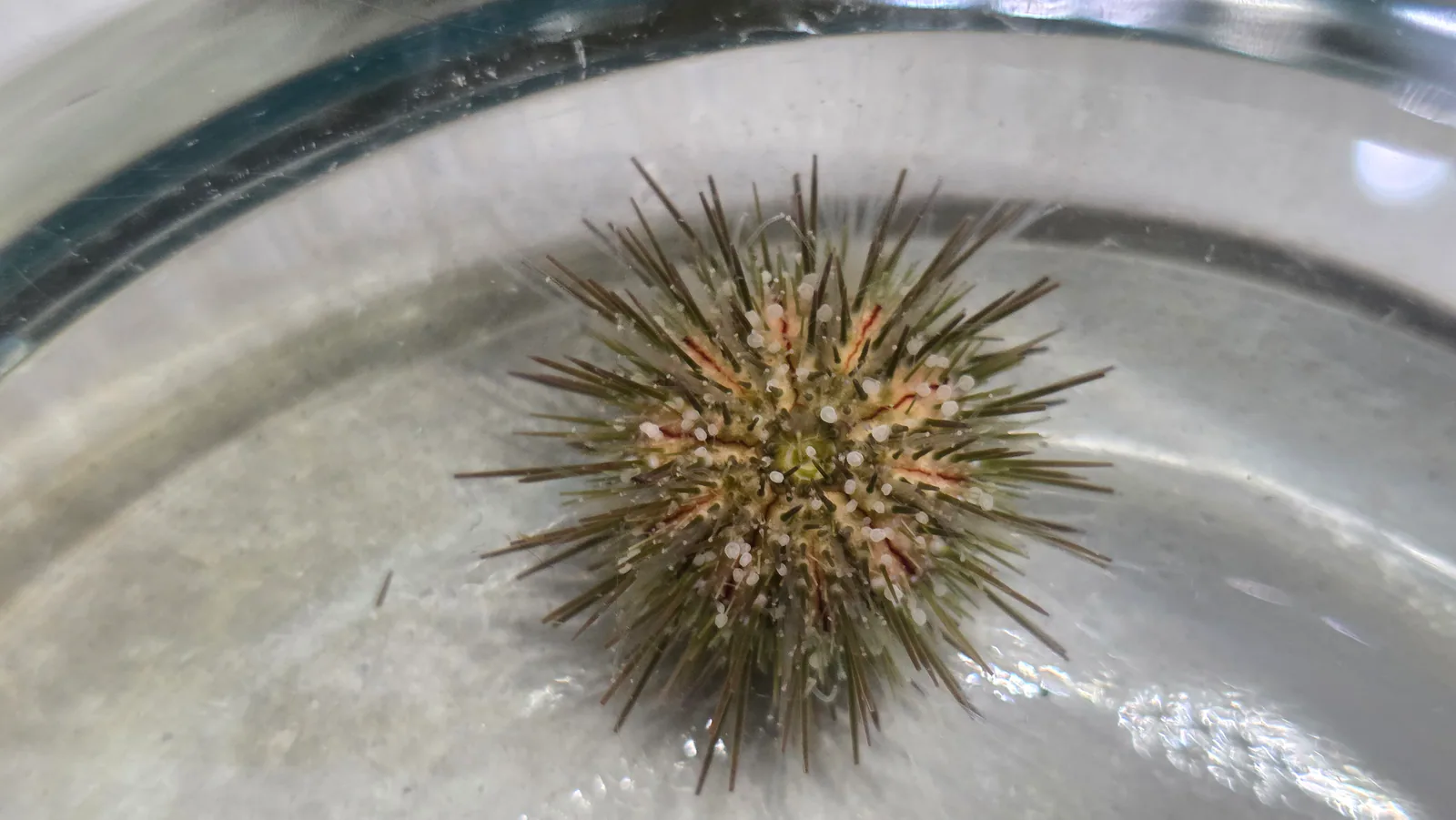
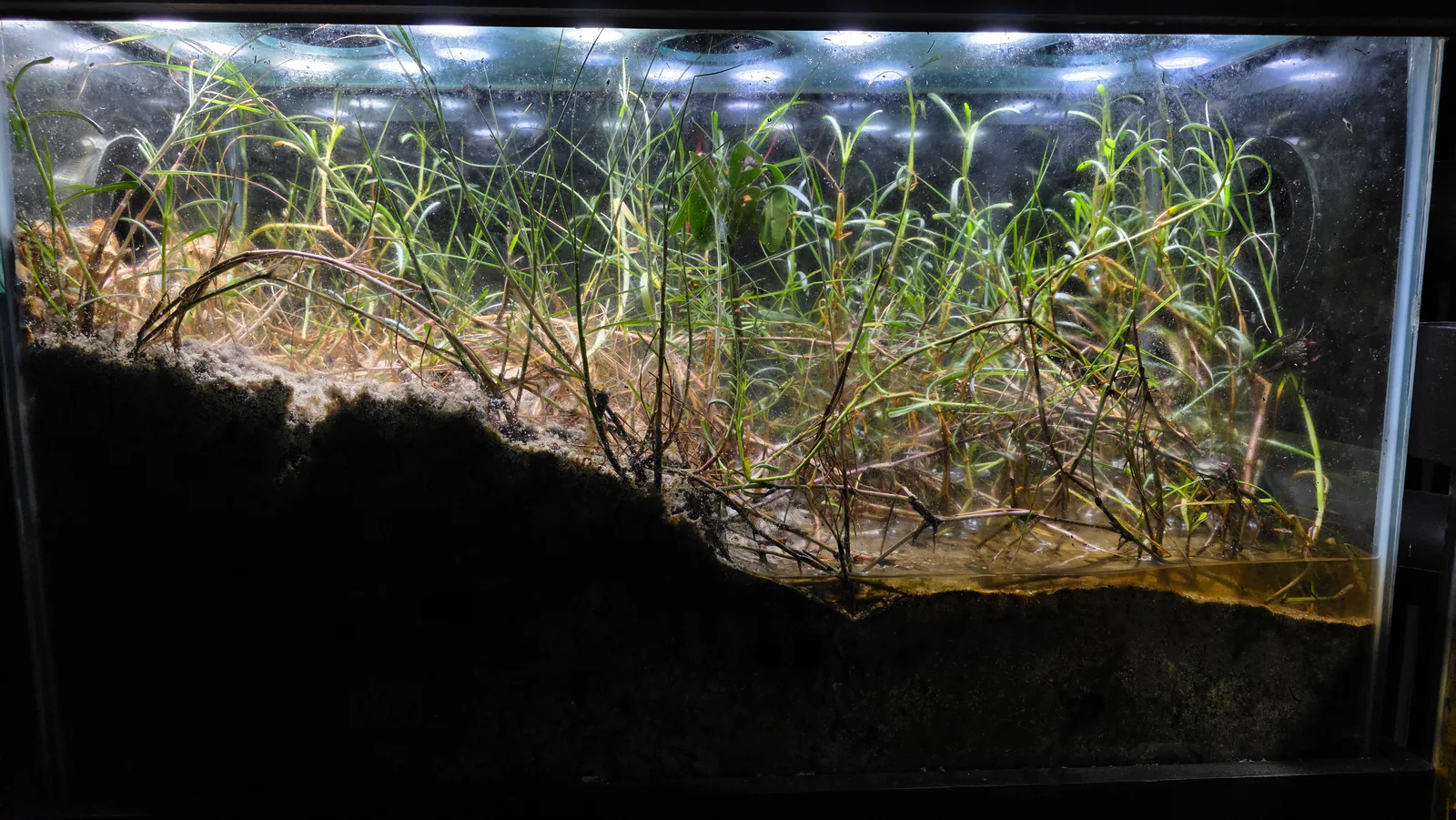
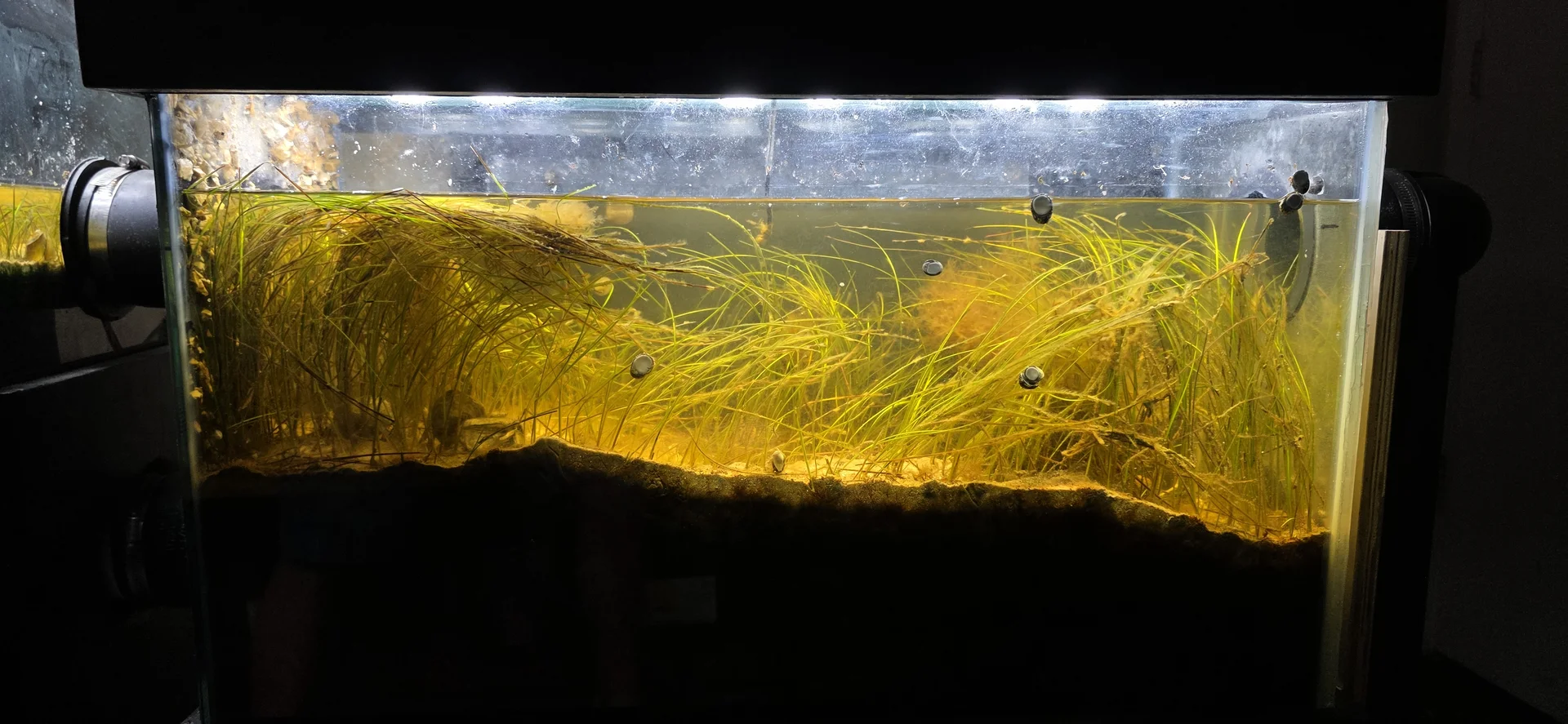
The seagrass meadow was losing light to macroalgae, so two variegated sea urchins were collected and acclimated as grazers. This species lives naturally in Florida seagrass habitat, which made it one of the few animals that fit both the water and the job. During acclimation, one immediately ate Graceful redweed. Now the question is whether the urchins can survive in the system and keep grazing.

Common Name
Variegated Sea Urchin
Scientific Name
Lytechinus variegatus
Realm
Saltwater
Biome
Seagrass Meadow, Marine Shore
Introduction Method
Intentional Seeding
Date First Introduced
April 26, 2026
Source / Origin
Florida field collection, selected for the Seagrass Meadow algae problem.

Section Notes

Publicly introduced in the May 4, 2026 short "I Added Sea Urchins to Fight the Algae." The species is Lytechinus variegatus, a Florida-native sea urchin associated with seagrass habitat. It was chosen because macroalgae was spreading across the surface and blocking light from the shoal grass below.

Current Estimated Population
2
Population Status
Uncertain
Carrying Capacity Status
Unknown. This is a small grazing trial, and the long-term balance has not been established.
Date Last Observed
May 04, 2026

Section Notes

Two urchins were introduced in the public story. Treat this as a test introduction, not an established population. The open question is whether they survive long term and keep eating Graceful redweed.

Trophic Level
Primary Consumer
Feeding Niche / Method
Benthic grazer. Uses Aristotle's lantern to scrape and bite algae from surfaces.
Dietary Inputs
Graceful redweed and other macroalgae in miniBIOTA; wild diets can also include seagrass detritus, attached algae, and organic material on the substrate.
Known Predators
No predators documented in miniBIOTA.

Section Notes

Macroalgae was the problem. Graceful redweed was the test food. One urchin ate it during acclimation, which showed the animal recognized the algae before it entered the system.

Temperature Range
Warm shallow marine water; exact range in miniBIOTA not yet established.
Lighting Requirements
No special lighting requirement documented. Its role is indirect: if grazing works, more light can reach the shoal grass below the macroalgae layer.
Flow / Aeration Preference
Benthic seagrass and lagoon-edge habitat with stable, oxygenated marine or brackish water and calm to moderate flow.

Section Notes

In the wild, variegated sea urchins live in warm, shallow seagrass and lagoon habitats. In miniBIOTA, the practical question is narrower: can they handle this meadow long enough to keep grazing?

Reproductive Strategy
Separate sexes with external spawning; larvae develop in the plankton before settling as juvenile urchins.
System Reproduction Status
Not observed
Growth Rate
Not documented in miniBIOTA

Section Notes

Reproduction has not been observed in miniBIOTA. This introduction should be read as a grazing trial, not a breeding population.

Ecological Role
Macroalgae grazer added to help reduce Graceful redweed and other algae shading the shoal grass in the Seagrass Meadow.
Symbiotic Relationships
No confirmed symbiotic relationships documented in miniBIOTA.
Microhabitat Preference
Benthic surfaces in and around seagrass: sand, hard structure, shoal grass edges, and macroalgae patches. Also linked to the Marine Shore side of the system.

Section Notes

The seagrass meadow did not correct the macroalgae problem on its own, so the urchins became the next food-web test. Their useful role depends on continued grazing without pushing the meadow too far in the other direction.

Biomes This Species Lives In

Follow this species across the habitats where it currently appears in the miniBIOTA biosphere.

May 4, 2026 Introduction Video

Variegated sea urchins introduced to graze Graceful redweed

Variegated sea urchins were added to the Seagrass Meadow after Graceful redweed and other macroalgae continued spreading across the surface and shading the shoal grass below it. During acclimation, one urchin immediately ate a small piece of Graceful redweed, making this the first direct food-web response to the meadow macroalgae problem.