Romalea microptera

Southern Lubber Grasshopper

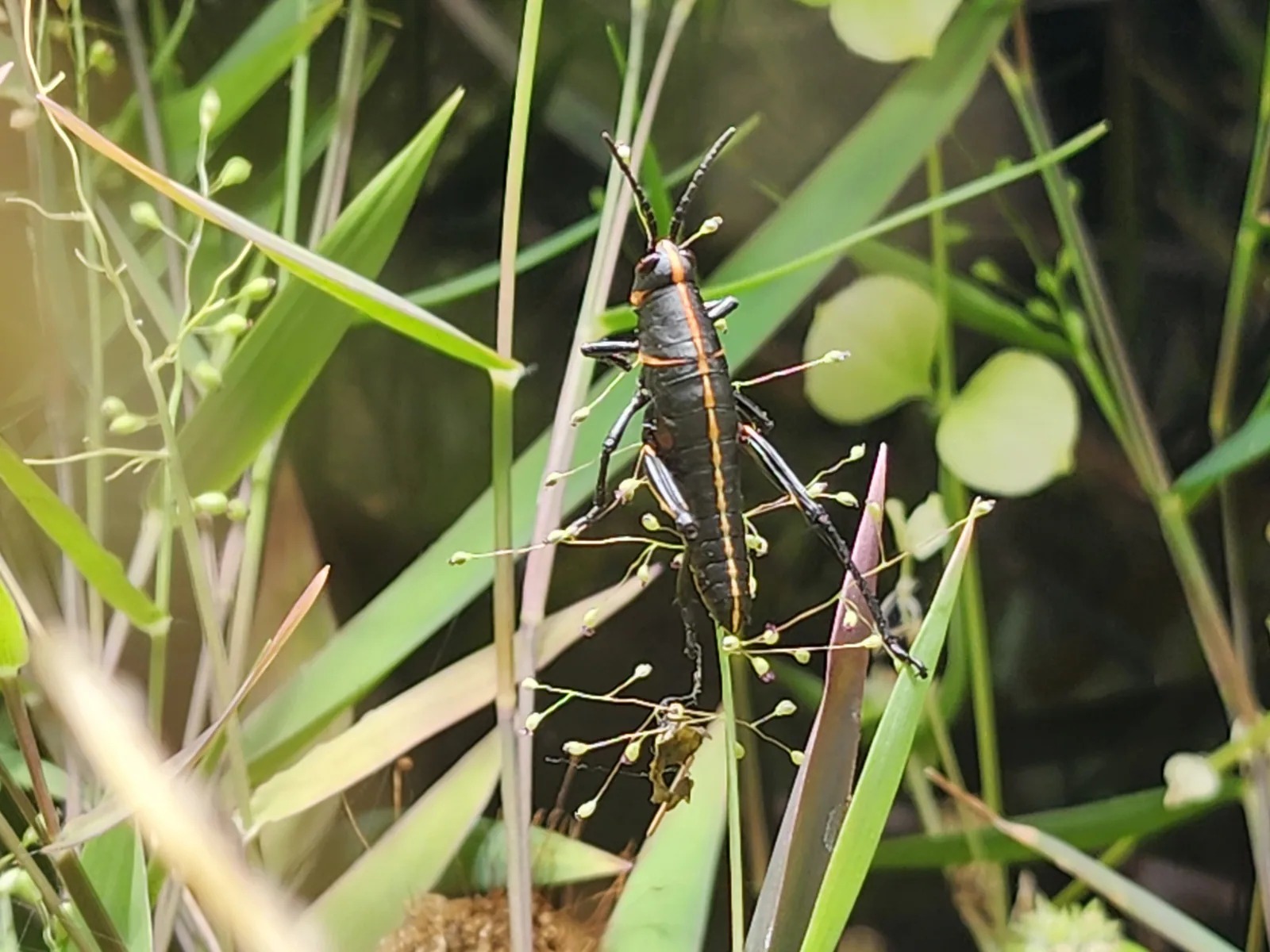
One of Florida's largest and most recognizable grasshoppers, the Southern Lubber moves slowly through vegetation on short, reduced wings and defends itself with vivid aposematic coloring and toxic foam secreted from thoracic glands.

Visual Data Unavailable

Overview

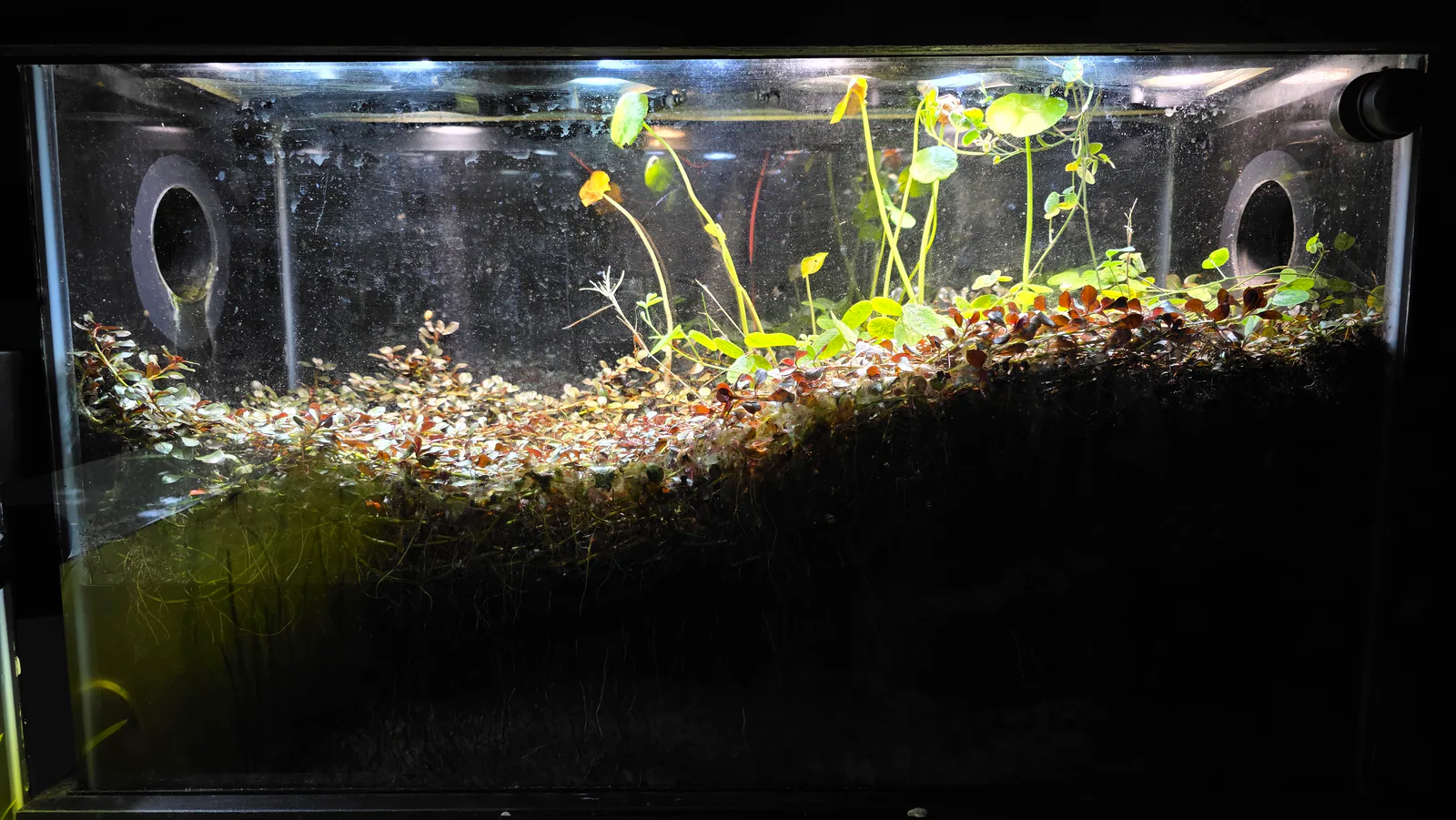
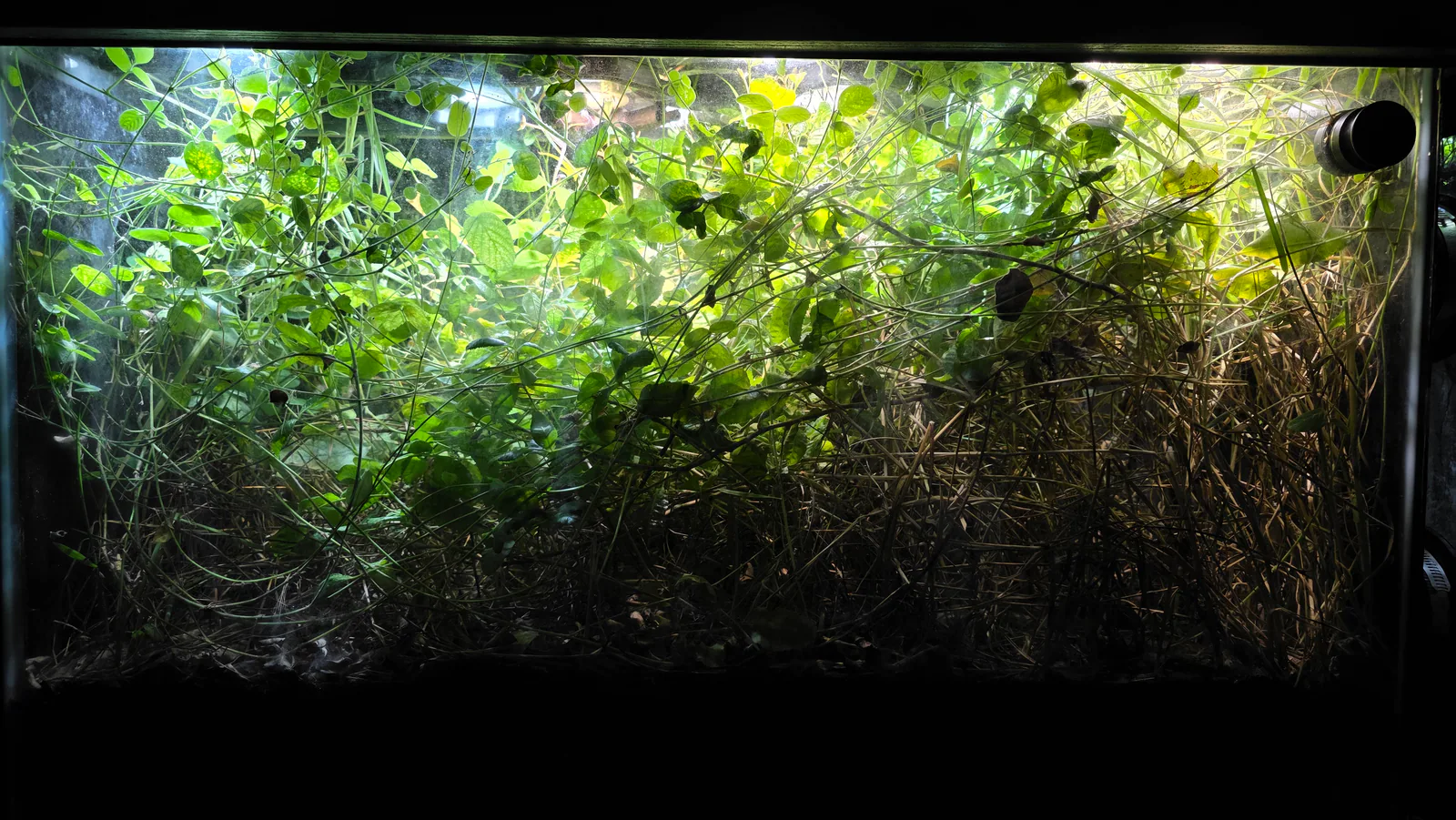
The Southern Lubber Grasshopper (Romalea microptera) is one of the largest and most recognizable grasshoppers in Florida, known for its vivid aposematic coloring and toxic chemical defenses. It was introduced to the Lakeshore and Lowland Meadow before the current notes archive but did not survive more than a month. A separate individual was observed outside miniBIOTA on June 17, 2025, documented from Chronicle 189. Population status is Extirpated.

Identity

  • Common name: Southern Lubber Grasshopper
  • Alternate names: Southern lubber, lubber grasshopper, eastern lubber grasshopper
  • Scientific name: Romalea microptera (Palisot de Beauvois, 1817)
  • Synonym: Romalea guttata (former name, still in wide use)
  • Identification confidence: Species-level, confirmed. Romalea microptera is unmistakable; it is the only large, slow-moving, brightly colored, partially flightless grasshopper in Florida and requires no disambiguation from congeners in this range.
  • Uncertainty label: Observed

Taxonomy

  • Kingdom: Animalia
  • Phylum: Arthropoda
  • Class: Insecta
  • Order: Orthoptera
  • Suborder: Caelifera
  • Family: Romaleidae
  • Genus: Romalea
  • Species: R. microptera (Palisot de Beauvois, 1817)

Natural History

Range and Florida Relevance

Romalea microptera is native to the southeastern United States, ranging from North Carolina through Florida and west to Texas. It is one of the most abundant and visible grasshoppers in Florida, present in nearly every terrestrial habitat type from roadsides and gardens to meadows, agricultural edges, and natural scrub. Florida populations include both the typical yellow-and-black patterned form and a predominantly black melanistic form common in the southeastern peninsula. The species is a familiar fixture of Florida's warm-season terrestrial landscape.

Habitat

Southern lubbers are found in grasses, low shrubs, and open vegetation of all kinds. They are not habitat specialists; they occur wherever there is sufficient food plant diversity and warm conditions. They are most active during the warmest parts of the day and are frequently seen moving through grass and low vegetation or resting on plant stems. They are slow and clumsy compared to most grasshoppers, relying on chemical defense rather than escape speed or flight.

Diet

Romalea microptera is a broad-spectrum herbivore with a very wide host-plant range. It consumes the leaves, stems, and flowers of grasses, forbs, and shrubs, including many ornamental and crop plants. In Florida, it is considered an agricultural and garden pest at high densities due to its voracious and non-selective feeding. In a small closed system, a single adult lubber can exert significant herbivory pressure on plant biomass.

Reproduction

Females lay eggs in pods (oothecae) in soil, with each pod containing 30 to 50 eggs. Eggs are deposited in late summer and fall and overwinter in the soil. Nymphs hatch in late winter or early spring (January through March in Florida) and are distinctly colored: black with yellow and red stripes. Adults emerge after five or six nymphal instars, typically by late spring. The species is monovoltine, completing one generation per year. Adults are present from roughly May through November in Florida.

Tolerance Ranges

Romalea microptera is a warm-season species with broad tolerance for Florida's subtropical temperature and humidity range. It is most active in warm, humid conditions and may become less active or shelter during extended dry spells. No miniBIOTA-specific measurements were taken; the species did not survive long enough to generate environmental records.

Ecological Role

The Southern Lubber Grasshopper is a heavy primary consumer: its broad-spectrum herbivory and large body size mean that even a small number of individuals can remove significant plant biomass from a terrestrial system. In miniBIOTA's Lakeshore and Lowland Meadow, lubbers would feed heavily on grasses, forbs, and any soft-tissued plants available. No feeding interactions were documented during the species' brief presence. The species is aposematic: its vivid yellow and black coloring (and black melanistic variants) signals chemical unpalatability to predators. When threatened, it also secretes a frothy, toxic mixture from thoracic glands, which deters most invertebrate and vertebrate predators. This chemical defense would make the lubber largely invulnerable to the predatory arthropods currently in miniBIOTA. The species was considered too large for sustained success in a small closed system; the failure to survive more than a month is consistent with that assessment, though the specific cause of failure was not recorded.

miniBIOTA Evidence

Introduction and History

Southern Lubber Grasshoppers were introduced to the Lakeshore and Lowland Meadow at some point before the current notes archive. The introduction date, source origin, number of individuals, and cause of failure are unrecorded. The species did not survive more than a month. A separate individual was observed outside miniBIOTA on June 17, 2025, documented from Chronicle 189 and recorded as explicitly external to the system; this observation prompted creation of the species record and the note that the species was considered too large for the ecosystem.

Observation Timeline

  • (Before notes archive) — Southern Lubber Grasshoppers introduced to Lakeshore and Lowland Meadow. Did not survive more than a month. Introduction date, source, and cause of failure unrecorded.
  • June 17, 2025 — One individual observed outside miniBIOTA. Noted as too large for the ecosystem. Documented from Chronicle 189. No dedicated observation file.

What Is Confirmed

  • Southern Lubber Grasshoppers were present in the Lakeshore and Lowland Meadow at some point before the notes archive.
  • The population did not survive more than a month.
  • A separate individual was observed outside miniBIOTA on June 17, 2025.
  • Species identity is confirmed; R. microptera is unambiguous in Florida.
  • Population status: Extirpated.

What Is Inferred

  • Herbivory on Lakeshore and Lowland Meadow plant material during the brief introduction period is inferred from species biology; no feeding was directly recorded.
  • Large body size and high per-individual food demand likely contributed to the failure of a small introduction in a closed system, though this was not confirmed.

What Remains Unknown

  • The exact introduction date and number of individuals.
  • Source origin.
  • The cause of failure (food limitation, predation, escape, desiccation, or other factors).
  • Whether the June 17, 2025 external individual is connected in any way to the earlier miniBIOTA introduction.
  • Whether future introduction attempts are planned.