Hydrellia formosa

Shore Fly

A tiny shore fly in the Freshwater Lake and Lakeshore whose larvae mine the leaves of tapegrass (Vallisneria); Hydrellia formosa is the principal leaf-mining herbivore on eelgrass beds in Florida freshwater systems, creating visible serpentine mines in tapegrass leaves.
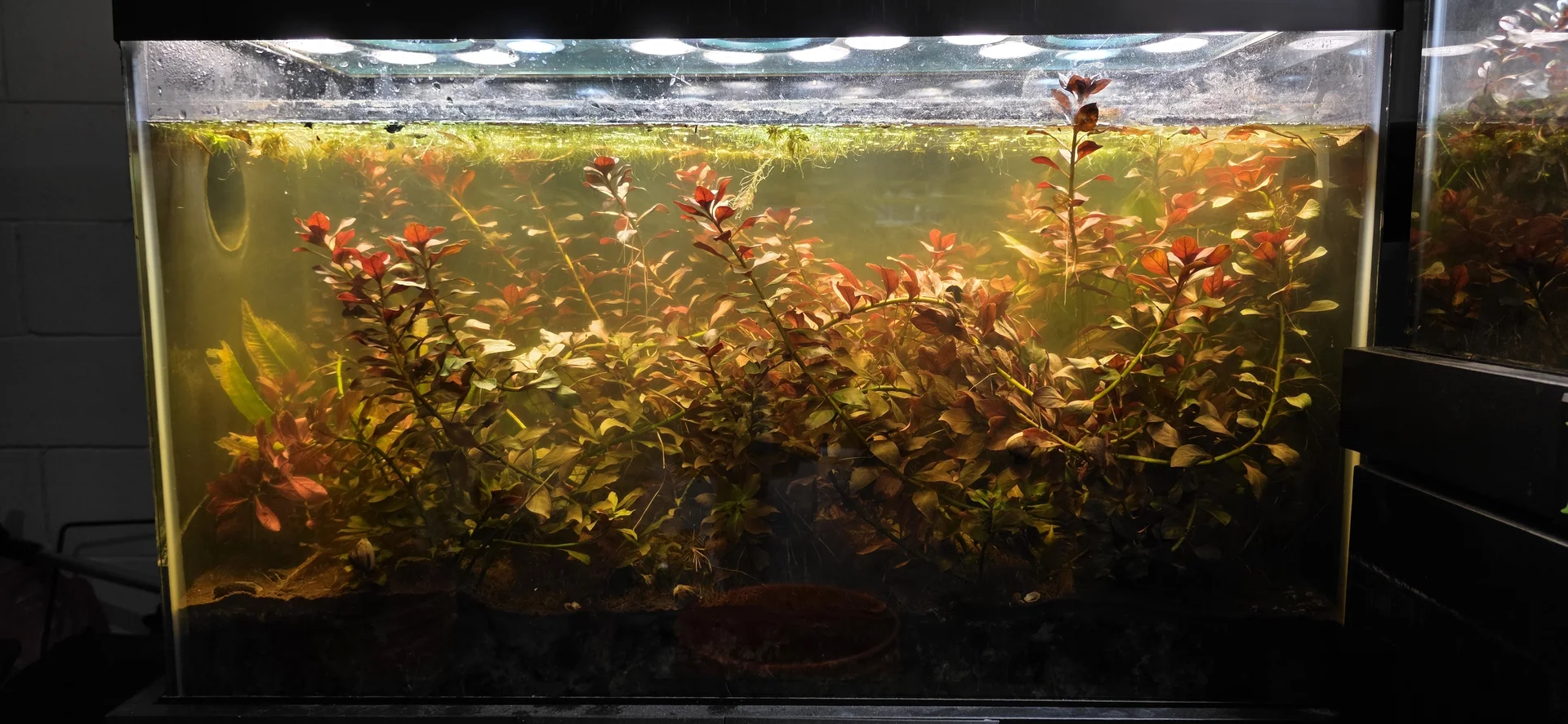
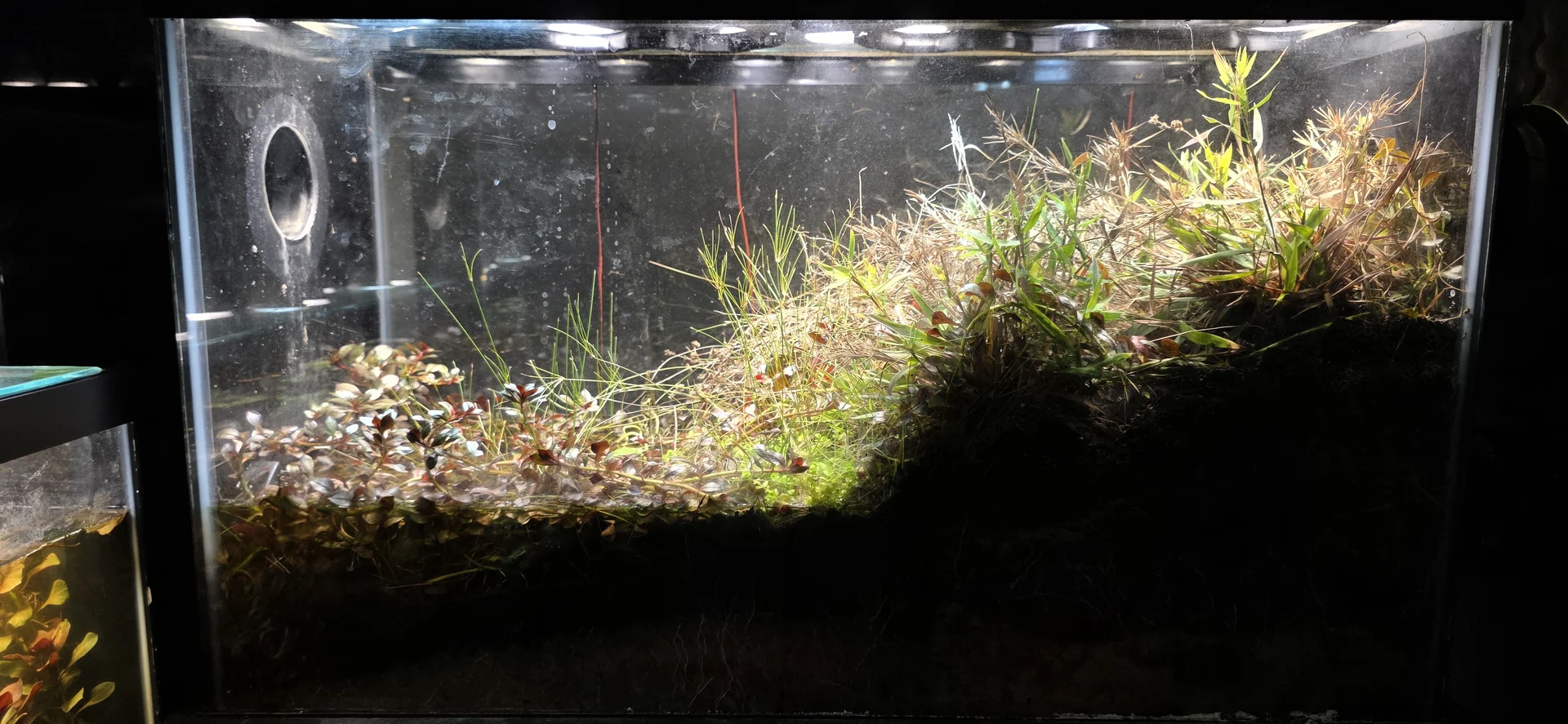
Visual Data Unavailable

Overview

A tiny shore fly in the Freshwater Lake and Lakeshore whose larvae mine the leaves of tapegrass (Vallisneria); Hydrellia formosa is the principal leaf-mining herbivore on eelgrass beds in Florida freshwater systems, creating visible serpentine mines in tapegrass leaves and transferring plant energy into the aquatic food web. No dedicated observation record beyond the original note has been found in the miniBIOTA observation records.

Identity

  • Common name: Shore Fly
  • Alternate names: leaf miner fly, eelgrass leaf miner
  • Scientific name: Hydrellia formosa
  • Identification confidence: Species-level (Hydrellia formosa); host plant association with tapegrass (Vallisneria) is near-diagnostic; common name "shore fly" confirms family Ephydridae
  • Uncertainty label: Observed

Taxonomy

  • Kingdom: Animalia
  • Phylum: Arthropoda
  • Class: Insecta
  • Order: Diptera
  • Family: Ephydridae
  • Genus: Hydrellia
  • Species: Hydrellia formosa (Loew, 1862)

Natural History

Hydrellia formosa (eelgrass leaf miner, shore fly) is a small (2-3 mm) dipteran fly in the family Ephydridae, native to eastern North America including Florida. Adults are gray-black, with the stocky compact body form typical of shore flies; they are found walking on aquatic vegetation, at the water surface margin, and on floating leaf material in and around freshwater plant beds.

The biology of H. formosa is closely tied to Vallisneria americana (tapegrass, eelgrass, wild celery). Females oviposit on the surface of Vallisneria leaf blades; larvae hatch and bore directly into the leaf tissue, mining between the upper and lower epidermis. The mines appear as pale or brownish serpentine tracks or blotches visible on the leaf surface, widening as the larva grows. Pupation occurs within or on the leaf surface. Multiple generations may occur per year under Florida's warm conditions.

In Florida lakes and slow-moving water bodies, H. formosa can achieve significant population densities on Vallisneria beds and cause measurable reduction in leaf tissue. It is one of the primary herbivores on aquatic macrophyte vegetation in the freshwater lake environment and represents the main pathway by which Vallisneria leaf tissue is consumed by an insect herbivore rather than decomposing directly.

H. formosa is native to North America and is not considered a pest; it is part of the natural herbivore community of aquatic plant beds. It should not be confused with Hydrellia species introduced for biological control of invasive aquatic weeds such as Hydrilla verticillata (H. pakistanae and H. balciunasi are used for Hydrilla biocontrol; H. formosa is a different species with a different host).

Ecological Role

In the Freshwater Lake and Lakeshore, Shore Fly functions as the primary insect herbivore on tapegrass (Vallisneria), mining leaf tissue and transferring plant energy into animal biomass. Larval mining reduces photosynthetic capacity of individual Vallisneria leaves and contributes to leaf litter as mined leaves age and die. Adults are prey for invertebrate and vertebrate predators at the water surface and margin.

The Shore Fly represents a specific herbivore-plant trophic link in the Freshwater Lake: Vallisneria (producer) → Hydrellia formosa larvae (primary consumer) → aquatic invertebrate and vertebrate predators. This is a direct pathway from macrophyte production to the animal community, distinct from the detrital pathway through decomposition.

miniBIOTA Evidence

Introduction context: No introduction event is recorded. H. formosa is a native Florida species that would colonize any Vallisneria bed naturally. No introduction date, source, or method is on file.

Observation timeline:

  • Date unknown: noted as "found on the tapegrass in the lake biome"; the original species_description preserves the observation note but no date or observer detail is recorded.

Confirmed:

  • Species node exists for Shore Fly in the Freshwater Lake and Lakeshore; observed on tapegrass (Vallisneria) in the lake biome; identification as Hydrellia formosa from host plant association and common name

Inferred:

  • Leaf mining on Vallisneria americana in the Freshwater Lake, inferred from H. formosa biology and the tapegrass observation note

Unknown:

  • Date of the original tapegrass observation
  • Whether Shore Fly is currently present and active on the Vallisneria bed
  • Whether leaf mines on Vallisneria leaves have been documented beyond the initial sighting