The Biosphere Biomes Species Engineering About

Melampus bidentatus

Eastern Melampus

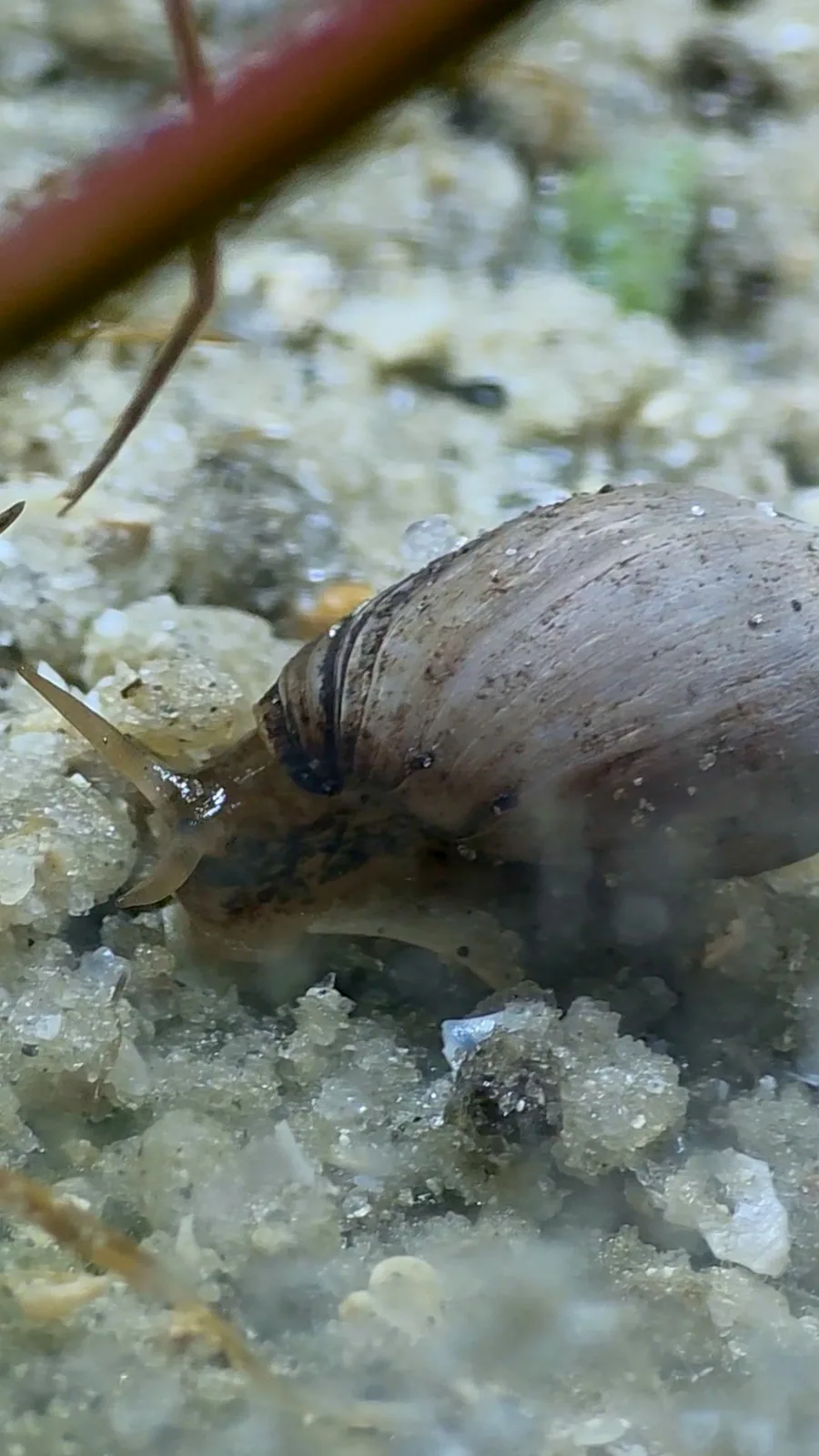
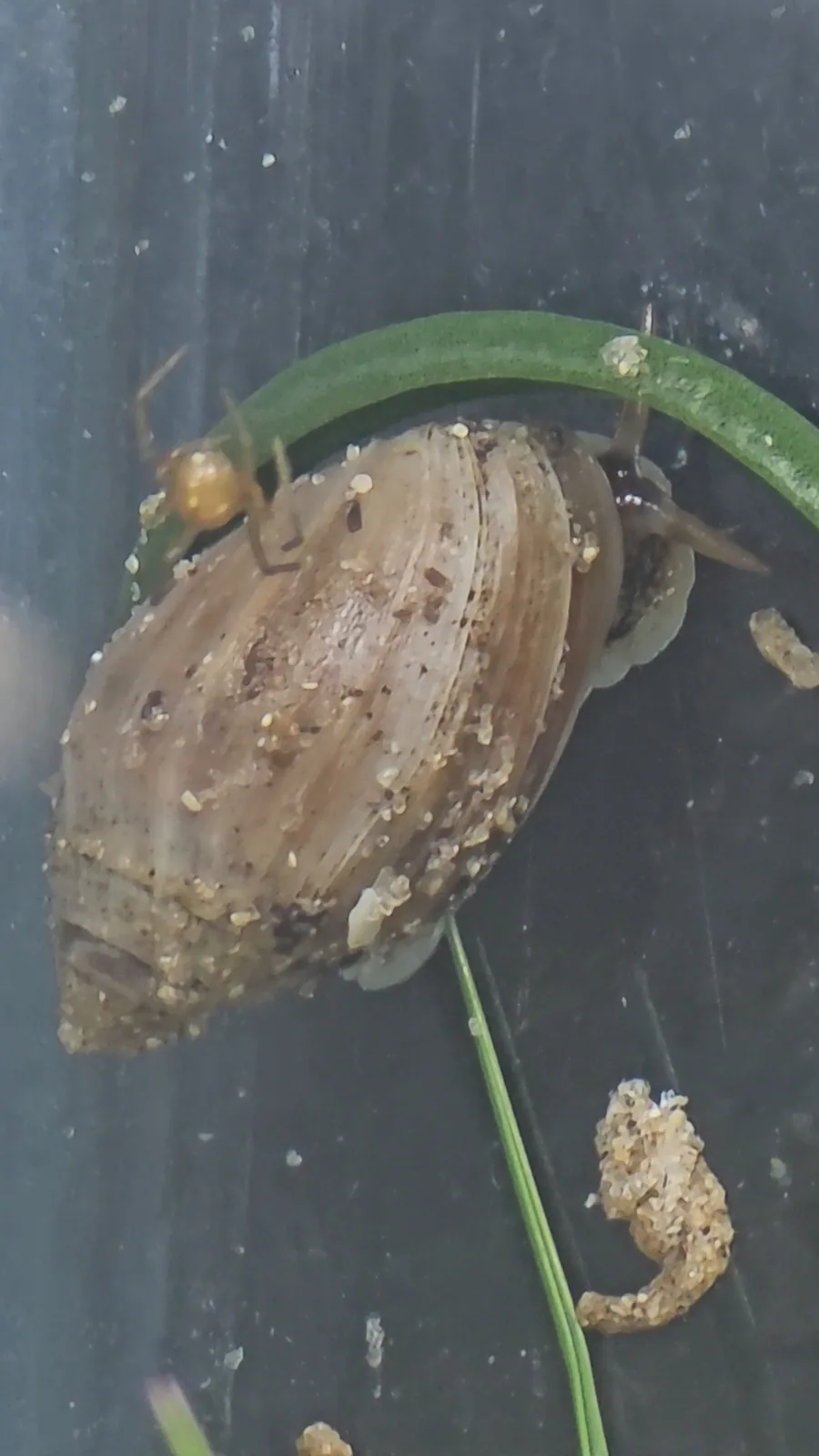
The Eastern Melampus is a small air-breathing snail native to Atlantic and Gulf coast salt marshes, living at the boundary between land and water. Two individuals were introduced to the Marine Shore biome in April 2026, wild-collected from a brackish tidal ditch in Spring Hill, Florida.

Common Name
Eastern Melampus
Scientific Name
Melampus bidentatus
Realm
Terrestrial
Biome
Marine Shore
Introduction Method
Intentional Seeding
Date First Introduced
April 23, 2026
Source / Origin
Wild brackish tidal ditch, Spring Hill, FL
Current Estimated Population
2
Population Status
Uncertain
Carrying Capacity Status
Unknown. System capacity not yet established. Population is at minimum viable number.
Date Last Observed
April 29, 2026

Section Notes

Two individuals introduced April 2026. Immediate feeding behavior on day of introduction is a strong positive indicator. Monitoring for long-term survival and reproduction.

Trophic Level
Detritivore
Feeding Niche / Method
Radula grazing, using a rasping tongue-like structure to scrape and consume decaying plant material from surfaces at the waterline.
Dietary Inputs
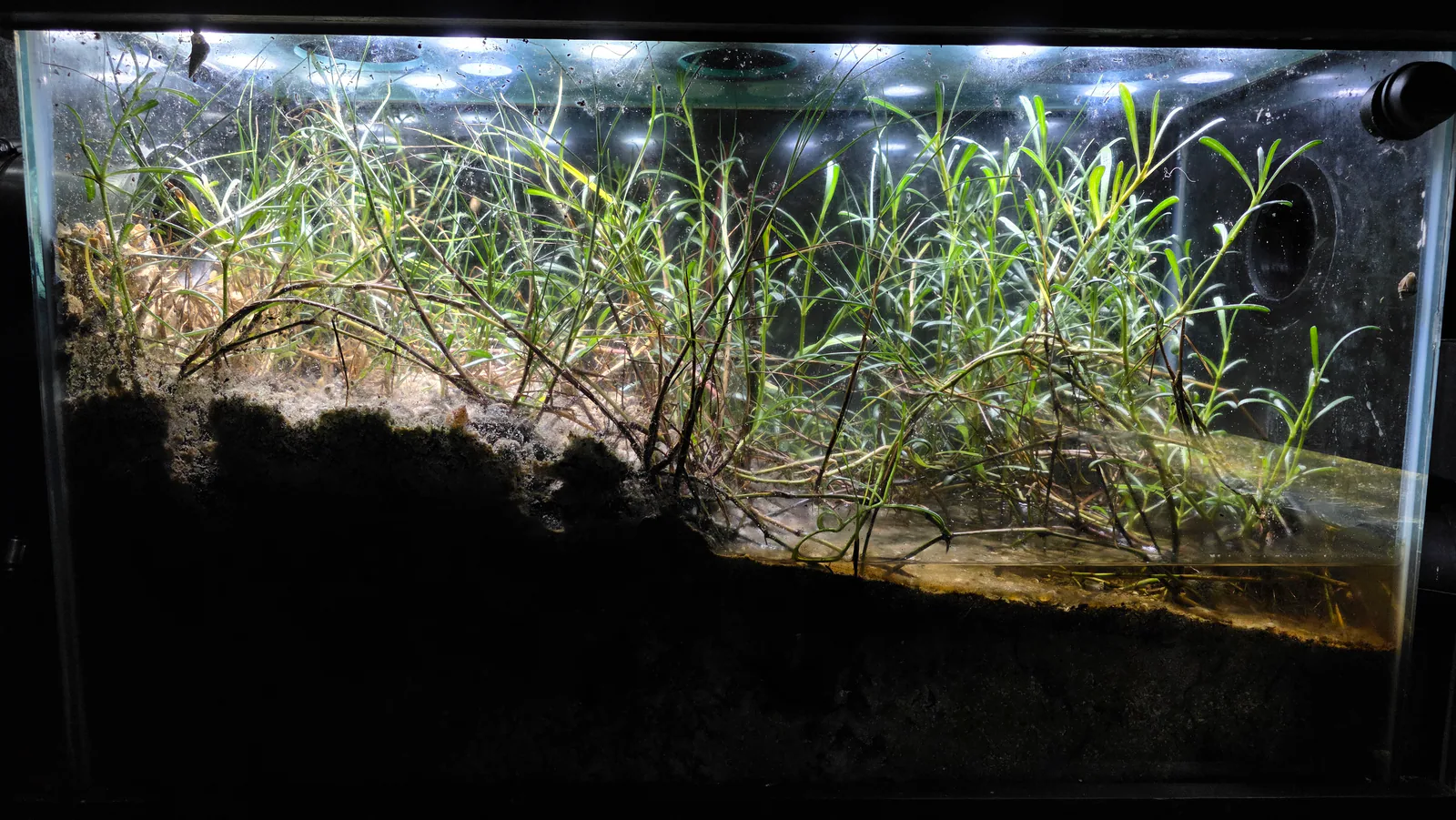
Dead grass detritus, decaying coastal vegetation
Known Predators
No confirmed predators within the Marine Shore biome. The Gulf marsh crab is a possible predator given its omnivorous nature, but this has not been observed.

Section Notes

Immediately observed feeding on dead grass detritus on the day of introduction (2026-04-23). Strong early establishment indicator.

Section Notes

Found naturally in high intertidal and upper salt marsh zones along the Atlantic and Gulf coasts. Tolerates a wide salinity range from brackish to full marine. Air-breathing pulmonate, survives extended periods out of water, which is fundamental to its intertidal lifestyle. Collected from a brackish tidal ditch in Spring Hill, FL, indicating strong tolerance for reduced salinity.

Expected Lifespan
1 to 2 years in natural populations
Reproductive Strategy
Spawning timed to spring tides, the highest monthly tidal events. Egg masses are deposited on vegetation just above the waterline. Larvae pass through a brief planktonic veliger stage before settling to the substrate.
System Reproduction Status
Not yet observed. Monitoring for spawning behavior linked to tidal simulation cycles.

Section Notes

Reproduction is tightly synchronized with lunar and tidal cycles. Spawning occurs in response to the highest monthly tides, with egg masses laid on intertidal vegetation just above the waterline. Larvae are briefly planktonic in the veliger stage before settling. In the miniBIOTA system, two individuals are present as of April 2026 and reproduction has not yet been observed. The tidal simulation in the biome may influence spawning timing.

Ecological Role
Detritivore and nutrient transporter. Tracks low tide to collect nutrients at the waterline and carries those nutrients back onto land through droppings. Key function in the Marine Shore biome: moving marine-derived nutrients to the terrestrial side.
Microhabitat Preference
Waterline and lower intertidal. Tracks low tide and moves with the tide at the land/water boundary.

Section Notes

The Eastern Melampus plays a dual role as a detritivore and nutrient transporter. By feeding at the waterline during low tide and returning to land, it moves marine-derived nutrients back into the terrestrial zone through its droppings. In natural salt marsh systems this species can reach very high population densities and is a key driver of coastal nutrient cycling. No symbiotic relationships documented in the miniBIOTA system.

Biomes This Species Lives In

Follow this species across the habitats where it currently appears in the miniBIOTA biosphere.

April 29, 2026 Observation Video

Eastern Melampus — feeding behavior confirmed on introduction

Eastern Melampus introduced 2026-04-23. Feeding behavior confirmed immediately, beginning to consume dead grass detritus within minutes of introduction, which is a strong early establishment signal. The Marine Shore biome's constant supply of decaying coastal vegetation provides an abundant food source. Nutrient transport function identified: tracks low tide, feeds at the waterline where nutrients concentrate, then returns to land and deposits those nutrients through droppings. Currently 2 individuals and monitoring for establishment and reproduction.