Aeolidida sp. (unidentified)

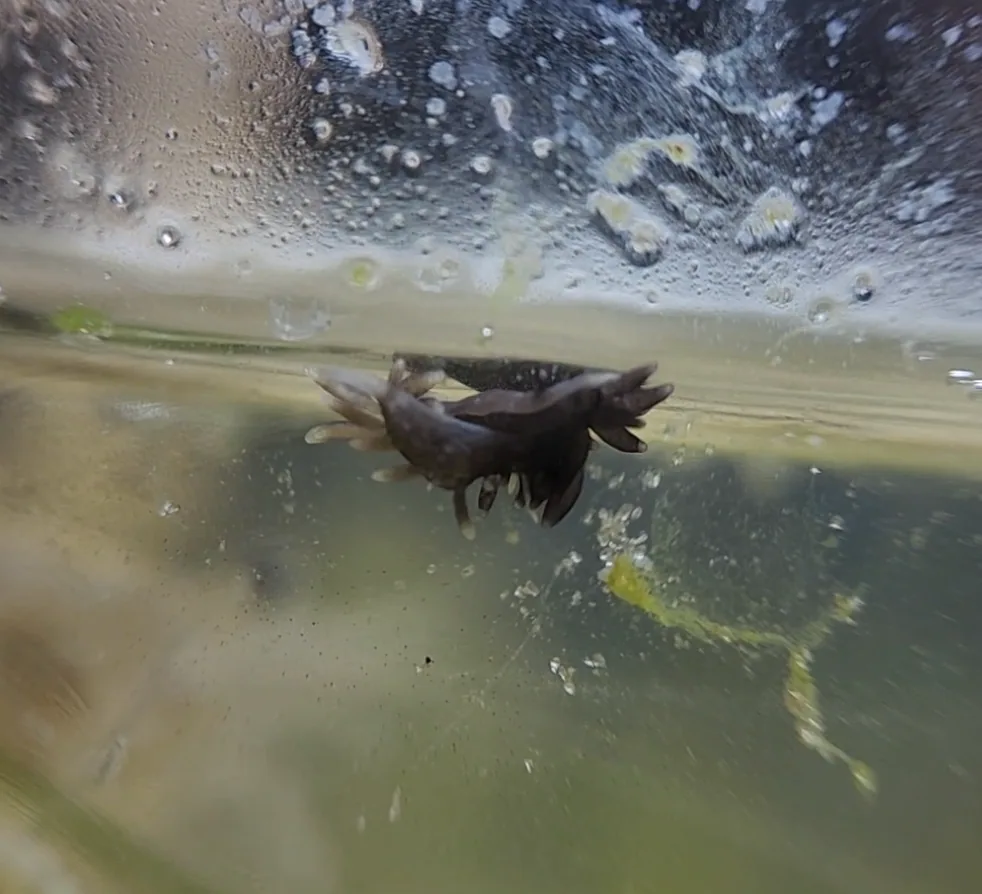
Unknown black nudibranch with cerata

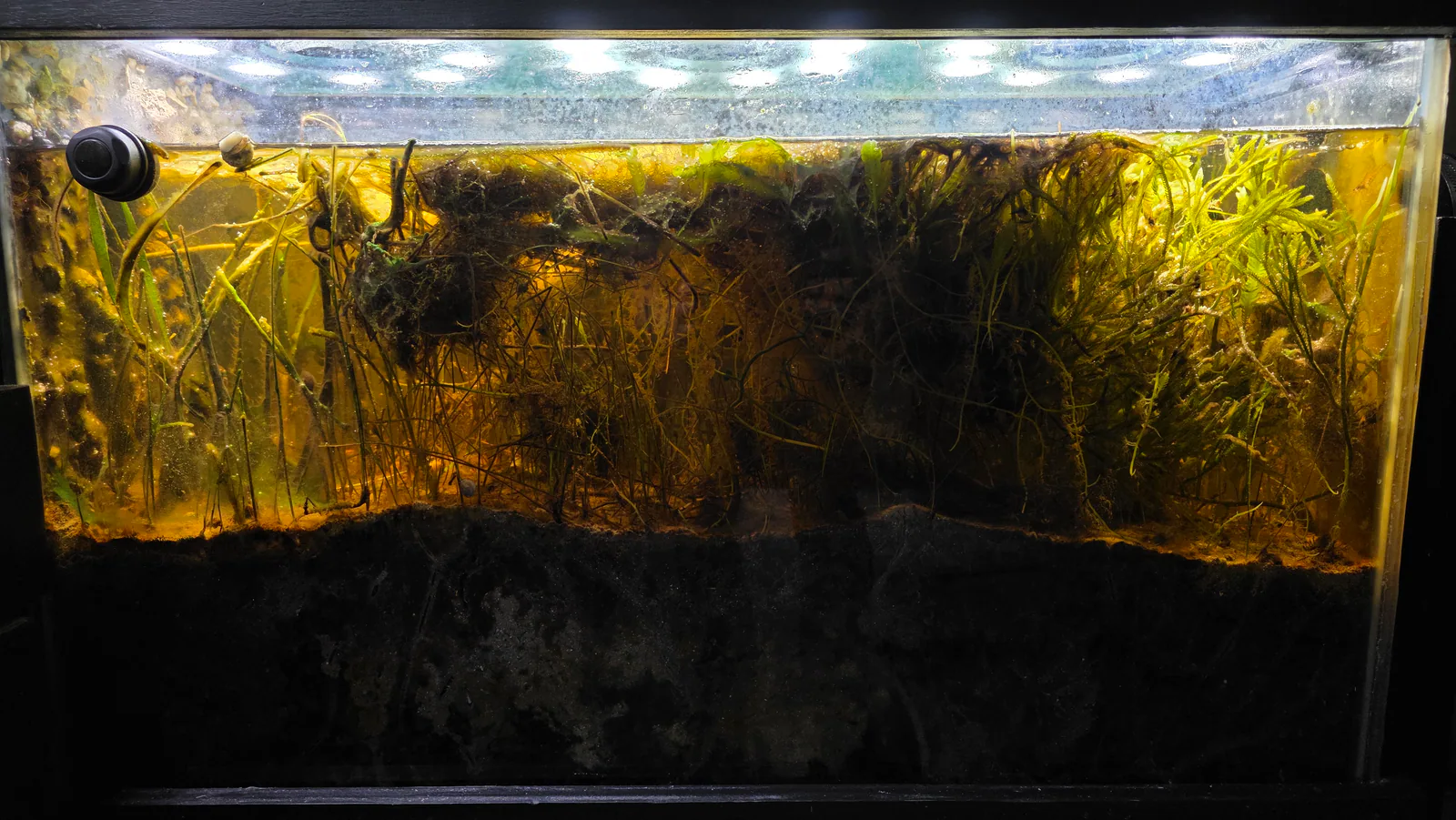
A tiny black nudibranch spotted in the Seagrass Meadow in December 2024, bearing fingerlike cerata along its back, the body plan of Aeolid-type nudibranchs that hunt hydroids and soft-bodied invertebrates rather than graze algae; species identity remains unresolved.

Visual Data Unavailable

Overview

A tiny black nudibranch approximately 2mm in length was first observed in miniBIOTA's Seagrass Meadow in December 2024. A follow-up observation ten days later confirmed cerata, the fingerlike dorsal projections characteristic of Aeolid-type nudibranchs, visible on its back. Aeolid nudibranchs are carnivores, not grazers; their cerata are associated with prey on hydroids, anemones, and soft invertebrates rather than algae or biofilm. Species identity remains unresolved.

Identity

  • Common name: Unknown black nudibranch with cerata
  • Alternate names: unknown sea bunny (prior informal name; superseded by morphological description); sea bunny
  • Scientific name: Aeolidida sp. (unidentified)
  • Identification confidence: Unknown; suborder-level placement as Aeolidida inferred from the December 23, 2024 observation describing cerata visible on the back; species unidentified
  • Uncertainty label: Unknown

Taxonomy

  • Kingdom: Animalia
  • Phylum: Mollusca
  • Class: Gastropoda
  • Order: Nudibranchia
  • Suborder: Aeolidida (inferred from cerata; unconfirmed species)
  • Family: Unresolved
  • Genus: Unresolved
  • Species: Unresolved

Natural History

Aeolid nudibranch natural history varies substantially by species, but the suborder shares key traits: all have cerata on the dorsal surface, all are carnivorous predators, and many can sequester nematocysts from cnidarian prey into the tips of their cerata for defensive use. Prey typically includes hydroids, anemones, bryozoans, and other soft-bodied invertebrates. Without species-level identification, specific range, preferred prey, lifespan, and reproductive details cannot be determined for this individual. Species-level natural history is documented in the confirmed species dossiers once identification is achieved.

Ecological Role

Aeolid nudibranchs are micro-predators in the marine invertebrate community. If this individual belongs to a hydroid-feeding lineage, its ecological role in miniBIOTA would involve predation on any hydroids present in the Seagrass Meadow; if it feeds on bryozoans or small encrusting organisms, it would consume fouling growth from hard surfaces. This is distinct from the herbivore/grazer role the record entry had previously described. Given its very small observed size (2mm), individual predation impact is likely minimal, but its ecology is genuinely unknown pending identification.

miniBIOTA Evidence

Introduction Context

No introduction event is on record. The nudibranch likely arrived as a hitchhiker in live rock, seagrass material, or on hermit crab shells during an early saltwater introduction. The slug "unknown-sea-bunny" suggests it was informally named during an early observation before its morphology was described in detail.

Observation Timeline

  • December 13, 2024: A small, approximately 2mm, black nudibranch first observed in the Seagrass Meadow. Species unknown at the time. Observer noted: "Unclear how large it will grow." The observation note cross-references the December 23 follow-up.
  • December 23, 2024: Follow-up observation confirmed cerata visible on the nudibranch's back, noted as "Aeolid-type." Observer notes it is "much smaller than the green sea slug" and that it had been "observed for several days now." Species still unconfirmed at this date.

What Is Confirmed

  • A black nudibranch approximately 2mm in size was present in the Seagrass Meadow from at least December 13, 2024 through December 23, 2024.
  • Cerata are visible on the dorsal surface, consistent with Aeolid-type nudibranch morphology.
  • The nudibranch is much smaller than the Green Sea Slug (Elysia chlorotica), which was present in the same period.

What Is Inferred

  • Suborder Aeolidida, based on the cerata described in the December 23, 2024 observation.
  • Ecological role as a carnivore (micro-predator), consistent with Aeolidida suborder biology, not an algae grazer as previously labeled on record.
  • Arrival via live material with an early saltwater introduction, given the absence of any introduction record.

What Remains Unknown

  • Species identity.
  • Whether this individual is still present in the Seagrass Meadow.
  • Specific prey items in miniBIOTA.
  • Whether reproduction occurred.
  • Adult size and lifespan.