
Rotifera sp. (unidentified)

Rotifer

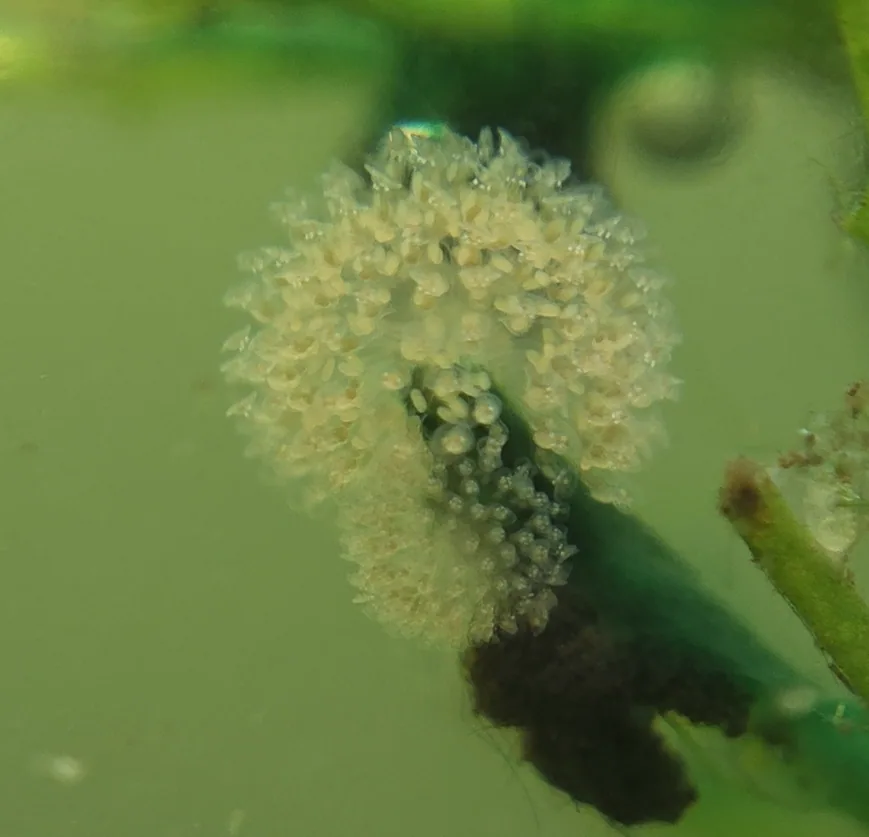
Microscopic filter feeders that anchor themselves into spherical, mucilage-bound colonies, rotifers spin ciliated crowns to draw suspended particles from the water; a cluster of them arrived unannounced in the Freshwater Lake, riding in on a fresh batch of hornwort.
Realm
Freshwater Species
Population
Uncertain miniBIOTA population category
Introduced
August 2026 First introduction record
Primary Biome
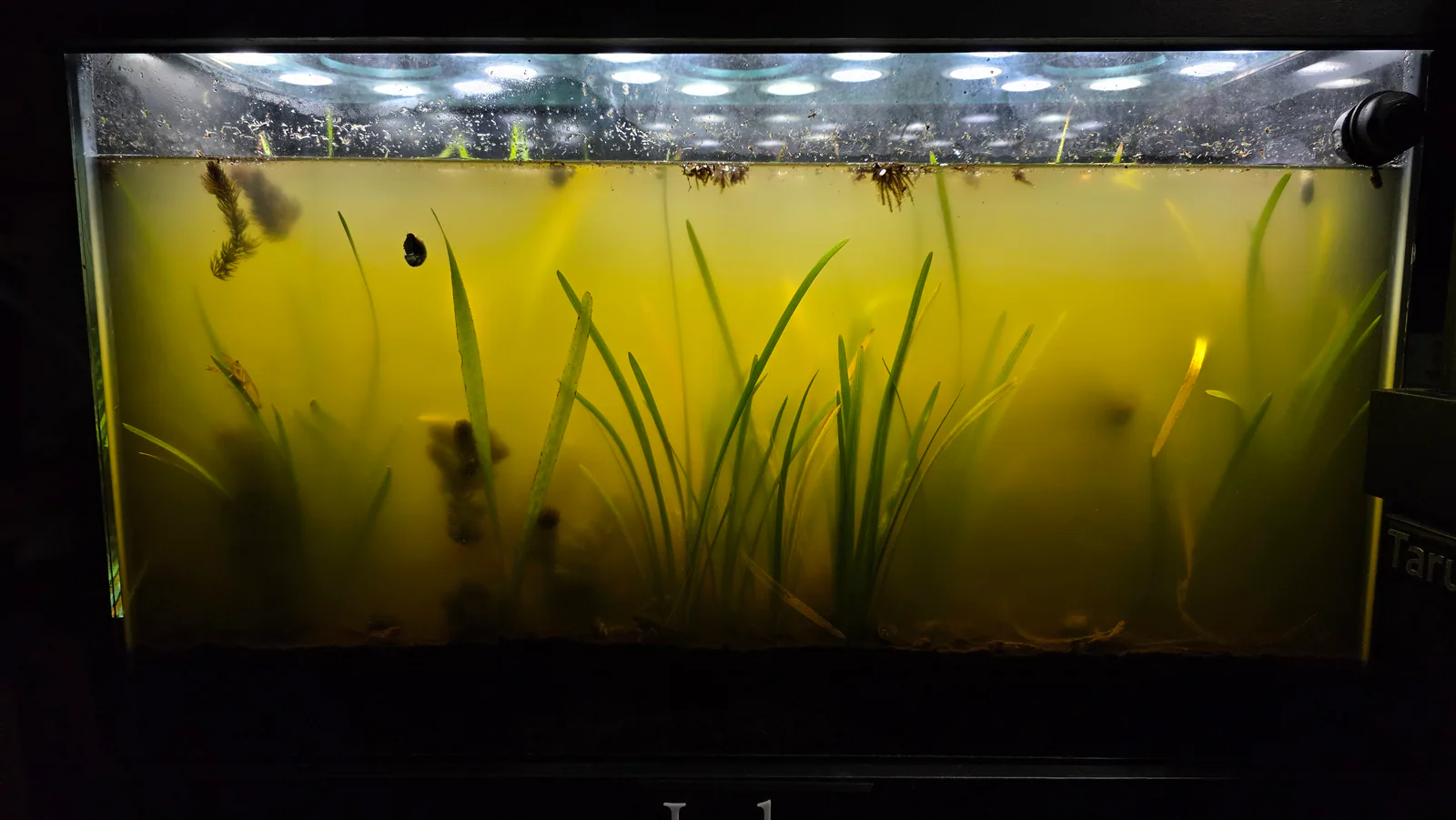
Freshwater Lake 1 habitat

Role & Shared Habitat

Documented role fields and shared-biome neighbors are shown as explicit record links, not inferred species interactions.

Focal species

Rotifer

Microbial-loop grazer in the Freshwater Lake water column; filters suspended bacteria, algae, and fine detritus through colonial ciliary feeding

Documented role

Trophic level
Primary Consumer
Feeding method
Ciliary suspension feeder; beating cilia on the corona generate a feeding current that draws suspended particles toward the mouth
Ecological role
Microbial-loop grazer in the Freshwater Lake water column; filters suspended bacteria, algae, and fine detritus through colonial ciliary feeding

Linked biomes

Shared-habitat inhabitants

Overview

Microscopic filter feeders that anchor themselves into spherical, mucilage-bound colonies, rotifers spin ciliated crowns to draw suspended particles from the water; a cluster of them arrived unannounced in the Freshwater Lake, riding in on a fresh batch of hornwort.

Identity

  • Common name: Rotifer
  • Alternate names: colonial rotifer, wheel animalcule
  • Scientific name: Rotifera sp. (unidentified)
  • Identification confidence: Phylum-level only (Rotifera); class, order, family, genus, and species are all unidentified
  • Uncertainty label: Confirmed, uncertain persistence

Taxonomy

  • Kingdom: Animalia
  • Phylum: Rotifera
  • Class: (unidentified; colonial growth form is consistent with Monogononta but unconfirmed)
  • Order: (unidentified)
  • Family: (unidentified)
  • Genus: (unidentified)
  • Species: (unidentified)

Natural History

Rotifers are microscopic, mostly freshwater invertebrates, typically 100 to 500 micrometers in length, named for the ciliated crown (the corona) at the front of the body, which beats in a pattern that can resemble a spinning wheel. The corona generates a feeding current that draws suspended bacteria, algae, and fine organic particles toward the mouth, where a muscular grinding organ (the mastax) processes them. Rotifers are one of the most widespread animal groups in freshwater systems worldwide and are a foundational part of the microbial loop, the pathway by which bacterial and algal production is transferred up the food web to larger zooplankton and their predators.

The phylum is generally divided into two major groups with different life histories. Bdelloidea are free-swimming or crawling, reproduce exclusively asexually, and are famous for extreme desiccation tolerance through cryptobiosis. Monogononta include both solitary free-swimming forms and sessile colonial forms, reproduce primarily through cyclical parthenogenesis (rapid, all-female asexual reproduction), and can switch to sexual reproduction under stress to produce resting eggs. Resting eggs are highly resistant to drying and can remain dormant for extended periods before hatching when conditions improve; they are a well-documented route by which rotifers disperse between water bodies, including by hitchhiking on damp plant material.

Colonial rotifers form radiating, ball-like clusters of many individuals bound together in a shared gelatinous or mucilaginous matrix, each individual contributing its own feeding current to the colony. Colonial genera such as Sinantherina and Lacinularia anchor to submerged plant surfaces, while Conochilus forms free-floating spherical colonies in open water. Colonial rotifers are commonly found in nutrient-rich, still to slow-moving freshwater with abundant submerged vegetation, conditions consistent with the Freshwater Lake at the time of the August 12, 2026 hornwort addition.

Ecological Role

Across freshwater systems generally, rotifers are a key link in the microbial loop: they graze suspended bacteria, phytoplankton, and fine detritus, and are in turn preyed on by copepods, cladocerans, aquatic insect larvae, and small fish. In a system without a fish predator, rotifer populations are not subject to the same size-selective predation pressure that limits large-bodied zooplankton, and colonial forms can build up locally dense, visible clusters relatively quickly under favorable conditions.

In the Freshwater Lake, the observed colonies were filtering suspended particles from the water column at the time of observation, placing rotifers alongside Moina and Ceriodaphnia dubia as a possible additional contributor to grazing pressure on suspended algae and fine particulate matter, one of several proposed but unconfirmed mechanisms behind the lake's ongoing water-clarity questions. Whether rotifers are meaningfully contributing to that dynamic, or functioning as a food source for Water Treader or other Freshwater Lake residents, is unconfirmed. No closed-system risk has been identified; colonial rotifers are a common, benign component of freshwater invertebrate communities.

miniBIOTA Evidence

Introduction context: Not deliberately introduced. Multiple clusters of colonial rotifers were first observed August 12, 2026, arriving incidentally with a major hornwort addition to the Freshwater Lake drawn from an outdoor growing batch. Rotifers, and particularly Monogononta resting eggs, are commonly transported on damp plant material without being detected until they hatch or become visible, which is the proposed but unconfirmed arrival pathway here.

Observation timeline:

  • August 12, 2026: Multiple spherical or clustered colonies, each composed of many individuals anchored together, observed in the Freshwater Lake. The colonies drew visible water currents toward themselves while filtering suspended particles. First documented occurrence of rotifers in miniBIOTA.

Confirmed:

  • Clustered, spherical colonial rotifers directly observed in the Freshwater Lake on August 12, 2026, arriving incidentally with a hornwort addition.
  • The colonies were actively filtering suspended particles from the water column at the time of observation.

Inferred:

  • The colonial, anchored growth form is consistent with a sessile colonial genus within Monogononta, though this cannot be confirmed without microscopic examination.
  • Arrival on or within the hornwort plant material, either as active colonies or as dormant resting eggs, is the proposed introduction pathway.

Unknown:

  • Whether the population persists beyond the initial observation.
  • Genus and species identity.
  • Whether rotifers make any measurable contribution to water clarity or algae control in the Freshwater Lake.
  • Predation relationships between rotifers and other Freshwater Lake residents.